Pokémon stops for no man.
In a move that is still rather ambiguous in the extent of its planning, The Pokémon Company saw fit this Pokémon Day to re-release Pokémon Fire Red and Leaf Green in an official digital capacity on the Nintendo Switch. I don’t generally like to replay videogames, but the main series Pokémon titles are a pretty reliable exception given how different they can feel each time depending on the player’s team composition. I did, however, replay Leaf Green on cartridge barely 18 months ago in conjunction with my first Game Boy Micro experience, so I wondered just how much I’d really get out of doing it all again so soon.
For about ten seconds, of course.
Pokémon’s extensive 30th anniversary festivities, the excitement of a few nostalgic friends, a lack of specific experience with Fire Red Version, the promise of screenshots without janky camera glare, a deflating 2027 release window for the upcoming Gen 10 Pokémon games, and a dense approaching block of binge-worthy television content to play in the background all added up to a purchase and playthrough that, let’s be quite real, was always inevitable.
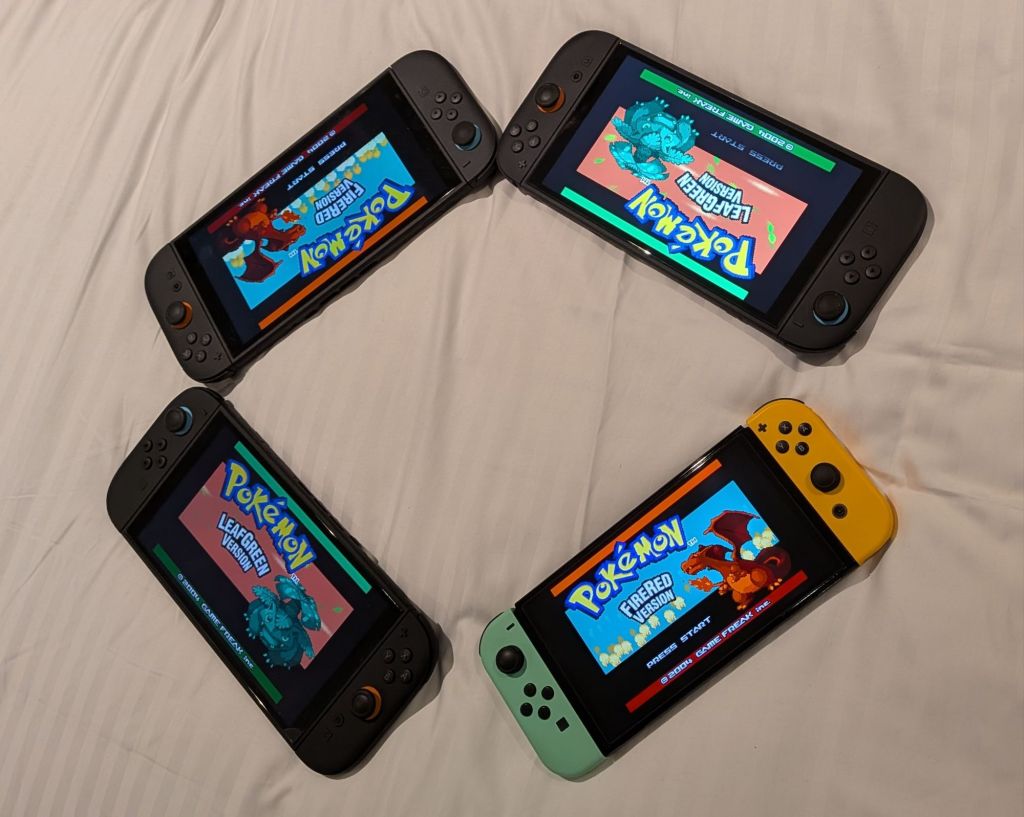
And so I give you Vagrant Rant’s historic fifth Pokémon replay post: a dive into Pokémon Fire Red Version on the Nintendo Switch, and quite possibly my most enjoyable Kanto region playthrough ever.
A Surprising Fit
The Nintendo Switch port of Fire Red divided opinion when it slipped onto the Nintendo eShop a week out from the 30th anniversary Pokemon Presents showcase: some amplified voices bemoaned the lack of the game’s inclusion in the Nintendo Switch Online Expansion Pack service, which already includes plenty of classic Game Boy Advance Games; others celebrated in the opposite direction, welcoming a one-time purchase that requires no further commitment.
Fans have speculated for years as to how the retro Pokémon titles would eventually hit the Switch family, and there were always pros and cons to both approaches. An NSO inclusion would mean restore points that’d make shiny/nature/IV resets an absolute dream and guarantee forced online support; conversely, a standalone release would allow for potential Pokémon Home transfers and maybe even built-in mythical Pokémon events previously locked away on cartridge.
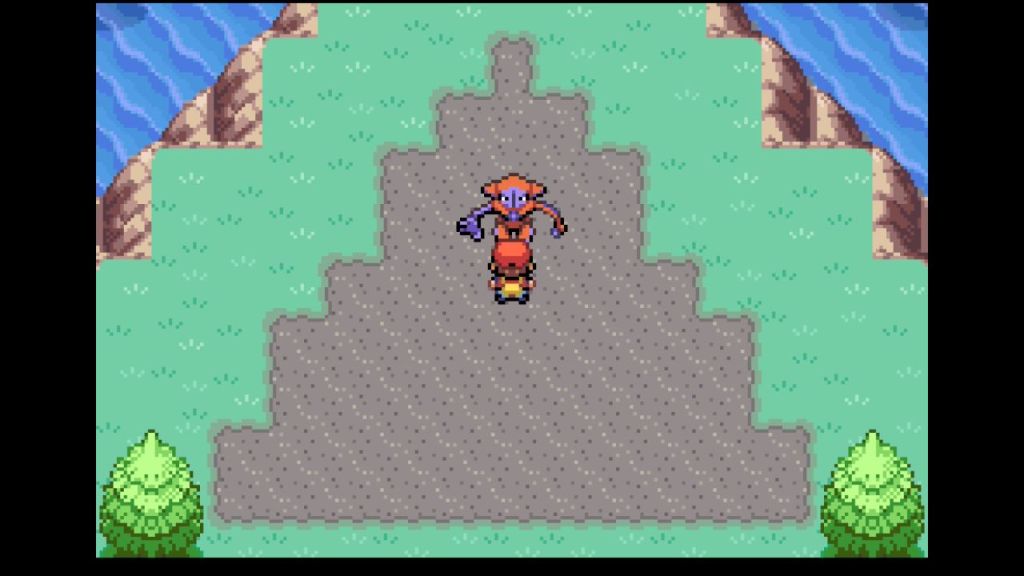
As it turns out, we got the latter, and both advantageous boxes on that side of the equation – which were by no means guaranteed – have thankfully been checked. There are also no ugly grey-gradient bars on either side of the screen, and Start/Select have been automatically re-mapped to both Plus/Minus and X/Y. But for me at least, a standalone port – especially one listed online without an explicit Switch 2 logo – raised further questions about image quality.
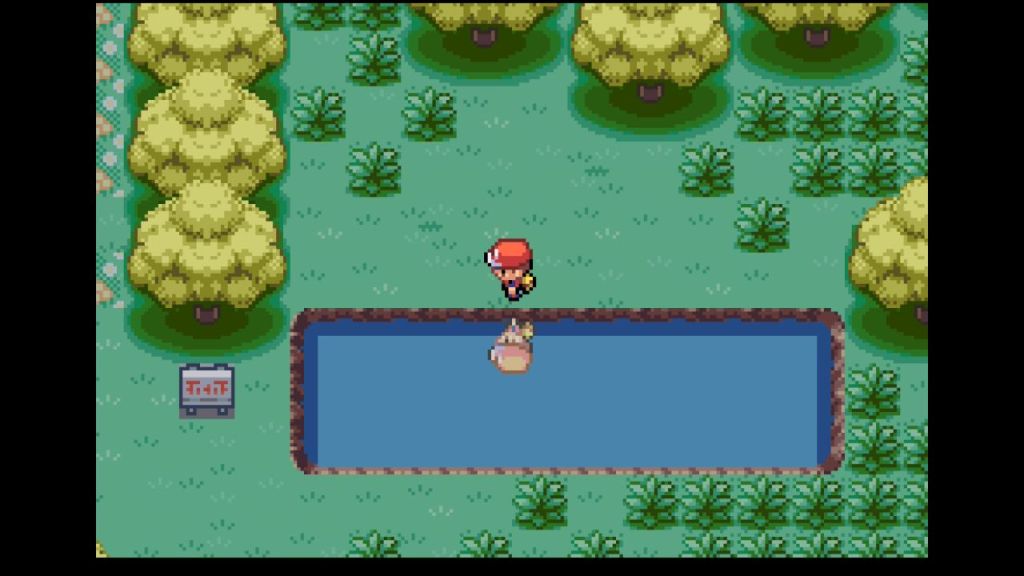
I played the opening 3-4 hours on my Switch OLED because – shock me – I thought it might be able to handle the game, and figured the extra colour depth and motion clarity could make up for any weird emulation choices. But then I moved my save to the Switch 2, and was surprised to see not a hint of pixel stretching – either handheld or docked – and plenty of vivid colour bringing to life that unique one-off cutesy art style. This FR/LG re-release looks clean and chunky wherever you play it.
The Switch 2 does have one underrated advantage over its predecessor as a retro Pokémon machine, however: GameChat.
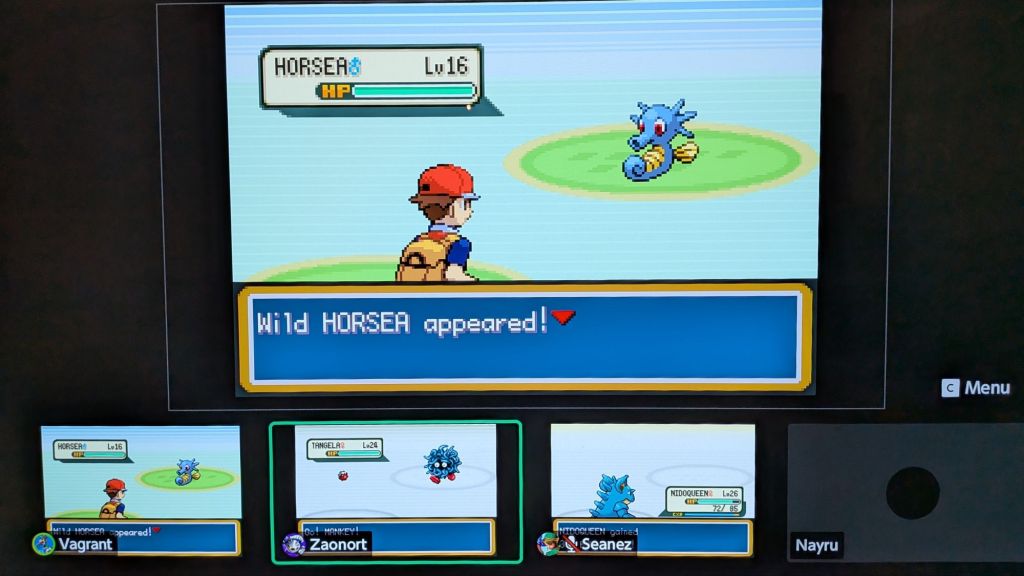
We haven’t talked about the flagship Switch 2 feature on this site since that gigantic launch weekend article – largely because I haven’t used it much since – but if it isn’t the absolute perfect fit for a social replay experience like this, I’m not here. After meeting up in person on launch night, virtually every following evening during launch week my friends would open a chat and we’d play while sharing our screens, keeping tabs on each other’s team-building, witnessing outrageously lucky catches and equally unlucky critical hits, and developing the kinds of extremely specific in-jokes that we will struggle to explain for the rest of our time on this earth together.
While GameChat with online Mario Kart was great fun last June, it turns out the experience of playing unconnected games together with friends (even if in this case, they’re all essentially the same game) is something else entirely. It’s the kind of experience I know I wouldn’t be bothered to set up with a PC or phone, but with no fear of spoilers for a 20 year-old game, a single-button setup, and no need for headsets thanks to that still-ridiculous inbuilt microphone tech, the Switch 2 suddenly felt like the perfect platform for this port despite my initial plans to play predominantly on Switch 1.
Tale of a Team
(Everything written after this point assumes you’ve read that Leaf Green / Game Boy Micro post linked in the opening paragraph of this article).
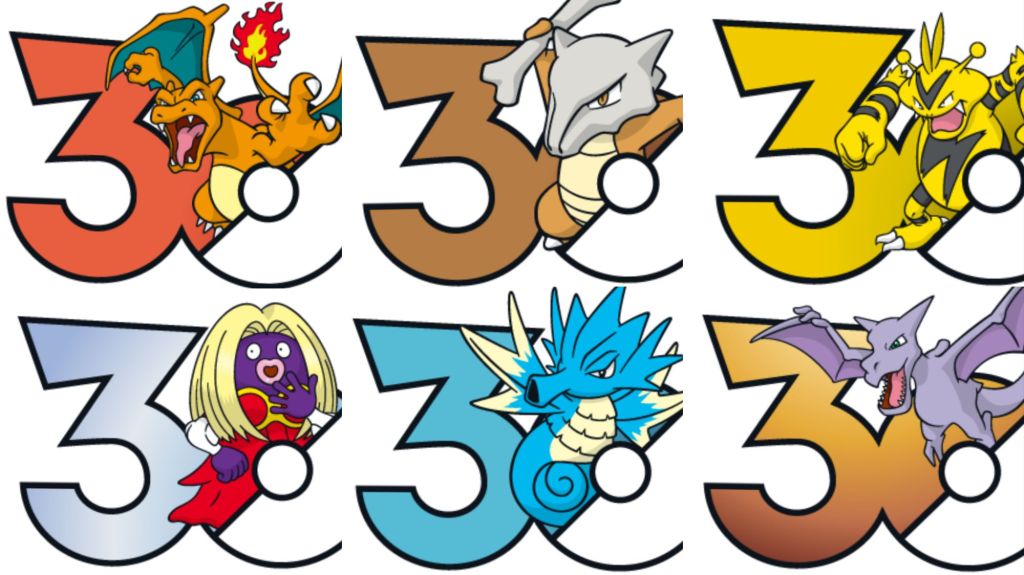
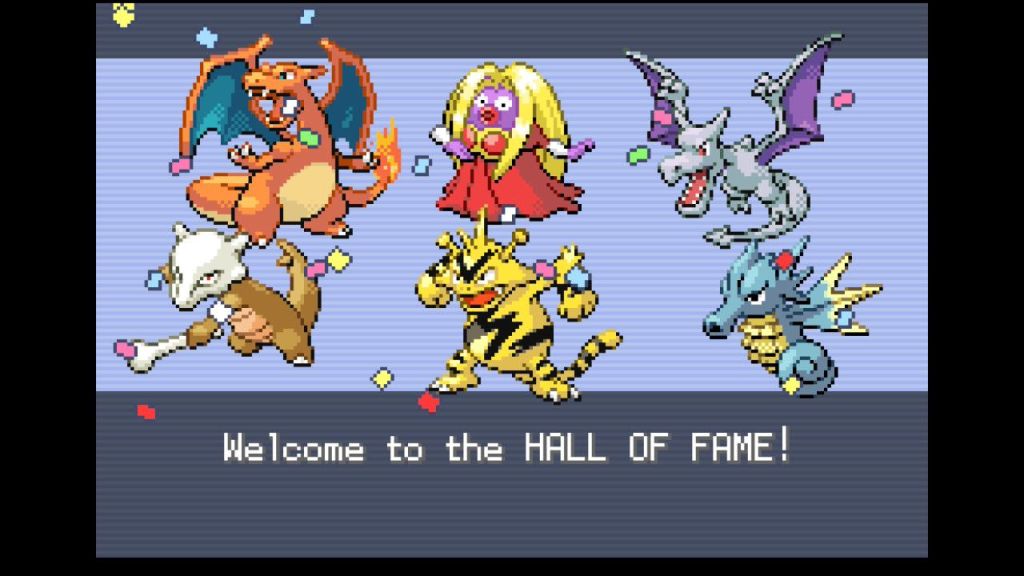
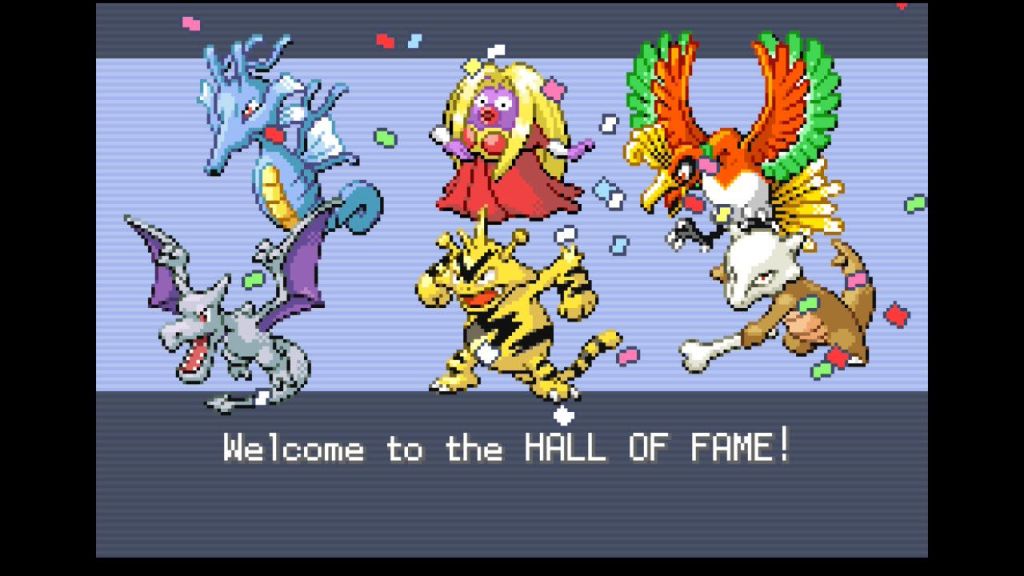
One thing I was certain of going into this playthrough is that I wanted to put in the effort to assemble my most unusual Kanto team ever, and thanks to that unexpected week-early “leak” I had a bit of time to brainstorm and plan a bit. Using a basic online list of HM compatibility and a vague sense of type synergy, I think I achieved that, and the result was an absolute blast. I had absolutely zero playthrough experience with five of my final six team members this time around, and all five of those appear deep into the mid-to-late game of Fire Red.
This necessitated a few unconventional paths through Kanto to minimise wasted EXP, and that gave me a newfound appreciation for the unexpected openness of Pokémon’s original region. For example, plenty of players are aware that you can beat Sabrina before even setting foot in Fuschia City to fight Koga; in fact if you do the whole Team Rocket storyline in one block, that order arguably feels more natural. However, I was speeding through bare-minimum requirements so quickly that I fought Koga before Erika and Blaine before Sabrina; I hadn’t clocked that was even possible beforehand. I also had to take the much longer eastern path down to Fuschia to rush the Super Rod for a crucial in-game Poliwhirl trade as early as possible, which meant I picked it up before the Good Rod.
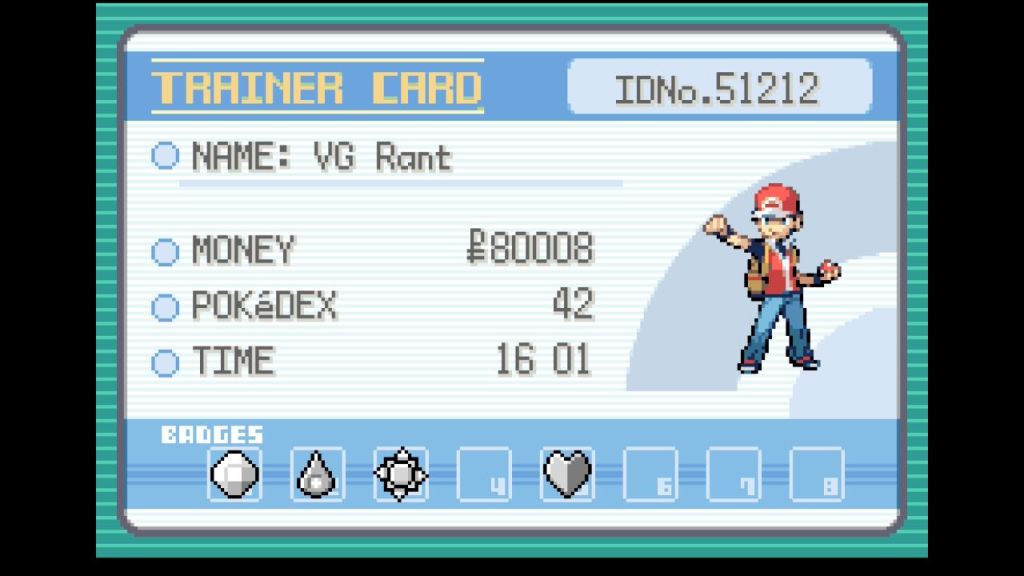
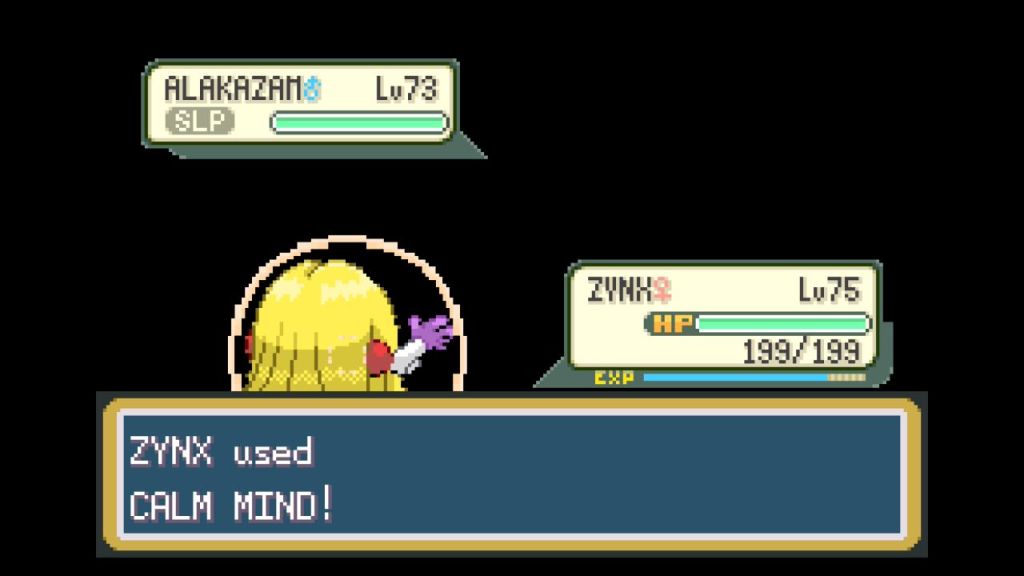
Speaking of that trade, I knew from the beginning I wanted to build a team around Jynx. The week the re-release was announced I’d been watching a ton of SmithPlaysPokemon videos on YouTube for fun, and that dude never misses a chance to talk about how underrated the Ice/Psychic glass cannon truly is. Insanely fast and capable of sweeping entire bosses with just STAB moves and the odd sleep, Jynx sounded pretty good to me despite its inability to take a single physical move without keeling over. An NPC trade is the only way to get one, however, which means Jynx is both nature-locked and nickname-locked in Fire Red. So I decided I would do the retro throwback thing of nicknaming all my Pokémon in all-caps so that classic slice of all-time creativity “ZYNX” didn’t stand out as much.
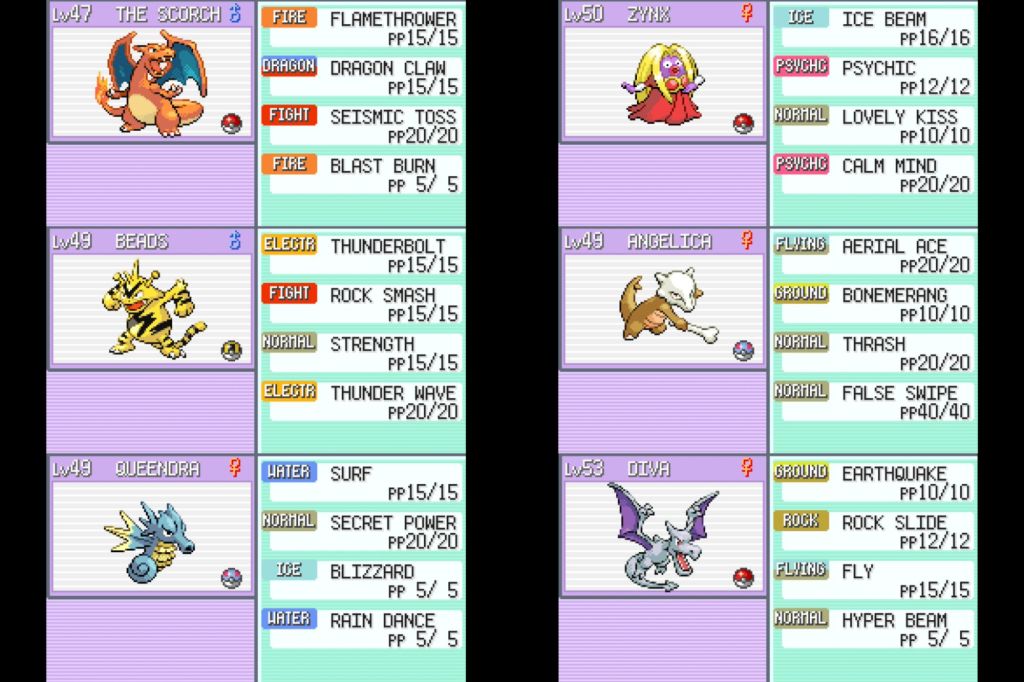
Charizard was my starter of choice, because I used Blastoise on that 2024 Game Boy Micro run and I’ve otherwise been all about Venusaur throughout my life. I also needed a mid-game Fly ‘mon, and the Kanto selection is so small that I had pretty much used all the other viable options on playthroughs before. My ‘Zard had a Modest nature, so it hit super-hard with Flamethrower but wasn’t going to be using the physical, 70-power Fly in battle particularly well. Good thing I only needed the move until late-game, because I also had my eye on another winged ally, and the first-ever fossil Pokémon to make my primary team for a playthrough: Aerodactyl.
Fast Rock-types have been the exception to the rule for 30 years, but it turns out Pokémon’s first hard-headed speedster – in both real-life and in-universe chronology – doesn’t really have to give up too many of Rock’s traditional strengths to get up and running. For one of the quickest Pokémon in the game, Aerodactyl sure can take a hit, which is often useful given the relatively low base power of its strongest STAB moves sometimes only just fail to secure a KO (Fly’s 70 BP is barely bested by Rock Slide’s 75, but at least the latter can flinch opponents). Almost nothing in Kanto resists both Rock and Flying, however, which meant despite joining the team last, the prehistoric pulveriser soaked up plenty of EXP and entered the Hall of Fame as my highest-level ‘mon.
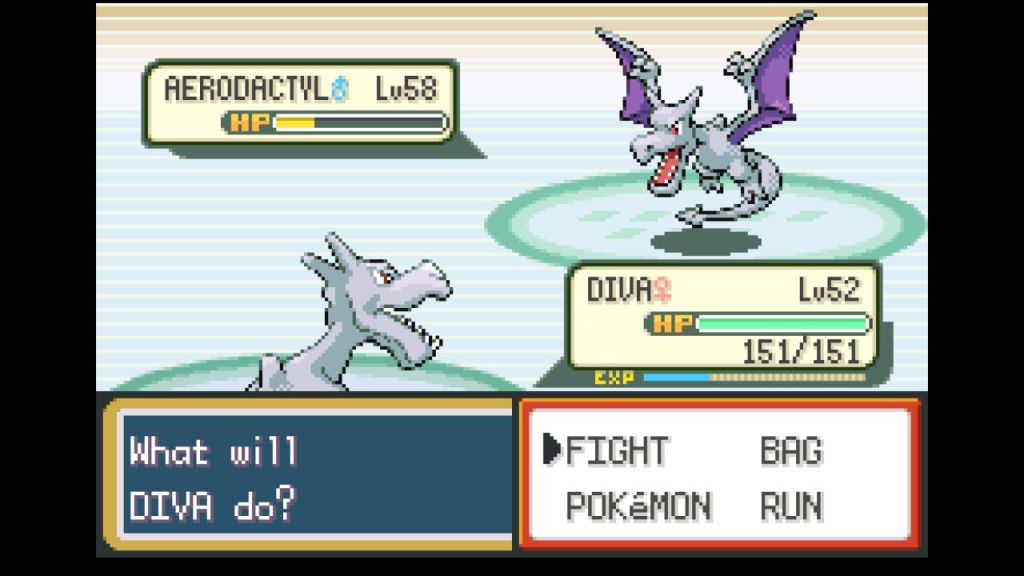
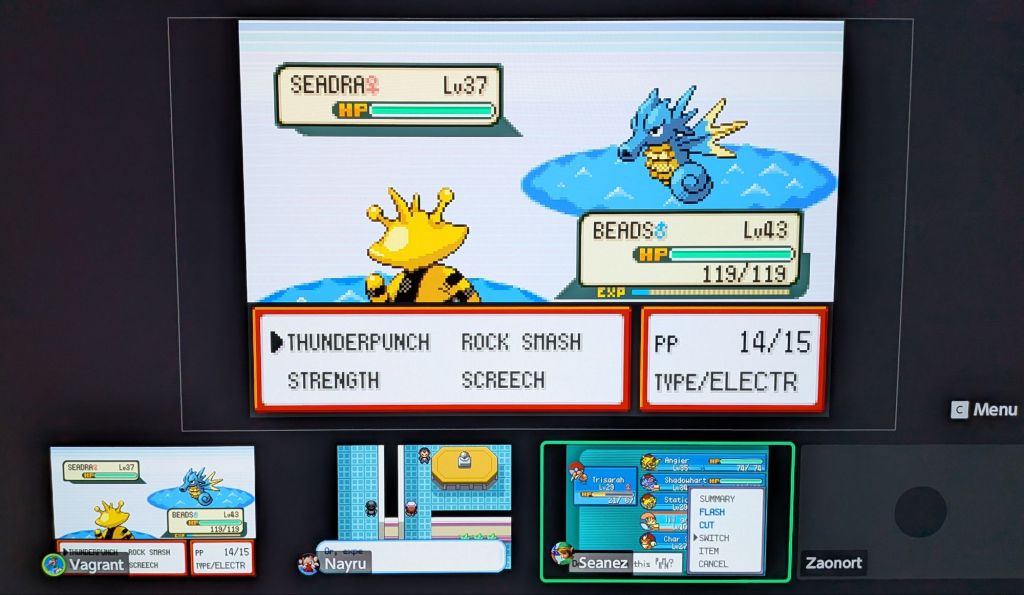
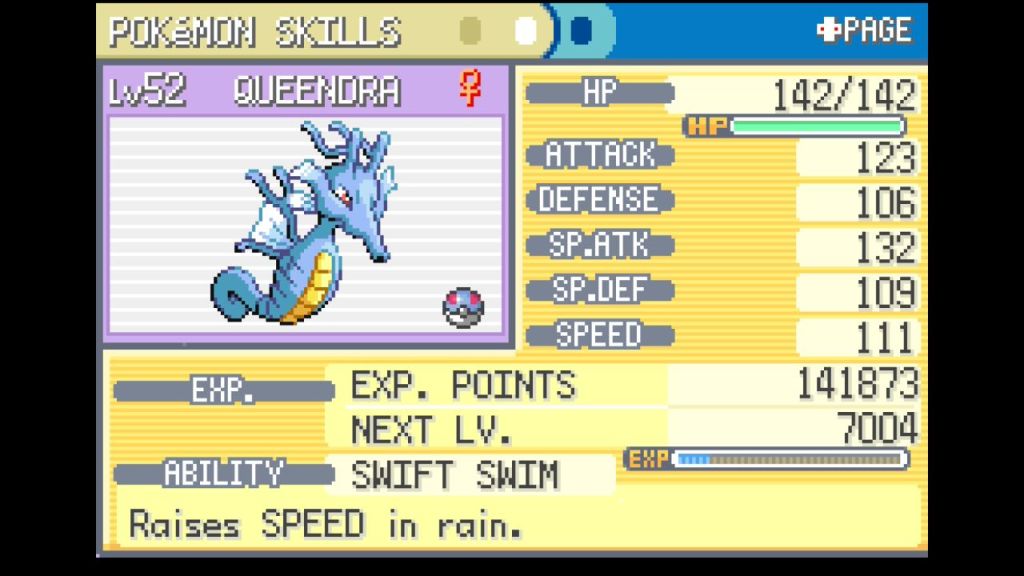
Kanto has a veritable sea of competent Water-types to peruse, and I didn’t want to fall back on the early-access ones. I came extremely close to picking the Fire Red-exclusive Golduck, who has higher Special Attack than the likes of Gyarados, Poliwrath or Tentacruel and who I had enjoyed using once before in a Gen II replay, but its reliance on the exact Ice and Psychic TMs that Jynx required made it a bit redundant. And so the mandatory Surfer role went to Seadra, who is largely a mono-type attacker but has the exact same Speed and Special Attack stats as Golduck, and comes with the promise of a post-game evolution to boot.
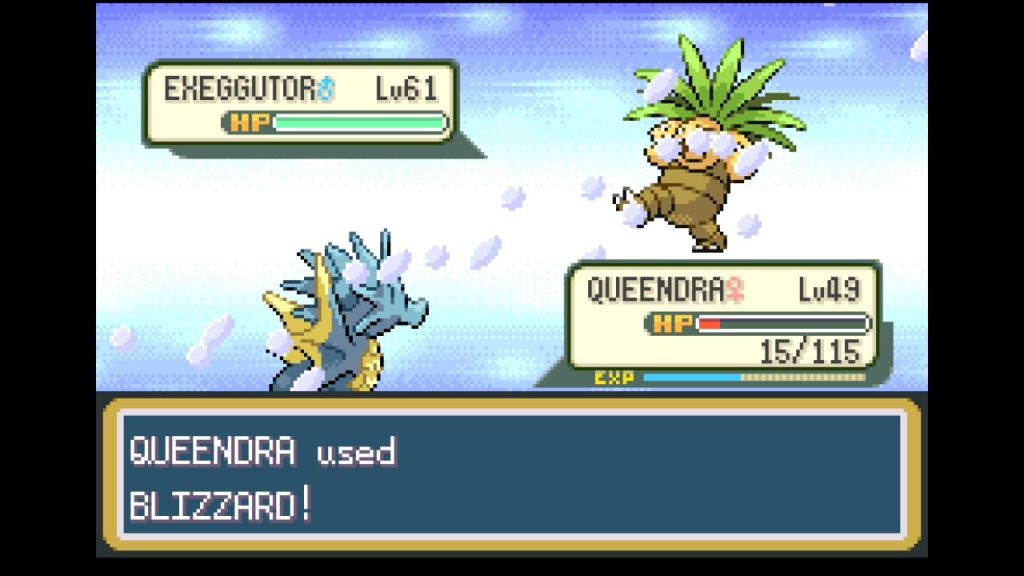
Seadra is sufficiently strong for the Gen I power level, and its Poison Point ability came in clutch more than a few times to secure KOs just out of reach of a single Surf. What’s more, the Blizzard TM I tossed its way seemed like it never missed whenever the team absolutely needed to rely on the move’s coverage benefits. Rain Dance helped keep Seadra’s Water power up against specially defensive threats, and ensured its post-game evolution wouldn’t be outrun by anything.
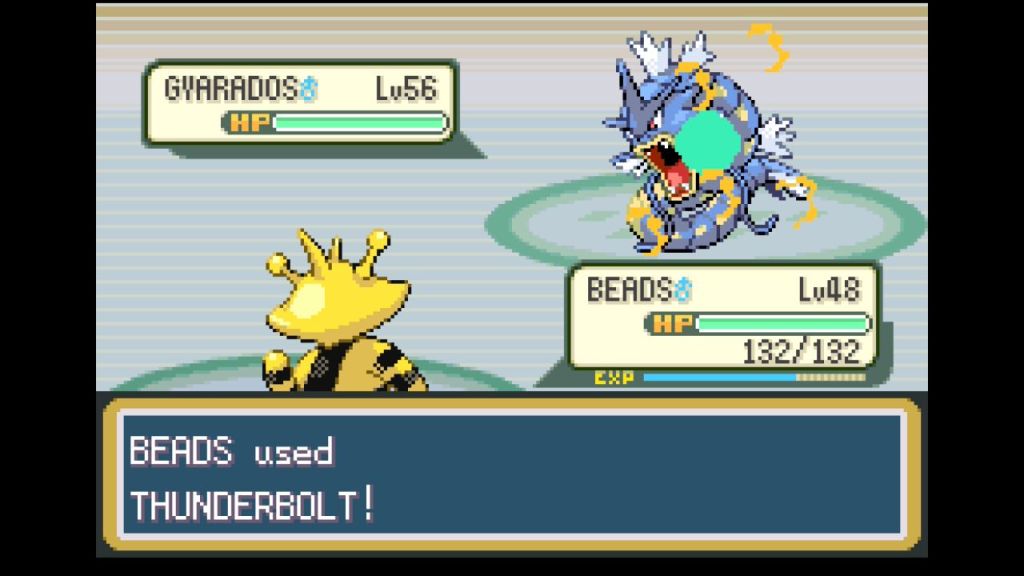
Needing either a Grass or Electric type for balance, I decided to forego the typical bulk and status shenanigans of the former for once; this team was going to be all about offense, so I needed an Electric star. Yet Pikachu and Jolteon have been done to death, and Electrode can’t really do much with all its speed. Magneton hits extremely hard and is the only Steel-type available before the Elite 4, but it’s also slow and isn’t even available until the Power Plant in Fire Red: if I was going all the way there, the powerful one-off Zapdos and the 5% spawn Electabuzz are just as available. My distaste for playthrough legendaries aside, the ‘Buzz is actually faster than the prickly bird, and it also learns the ever-reliable Thunderbolt without need for an expensive Game Corner TM. And that makes five.
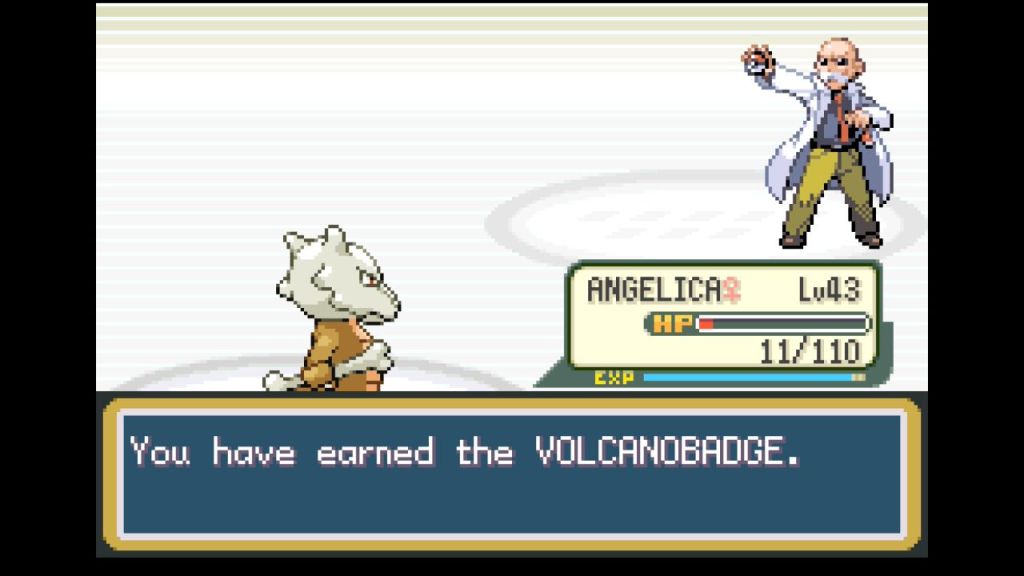
Last but certainly not least, the anchor of the party, and often its most powerful problem-remover in a pinch: Marowak. I’ve effectively ignored the Cubone line for 27 years, but despite a low spawn rate in Pokémon Tower and an even lower chance of encountering a wild one holding the attack-doubling Thick Club – the very item that makes the Pokémon worth using – I made the effort and the payoff was abundant.
The effective Attack stat on this thing is sky-high with that club in hand, and despite low speed and an inability to take multiple strong special attacks, its access to three exclusive moves at times made it feel like I was playing a brand-new Pokémon game. STAB Bonemerang is an absolute joke roughly equal in power to Earthquake, and so is recoil-free late-game Double Edge; anything unable to KO Marowak in one hit usually went down immediately.
Underdogs Punch Up
Marowak was actually the earliest non-starter Pokémon I was able to add to my party, and so I knew I’d need a couple of creatures to cover Charmander/Charmeleon’s weaknesses up until the fourth gym badge. I went with Raticate and Butterfree, both classic early-Gen I picks with key Gen 3 improvements that made them surprisingly useful until their time was up; however, it was a surprising third ‘mon that truly made itself indispensable.
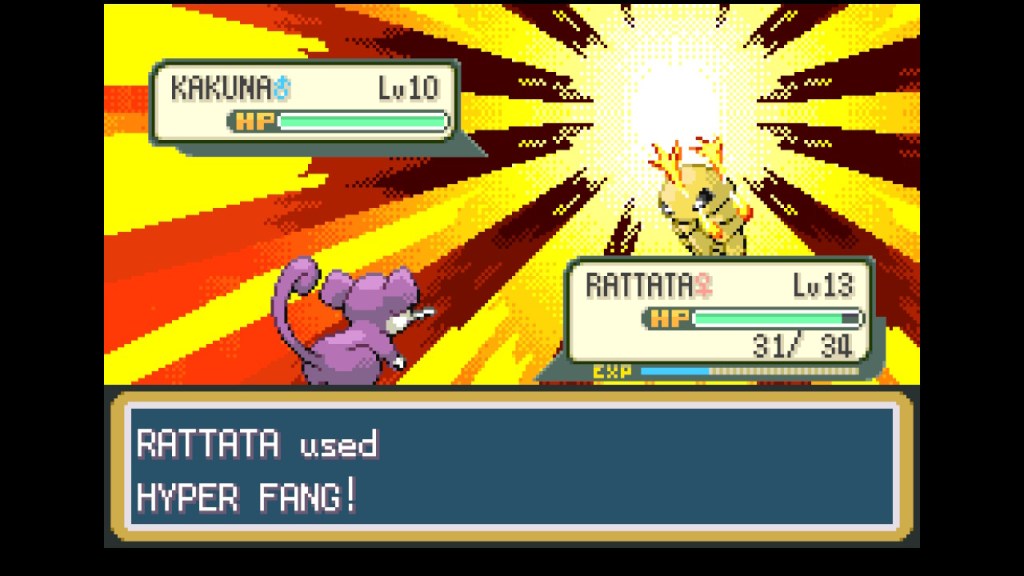
When the first Rattata I caught had the ability Guts and the Attack-raising Naughty nature, I knew I’d be in for a pretty smooth ride, because STAB Hyper Fang at Lv13 is already such a ridiculous early power spike for a fledgling team, and when that rat got itself poisoned, the Guts boost effectively made for 180-power nukes. Even paralysis hardly stopped the insane damage output, because Quick Attack bypasses the Speed drop and hits at 90 power.
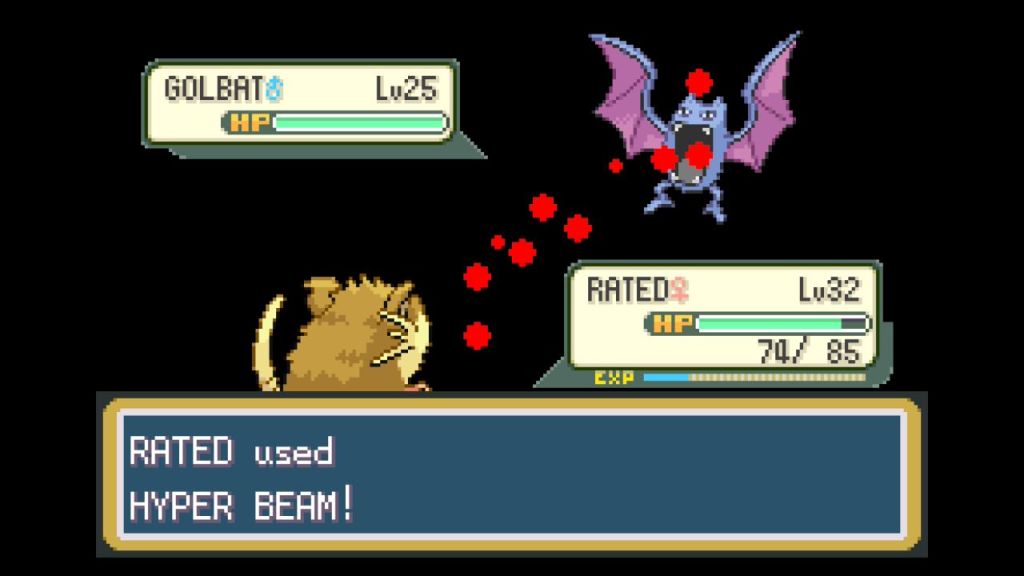
With the Dig TM for Rock coverage (and easy dungeon escapes), there were few opponents the rodent couldn’t take out over the duration of its time in the sun. I even gave it Hyper Beam when I got to Celadon to finish off Trainers’ final Pokémon; Gen III’s physical/special mechanics and Guts meant that satisfying animation came alongside a power level that often hit as hard as a Selfdestruct, and the experience even encouraged me to get recharge-turn moves onto my main Aerodactyl and Charizard sets as emphatic match-finishers.
Gen III Butterfree may not have the ideal Brock matchup that it did in the original Red/Blue/Yellow – Geodude and Onix actually use Rock-type moves this time around – but its own ability buff made it a great value pick for my team. Compoundeyes increases the accuracy of Sleep Powder almost to the point where it cannot miss, and that means free turns to hit multiple Confusions, switch to a frail team member, or increase the ease of catching something – extra helpful when you remember several key items in Kanto are locked behind Pokédex catch progress.
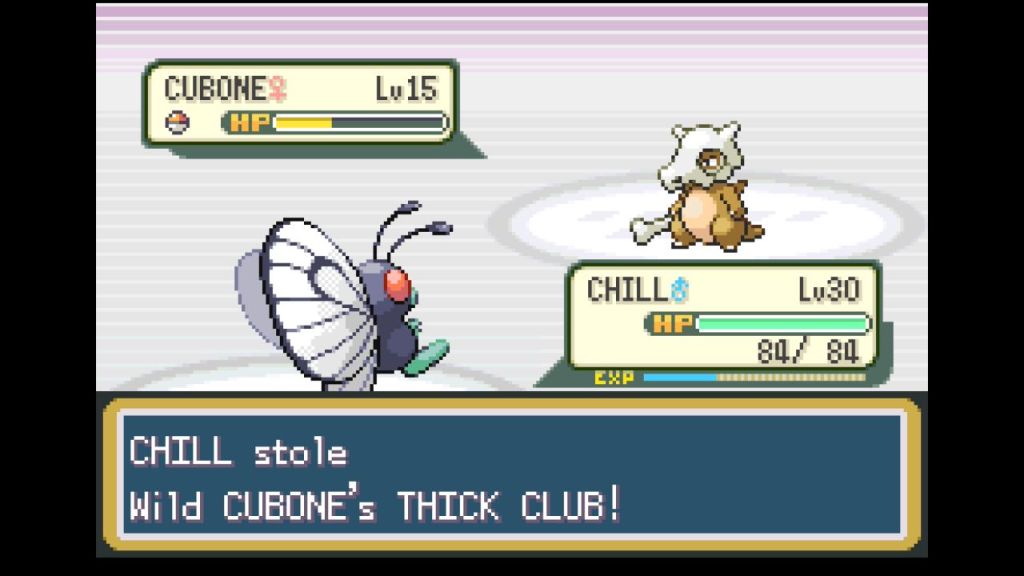
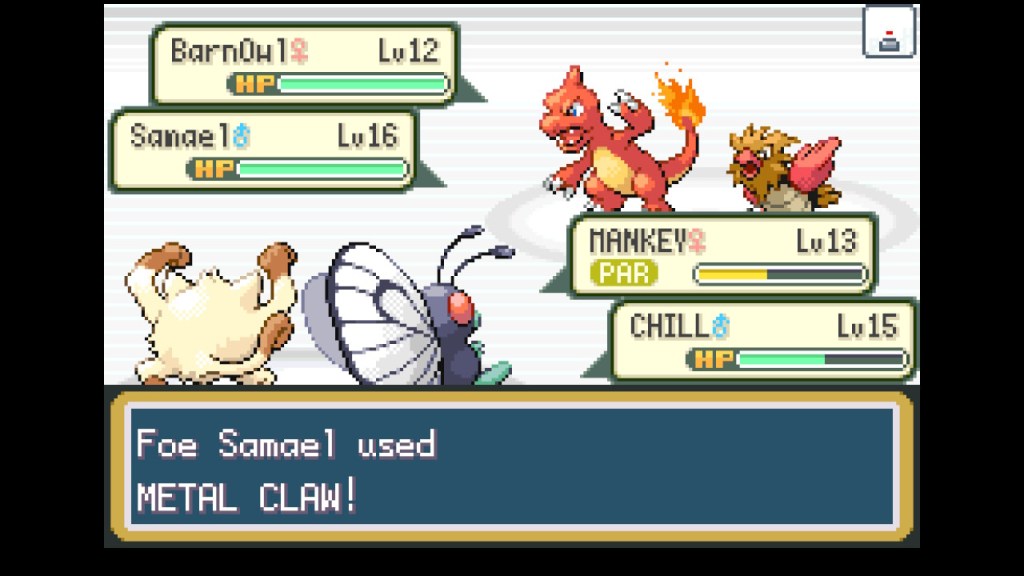
This ensured Butterfree kept on contributing right up until midgame, as did its ability to learn Thief for that all-important Thick Club acquisition. Yet my favourite use for the ‘Free was, of course, in the multi-battle my friends and I played on the night of Fire Red’s re-release (complete with original GBA Wireless Adapter connection icon and cautious, glacial text crawl): Sleep is real fun to use yourself, and real annoying to face up against.
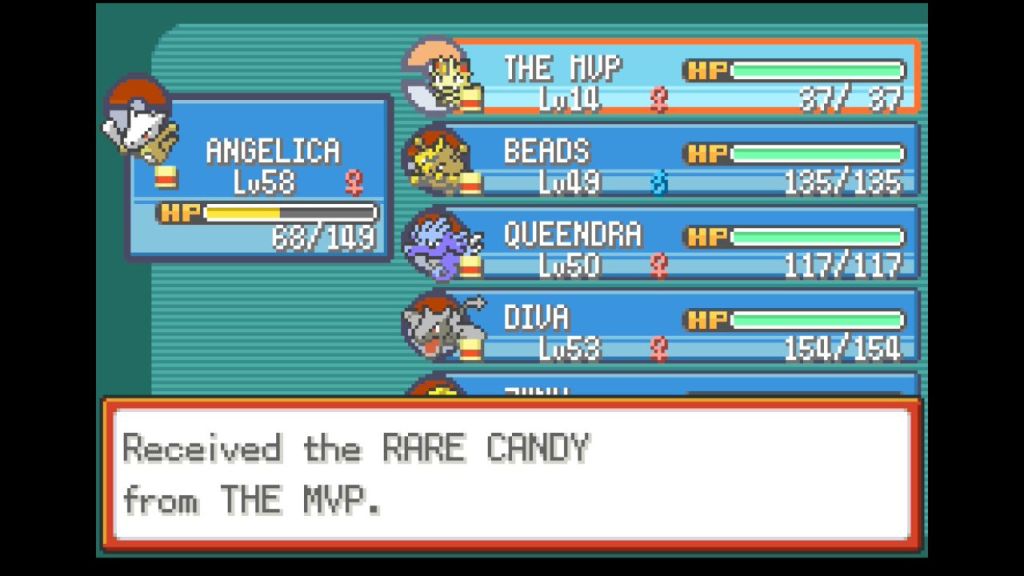
But then there’s Meowth, a Pokémon so suited to Fire Red’s specific set of mechanics that all three of the friends I played alongside also had it in their teams all the way through the game. Not only can Meowth learn both Cut and Flash, but the mechanics of the Pickup ability in FR/LG specifically mean it can avoid a single level-up and still provide multiple crucial PP Ups and Rare Candies to the party, with the odd useful Berry along the road and a “why not?” Hidden Power TM on occasion just to try out. After this playthrough, I am now of the opinion that everyone replaying these games needs one of these on their team for as long as possible; it just provides too much value, even without a single KO to its name.
Stray Thoughts
A couple more things I thought worth a mention that I experienced within this playthrough:
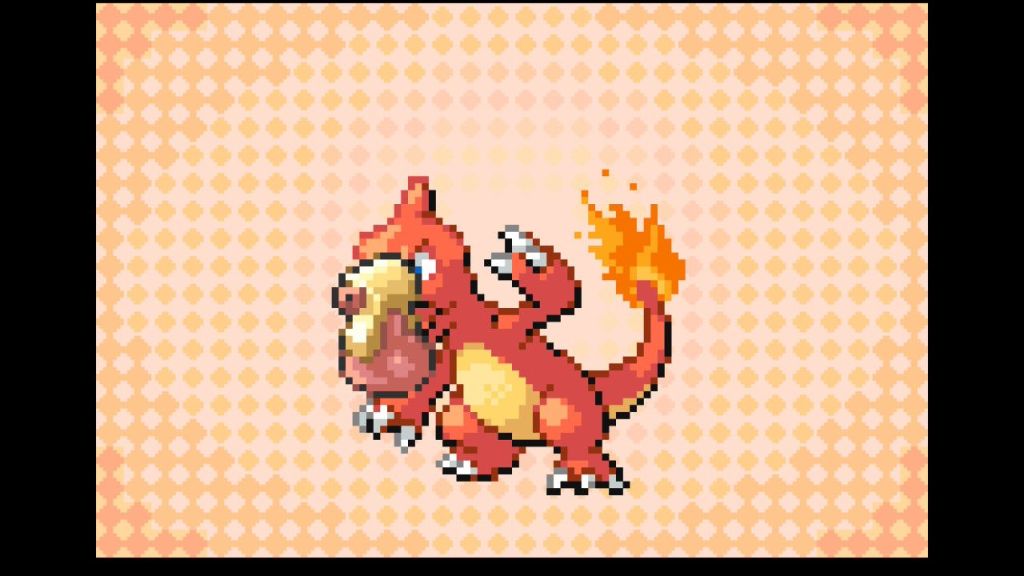
- Every Pokémon run with a new team has an unexpected challenge where you may not traditionally struggle, and my biggest one this time was Rock Tunnel; Charmeleon, Raticate and Butterfree aren’t the world’s best squad to handle a density that high of Rock and Fighting Pokémon. I actually had to use an Ether on the fire lizard’s Ember – alongside a couple of Revives – in the depths of the dungeon, but once it learned that sweet sweet Flamethrower a few trainers from the end, the resulting power spike saw my starter race ahead in EXP.
- My almost accidental skip of the Erika fight (her gym is so out of the way and my team had no need for the Giga Drain TM) had unexpected consequences when Jynx reached Level 31 and stopped co-operating. I had been saving that gym as an Ice-Weak EXP farm, though, and most of Kanto’s native Grass Pokémon are so physically weak that the often-random Powder Snow/Ice Punch picks tore through the trainers there anyway.
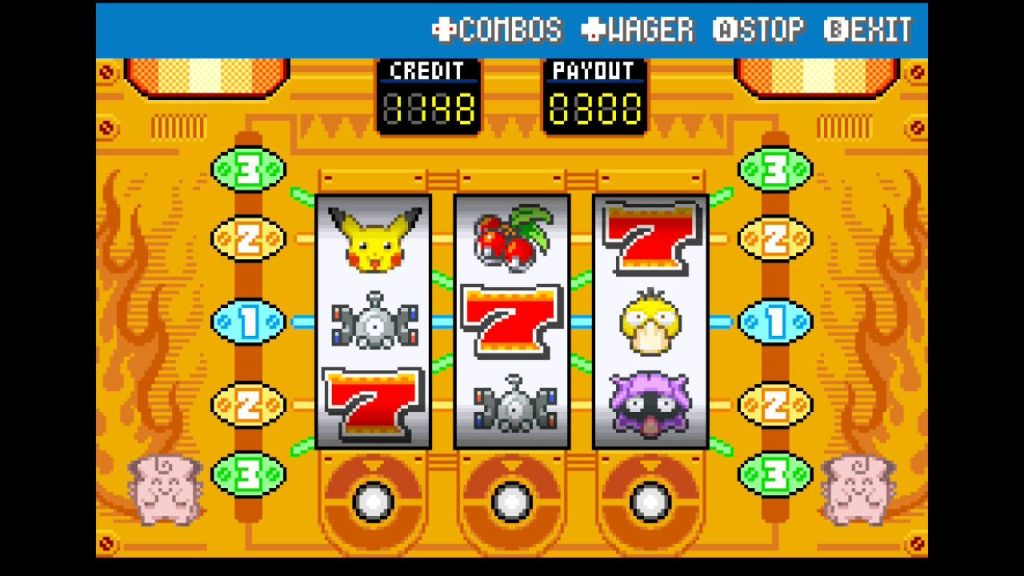
- The aforementioned attitude to Hyper Beam usage was one of a few widely accepted no-nos from our childhoods that my friends and I discovered this run weren’t necessarily problems after all. The biggest of these concerned the Celadon City Game Corner: back in the day it was assumed the only good way to get value out of the place was to buy Coins outright, but that’s prohibitively expensive, so the Coin exchange effectively became a post-game destination. However, while I didn’t quite have the skill and timing of some of my friends this run, I was able to “sequence break” in a way by winning just enough button-mashed jackpots to afford the Ice Beam TM early, and that is a huge boost to any team composition.
- I have never had much luck in the Kanto Safari Zone, but one of the highlights of our GameChat sessions this past week has been watching my friends somehow manage to catch and use the likes of Tauros and Kangaskhan on their teams. Both seem to hold up pretty well in-game with their considerable bulk, high power, and wide TM access.
- Incidentally, do you know there are 277,962,685 unique team compositions available before the Elite 4 in the Kanto games, assuming access to trading with opposite versions? Don’t ask me why I know that, but it’s no wonder I love replaying this series more than any other.
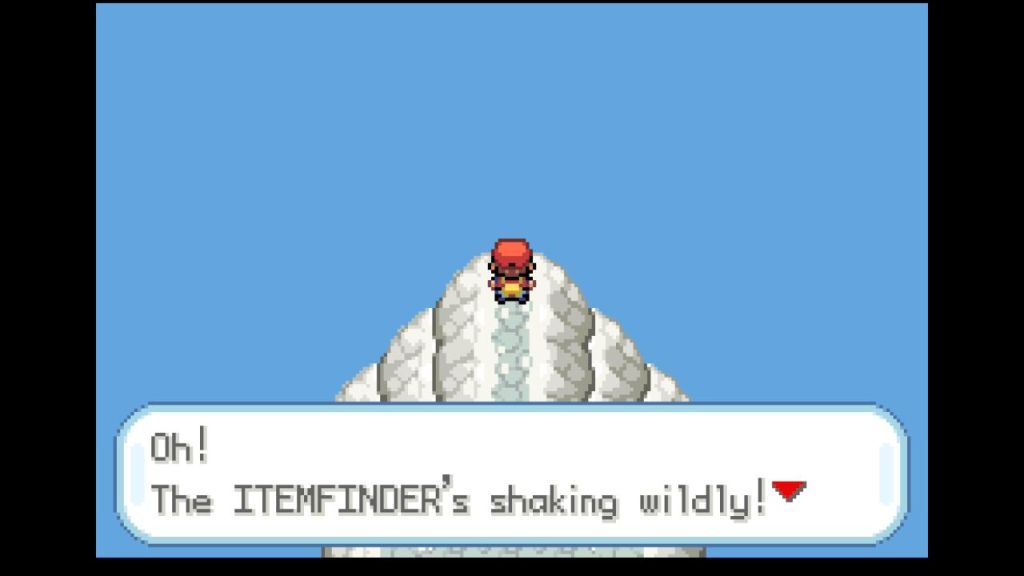
- I either didn’t know or had straight-up forgotten that the FR/LG Itemfinder had a secret added effect as an exclusive way to obtain highly-desirable items when standing on the exact tile an important Pokémon/NPC had once occupied. Surely the easiest double-Leftovers snag in the series before Galar.
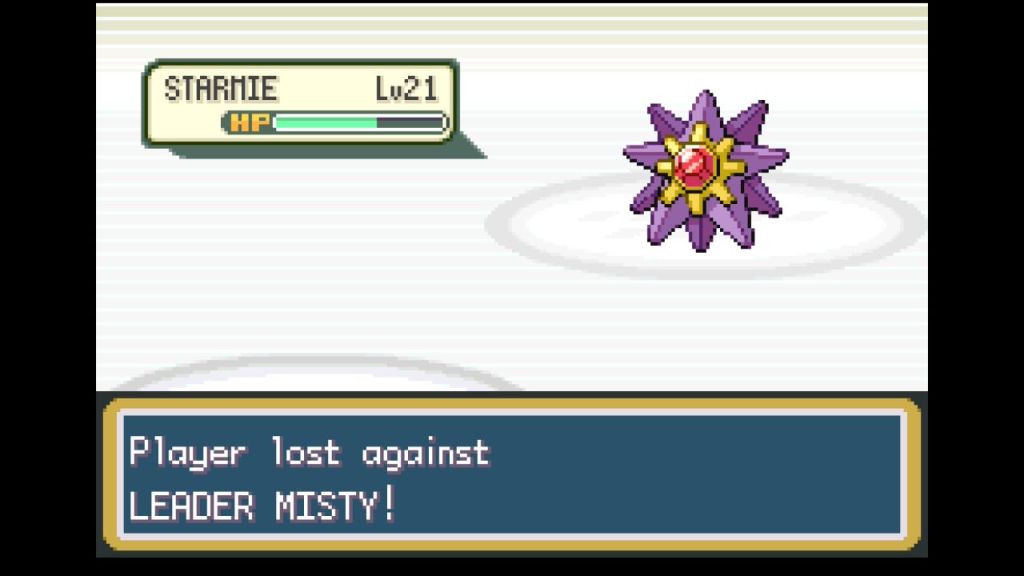
- The Gym battle that gave my team the most trouble is probably no surprise, because it’s the same Gym battle that trips up most people: Misty’s Starmie is just as much of a terror in Gen III guise as it was in Gen I. Water Pulse confusion procs are its specialty, and it’s faster than just about anything you send out at that point in the game. I won on my third attempt thanks to that lovely 97.5%-accurate Sleep Powder from Butterfree, followed by a few Hyper Fangs.
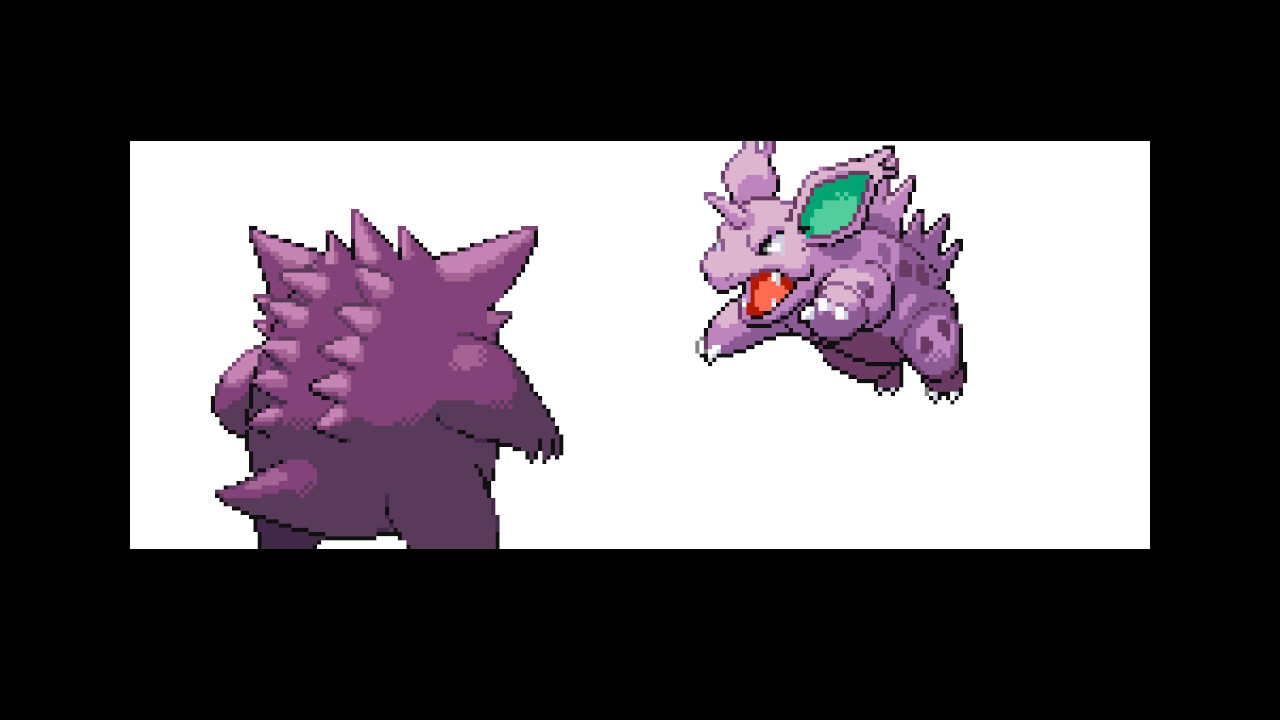
- Lorelai is still probably the hardest Elite 4 member overall in Fire Red, but I’ve never had so much trouble with Agatha before. Nothing except Aerodactyl managed to outspeed her Gengar at first meeting, and so I had to get lucky with a few defensive low-rolls and Rock Slide flinches to take the win.
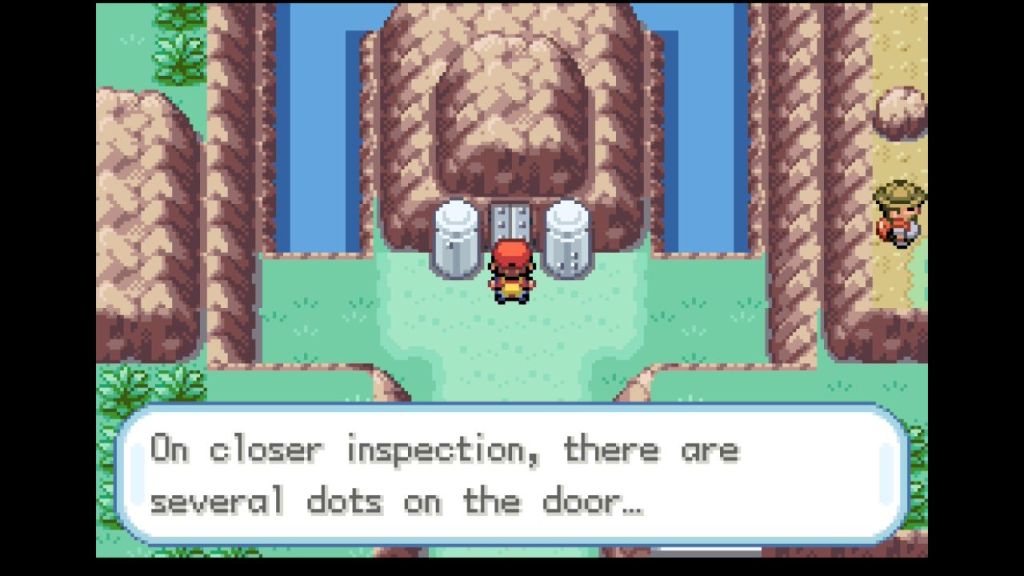
- The Sevii Islands, which I didn’t really bother to explore in my 2024 Leaf Green run, are perhaps the biggest indicator that the Gen III Kanto remakes are from the same era as Pokémon Ruby, Sapphire, and Emerald Version: They are packed with lore tidbits and esoteric puzzles, involve a large water surface, house the Trainer Tower, bring back the Braille alphabet, and ultimately serve as a breezy 2-3 hour quest (after a 25-30 hour main game) to hoover up some Gen II evolution items and eventually unlock trading with the R/S/E titles – a feature this particular Switch port cannot use. It’s admittedly good fun to see wild Johto-native Pokémon sprinkled throughout the islands, but they appear at such low levels that they struggle to slot into a standalone playthrough unless you’re a completionist. In 2004 the return of these Pokémon, absent from Ruby and Sapphire, felt like a much bigger deal. Still, the Islands have a pleasant vibe and I’m glad they’re in the game.
And that’s Pokémon Fire Red Version, within the very specific context of the 2026 Switch 2 environment. What can I say; it holds up. I had a great time playing through the classic adventure in a new way, but now if you’ll excuse me I’m going to go obsess over Pokémon Pokopia while waiting for Pokémon Champions and Beast of Reincarnation. Game Freak’s having a bit of a moment, huh?

 Vagrant Rant