
Life can be pretty predictable at times, but often it just has a funny way about it. This site may have already enjoyed a slightly more-active-than-usual 2024, but following the traditional post-June hype season lull it was probably going to stay pretty quiet for a few months as per tradition. But suddenly, there is something else to write about.
You see, long after I had given up hope of playing a working Game Boy Micro – let alone owning one – a deal too good to refuse came across my entirely metaphorical desk out of nowhere a couple of months back. I am now, at long last, in possession of a tiny baby handheld console I didn’t even register as existing until long after Nintendo had stopped manufacturing it. And with a barely-believable GBM comes the question “What do I even play on this thing?”
A minor excavation campaign revealed some potential candidates: Advance Wars feels like it was made for this machine, and it’s been a real long time since I played through Final Fantasy Tactics Advance – with no sign it’s coming to Nintendo Switch anytime soon either. But would you look at that, Pokemon Leaf Green just so happens to turn 20 this year, and for a decent chunk of my life I told people it was my favourite Pokemon title. Across multiple forms of public transport and various hotels and other locations, I’ve been working my way through a long-overdue playthrough; let’s see how it holds up then, shall we?
But first:
It’s So Tiny!

The Game Boy Micro feels so miniscule in 2024 that it’s barely believable. The thing is a quarter of the size of my phone, which was already the smallest device capable of playing games in my life. Picking up the tiny AyaNeo Air Pro after a session with the Micro makes it feel bulky and cumbersome, to say nothing of the even larger Switch OLED. Of course back when it came out it was competing with a fleet of already-small dedicated Game Boy handhelds, but let’s not understate things here: even compared to those, this one is an almost cartoonish miniature.
I often wonder why I didn’t jump on the Game Boy Micro when it was affordable and new, let alone why my memory of its release is so foggy, as new Nintendo hardware is a proposition I don’t have a strong history of resisting. But those what-if mental exercises invariably end with me looking up the release date – a good six months after the DS launch – and realising all over again that the idea of a new Game Boy of any size would have seemed ludicrous to the adolescent who had just been bowled over by Super Mario 64 DS and Metroid Prime Hunters; DS hardware could play GBA games anyway, so what was the point?
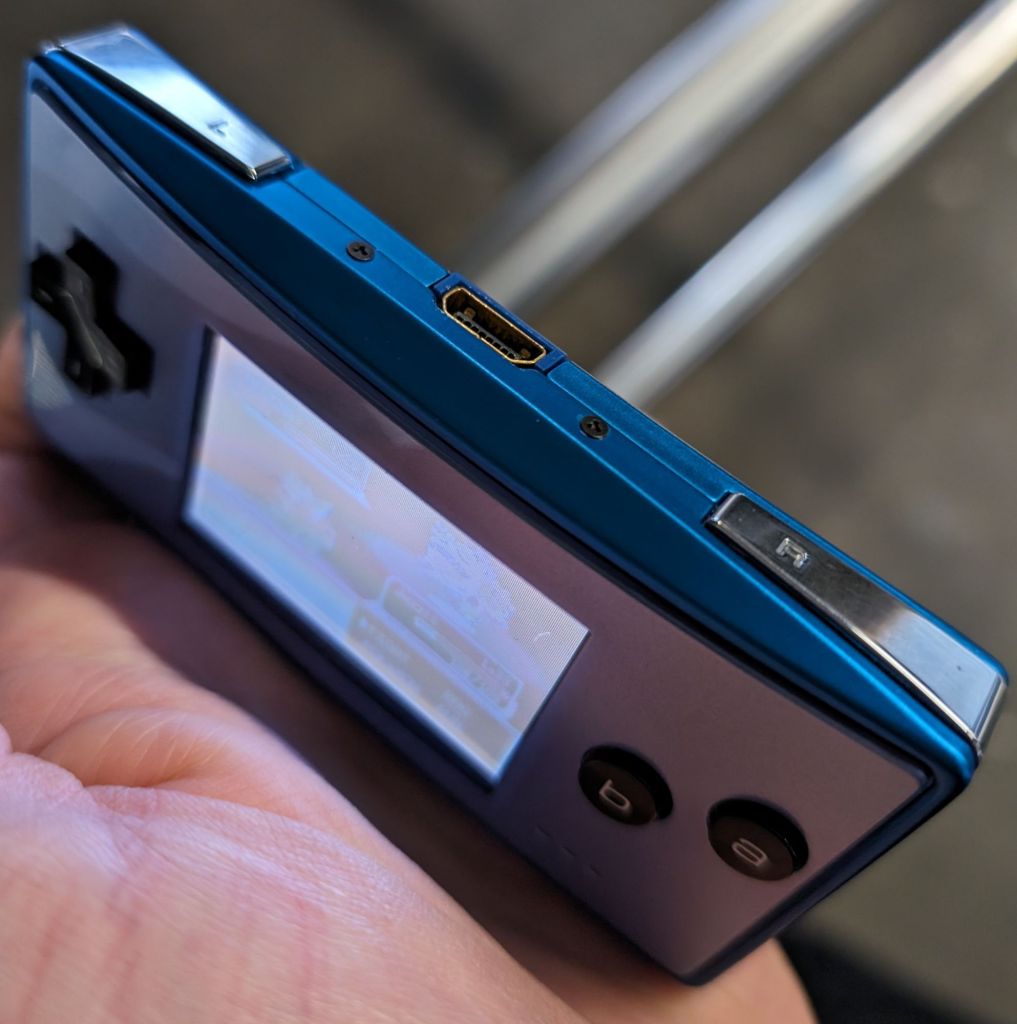
Well today is a different story. Playing this console over the last couple months has been a novel joy; thanks especially to the surprisingly ready availability of cases and charging cables online, I can literally have the Micro in my pocket and play a full button-driven videogame on a train platform while holding a coffee in one hand. Adjusting the brightness or volume is snappy, the red glow on the lower buttons to indicate low battery is elegant, and while this handheld comes from an era before properly-efficient sleep modes, that battery life still matches or exceeds every other portable gaming device I use today.
What I find myself dwelling on the most since acquiring the Game Boy Micro is what could have possibly motivated Nintendo to release it all the way back in 2005. The hardware component shrink necessary to fit everything in such a tiny shell meant a uniquely-shaped extension port had to go on the top of the device, and that in turn meant the company had to produce an all-new SKU of link cable and even the wireless adapter released only a year earlier (packaged, no less, with Pokemon Fire Red and Leaf Green). And they committed to all of it, despite the debut of an entirely-new generation of handheld console in the rear-view mirror. It’s a truly wild commercial decision to behold with the benefit of hindsight.
I’m not entirely sure what useful information this tells us about the notoriously unpredictable Nintendo in 2024, except perhaps that we may see some fairly substantial ongoing support for the Nintendo Switch (perhaps even yet another new model?) well into the life of its imminent successor.
Anyway, time to talk Pokemon again.
Turning Over an Old Leaf
Asking me to single out my favourite Pokemon game is usually an exercise in futility. I am typically so focused on the multiplayer aspect of the series that my “favourite” game is usually the latest one, as with the brief exception of Sun and Moon, the main games have been on a steady unbroken trend of improvement in competitive – and now co-operative – accessibility. The new monsters/moves also keep things fresh in that area regardless. But for a good stretch of the 2000s and into the early 2010s (right up to the release of the exemplary Pokemon Black / White Version 2), I did have a more solid answer: Pokemon Leaf Green.
The earliest videogame remake I’d ever played, Leaf Green pulled on a nostalgia thread more powerful than any other: my first-ever game. But it wasn’t just the ability to re-experience Pokemon Yellow with a more traditional starter Pokemon and non-buggy battle mechanics that got to me so effectively; to this day, I think the series peaked aesthetically with this entry. And I’m not just talking about the colour of the cartridge.
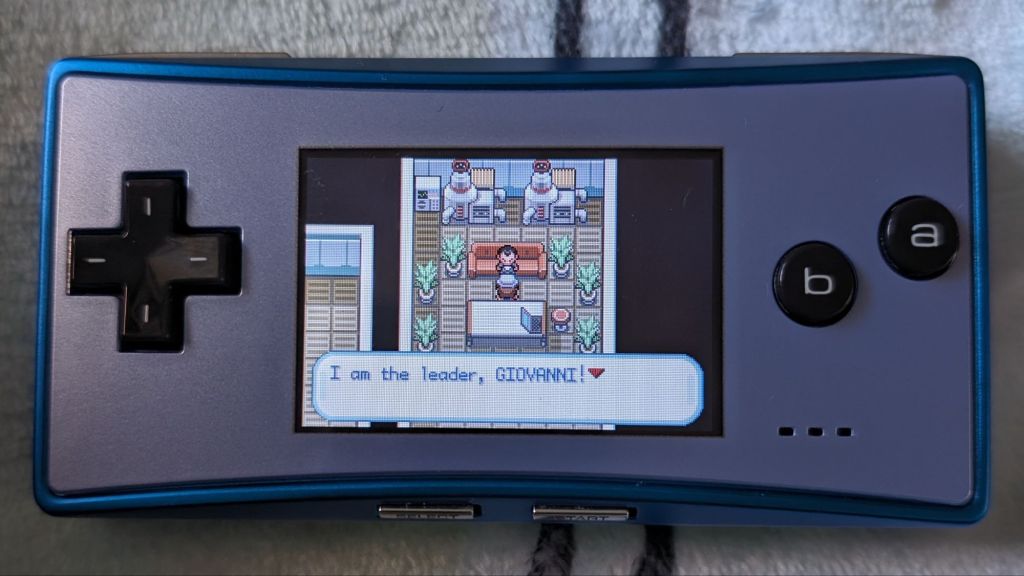
The game has a soft yet remarkably clean visual style that merges pseudo-3D sprite design for characters and buildings with charming 2D Pokemon art bouncing around dynamically on notebook-lined stat screens / 1980s-style lined gradient battle arenas depending on changes to HP and status effects. Items used on your Pokemon have cute animations featuring interacting sprites, and the evolution screen does wonders with just black and white effects work. Combined with the third generation’s wonderful colour-coded stat buff/drop animations (seriously, bring those back please), Leaf Green and its partner game Fire Red stand apart visually from every game released before and since.
The soundtrack is also iconic, and while I wouldn’t say it stands out as much from the pack as the visuals, it still packs some of the most unhinged remixes of basic 8-bit tunes you’ll hear in any official videogame release. The battle themes leverage the midi French horn sound font of Ruby / Sapphire as a base, throw in plenty of simulated high-hats and cowbell, then cut up samples in a staccato salad, lending longer fights a unique tension as the tracks unravel and put themselves back together again.
City themes get fuller and more evocative, but Go Ichinose and Junichi Masuda seem to have the most fun with route and dungeon themes: the slice-of-life thematic innocence of Route 1 is amazing, but the famously unsettling Pokemon Tower/Rocket Hideout/Silph Co tracks take on creepy new life thanks to new melodic and/or discordant undercurrents, while Viridian Forest’s funky added percussion flat-out threatens to launch into a trance beat at times. It’s a ride.
There are naturally pros and cons to the gameplay and story flow of the game, but before we get into that lightning round, for the millionth time on this site, let’s do a Pokemon playthrough roll call.
The Team
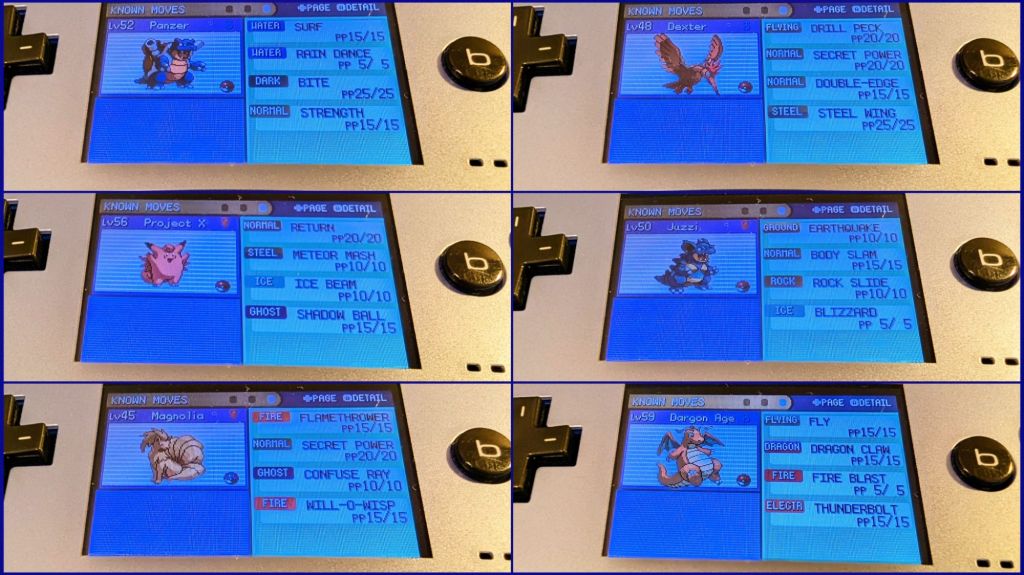
I went with Squirtle as my starter, just to do something different: the shelled wonder has always been my least favourite gen 1 starter to pick, not because I dislike the design of the evolution line – far from it – but because there are usually so many more water-type options to pick throughout a Kanto run that it often feels like a waste. But it turns out Wartortle and Blastoise are fun tanks to bring into a battle even when underleveled, because they almost never go down in less than three hits. The busted “pinch” abilities bestowed by gen 3 on all starters absolutely shine with the shelled lads, because Surf hits far harder when it should when your Blastoise lives and thrives in yellow health bar range, shrugging off weaker hits with ease. It also straight-up learns Rain Dance and often finds free turns to use it, bolstering water power even further and giving Fire-types a real bad time.

The Flyer role was kind of a dull choice, but I had a plan to mix it up a bit over the long game. Upon genuinely discovering for the first time that Crobat is unobtainable before the endgame in Leaf Green – Golbats apparently just play a confused message when they should evolve – without a prospective Charizard on hand, and unwilling to wait till the appearance of Doduo late in the second act, I had in effect a binary bird choice; Pidgey has been hugely overplayed in my Pokemon history, so Spearow took the role. My issue with the surprisingly offensive Fearow in prior early-gen games has always been the semi-rare Drill Peck, which is much quicker and even slightly stronger than the nonetheless essential Fly. Keeping both on one moveset always feels gross, as it minimises the opportunity for hilariously situational throwaway TM use, like, say, Attract.
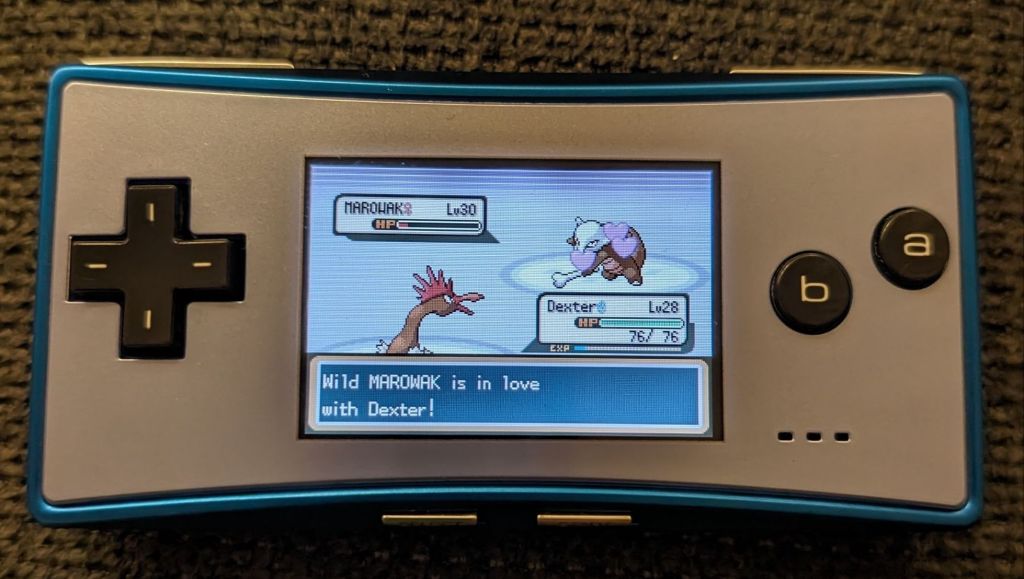
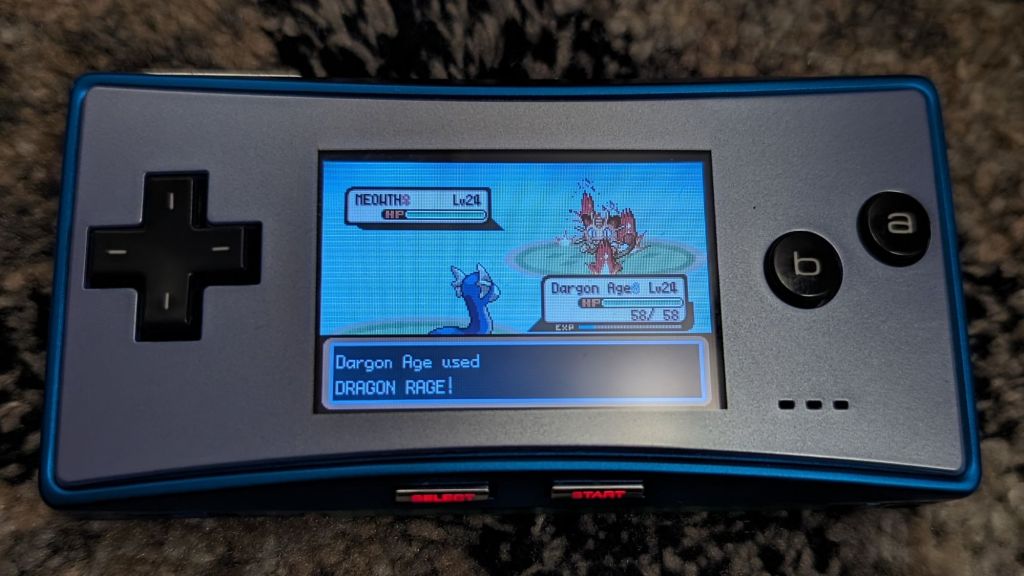
The solution? I eventually trained up the first Dragonite I have ever used within the main story of a Pokemon game. I’ve been a fan of the graceful Dragonair ever since I was a kid, but the combination of its jarring aesthetic change and the exceptionally grindy requirements to even get the final evolution always put me off keeping it around. However, not only can a fully-evolved Dragonite use Fly, but thanks to the mechanics of physical/special attack properties prior to gen 4, it’s one of its strongest and most reliable moves. So I scoured Kanto for hidden Rare Candy pickups like never before and hoarded them, actually played the slot machines in the Game Corner for once instead of throwing money directly at the problem so I could get the earliest possible Dratini, then popped those candies at the last possible moment and deleted Fly from Fearow’s moveset to allow Drill Peck to shine. Profit.
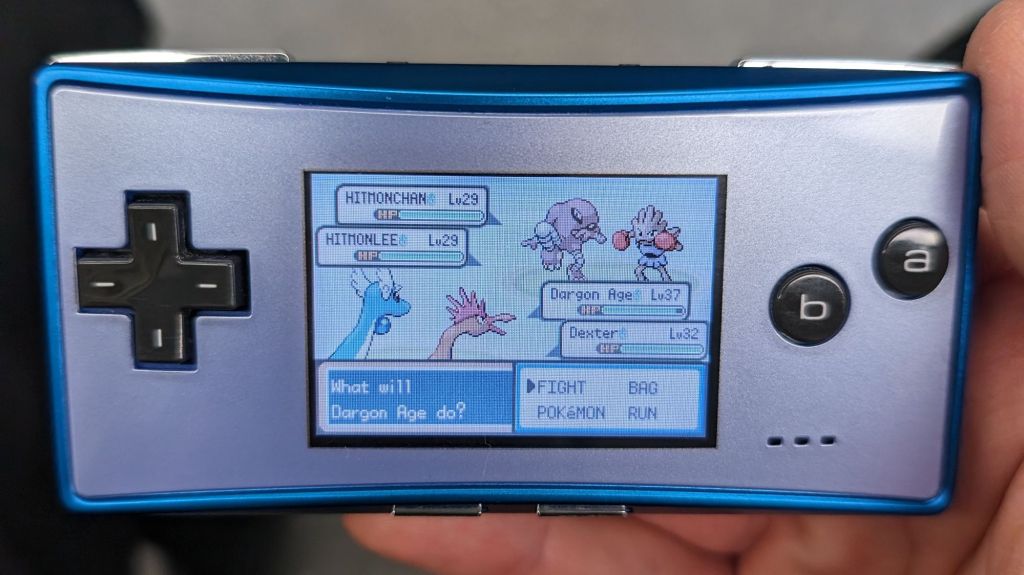
Putting aside a cameo from a Meowth (and eventual Persian) in an attempt to minimise the famous uselessness of Cut in battle, the remainder of the team was filled out by two old faithful picks and a kind of underwhelming newcomer. The latter was Ninetales, who I’d never really committed to properly use within a playthrough; I kept it as a Vulpix for long enough to learn Flamethrower relatively early on, but it turned out my team just didn’t need the Fire-type coverage enough for it to get the levels it needed to stay a strong contributor. Bug and Grass were usually handled easily by Fearow, Steel is basically non-existent in Leaf Green, and essentially all the relevant Ice-types in the game share a very problematic Water aspect. I really struggled in the Lorelai battle more than I’d care to admit.
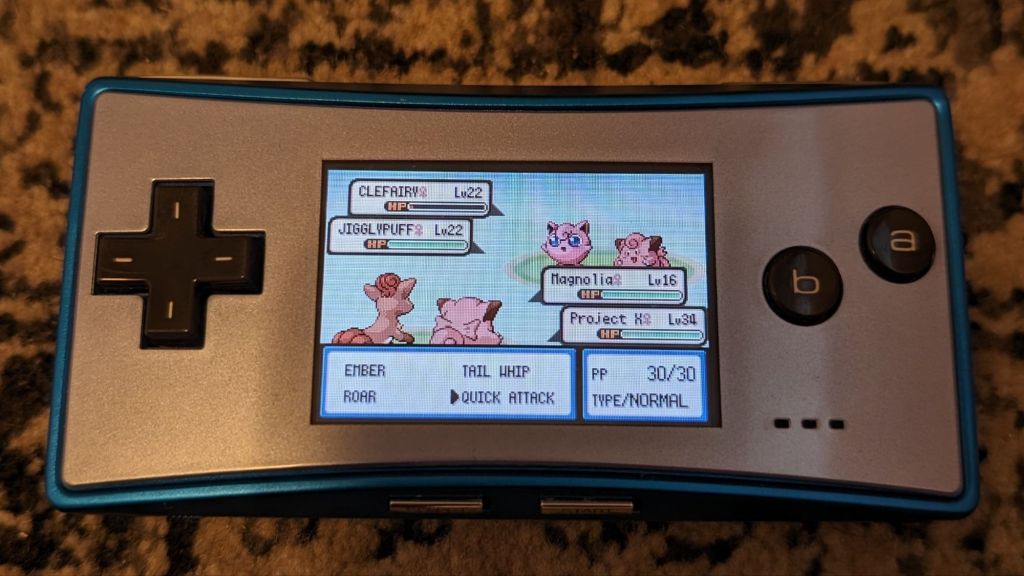
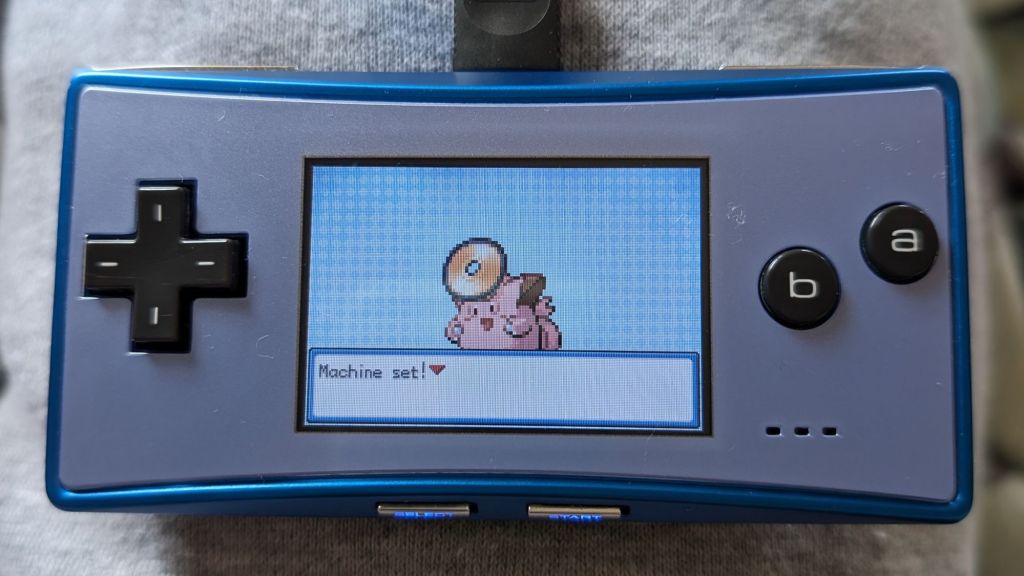
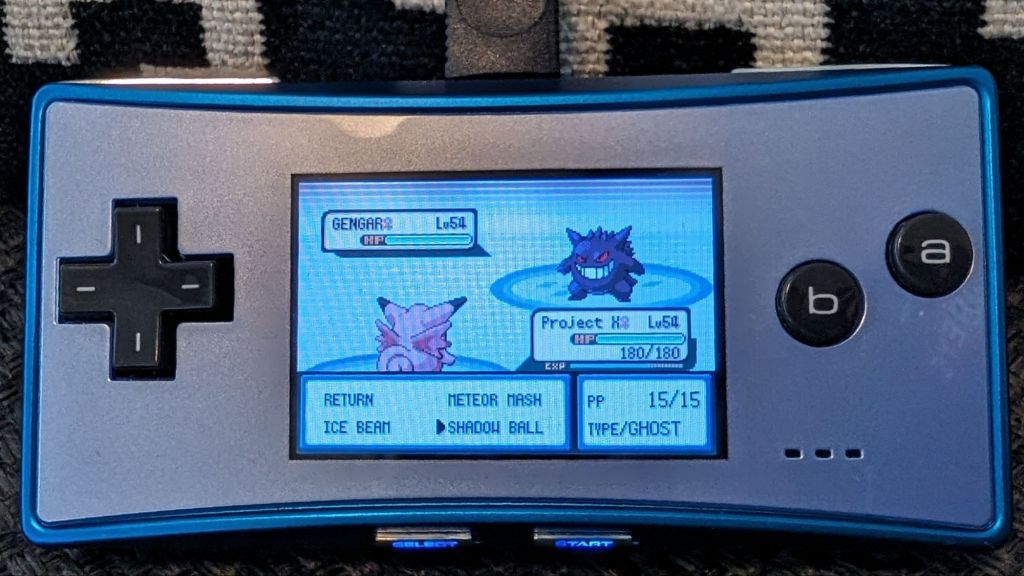
Water-types in general were kind of an issue for this team throughout the run, as neutral hits and the odd Blastoise tank switch-in were the best Plan B manoeuvres available to me. Plan A most of the time was a Clefairy I got lucky enough to catch in Mt Moon; I wasn’t banking on finding one by any means but I never turn down a Clefairy during a Kanto adventure whenever the low encounter rate smiles on me. They are just too versatile to pass up, able to fill a huge amount of team roles if needed, and this time that meant well-worn Water Pulse and Shock Wave TMs hitting weaknesses all over the place with a tidy power boost from the Rash nature along for the ride. This fix-all status coupled with Clefairy’s insane growth rate ensured it was essentially my highest-level team member for most of the playthrough, and once it acquired Meteor Mash and Return, evolved, and subbed out the prior two moves for stronger TMs following more intense in-game gambling, it well and truly cemented MVP status.

The final slot went to the female Nido line, because despite picking up a Nidoqueen almost without fail every time I replay Pokemon Yellow and grinding for one with real-world steps via the Pokewalker on Soul Silver launch day, it turns out I’d never had a Nidoran-F in a gen 3 game before. And perhaps there was a good reason for that, because it is comparatively much harder to find than in Yellow. It effectively has one spawn location outside Mt Moon, and I was legitimately walking around that grass patch for an hour trying to find one without an awful nature. It must be said that without the extremely useful early TMs of gen 1 or the crazy power spike of gen 5’s Sheer Force shenanigans, the Nidos sort of don’t stand out in any one area on paper, but the ‘queen was an absolute blessing whenever yet another Poison monster popped up to try and whittle down my team’s health through status. Packing immunity to the poison effect and able to hit back through Dig or Body Slam, she was laughing.
What I Miss & What I Don’t
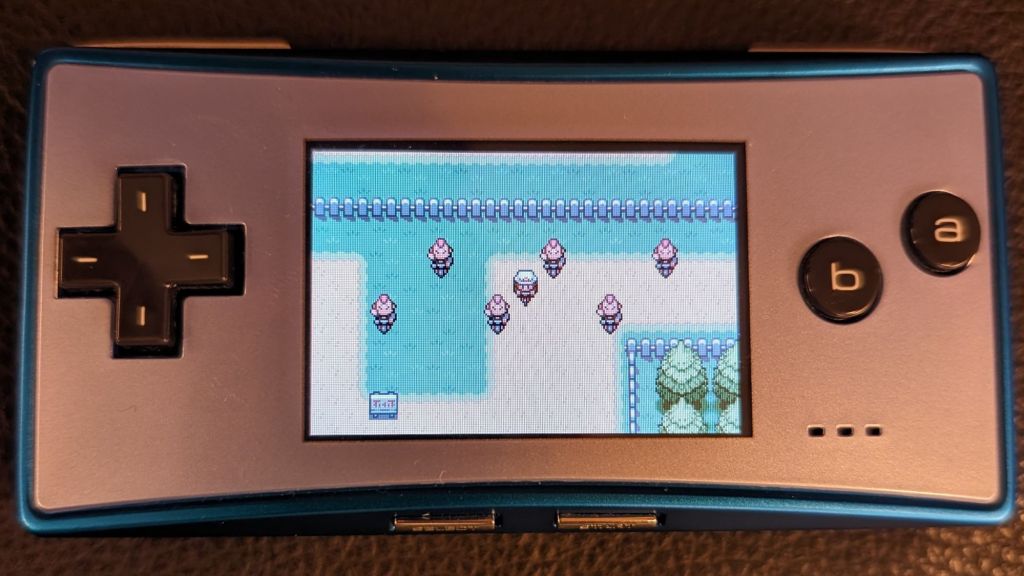
Whenever I start a playthrough of an old Pokemon game nowadays, there’s a mild tension between wanting to try out fresh, usually less-than-ideal team building options and not “wasting” the EXP gains from enemy trainers on Pokemon that inevitably can’t keep up with the difficulty curve and have to be dropped. So imagine my delight when I was reminded of Leaf Green‘s VS Seeker item, an amazing tool for re-battling opponents and re-directing some of that EXP. The animation that plays when a trainer is up for a rematch is adorable, and occasionally a foe will even bring a massively power-leveled team for your second fight. I really wish it stayed in all subsequent Pokemon games.
I also miss the general availability of early-game Normal-type moves that can be learned by a massive number of Pokemon. Whether by TM in gen 1 or tutor in gen 3, Mega Punch and Mega Kick give fun early power boosts to creatures with otherwise lacking movesets, and increase the appeal of using otherwise kinda boring Normal-types in your team thanks to the Same Type Attack Bonus mechanic (for this run I had them on Clefairy and Wartortle respectively). With its almost universal distribution, gen 3’s Secret Power is even nicer as a free usability upgrade because its secondary effect can swing a poor matchup – see also gen 2’s version of Headbutt. And then there’s Return, a completely overpowered Normal-type move that was understandably removed from the mainline games years ago, but it’s just so much fun to use in Leaf Green with that ludicrously long and brutal animation.

It’s always a predictable asterisk when you play one of the pre-gen 4 games, but that lack of a physical/special split is still a real bummer for a lot of Pokemon. It’s famously awful for the likes of Gengar, but oh boy, picking a gen 3 game to put a Dragonite on my story team for the first time was not ideal for the min-maxer in me. The Dragon type still counts as ‘special’ and the drawback-ridden Outrage only has 90 base power, so the best Dragon-type STAB option is Dragon Claw coming off an only-decent 100 special attack stat. In comparison that monstrous 134 physical attack is used for Fly and not much else. Luckily Clefable can hit hard from both sides of the spectrum.
I do also miss the simple gym designs and semi-tricky level gates of Kanto that keep you on your toes, especially early on in the adventure and right at the end. Shock me; the guy who’s been playing Pokemon for 25 years enjoys a challenge now and then. It’s still super odd that the ability to bypass the “switch Pokemon” prompt via the Set option has been removed in the newest games, cause that was always a simple way to up the difficulty by 10% or so. My nostalgia for the old-school grind, however, has almost completely evaporated, and I have to say it: the permanent EXP share mechanic in modern Pokemon has spoiled me on that front. Again, thank you VS Seeker.
That’s all stuff I was expecting from a gen 1 remake in a gen 3 system. I was not, however, quite as ready for the “new” stuff the game throws in near the end of the experience; apparently my memories had holes in them. I remembered that Leaf Green added in a new set of seven postgame islands with second generation Pokemon catchable in the wild, and my overall memories of that fresh section were overall quite positive. After all, in the context of 2004, the gen 3 games Pokemon Ruby / Sapphire had made large sections of the first two generations’ Pokedexes completely unobtainable in a move unprecedented for the time, and the idea of these cute little bits of land sprinkling the second-gen mons back in- calling to mind the Orange Islands from the anime in the process – was always super appealing to me.
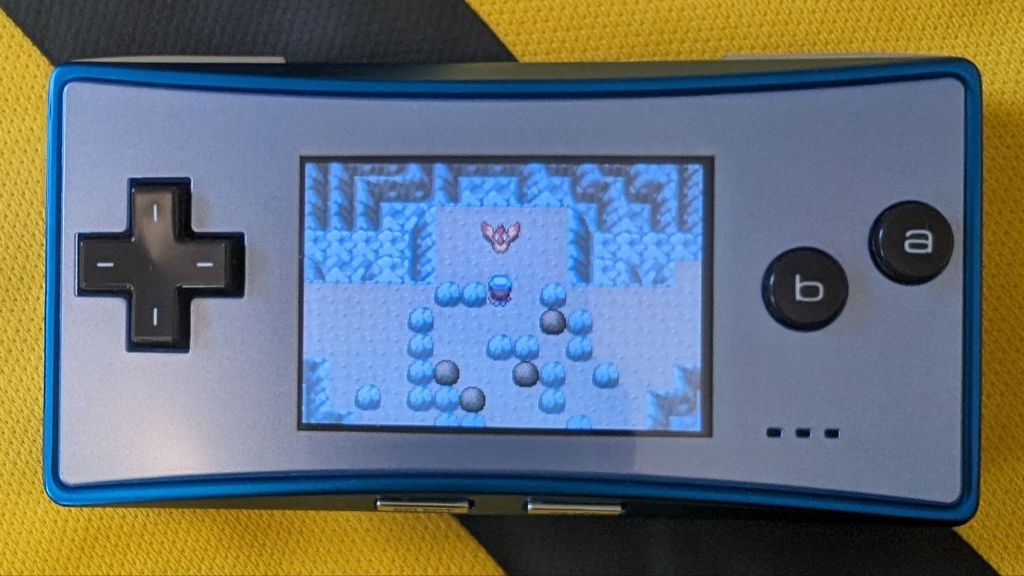
However, the actual introduction to this mini-region happens right after the seventh gym, and that triple-island section is kind of dull. The neatest part about it is the ability to catch Moltres a good deal earlier – and in a much more fitting location – than in the original games, but that is the only optional piece of rewarding exploration within a linear stretch of gameplay that is otherwise representative of the worst of old-school Pokemon quest design, and doesn’t even do anything cool with the wild Pokemon spawns.
– – –
That’s just about a wrap on my thoughts on this delightful replay of Pokemon Leaf Green on the even more delightful Game Boy Micro. As the mainline Pokemon franchise appears to take its first real off-year in a decade amid speculation on the next portable-leaning Nintendo console, it felt like a strangely fitting treat.

 Vagrant Rant