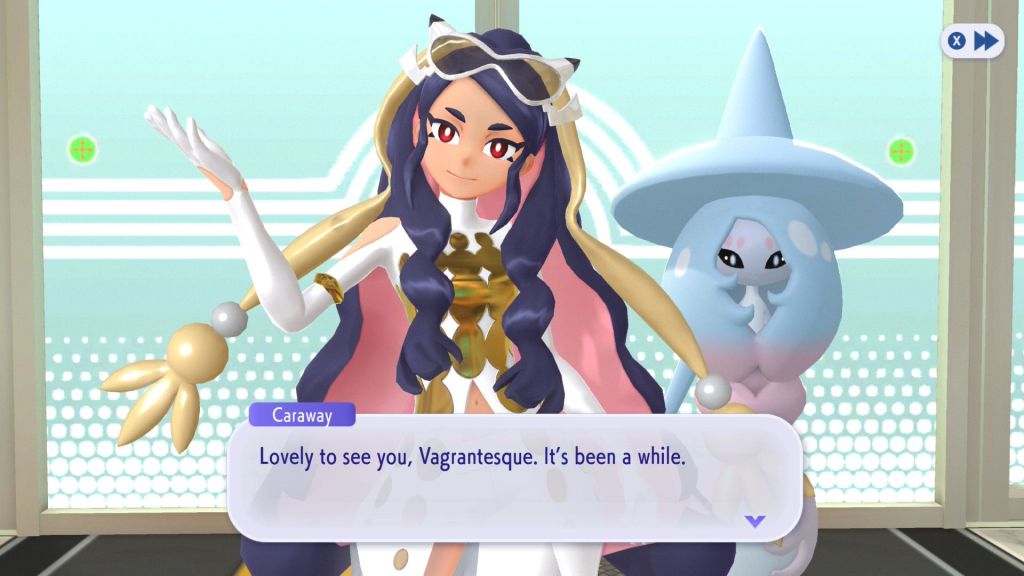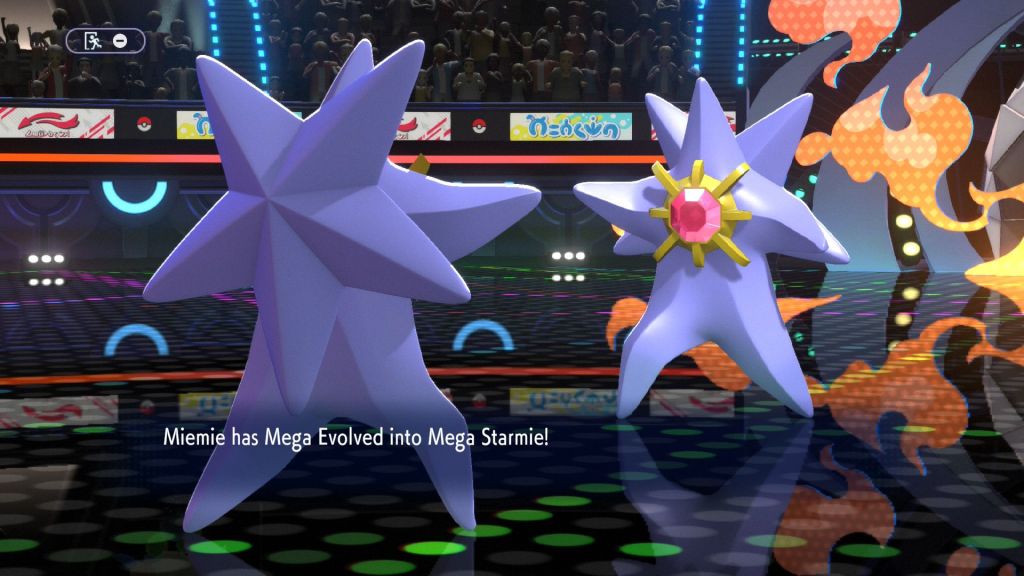
As I put down the controller and sit down to write this opening paragraph, I’ve just reached the Master Ball Tier on the Regulation M-A ladder in Pokémon Champions, Game Freak’s new free-to-play dedicated competitive Pokémon battling game. Forty hours of playtime have elapsed in just over a week since the game’s April 8th launch, more than I’ve spent on the rest of the year’s brand-new releases combined (and at the time of publication, that number has shot well past 70). Those dense hours have reintroduced me to an emotional rollercoaster I have not ridden since 2016, when I experienced the fateful launch of Overwatch and then was successfully convinced to play League of Legends for six months.
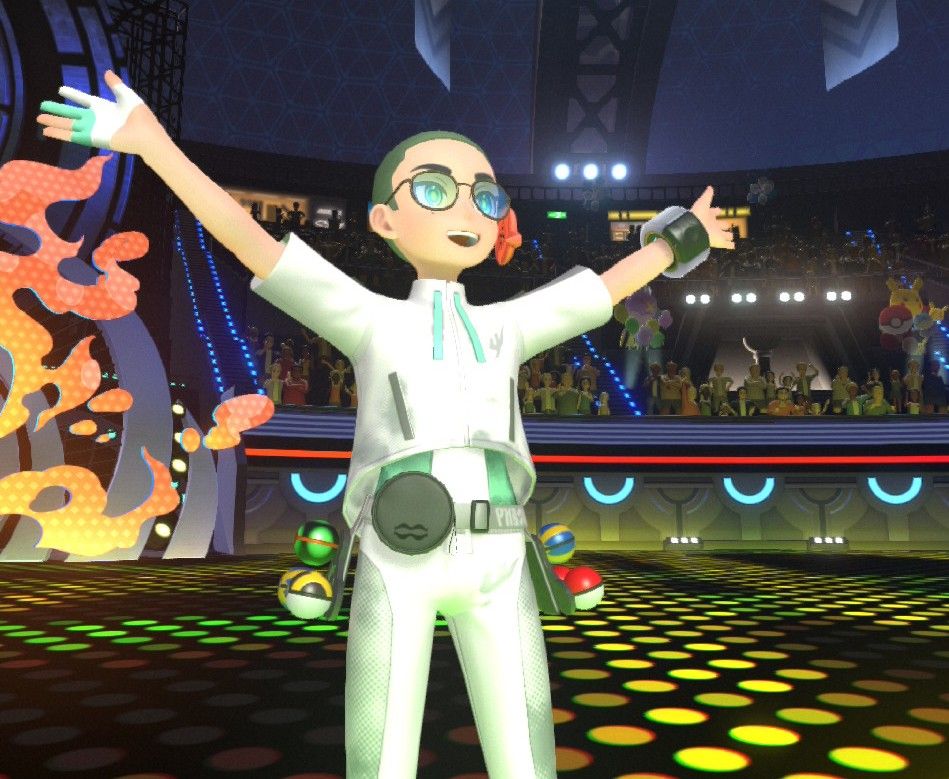
When you really try to get good at a competitive pursuit, you dig things up inside yourself; you learn a fair bit about the bounds of your patience, your tolerance for tilt. Sometimes you are so frustrated at yourself the only sane play is to stop playing. But sleep on it – even just take a break for some work or a snack – and suddenly you have the greatest idea ever, ready to try against the ever-evolving monolith of faceless online opponents that make up the metagame. It’s currently rather difficult to stay away from the considerable gravity of Pokémon Champions – especially because the list of mental skills it demands does not include fast-twitch reflexes.
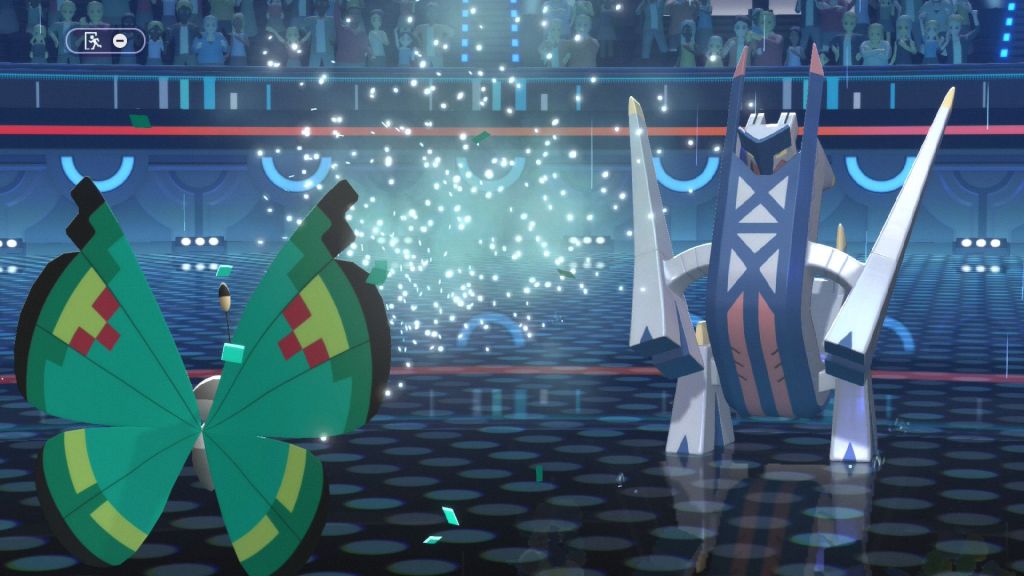
But this present compulsion has not simply arisen out of nowhere for me: extremely far from it. In fact in many ways, Champions is the culmination of at least fifteen years worth of personal interest in the proper competitive side of the main series Pokémon videogames, and it feels truly surreal to experience such a gigantic – if hardly perfect – payoff.
The Esport Within

The well-documented key to Pokémon’s success as the biggest media franchise in the world is its one-of-a-kind universality: this very 30th anniversary year, barely a third over, has painted a perfect picture of that power. As the Trading Card Game rides the surprisingly bountiful crest of its biggest wave in history, cosy dream-building game Pokémon Pokopia has recently and rather loudly added itself to the growing list of Nintendo Switch 2 critical / commercial darlings mere weeks after a bald-faced nostalgia push landed the 20-year old Fire Red and Leaf Green on the Switch top sellers list (but I would know absolutely nothing about that). All this while the animated TV spin-offs and exclusive merchandising collaborations continue to proliferate across every major brand imaginable, and mobile sensation Pokémon GO somehow approaches its tenth anniversary.
No matter if you’re in it for the plushes, the fancy threads, the short animated stories, the shiny cardboard, the real-world step-grinding, the button-mashing pixelated playthroughs, or the adorable post-apocalyptic friendship fables, Pokémon can kind of be whatever you want it to be. And to me, it is primarily (though by no means exclusively) a source of thrilling tactical multiplayer.

I am old enough that my Pokémon fandom started more or less on the ground level, where Game Boy link cables were a common school playground sight. For me and my friends, catching Mewtwo in Red, Blue or Yellow version was not the end of the Pokémon experience – merely a dramatic precursor to the experience of using it against a human rival. PvP was always a core part of the Pokémon videogame experience as far as I was concerned, and once Gen III arrived to a world where my siblings were old enough to play alongside me, battling became a core component of the Day 1 new-release vibe as well.
But it wasn’t until Pokémon’s fifth generation – the first of my adult life – that I really began to unlock the competitive depths of the main series titles. Thanks to the popularity of unofficial online battle simulator Pokémon Showdown and a group of friends who all became interested in competitive play around the same time, I put a combined 1000 hours into 2011/12’s Pokémon White and White 2. Those days were spent embroiled in plentiful Serebii.net browser tabs, uncountable casual battles, and the odd friendly tournament. Together we learned competitive concepts like speed tiers, defensive pivoting, checks and hard counters, sweepers, leads, and wall-breakers.
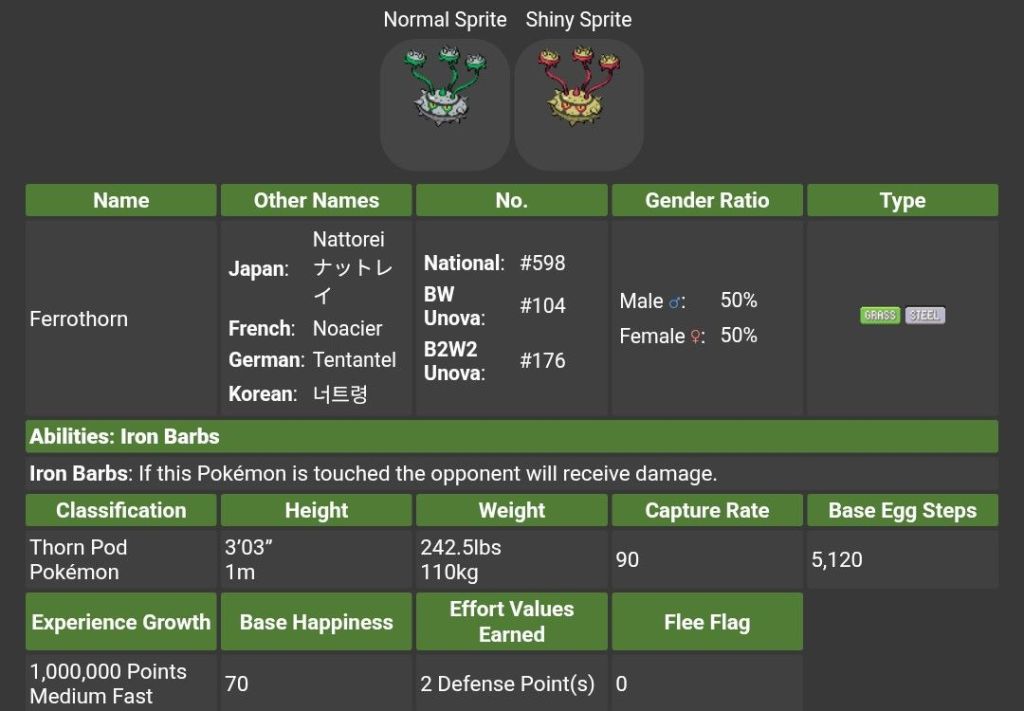
Most of those hours were spent investing in the potential of a fun battle, mind you: I cannot adequately describe the paradoxical emotional equilibrium of watching a TV show, video podcast or sporting event while keeping one eye on the mindless egg-hatching adventures unfolding on your tiny DS screen, comforted in the hope that all the time and effort will be worth it when your max-defense Tentacruel survives a Darmanitan Flare Blitz on 1 HP and KOs back with a STAB-boosted Scald under pouring digital rain. I may look back on that period of sweet surrender fondly, but even back then we had to acknowledge how difficult it was to attract new players to our little group – the time investment was frankly ridiculous.
All that said, our battles were predominantly played out in the so-called “6v6 Singles” metagame, a traditional and intuitive way of playing Pokémon that has nonetheless faced serious balance issues that Game Freak and The Pokémon Company have rarely shown interest in addressing. For as long as I’ve been aware, the de facto arbiter of 6v6 balance has been the fan community known as Smogon, and the Pokémon powers-that-be just do not seem to care.
You see, 6v6 Singles games have the potential to last for dozens if not hundreds of turns, especially at the highest level, and that isn’t exactly a viewer-friendly state of affairs. So since 2009 the official Pokémon competitive format, supported and balanced under the title “VGC” (Video Game Championships, named so as not to be confused with the Trading Card events), is 4v4 Doubles. And every new generation, it has become steadily more popular.
Champ Difference
For much of my life the concept of attending a real-life Pokémon tournament felt a million miles away, so I did not treat the Doubles format all that seriously, and for a long time most online battling resources suggested I wasn’t alone. What’s more, as a full-time working adult with a wide taste for movies, videogames, and sport, suffice to say my thousand-hour days were behind me. Not to mention I was only training my Pokémon up to a somewhat casual standard; a truly Regional-level team would’ve taken an entire new level of commitment. But something changed at the very end of 2019. Following Gen 7’s downright pathetic attitude to competitive Pokémon prep, Pokémon Sword and Shield made a clear corrective step towards streamlining the process.
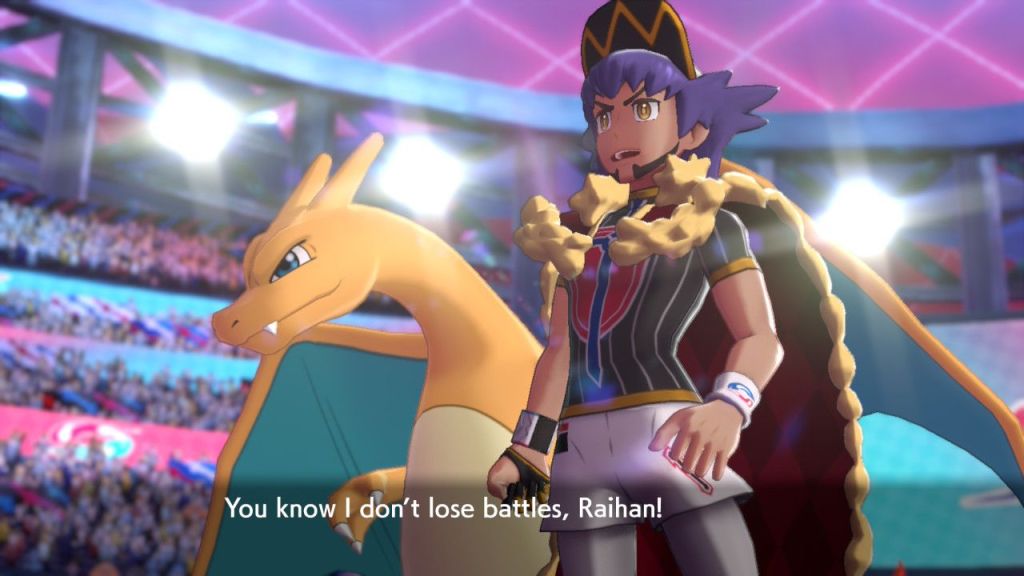
So much unnecessary busywork was cut out; the games felt as flexible and accessible as the console they debuted on. Add in the something-for-everyone Dynamax mechanic and the tournament-focused central plot, and I felt like it was finally time to follow the scene for real. I searched up a couple of podcasts and began to dip my toes into what felt like an entirely new game with entirely new rules; every match seemed to move at triple-speed in the eyes of a 6v6 veteran like me, and though much of what I had learned was transferrable, just one poor turn evidently had the power to turn a match into a one-sided washout. But it was enthralling; in my resolute new enthusiasm I even watched the Oceania Internationals tournament held in Melbourne live… in February of 2020. You can probably guess where my interest went after that.
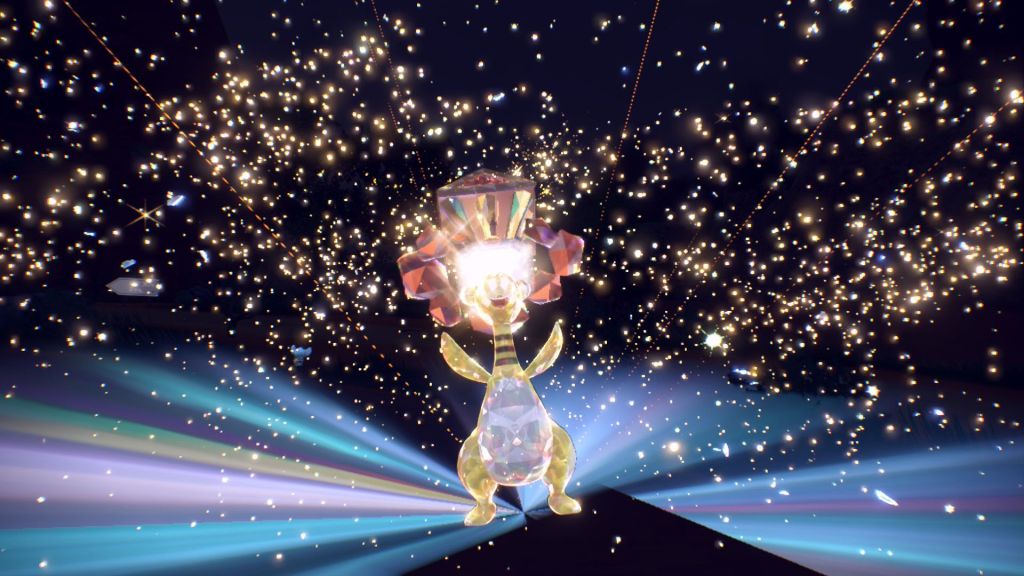
Fast forward two and a half years (didn’t we all), and yet another massive step forward in accessibility arrived in the form of Pokémon Scarlet and Violet. An absolute mess of a technical launch carried a narrow silver lining for the competitively-minded: the game’s awful performance mercifully only affected the exploratory core gameplay loop. Not only did battles run fine, but the ninth generation’s new type-changing signature mechanic was widely regarded as the most well-balanced (for VGC) in series history.
Even more crucially, all but one of the competitive Pokémon preparation steps could now essentially be skipped, and assuming you picked up enough materials in the main story, the time required to achieve a tournament-ready team was infinitesimally shorter – even more so once the DLC had completed its run. For the first time in a decade, my friends and I reunited for a couple of tournaments, and over the last four years my in-game Scarlet clock has pushed 300 hours.
Gen 9 was poised to make the most significant leap forward yet for competitive Pokémon’s popularity and legitimacy as an esport. But the most potent ingredient in this metaphorical powder keg was something no game developer or publisher could control: one charismatic, gifted former World Champion and his network of talented friends.
If you’ve read this far into the article, you probably know who WolfeyVGC is; in fact you’ve probably watched one or two of his incredibly well-produced videos dedicated to spinning enthralling tales about tournament conquests. But just in case you haven’t, the guy has well over 2 million subscribers who appreciate his inimitable blend of awkward excitable charm, genuine insight, and unmatched dedication to both conquering and promoting the world of Pokémon tournaments. Here’s one of my absolute favourite videos of his; it takes roughly one business day to finish (don’t worry, most of his work is much shorter), but if you do make it through and don’t feel something by the end, VGC may not be for you:
New Frontier
Such is the environment in which Pokémon Champions has now been unleashed. In many ways the dream game I genuinely thought would never exist in anywhere near an official capacity, the necessary trimmings of free-to-play monetisation have thus far been dwarfed by the fact you can now simply change the stats of any Pokémon you have acquired for roughly the in-game resource cost of winning one ranked match. EVs? They’re now simplified to “invested stats”. IVs? Literally don’t exist anymore. Hidden abilities? Now just as easy to change as regular ones. Eggs? Never heard of ’em.
Worried about winning your first match with a weak team? The game gives you a full squad of six competently-trained Pokémon balanced around your first pick (apparently Pikachu gives you the closest thing to a meta-relevant team, because of course it does), showers you with VP (“Victory Points”) for completing the rapid-fire mechanical tutorials, then matches you against a weak bot after every loss in the early tiers to ensure you are always earning enough VP to engage with the gacha-esque recruitment system and the instant-training suite. After half an hour you essentially have enough virtual currency to fill out an entire second team with free picks, and shockingly detailed worldwide usage data for every Pokémon is available at all times. There is simply no substitute for match experience in VGC, but the on-boarding in Champions could easily have been much worse.
From the moment the game was announced over a year ago we knew it would be a mobile title, and there is admittedly a distinct feeling that the Switch launch is a bit of a dress rehearsal for the upcoming as-yet-undated smartphone push; a laundry list of game logic bugs has already been addressed since that rather amusing slate of day-one social media clips. It was also a bit of a disappointment to find that the game runs at 30 FPS on both Switch and Switch 2, though the latter does at least use a higher resolution, and as this is an inherently turn-based experience I honestly forgot about the issue after an hour.
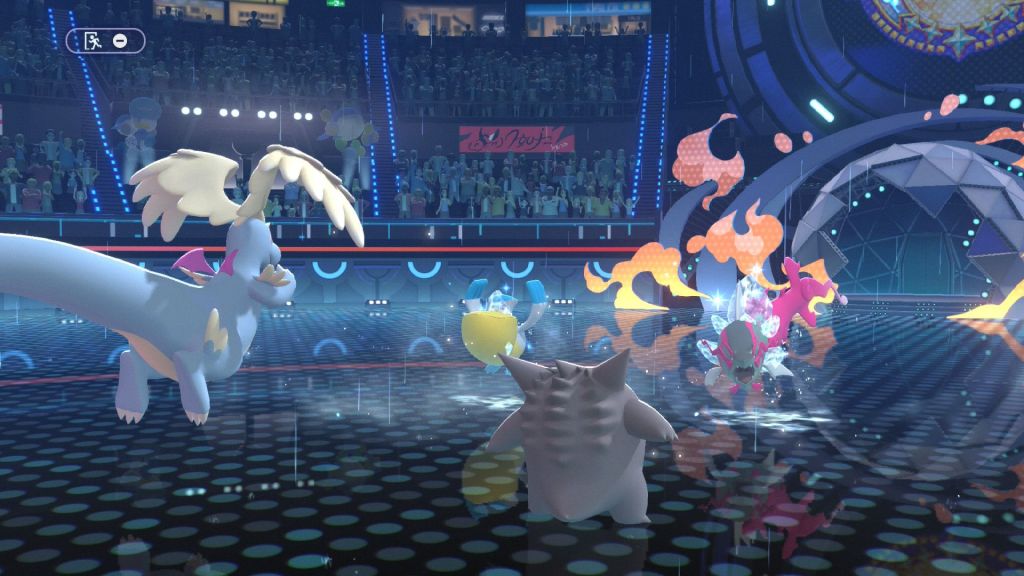
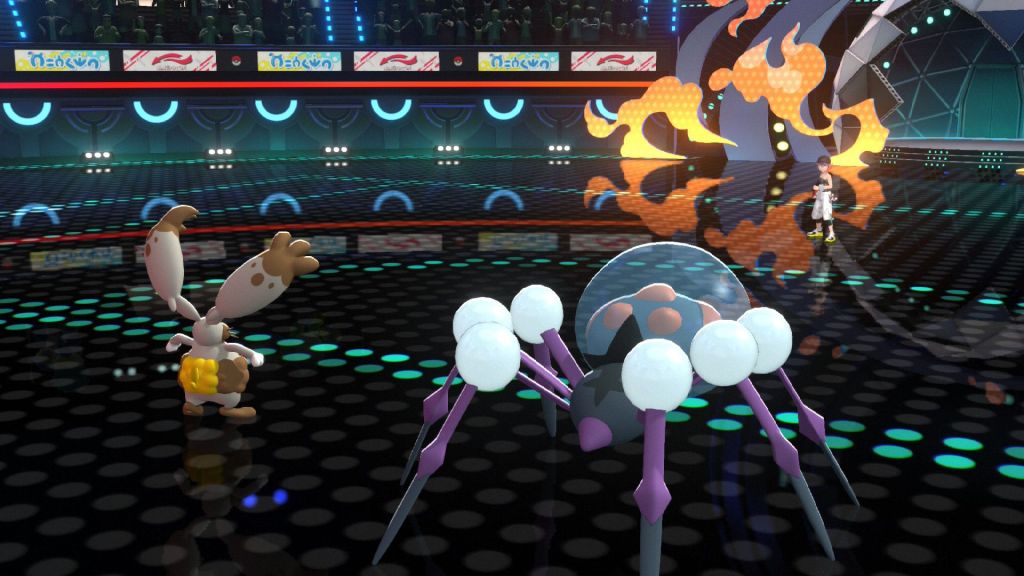
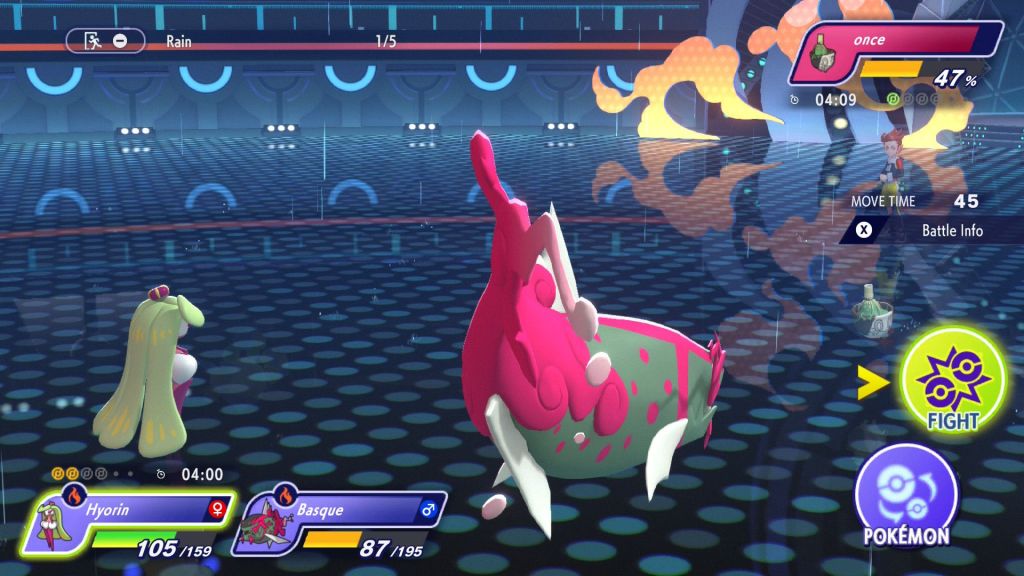
Champions battles do look miles better than those in Scarlet/Violet, mostly due to accurate shadows and actual reflections in the floor of the fancy new default arena, some funky fresh camera angles, and a set of cinematic move animations that often call back to the glory days of the Stadium and Colosseum series with some surprising visual and audio cues. When I’m not crashing out over a misplay that always seems obvious in hindsight, I have often found myself smiling at the likes of that classic camera-pan Thunder aesthetic or the hint of old-school bleeps in the screen-filling Hyper Beam sound mix.
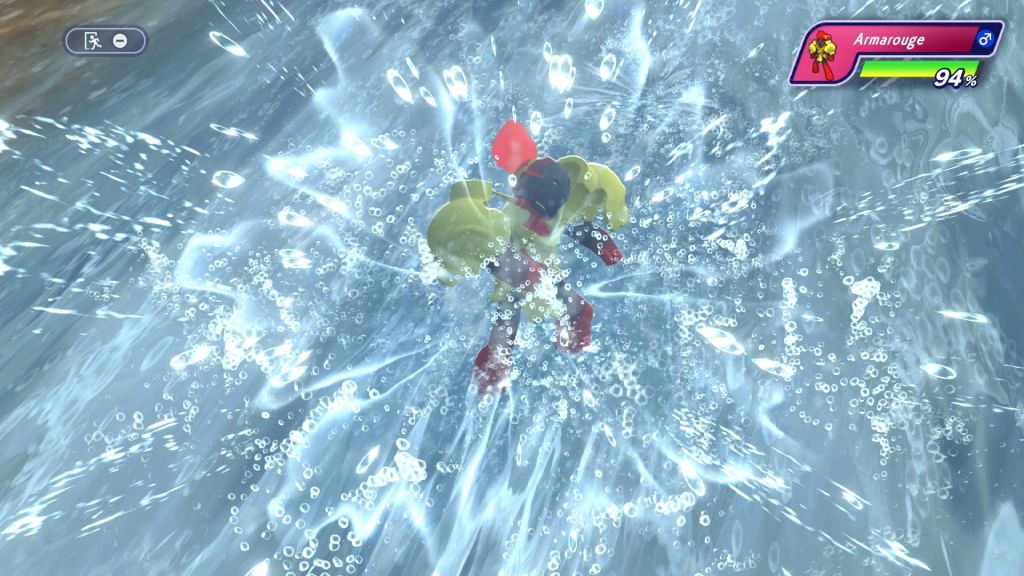
Essentially every move effect and important in-battle message displays quicker and more efficiently than in any previous generation of main-series Pokémon title. HP percentage values make 2-hit knockout scenarios a breeze to calculate on the fly. Time-honoured type effectiveness relationships have two new messages for 4x weaknesses and resistances, and there is no longer ever a need to consult a type chart once a battle begins. The ranked arena even dynamically changes up its light show based on the current weather effect – which is great, because weather effects are everywhere on the ranked ladder right now. Forfeits are also now possible at any point, minimising wasted time on lost causes.
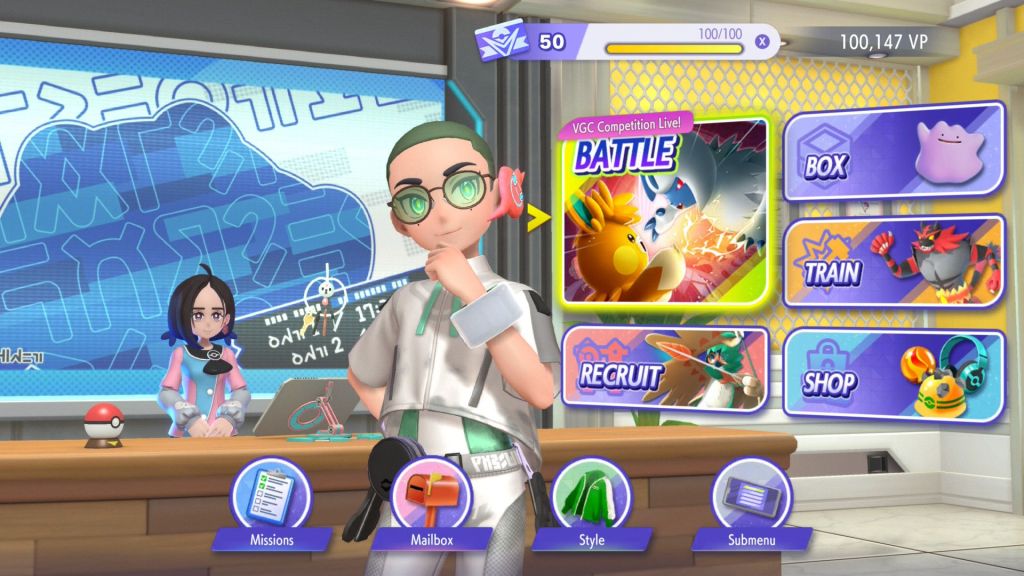
Private battles work without a hitch in my experience, and the included spectator mode is as robust as I’ve seen anywhere. The most exorbitant VP price tags are reserved for a range of avatar cosmetics, the breadth of which is surprisingly vast for such a soft-ish launch. Daily / weekly VP missions are straightforward, the light story touch is charming even though virtually no-one expected its inclusion, and aside from the $10 AUD “starter pack” full of resources I still have not exhausted, I am yet to find a single other thing worth spending money on – and I always spend on free-to-play games if they hold my interest. I utterly despise didactic dollar-to-hour videogame value arguments, but in cold hard factual ratio terms Pokémon Champions may just be the cheapest game I’ve ever played for more than a few hours.
But that’s not really true, is it? After all, this title wasn’t exactly designed to exist in a vacuum…
Un-Wasted Time
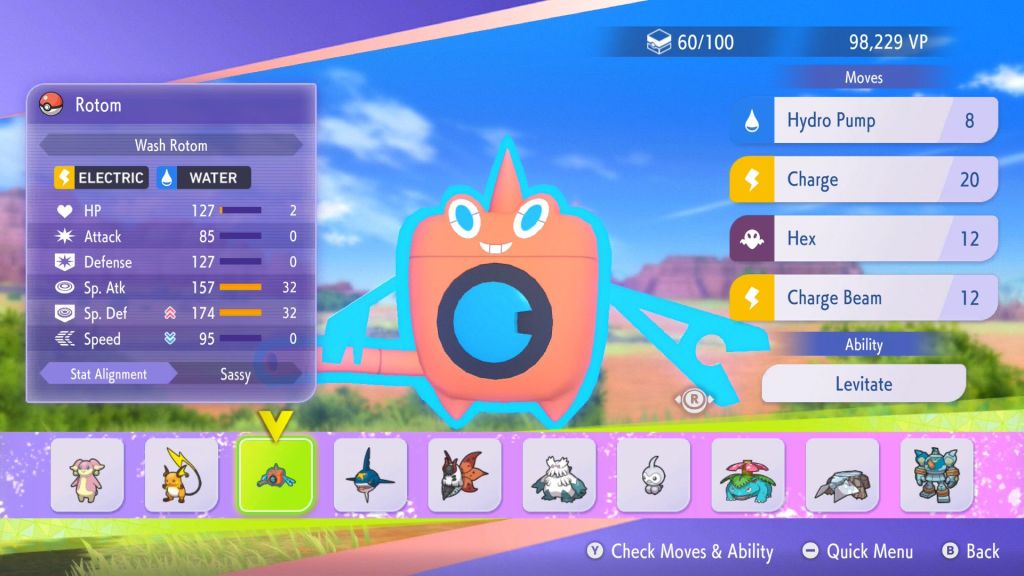
How often can you genuinely say that a new game retroactively makes all the time you spent in a bunch of older games worth more to you? I can’t think of too many examples, I’ll be honest. But that’s exactly the unexpected vibe I get while playing Pokémon Champions. In a strange move for an ostensibly free-to-play game, you are able to bypass the random pull system and bring in any ‘mon on the current season’s roster via Pokémon Home, the cross-platform cloud storage app introduced all the way back at the beginning of 2020, for zero in-game VP cost (and, if you’re okay with only 30 virtual box spaces, no real-world cost either). Because for a brief time Home could also link with prior series storage solution Pokémon Bank, long-time players effectively have access to around 15 years of past favourites.
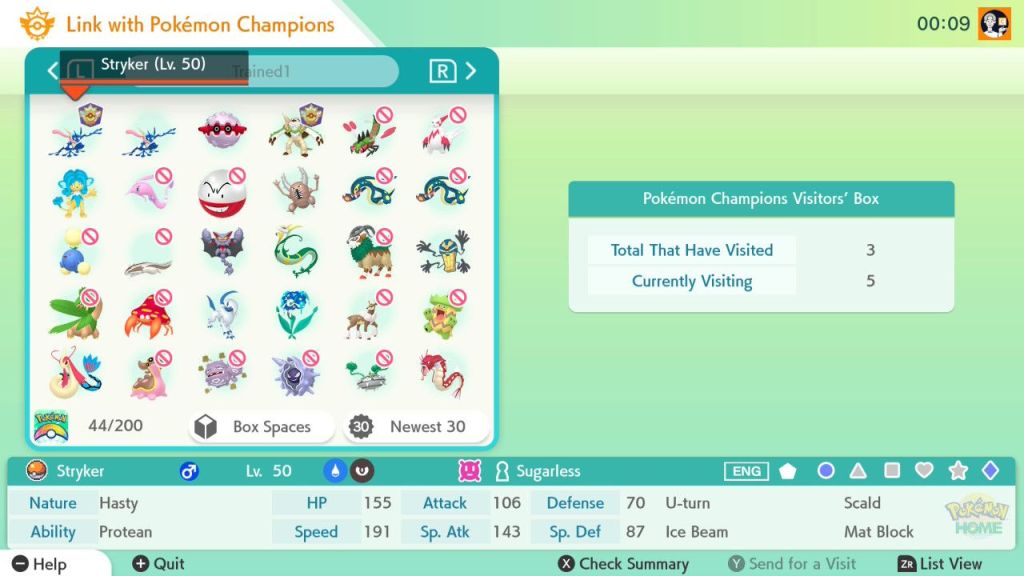
Despite that nominal battle focus, the folks at The Pokémon Company know exactly where their bread is buttered: not only does any imported Pokémon keep every trained stat, ability, and (season-legal) move it had in its game of origin, but it also keeps its nickname, any titles it has earned or was found bearing, its shiny status, the exact ball in which it was caught – no matter how rare – and even its physical size differential. That’s right, Alphas from the Pokémon Legends games literally tower over their free-to-play counterparts on the ranked ladder.
Home even places a virtual bookmark of sorts on the Pokémon’s box spot, ensuring when it returns from Champions – where its competitive parameters can be freely edited – it will be as if nothing ever changed. Considering how vastly different the Legends battle systems are from the classic turn-based competitive one (not to mention from each other), this rather elegantly keeps everything squared off, and opens the door for future titles to go equally crazy. Oh Winds and Waves, the potential you hold!
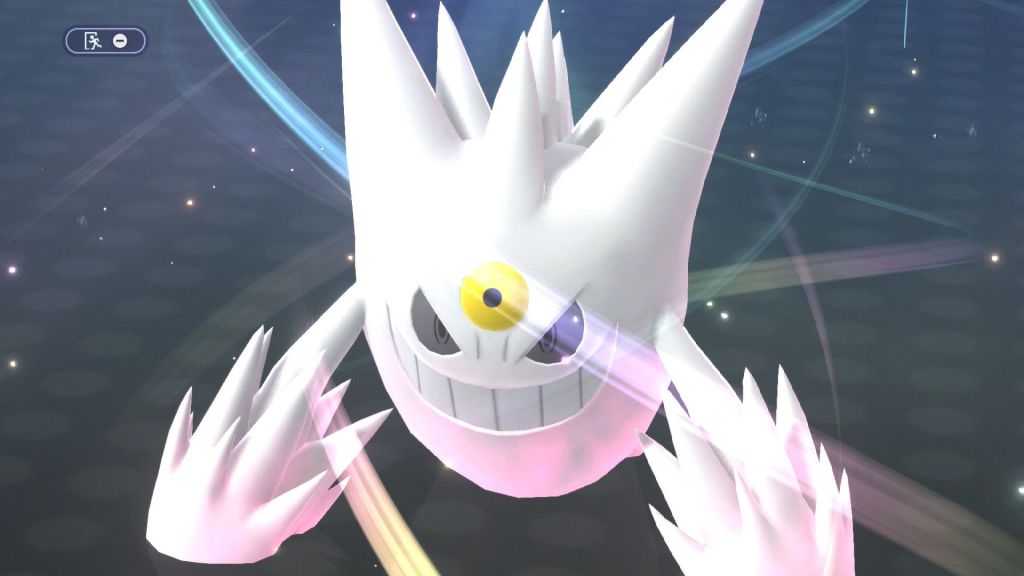
On a personal note, this surprisingly detailed dedication to Pokémon preservation granted me new eyes with which to look upon my boxes and boxes of virtual memories. My favourite double-punch Toxicroak, fully set up to wreak havoc inside a rain team in 2012? No reason not to give it a spin on the (under-baked) 3v3 Singles ladder in Champions. The full-odds shiny Whimsicott I found in a raid den in Pokémon Sword in late 2019? One of the metagame’s top threats – over it goes. That limited-edition shiny Gengar I received from a physical retail giveaway in 2014, complete with extremely rare title? I’ve never had an actual reason to use it before, but a once-per-battle online flex when the Pokémon itself happens to be one of the best under the current ruleset? Sign me right up.
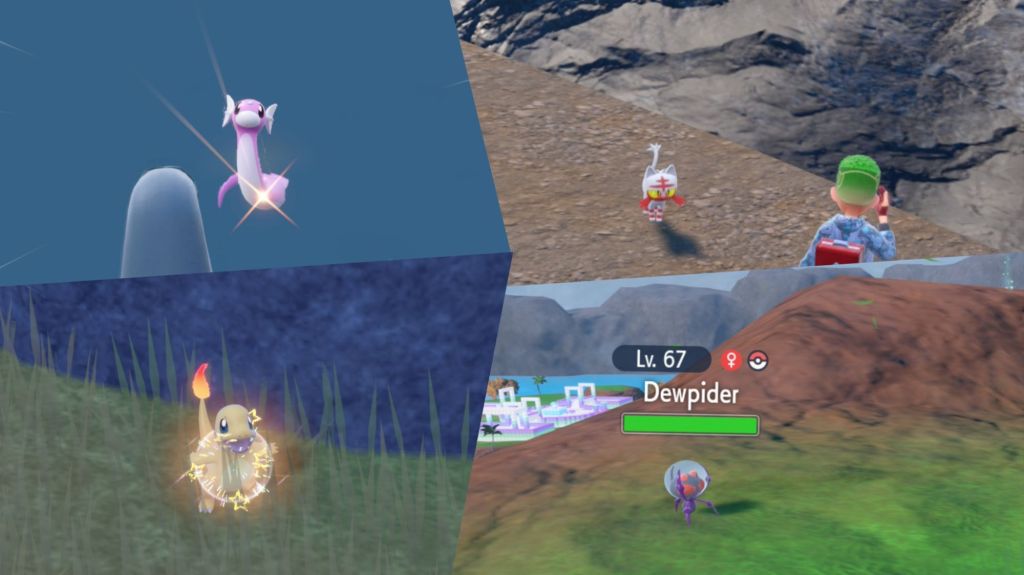
Hey, while I’m at it, I’ve never really had any interest in deliberately shiny-hunting Pokémon before, but I had about 50 of those Herba Mystica things from doing all the monthly Scarlet raids throughout 2023; it turns out finding a shiny version of a ‘mon you like is piss-easy using those herbs in the ninth gen Pokémon games – especially with the higher spawn counts on Switch 2 – and in my first week of Champions I added a handful of relevant shinies in under two hours of game-hopping, total. All because I picked up the habit of completing regular online Pokémon challenges way back in the lockdown days that occasionally felt almost meaningless – now, years later, I’m suddenly grateful I spent that time on them. And I don’t even play Pokémon GO! If I did, the deluge of potential shiny access would have been positively overwhelming.
Even as recently as last year, I hinted on my annual Top 15 list that I enjoyed Pokémon Legends Z-A almost in spite of its battle system, which shook out a bit like a dull cooldown rush against big damage sponge bosses and only ever felt even vaguely strategic in the 4-player online arenas. But I still put in over 40 hours – including a slog through the even grindier, story-lite DLC expansion – because in the back of my mind I believed that those rad new Mega designs would be usable in a properly rewarding battle system soon enough. Now I have a stupidly powerful levitating Delphox to terrorise enemy Garchomps. As Captain Raymond Holt would say, vindication.
My Silly Team
Modern seasonal VGC rulesets, often referred to as “Regulations”, usually have a distinct set of Pokémon allowed and, by extension, disallowed. Traditionally, these pools of Pokémon had to be drawn from the available Pokédex within each generation, relegating certain creatures to mere in-game or casual battlers until a new regulation opened the door to a possible inclusion. Because Pokémon Champions has an extremely cursory story and no real gameplay outside of menu management, there was no need to launch the game with any Pokémon that weren’t intended to be played in Regulation M-A, the first of the Champions era (we assume the M stands for Mega).
As newcomer-friendly simplicity seems to be the name of the game here, Pikachu is the only Pokémon in the regulation usually capable of evolving; everyone else is at full power. There are 186 available combatants at the moment, not including regional forms or the 50-odd legal Megas. Outside of advanced Eviolite strategies you’d usually only see fully-evolved Pokémon in competitive arenas anyway, so this is pretty much equivalent to the playable metagame size of Scarlet/Violet at its launch. Except this particular group might just be even more exciting.
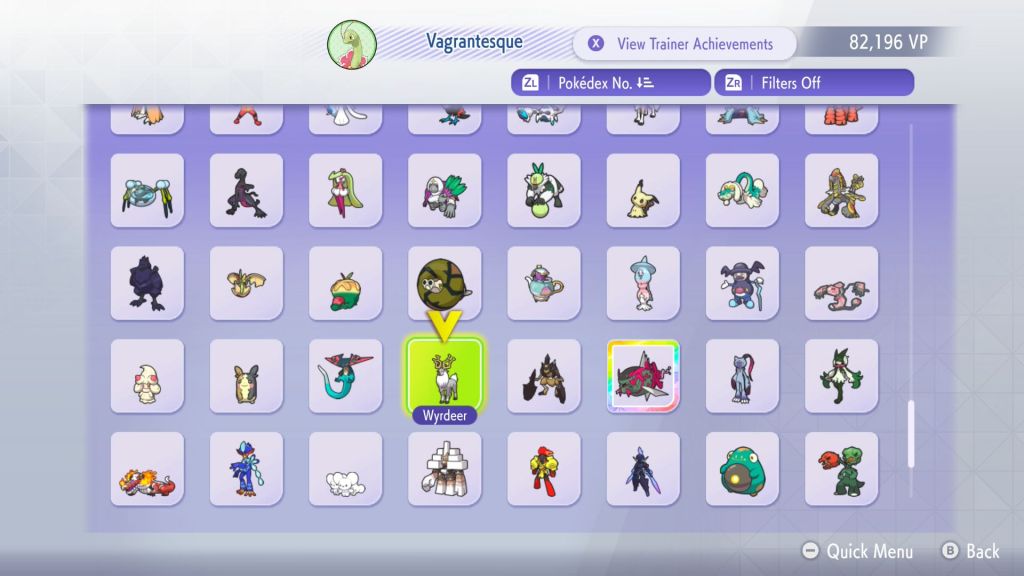
That’s because unlike Smogon fan formats, VGC doesn’t section off its Pokémon into usage tiers; if one threat runs rampant, the critters it outclasses are usually just simply out of luck. As with any PvP series that has lasted this long, the scourge of “power creep” is well and truly present. So paradoxically, the more Pokémon you include in a regulation, the more likely a set of powerful players with superior stats or movepools will dominate team lists, overly centralise the metagame around them, and make the whole affair stale.
Regulation M-A is so low-power compared to the last few years of competitive play, however, that even the top threats can be checked consistently enough to tank their usage stats; that has already happened to everyone’s least favourite wrestling cat, Incineroar. A few direct Pokémon and move nerfs were expected, but the real shock has been the temporary removal of many powerful held items traditionally used in VGC formats, which only widens the opportunity window for even more unexpected strategies. Most importantly, the lack of legendaries and busted former ladder-eaters means I was able to reach Master Ball rank with two Route 1 Kalos Pokémon.
This is more-or-less the team that got me there:
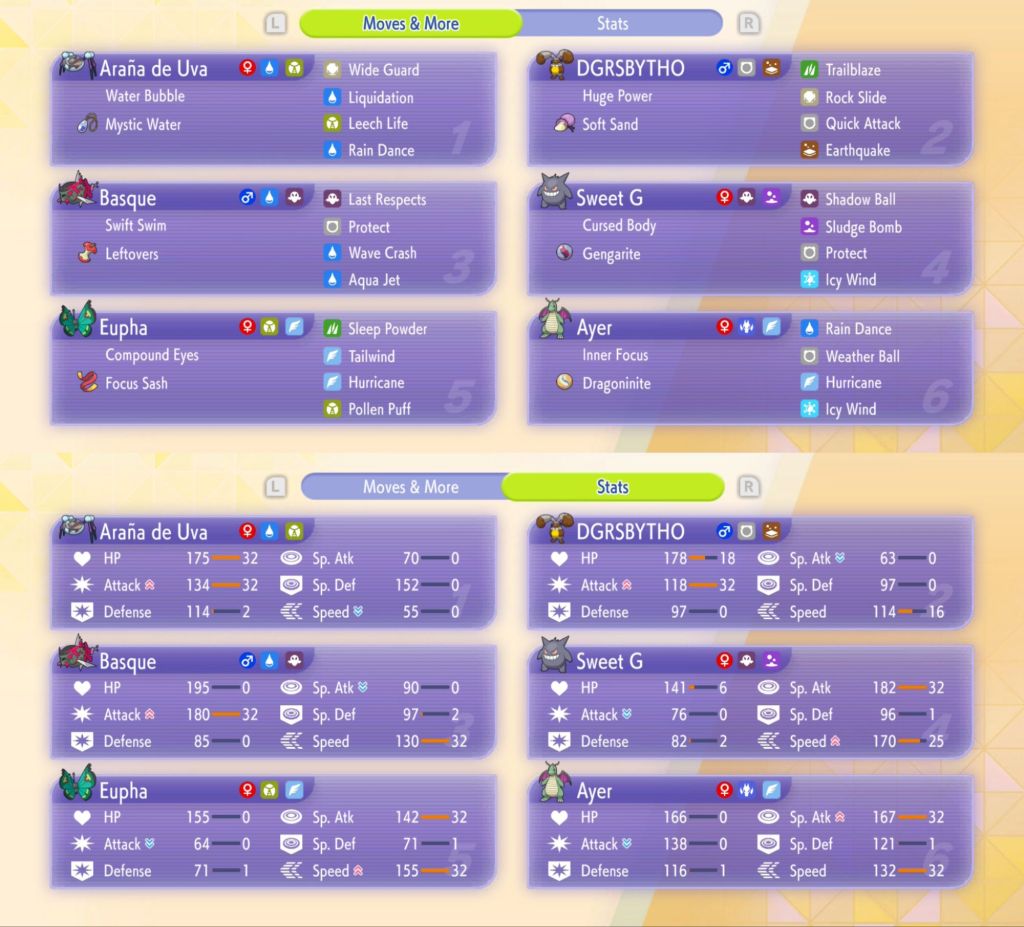
Now I could easily write an entirely separate article dedicated to the story of how this team came together, and all the lessons I had to learn about how best to play it. But to make sure I don’t do that, here are some bullet points:
- You pick 4 from your full 6 to bring to each game in VGC, so the main goal of this team (which has changed a tad since) was to encourage enemy teams to bring their automatic weather setters when they don’t see any in my preview window, then either shut them down with a surprise manual Rain Dance, or hit extra hard from turn one when a Pelipper or Politoed does the work for me;
- Only Gengar is meaningfully fast outside of rain, so two Icy Wind users, two priority wielders and one Tailwind setter make speed control a huge feature. I struggled against Trick Room setups for a while and experimented with the top team slot – including a Klefki with its own Trick Room for a while – but eventually settled on Araquanid once I learned that Wide Guard works on consecutive turns to stop Eruptions, Hyper Voices and Dazzling Gleams;
- Two powerful Mega options keep things flexible, especially since neither Gengar nor Dragonite are exactly weaklings before Mega Evolution (and don’t care about Fake Out either), but Basculegion is so strong in reserve that it can often clean up 2v1 match-ups with priority and Last Respects;
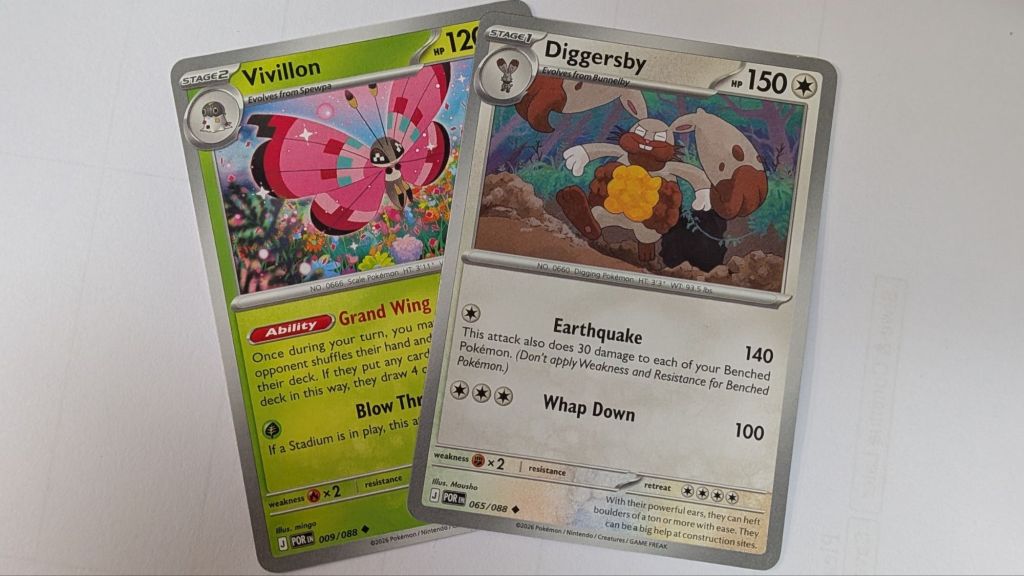
- That leaves the spiritual core of the team, Vivillon and Diggersby. On my way to Master Ball I saw exactly zero of the former and one (shiny) of the latter, but they put in serious work;
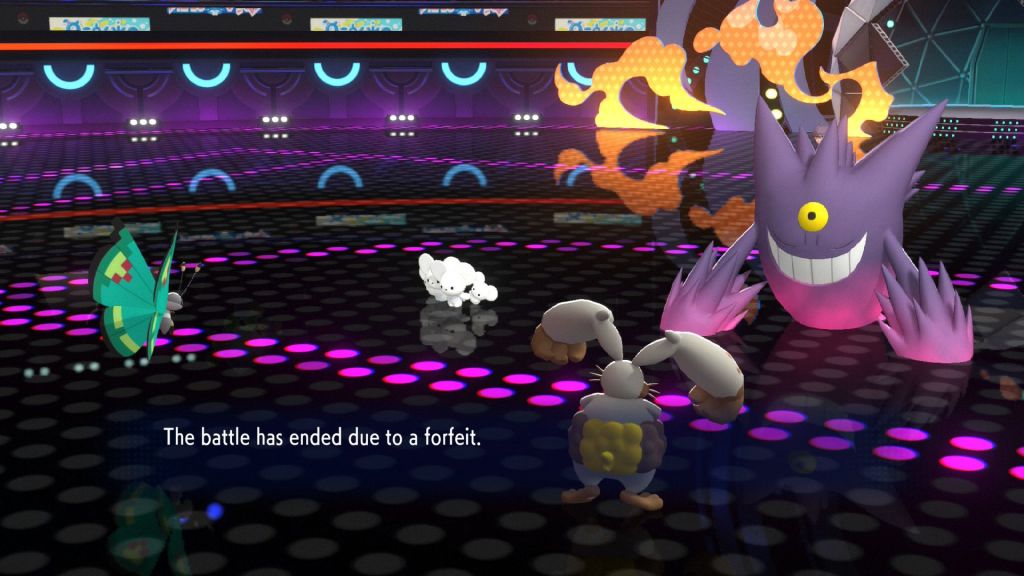
- Focus Sash Vivillon reliably sets up Tailwind for the team, but also wields a quick and accurate Sleep Powder thanks to its ability Compound Eyes. Sleep is still extremely rare on the ladder thanks to its perceived unreliability, but the ability to shut down a threat for even one turn can be game-changing, and higher-accuracy Hurricanes make surprisingly quick work of the Grass-types immune to powder moves;
- A Diggersby in Tailwind is a truly majestic sight, hitting harder than Garchomp with Earthquake / Rock Slide, packing a follow-up STAB Quick Attack to pick off weakened targets as well as immunity to two of Basculegion’s weaknesses, and with this exact stat investment it outspeeds every Mega Floette and Charizard Y after one Trailblaze.
I have experimented a fair amount since making it to the MB tier, retiring the decorated mud rabbit for, among others, an Aqua Paldean Tauros, a Passimian (Fighting types are pretty strong right now and I refuse to use Sneasler), and an Empoleon. At this very moment I have settled on a Choice Scarf Tsareena, who matches up well into annoying common leads like Aerodactyl, Whimsicott, and Kingambit. Priority immunity is also hilarious with so many Fake Outs around.
Suffice to say I am really, really enjoying the refreshingly low power level of the current regulation while it lasts.
The Long & Winding Victory Road
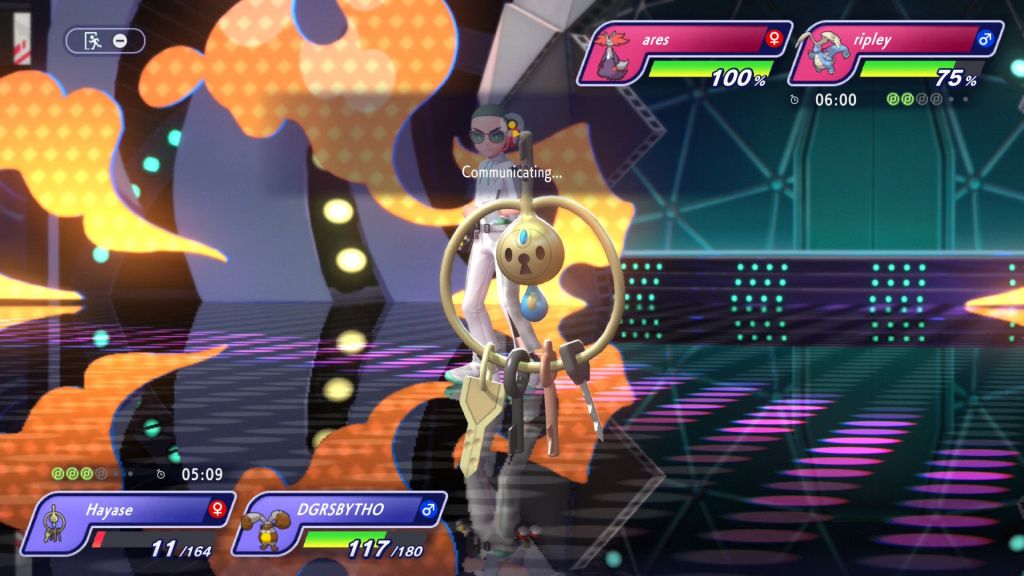
As this article goes up, fan-turned-Youtuber SkrawVGC has just hosted an unofficial online tournament with a registered player base more than double the largest official tournament in the Scarlet / Violet era. Official competitive Pokémon has never been this popular; not even close. And sure, it sucks that Pokémon Champions doesn’t feature a 6v6 mode at all, but the game was never meant to be anything but an accessibility window into VGC play; the included 3v3 “Battle Spot Singles” feels like little more than a token on-ramp. And the intended effect is taking hold: notable Singles-focused influencers like False Swipe Gaming, PokeaimMD, and Jimothy Cool have at last turned their once-stubborn gaze towards the Doubles metagame in a serious way. This is a pretty promising start to a new era, all things considered.
In the meantime, as I try in vain to wind down my playtime and focus on other new releases, I cannot deny that my most anticipated game of 2026 has delivered where it matters. I can’t stop; I’ve won over 180 Champions matches, likely lost just as many (the game doesn’t tell you), fully kitted out my character and profile banner, maxed out the free season M-1 Battle Pass, and am currently sitting on over 100,000 VP, awaiting the next season. What will that season, and the ones beyond, bring to the official Pokémon battling scene?
The first official in-person Regional is about a month away, and the World Championships a mere three months after that. How different will the overarching metagame look by then? Will Champions hurry to reintroduce the more complex held items and overpowered Pokémon, or will we get a more open and unpredictable tournament to kick off this new competitive era? How will real-world tournament organisers handle the explosion of VGC popularity they themselves have encouraged? Will the mobile launch happen before or after Worlds?
Will there eventually be an alternative method to obtain the powerful Mega Floette beyond simply playing all the way through Pokémon Legends Z-A? On that note, how long until the remaining new Megas from that game become available? Will the ridiculously fast “Z-Megas” be balanced with an as-yet-unknown shared downside? When the next regulation does arrive, will ineligible Pokémon simply vanish from people’s accounts, only to return when legal?
Much of the very first trailer’s teasing has yet to be fulfilled; how far into the future will Dynamaxing, Z-Moves, and Terastallization be introduced into Champions, and will they co-exist alongside Megas or even *gasp* each other? And the most exciting question of all: how will the game evolve over time as new Pokémon are introduced? Will we actually see mid-generation balance patches for the first time in VGC history? I doubt Pokémon Winds and Waves will feature drastically better Pokémon models than those within the very-not-open-world Champions, but far beyond Gen 10, is a graphical update eventually on the cards?
So many tantalising questions; I could sit here and speculate for hours on end.
Or, maybe, I could go play some Pokémon Champions.