
Does anyone remember how dull the Japanese videogame landscape was in the early-to-mid 2010s?
It’s probably a bit too far in the rear-view mirror to feel relevant now, but trust me, dear reader; it sucked. Defined by rapidly-expanding game budgets, western triple-A evolution, explosive online storefront growth, and smartphone panic heralding the apparent death of console gaming, the traditional powerhouses of Japanese development looked a tad stranded.
Square Enix struggled to revive their flagging former-flagship Final Fantasy franchise, started buying up western studios, then needed a Sony loan; Bandai Namco scrambled to release just one all-new entry in their lucrative “Tales of” and Tekken series, getting into bed with Nintendo to keep their teams working; Atlus imploded until the also-meandering Sega bought them out; Koei Tecmo was still fairly small-scale (and technically didn’t exist in its current form); and Konami finished off the rough patch by firing Hideo Kojima and then peaced out of console gaming altogether.
Of the traditional Japanese third-party powerhouses, only Capcom seemed capable of releasing new videogames in a halfway-timely fashion. But with some notable exceptions, uh, let’s just say their output during this period didn’t thrill many loyal fans.

But then, just as the 2010s were entering their latter stages, something changed.
At the very top of the legendary gaming year that was 2017, every single former Japanese heavy-hitter (save for the still-absent, pachinko-obsessed Konami) sat poised and ready to unleash its own critically-acclaimed title on the western world: Sega brought Yakuza 0, shortly followed by Persona 5; Koei Tecmo brought Nioh, Bandai Namco brought Tales of Berseria; and Square Enix brought Nier: Automata. That opening quarter was a phenomenon, a perfectly-timed salvo of meaningful quality, and it brought (metaphorical) tears to the eyes of every old-head with nostalgia for the good old days. Very suddenly, Japanese big-budget console gaming was back, but that message only hit so hard because on top of all that goodness, Capcom also brought Resident Evil VII: Biohazard.
Bolstered by a brand-new, insanely impressive in-house game engine, appropriately titled the RE Engine (which stands for “REach for the Moon” because of course it does), RE7 left behind as much bloated series baggage as it could, instead leveraging the immense popularity of first-person indie horror games (and contemporary short-lived VR optimism) to sneak in that time-honoured Capcom lock-and-key level design on its way to breaking sales records all over the world. Every step on the game’s journey, from that sucker-punch title reveal to the last of many well-received DLC adventures, was met with a warm glow from critics and the public alike. The instant survival-horror classic represented a stunningly smart turnaround for Capcom on paper, but the reality of the ensuing years would prove to be even more impressive.
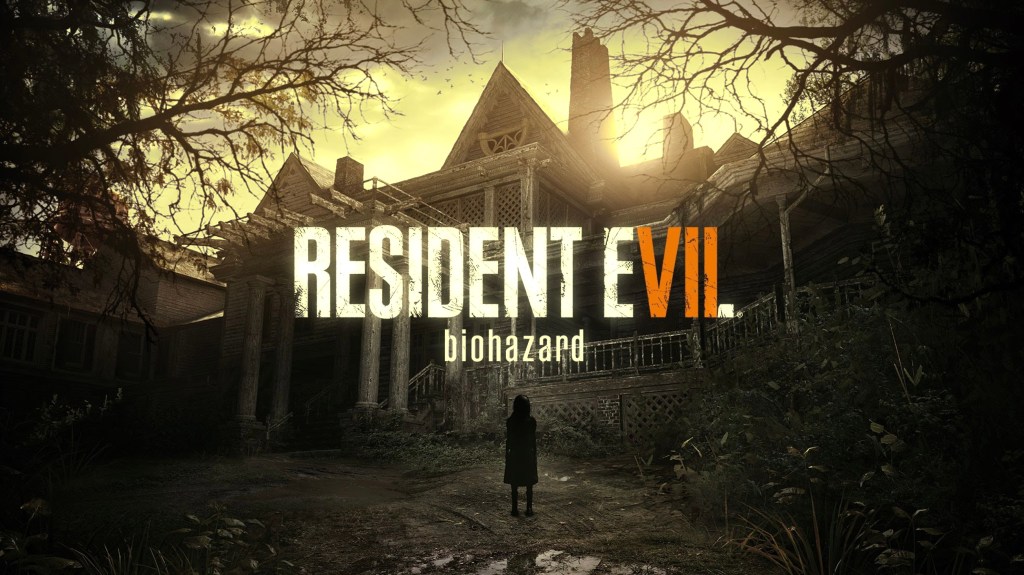
In short, at the time of writing, Resident Evil VII is one of Capcom’s ten all-time top-selling game releases, and the other nine have all launched in the years since. That’s right; after more than forty trips around the sun in the videogame business, one of the industry’s most influential companies does not have a single title from before 2017 in its all-time top ten. That’s unheard of. I’m not sure I’ve seen anything else like it. Almost every development house under the Capcom umbrella is producing its own well-balanced concoction of resonant gameplay appeal, and the result is what I like to call “The Capcom Streak”. Your mileage may vary, but personally I don’t believe these people have put out a bad game for eight years, and at an average of two games per year in this modern era of crazy-long dev cycles, that’s an incredibly impressive feat. No other major publisher is hitting those numbers in both quantity and quality, and that’s worthy of a quick breakdown if you ask me.
Continue reading

 Vagrant Rant