
That’s right, last year’s experimental combined list is back for a sophomore appearance. 2024 was hardly the year to drop the double-barrelled concept, sprinkled as it was with plenty of quality remakes, remasters, and expansion content of all flavours to challenge the year’s full-on new releases for quality. This year I can even properly balance the lists at five entries apiece, and I don’t even have Dead Rising Deluxe Remaster, Diablo 4: Vessel of Hatred, Starfield: Shattered Space, Fantasian: Neo Dimension Eastward: Octopia, or Romancing SaGa 2: Revenge of the Seven on there! What a world.
And here’s the thing: I don’t have Elden Ring: Shadow of the Erdtree, either. Yes, I know, I know. I know! I’m disappointed in myself too, but it just turned out to be one in-depth RPG too many; I got back to my 2022 Game of the Year a week or two late thanks to a pretty busy time in my life, and then soon discovered that despite completing the game I hadn’t even entered the optional dungeon required to access the new content, let alone beaten it. On top of that, my co-op partner for a large chunk of the base game had also lost access to his character. My heart sank, I picked up something else, and just couldn’t find the slot to go back to it.
Even without Shadow of the Erdtree, however, this evenly-divided list of ten entries still features no less than six RPGs. Yeah, it was that kind of year.
Just like last time, the first mini-list only includes re-releases that don’t aim to fully “reimagine” their source material; essentially any entry within the first five categories from this article count, while contenders within the last two are saved for the main list at the very end of the year. Parentheses indicate the platform on which I played each entry.
-◊-◊-◊-◊-
VR BEST OF 2024 DISCLAIMER
This list represents my opinion only. I am not asserting any kind of superiority or self-importance by presenting it as I have. My opinion is not fact. Nobody ever agrees with me 100%. Respectful disagreement is most welcome.
-◊-◊-◊-◊-
– – – – – – – –
RE-RELEASES
– – – – – – – –
5. Shin Megami Tensei V: Vengeance (PC)

2024 was Sega’s best year for videogame releases in decades, perhaps ever; this is the first of about a dozen mentions the Japanese publishing veteran is going to get in the lists this year, after I already dedicated an entire article to the team’s 2024 efforts, so strap yourselves in.
The original Switch version of SMT V was already a fantastic semi-open-world evolution of a legendary series, but the crisp menus and smooth traversal were crying out for just a little more performance, so this multi-platform release years later is just what the doctor ordered. The neatly-optimised PC version is perfect for Steam Deck play (or indeed for my AyaNeo Air 1S), especially now that you can save the game anywhere – at long last!
But of course that’s not the main reason Atlus released this edition of the game: an entirely new story route transforms the experience for returning players and provides a more colourful challenge for newcomers, following the time-tested Atlus tradition of videogame re-releases that pack in enough new stuff at every level to defy simple categorisation. The game still loves to make you regret going into a fight unprepared, but fresh tools and abilities level the playing field enough that you feel like you can take on whatever nightmare lies around the corner. In any other year, this kind of game would have been the flagship Sega RPG. But this, unfortunately for SMT V:V, was 2024.
4. Dragon Quest III: HD-2D Remake (NS)
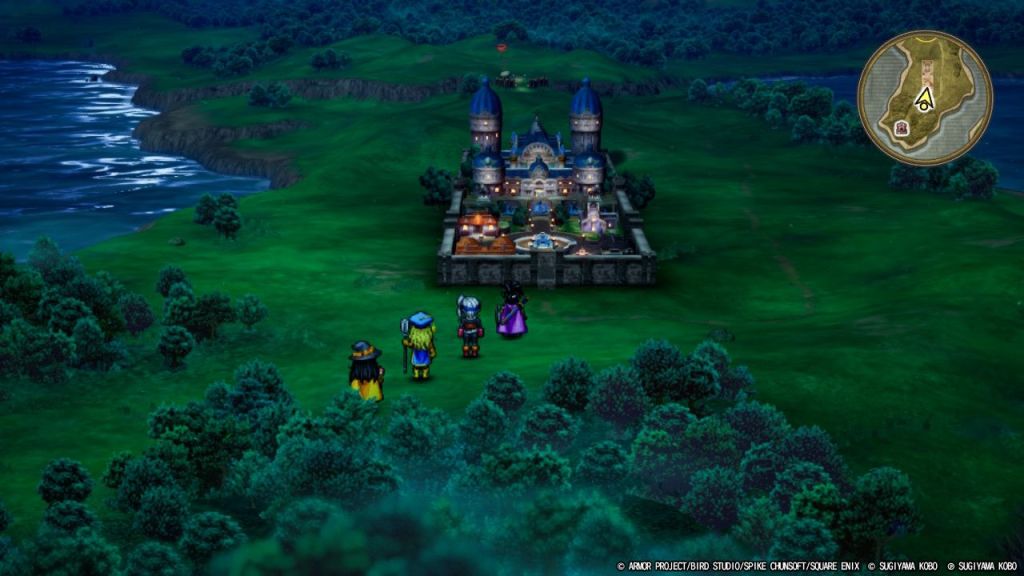
I do not know what delirium-inducing substance has been slipped into the coffee of every single marketing department at every single major Japanese publisher this year, but here’s yet another great JRPG with yet another awful title. Someone at Square Enix was clearly huffing internal jargon fumes, terrified of any possible ambiguity, and looked at only the key art of the FFVII remake team down the hall without actually playing anything.
Luckily, this wonderful revisitation of Japan’s favourite entry from Japan’s favourite RPG series seems to be selling anyway, because it is as close to a warm hug as a JRPG can be for those of us who grew up on turn-based random-battle grinds. Convincing people why the Dragon Quest games are so compelling has been a struggle ever since XI converted me to a series apologist in 2018, but the simplest explanation remains as true for III HD-2D as it was then: the game’s confidence in the strength of its original, very old-school mechanics shines through via some of the most polished presentation in the business.
The Octopath Traveller / Triangle Strategy projects may have introduced and refined that so-called “HD-2D” aesthetic, but it has never looked this colourful or this vibrant before. The series is also clearly over its controversial attitude to stubborn MIDI soundtracks, because the rearranged orchestral score is simply stunning. These significant overhauls work alongside the small ones – like the ability to see your party in between battle turns or the way the menu messages seem to have a voice of their own – to both cushion the game’s more stubborn habits and enhance its time-tested strengths. Bring on the next two awfully-titled entries.
3. Paper Mario: The Thousand-Year Door (NS)
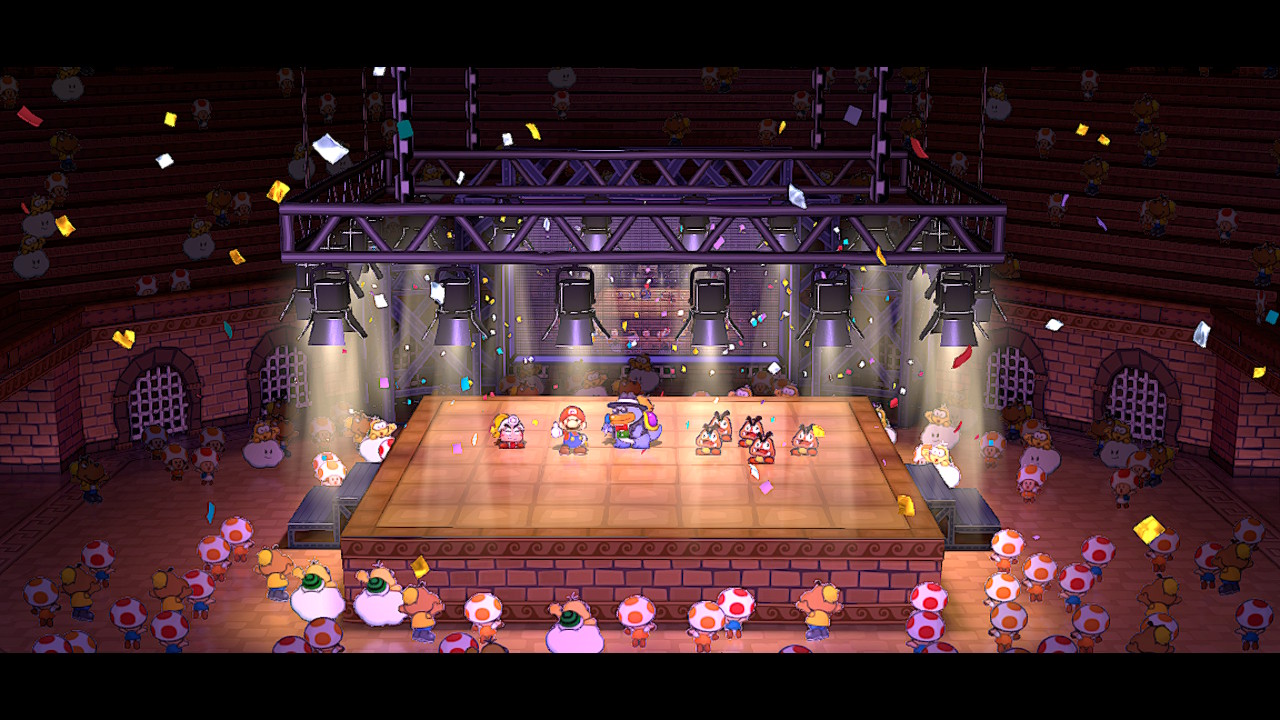
I hope to write an entire post about this one someday, as the 2004 original game is immensely important to me; I will therefore resist the urge to start writing that lengthy essay right here and just make the point that the Nintendo Switch remake of Paper Mario: The Thousand Year Door looks, sounds and plays absolutely fantabulously.
There are plenty of schools of thought regarding the best developmental approach when you re-build a celebrated work for a new generation, but TTYD 2024 makes a tremendous case for the “sprinkle of tiny changes” crowd: the Switch edition enriches combat flow, clears up a bit of obtuseness, sneakily tucks level design bloat, seriously upgrades the music suite and literally dazzles in places with environmental material choices, all while preserving the overwhelming majority of the joy and charm already present in one of Nintendo’s greatest RPGs. Stay tuned for the day I finally feel like I can do that article justice, but until then, go and play this amazing game!
2. Silent Hill 2 (PS5)
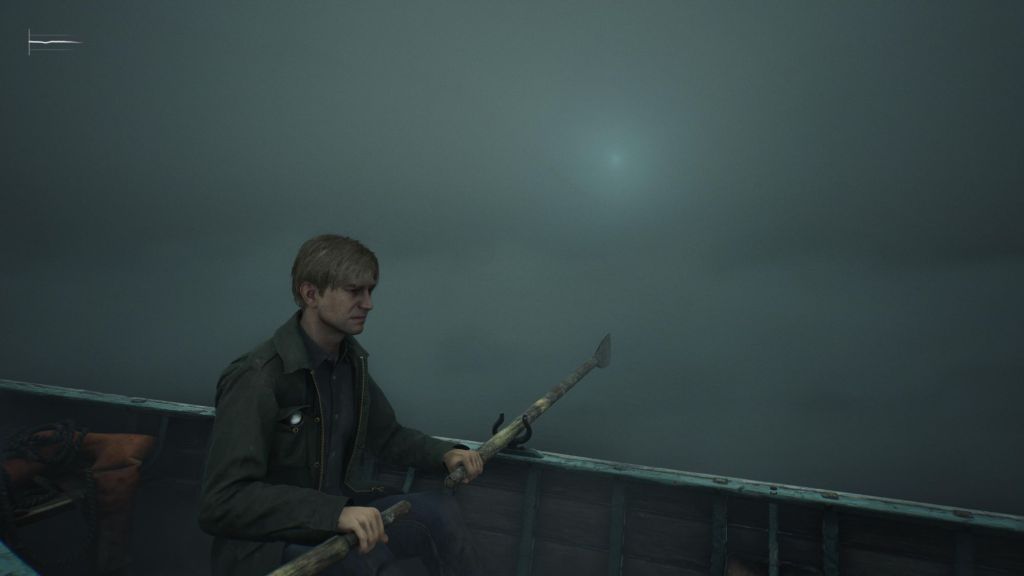
Big two-hands-up moment for me here: after a couple of years of negative press coverage, I was one of many people who wasn’t expecting the Silent Hill 2 re-release to be any good. When combined with the game’s relatively late release date and the flood of long-running RPGs throughout 2024, that effectively meant I wrote the game off and didn’t do a whole lot of research on the format of the game, nor how closely it resembles the revered 2001 original release. By the time the positive reviews had thrown my plans into disarray and I found time to play, I had gathered from online commentary and a couple of friends that this is a faithful-enough project to be called a remake rather than a full reimagining (unlike the modern Resident Evil re-releases), but I have not confirmed that for myself as I’ve never played the original.
All that said, what an absolutely gripping experience. Bloober Team’s take on one of the most iconic survival horror games of all time may lack the combat crunch of those very Resident Evil games, but the boss fights are tuned tighter, and the Polish devs went all-out to maintain atmospheric tension and puzzle satisfaction across an expanded runtime and multiple playthroughs. Despite the studio’s inconsistent reputation, they have successfully treated one of horror gaming’s most revered stories with such a delicate touch that, if anything, it’s even more subtle in its delivery than the original. The game has also weirdly ended up one of the best PS5 console exclusives of the year in technical terms: in my experience the game legitimately uses the lights on the Dualsense better than any other PS5 title not named Astro Bot, and it ain’t too shabby in the haptics, controller speaker or adaptive trigger departments either.
Upon completing the game I launched into hours of video essays on the original’s legacy, and I’ll admit the experience has left me with a tinge of sadness that I never got to play the shorter, more awkward but much more impactful PS2 version in the context of its release. But 2024’s Silent Hill 2 is still a scarcely believable product when you consider the expectations it was up against, and that rather neatly brings us to…
1. Persona 3 Reload (PC/XSS)
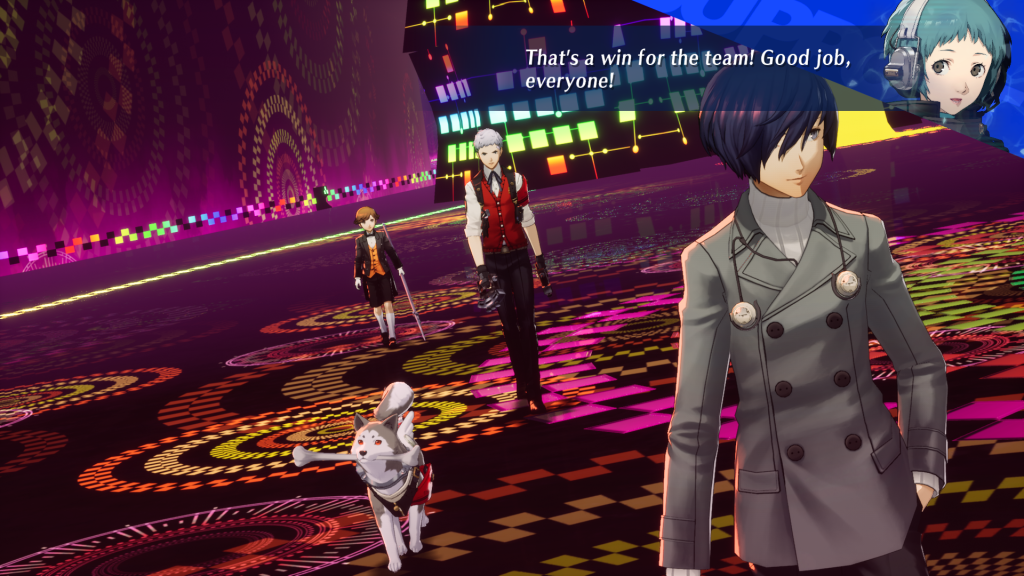
Despite what often seemed like insurmountable odds over the last 15 years, it finally happened. One of the JRPG genre’s most pivotal and yet mishandled titles at last has its “definitive version”, and it somehow manages this tricky feat despite failing to include (at launch anyway) either of the fan-requested elements “The Answer” epilogue from Persona 3 FES or the playable female protagonist from Persona 3 Portable. As SMT V:V reminded us all this year, Atlus and P-Studio have a long history of, erm, unique approaches to re-releases, but until 2024 they’d never attempted a straight-up remake: Persona 3 Reload proves we should never have worried about their ability to stone-cold nail one to the wall. Even as so many of the team’s former heads were absent thanks to their work on another major 2024 JRPG, we still received a bit of magic here.
The core of P3 may still lack the bespoke design, cutting themes and sheer style of P5, it can’t compete with that all-time magical character focus from P4, and its morose, trailblazing narrative doesn’t quite match the twist impact of either sequel. But Persona 3 Reload turns the modern series’ worst dungeon-crawling gameplay into arguably its best, tidies up dozens of dusty systems, massively improves nighttime activity options, grants out-of-sight glow-ups to formerly dull characters like Fuuka and Yukari, and may just launch the careers of a whole new slate of voice actors who put in stellar work. The unique strengths of the PS2 original’s linear story shine through a dazzling blue-lashed prism with gorgeous modern visual chops, and all of that new / rearranged music? Don’t even get me started. If you think I’ve been listening to any other soundtrack while writing this, you’ve got another think coming.
-◊-◊-◊-◊-
Honorable Mentions
–Mario vs Donkey Kong (NS)
I bet you forgot this came out in 2024. Even at its below-Nintendo-average price point, a remake of a pre-smartphone GBA puzzle game might seem like it’s asking a bit much, but a significantly expanded level count, a new co-op mode no-one expected and buttery smooth visual presentation make it well worth a run.
–Marvel vs Capcom Fighting Collection (PC/NS)
Been a while since I’ve had a retro collection on here, but nobody is doing them better than Capcom at the moment, and just about every element of this one from historical promo art to performance and even additional features runs rings around the competition. The training mode in MvC 2 alone…
– – – – – – – –
DLC/EXPANSIONS
– – – – – – – –
5. Persona 3 Reload: Episode Aigis (PC/XSS)
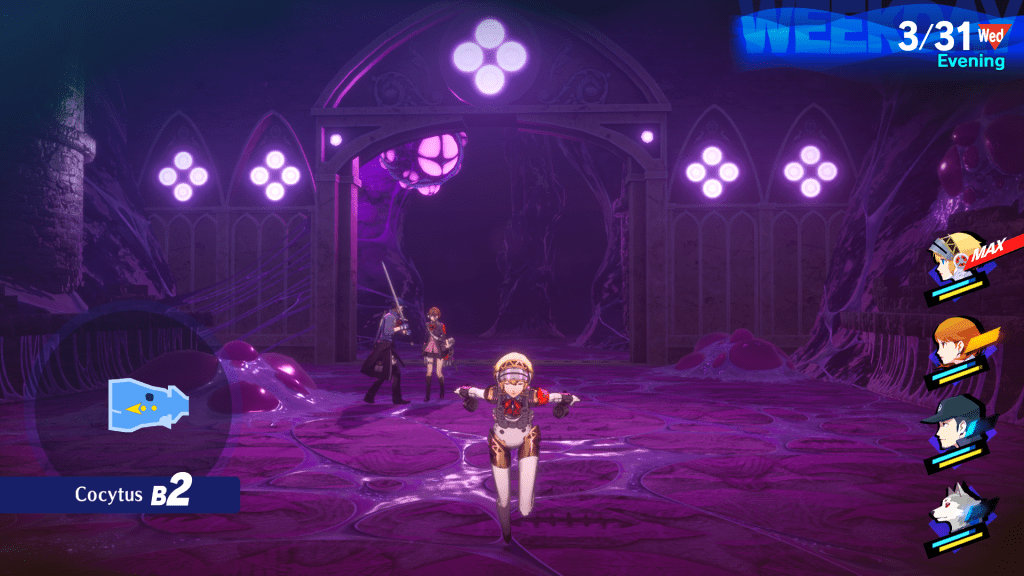
It’s not often you get the chance to talk about a game twice on one countdown page, but here’s Persona 3 Reload again with its doubly-controversial expansion DLC Episode Aigis. Any attempt to adapt grindy epilogue “The Answer” from Persona 3 FES into something worth playing in 2024 was going to face an uphill battle, but this expansion makes a real fist of it, and the fact it joined the base game on Xbox / PC Game Pass – an extremely rare move not even Microsoft itself pulls – added a spoonful of sugar to the usual dose of cynical corporate medicine.
Bound by a near-decades-long debate over its very merit as a chunk of videogame and the relatively unprecedented decision to adapt it as a standalone development project, Episode Aigis makes the ingenious choice from the outset to bring back Lotus Juice for yet another new opening song: Disconnected is an absolute winner, weaving hype man antics through depressing minor-key strings and haunting Azumi Takahashi vocals that clearly signpost the separate tone of this story. And even though that story contains, uh, almost no story, that wonderfully improved dungeon-crawling loop just about manages to sustain the intense combat focus of the episode. Vastly improved visual variety and a surprise fight or two don’t hurt, either.
4. Alan Wake II: Night Springs (PC)
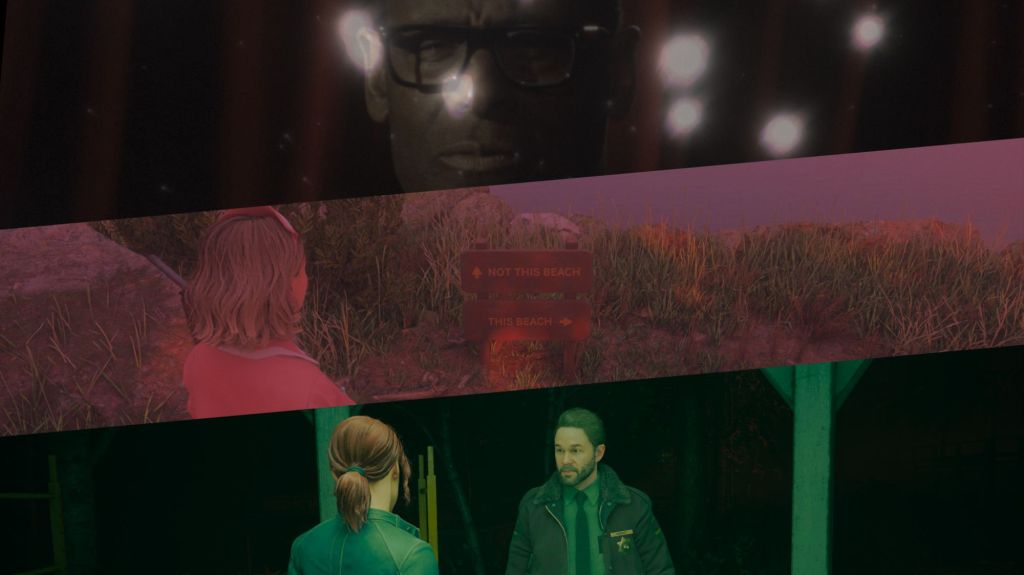
It may have been a lead-up to the main event of Alan Wake II‘s expansion plans, The Lake House, but this inspired three-episode slice of fan-service was one of my favourite things I played all year. “Number 1 Fan” may last barely an hour, but I don’t think I’ve laughed out loud more times in one hour of single-player videogame for virtually a decade; shooting at zombies with a fully automatic shotgun holding 250 bullets while they growl and scream about review-bombing Alan Wake books is just an incredibly good time after the creepy tension of the base game.
Control protagonist Jesse Faden returns in “Northstar”, a creepy nighttime stroll through an even more unhinged version of Coffee World. It serves up a completely different kind of experience – though no less of an entertaining one. A machine pistol and a flashlight suit Jesse perfectly, and I hope the brief puzzle focus is a tantalising tease of her future story. Shawn Ashmore’s chameleonic sheriff character appears in both her episode and the DLC’s finale, “Time Breaker”, which turns up the dial on Remedy’s famous fourth-wall shenanigans until that dial snaps in half. The Lake House may bring the meat of Alan Wake II’s expansion pass, but Night Springs is like the best indulgent gaming dessert money can buy.
3. Final Fantasy XVI: The Rising Tide (PS5)

Final Fantasy XVI‘s second major paid DLC offering represents the real main course of the game’s post-launch plans, and its refusal to stray from the linear fireworks-first identity of the base game pays dividends. This is, without a shadow of a doubt, more FFXVI – for all the pros and cons that entails – and if anything it leans even further into the spectacle and smooth combat flow that enraptured the game’s fans in 2023. But it looks magnificent, sounds fantastic, feels great, and doesn’t outstay its welcome, which is all I could have asked for.
The expansion’s new Eikon powers give our hero Clive a second, even more effective dodge and a Kingdom Hearts-esque arm cannon that turns the game into a makeshift third-person shooter at times, complete with an active reload mechanic straight out of the Gears of War series. Even if you are underleveled as a result of avoiding sidequests and/or XIV’s first DLC offering at the end of last year – as I was – these tools make avoiding damage and keeping health bars ticking down an absolute breeze, which allows the flashy encounters, stunning new vistas and fascinating time-bubble lore to take centre stage where they belong. And as for the grand finale, well, it is every bit the blockbuster finish Leviathan deserved.
2. Splatoon 3: Side Order (NS)

Nintendo’s first official attempt at the roguelite genre is fascinating in its role as the final piece of Splatoon 3’s legacy, as that game’s main identity stems primarily from a hyper-polished melding of two prior games’ worth of innovations. Even the rest of the game’s Expansion Pass is all about remixing the hubs of Splatoon 1 and 2, yet Side Order feels like (pardon me) yet another truly fresh use for those ever-compelling mobility mechanics right before the final stretch of 3’s purported active support roadmap opened the floodgates for next-gen Splatoon speculation.
To be fair, I’d probably play a corporate boardroom simulator if it somehow used Splatoon’s mobility mechanics, so the clever use of colour-coded stat buffs and extra abilities that define each run through the creepily sanitised halls of the spire are really just summer-toned icing. Multiple overlapping systems of permanent improvement tick over with each success or failure to make sure I got hit by that “one more run” bug real bad for a while there, and the bizarro-world ’90s writing is still charming almost a decade on from the series’ inception. This is no Octo Expansion – because nothing is – but Side Order was still absolutely worth the lengthy wait.
1. Shadow Generations (XSX)
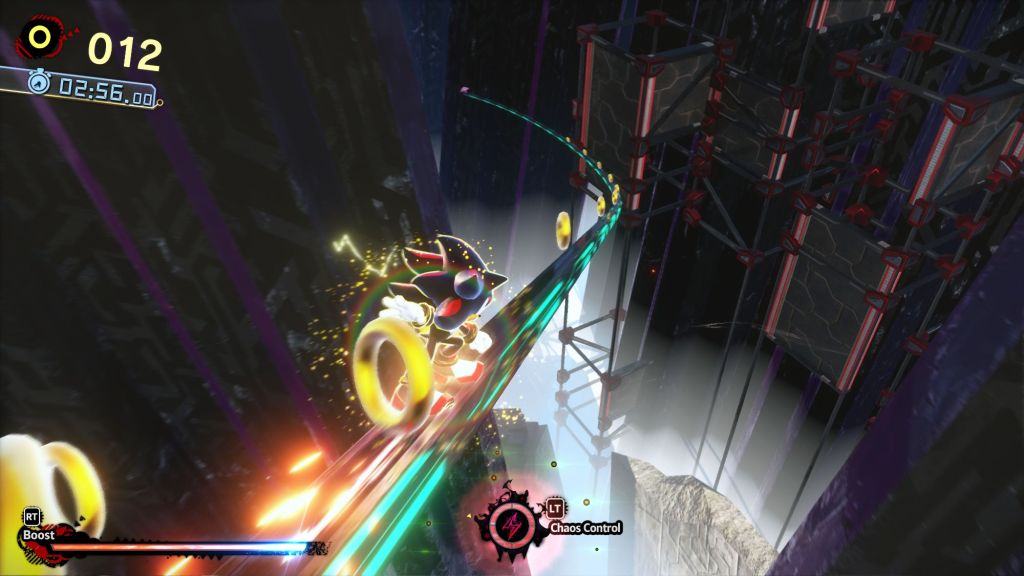
I know this isn’t a DLC add-on to an existing game, but structurally it may as well be; it works exactly like the Bowser’s Fury part of the Switch Super Mario 3D World re-release, which was my pick for the best expansion of 2021, so I say this definitely counts.
It may not be the expansion containing the word Shadow that I would have expected to be on here, but this is Sega’s best chunk of Sonic gameplay in years – perhaps even decades. The Shadow Generations portion of Sonic X Shadow Generations is almost completely free of padding, perhaps because it doesn’t feel the need to justify itself as a standalone product in quite the same way as a regular paid expansion. A level biome is used a few times, usually to introduce a new mechanic or two and always in the service of speed and momentum, then the game moves on to the next one. Longer levels and boss fights focus on spectacle while bite-sized challenge runs throw out a variety of restrictions that encourage you to play a certain way, but crucially the game always has Shadow the Hedgehog moving quickly and with as few sudden interruptions as possible.
The “rule of cool” that Sonic games were once famous for abusing is leaned on even more with Shadow’s new suite of Resident Evil-looking monster powers – all of which are, again, focused on achieving a flow state of forward momentum – and the commitment to the tone just kind of makes it all work. Even the hub area, which takes more than a few notes from Sonic Frontiers in its messy don’t-worry-about-it structure, arguably fits the inherently chaotic ” darker and edgier” Shadow vibe better than it did Sonic. There are plenty of fun references for anyone with Shadow nostalgia from the last two decades, and the filthy EDM remixes of already-edgy Shadow tunes are a real treat, but above all this is just the most fun I’ve had with Sega’s flagship series in, well, two decades.
-◊-◊-◊-◊-
Honorable Mentions
–Vampire Survivors: Ode to Castlevania
One of the weirdest full-circle videogame development moments in recent memory brings a small army of decades-old characters that inspired the existence of a breakout indie game into that very indie game, and in the process gives everyone more Vampire Survivors to enjoy – which if we’re honest, is the real danger here.
–The Hidden Treasure of Area Zero Epilogue – Pokemon Scarlet
Yep, believe it or not, the final episode of Pokemon Scarlet/Violet DLC came out in the second week of 2024. While it’s only a couple of hours long, it also came as a free surprise that resolved what looked like a couple of sequel-bait cliffhangers at the end of both the base game and its paid expansion content. This one felt satisfying, I have to say; a warm note to end on for a game that’s had its fair share of ups and downs.

 Vagrant Rant