
There hasn’t been a “bad” year for new-release videogames in recent memory, and so many of the darn things are coming out all the time always that it’s hard to see a dud on the horizon as long as civilisation remains intact. And yet, maybe two or three times a decade it still feels like the major hype-magnets clump up together and conspire to form a mega Voltron of a year worth writing into the gaming history books as a truly “great” year for videogames. 2023 was unquestionably one of those, but the plaudits needn’t stop there.
Unfortunately 2023 may have been one of the worst years in history for games industry layoffs, but it was without a shadow of a doubt the best year for game releases since at least 2017.
In my opinion, it was the best of all time.
Throughout the whole year, it felt like every week brought a new game pushing above 85 on Open/Metacritic. Playing Fantasy Critic with friends was an absolute nightmare as hits kept coming from all directions. The pre-release hype-to-quality ratio over the whole year was higher than any I can remember. For the first time ever, all fifteen of the games on my list this year were nominated for at least one category at The Game Awards – and eleven of them were winners.
We’ve already covered the sheer strength of the DLC expansions in 2023, many of which can stand head and shoulders above most full games released in the last few years. But 2023 also gave us quality potential rabbit holes just waiting to ensnare, like Wild Hearts, Diablo IV, Avatar: Frontiers of Pandora, Like a Dragon: Ishin, Hogwarts Legacy, and Dead Island 2; some of the best “souls-likes” ever in the form of Wo Long: Fallen Dynasty, Lies of P, and the reborn Lords of the Fallen; huge online multiplayer offerings like Counter-Strike 2, Remnant II, and The Finals; and great signs for families without Nintendo consoles thanks to Sonic Superstars, Lego 2K Drive and Party Animals. 2023 was also the year that Fortnite completed its fascinating metamorphosis from a game into a game launcher.
The year also brought a deluge of small-budget standouts like Venba, The Talos Principle 2, Jusant, The Cosmic Wheel Sisterhood, Darkest Dungeon II, Tchia, Humanity, Blasphemous 2, and A Space for the Unbound, each of which mopped up critical praise like it was going out of style, and none of which deserved to come out in a year this stacked with quality big-budget fare. Of the fifteen games on my list, just two are what I would classify as indie games – and this appals me.
Five hours of playtime is the minimum requirement for list eligibility (unless the game is shorter, has no perceivable end, or is primarily multiplayer in nature), and that sadly disqualifies Fire Emblem Engage, Mortal Kombat 1, Cassette Beasts, Dragon Quest Monsters: The Dark Prince, Wargroove 2, Planet of Lana, Persona 5 Tactica, Pizza Tower, and most upsettingly Oxenfree II: Lost Signals, despite the fact I was having fun with all of them before outside factors (usually other games) interrupted me. Also, I’ll be dead-honest, I have no idea how to classify Theatrhythm: Final Bar Line, but it’s amazing and you should play it if you’re even a little into Square Enix RPG soundtracks.
With that extremely long introduction out of the way, it’s time for my wordiest Game of the Year list ever, so strap in (parentheses indicate where I played each game):
-◊-◊-◊-◊-
VR BEST OF 2023 DISCLAIMER
This list represents my opinion only. I am not asserting any kind of superiority or self-importance by presenting it as I have. My opinion is not fact. If you agree with me 100%, go buy a lottery ticket. Respectful disagreement is most welcome.
-◊-◊-◊-◊-
15. Street Fighter VI (XSX)

Capcom’s absurd hot-streak of great new videogames is now long enough that the chatter around them centres less around whether a new release will actually be good and more about what will be the first game to break it. And yes, we’ve talked about Exoprimal already, but I maintain that the game is a ton of fun to play, not to mention technically rock-solid, and is just hamstrung by some baffling online multiplayer restrictions. You know what Capcom game doesn’t need a bunch of asterisks when you talk about how good it is? Street Fighter VI.
History is littered with examples of videogame sequels that take the wrong lessons from poorly-received predecessors and over-correct, but the extraordinarily meaty single-player offering that the sixth main SF has to offer is no mere apology for the bare-bones Street Fighter V; it is yet another shrewd utilisation of perhaps gaming’s most impressive publisher-internal game engine. Running around the full 3D environments of Metro City feels so natural you’d swear you were playing a different game at moments during the World Tour campaign.
But even if you don’t want to engage with any of that, Street Fighter VI boasts one of the most in-depth and impressive tutorials I’ve seen in a fighting game; it wants you to feel like you could rise up the ranks and become a genuinely good player, and it works. On top of all of that goodness is the best presentation in SF’s three-dimensional history, bringing together fantastic character art with fluid personality-packed animations, ribbons of colourful paint effects to highlight the benefits of the new Drive System, and a fresh level of commitment to Street Fighter’s, um, fighting on a street aesthetic that enlivens everything else around it.
14. Cocoon (PC/XSS)

Leave it to a bunch of ex-Limbo/Inside developers to make you feel like a genius again and again, even though all you did was follow their brilliantly gentle guidance through visual context clues and a you’re-getting-warmer musical feedback system that works like if the classic Zelda puzzle chime took a month off to study music theory at the most zen retreat ever. Cocoon‘s central premise sounds like it would either break immediately or become untenably complex as soon as you tried to take it beyond its first iteration, but Geometric Interactive turns a wordless adventure where you pick up entire worlds and use them to activate mechanical switches into a taut masterpiece that makes a five-hour run feel like an epic odyssey through cosmic possibilities beyond humanity’s wildest dreams.
Each moment the weird cicada alien thing at your fingertips leaps beyond the boundaries of yet another world to reveal an even bigger one is worth the time Cocoon took to develop all on its own. The bosses are extraordinarily fun to take on with little more than a single contextual gimmick and your wits. The secrets are rewarding and seamlessly integrated into the world(s) around them. The puzzles in the final third of the game are deviously tricky. The minimalist animation work is outstanding. The alternately booming and almost non-existent electronic score is a vibe and a half. Long may Geometric continue on their new development path, because on this form I would eat their next game on day one.
13. WarioWare: Move It! (NS)

Fierce competition or not, this is the year WarioWare finally gets its due on one of these main lists after what feels like a million painful honourable mentions over the years. The 17-year wait for a direct sequel to the lightning-in-a-bottle masterstroke that was WarioWare: Smooth Moves on the Wii has somehow been worth it: Move It! is everything a fan could want from a follow-up and much more.
The weirdness at the heart of the series has not waned one bit in the last two decades, but the pre-Motion Plus release of the last form-centred game means Move It! is that rarest of beasts: a motion-controlled Switch game that actually feels like a total upgrade over its Wii counterpart. Bringing in a two-player mode is a masterful idea, especially in the ultra-chaotic co-op microgames where two brains need to prepare a silly physical pose and then process a set of basic instructions in seconds – usually accompanied by a ton of yelling. The post-campaign party mode unlocks are also winners, and all the microgames work remarkably intuitively – except that meat-flipping robot arm one. That one can flip off.
12. Star Wars: Jedi Survivor (XSX)
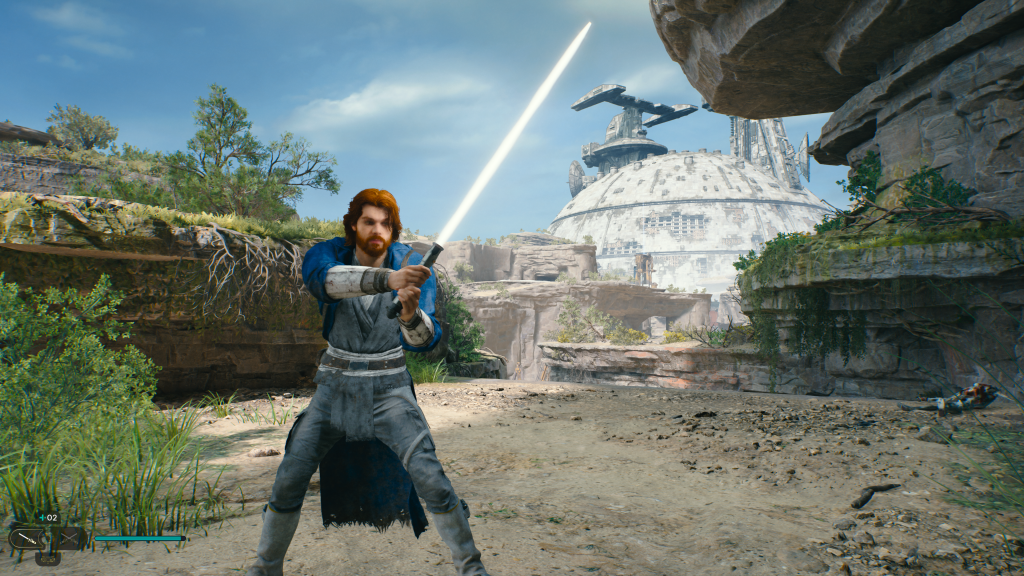
Though its critical legacy may have been marred significantly by a horrendous technical state that persisted for months after launch, in every other way Star Wars: Jedi Survivor is a genuinely impressive leap over an already impressive predecessor. The game pulls off that rarest of sequel tricks: it lets you keep essentially all the powers and moves you unlocked in the original, knowing full well the ones it will add on top could carry an entire game on their own. Considering the intricacy of the dungeon puzzles in Jedi Fallen Order, each of which is built around the versatility of the force abilities our boy Cal Kestis gradually acquires, that is no small feat.
But the improvements that make Survivor almost unrecognisable as a part of the same franchise keep on going: the map is way better and it can actually be used to fast-travel; there’s a new expandable hub area that makes the first game’s tiny space ship look like a loading screen; the new lightsaber styles open combat up and make it way less frustrating; there are secrets everywhere and they give proper rewards you might want to use; there are far more characters in the world in general; and the audiovisual budget blows Cal’s debut outing away. It just really, really sucks that this April release wasn’t in a state I could play it on Xbox with a decent framerate (and without heinous bugs) until September; I would’ve played a lot more of it if that wasn’t the case.
11. Armored Core VI: Fires of Rubicon (XSX)
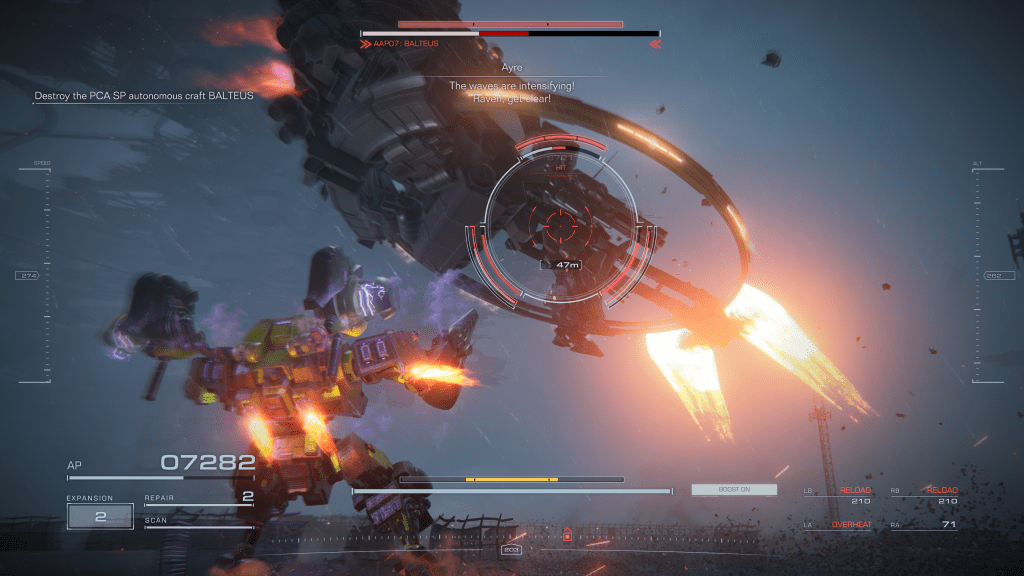
If you had “long-running mech-building franchise generates significant mainstream buzz with its sixth instalment” on your 2020s bingo card, I would like to have a word – preferably over drinks. But that unlikely scenario is exactly what transpired when Dark Souls series masterminds From Software returned to their first love, the grimy world of Armored Core, in 2023. It seemed like an odd PR move from some angles, but as we all should have expected, the game rules.
Indeed many more players came to AC6 than any previous entry in the franchise thanks to From’s recent work – myself included – but while the promise of challenge and that signature vibe of cosmic fairness is a great reason to pick the game up, an unusually good technical performance profile by FromSoft standards and a surprisingly dark story that essentially functions like an audio drama about the dehumanising effects of violence-for-hire are fantastic reasons to stay. Each major boss is essentially a puzzle that is 80% won in the build hangar before the fight, encouraging a loop of trial-and-error that’s straight-up addictive, and the feeling of unleashing a perfectly-timed super boost? Transcendent.
10. Super Mario Bros Wonder (NS)
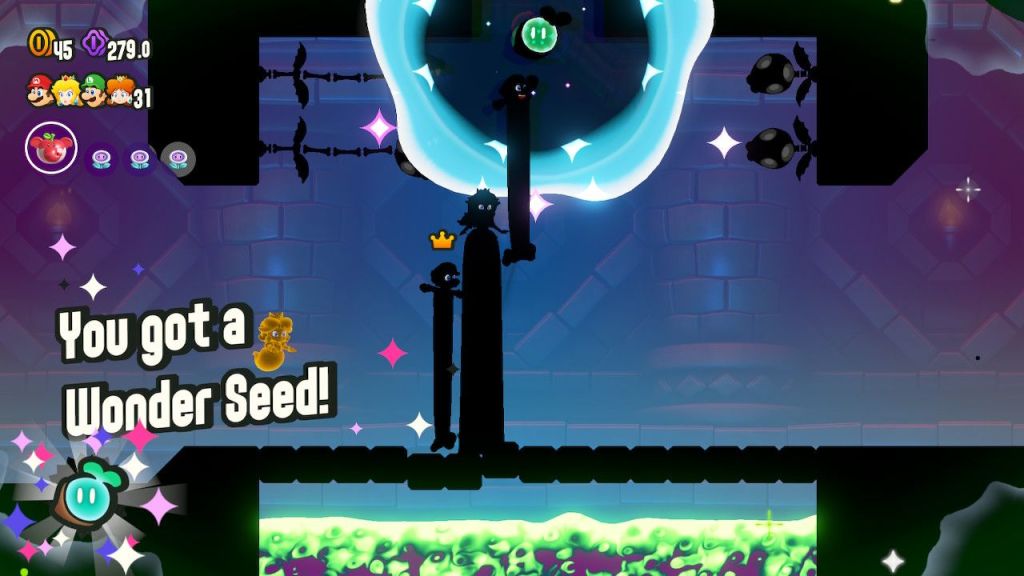
After more than a decade away from the scene, Nintendo’s top development talent returned to the world of 2D platformers in 2023 just as the genre was beginning to stir from a long hibernation, and they brought with them a host of fantastic ideas properly cooked in the oven. These allegedly formed during a multi-year development cycle with a wide in-house developer net and no real deadline – but they didn’t just come in the form of cool level gimmicks this time.
Super Mario Bros Wonder completely shakes up the look and sound of 2D Mario, bringing an almost Wind Waker sensibility to animated character expression on top of a pastel softening of edges and a commitment to rich colour palettes. It introduces a voice-acted trumpet flower that actually sees some pretty novel and amusing use. It changes the very sound of a jump to keep music at the forefront of the soundscape at all times. It introduces equippable badges that change your available secondary jumps or other abilities for a light risk-and-reward touch. It rearranges the classic Mario overworld structure to replicate a 3D platformer hub feel. It allows local co-op players to pass behind each other without bouncing off in any direction and ruining a jump, at long last – then gives camera control to the last level’s highest flagpole finisher. It introduces a Souls-esque asymmetrical online multiplayer system that encourages warm and fuzzy secret-seeking collaboration on a scale not seen before in a Nintendo title – and it works.
And as for those level gimmicks? Hoo boy, do they show up in droves. The Wonder Flower is one of the most elegant inventions Nintendo has come up with in years: every time my friends and I see one, we know absolutely anything can happen, and the next minute or so is going to be a ride. This game was worth the wait.
9. Spider-Man 2 (PS5)
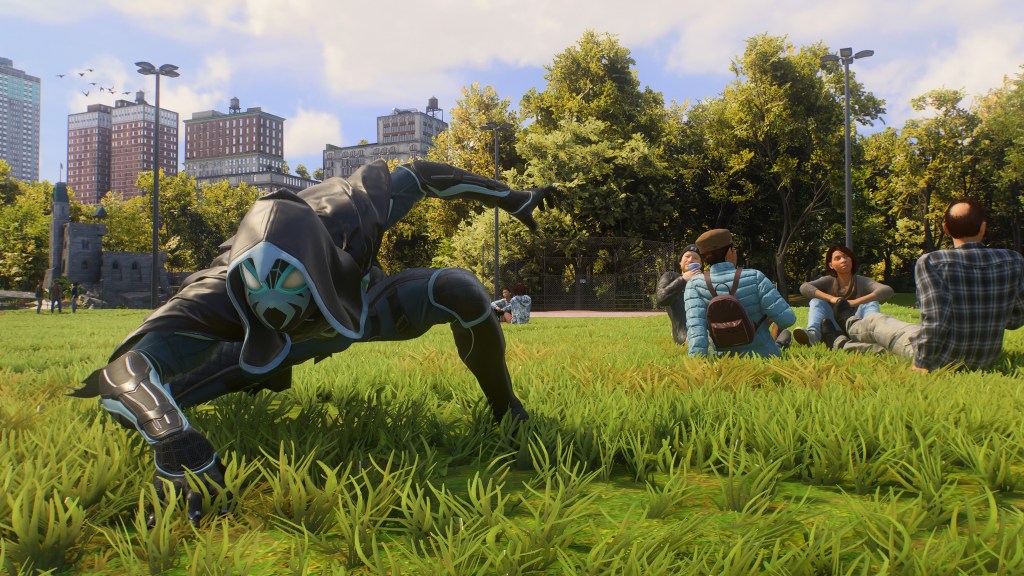
Insomniac Games are somehow still in peak form, despite a consistent release schedule that makes almost every other first-party studio – Sony or otherwise – look poorly-managed by comparison. Spider-Man 2 may lack the freshness of the first game’s in-media-res approach to Spidey storytelling, or the beautifully compact emotional punch of Miles Morales, but it is so much more accomplished in so many other areas.
Every side activity is more appealing, and wastes less of your time to boot; the combat options available to both playable Spider-Men are crunchy, streamlined, and unlock seamlessly alongside the narrative; all the vocal performances are stellar; the moment-to-moment feeling of getting around has never been more blissful. What’s more, as a fan who pretty much only turns on his Playstation 5 to play Sony-exclusive games, I want those games to utilise as many PS5-only features as possible, and Spider-Man 2 not only delivers on virtually all of them but does so better than any other Playstation game I’ve played.
The trigger feedback and haptics are on-point, the controller speaker plays what makes sense and nothing else, the implementation of fast-travel is the best in the business, the 40FPS mode on 120 Hz screens is so good I wouldn’t recommend any other to those with access, and the mad lads at Insomniac got real ray-traced reflections working in basically every New York window, on basically every setting, all the time. Spider-Man 2’s plot – particularly the finale – may not compare favourably to its predecessors in the pages of history when all is said and done, but there arguably wasn’t a game that felt better to play across an entire playthrough in all of 2023.
8. Pikmin 4 (NS)
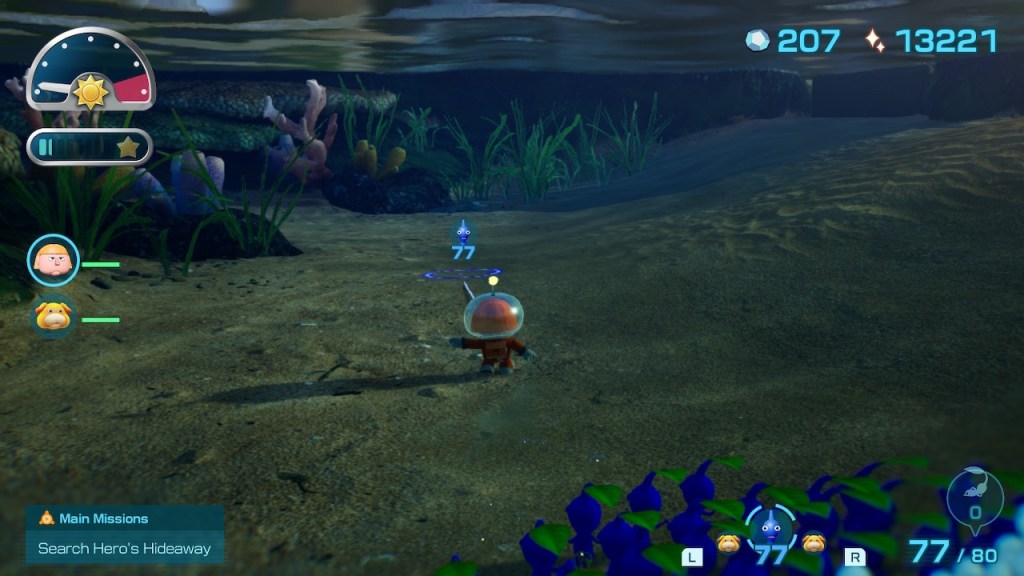
Every week that goes by since I finished Pikmin 4 comes with a serving of disbelief that the game not only actually, truly, concretely came out, but that it ended up as quite possibly the best game in the entire double-decade franchise. Drawing from the Starfox continuity playbook to ensure anyone can start with this one without any fear of missing plot details, Pikmin 4 uses the framework of an equally cute and disturbing plantlike-zombie story to contextualise a wondrous gameplay flow state across a meaty 30-40 hour campaign that still plays unlike anything else out there.
New and returning Pikmin types are tuned to form the most well-balanced arsenal of productivity assistants in series history, as progressive restrictions are mined for satisfying resource management. No Pikmin feels too weak or too strong – admirable given there are nine types now – and the star new canine addition Oatchi unlocks new possibilities for multitasking that are stretched to their limit in the game’s toughest Dandori challenges – some of which gave me moments of triumph to match anything else I played this year.
Pikmin 4 packs more bespoke content than any prior game in the series had shown we could expect, and it feels like a title with a proper top-tier Nintendo budget for perhaps the first time ever. It doesn’t hurt that it’s also one of the best-looking games Nintendo has ever produced, leveraging the photorealism benefits of Unreal Engine to produce stunning environmental detail that lives up to the promise of a believable Earth that the first game teased 20 years ago – and with real anti-aliasing in a first-party Switch game too!
7. Final Fantasy XVI (PS5)
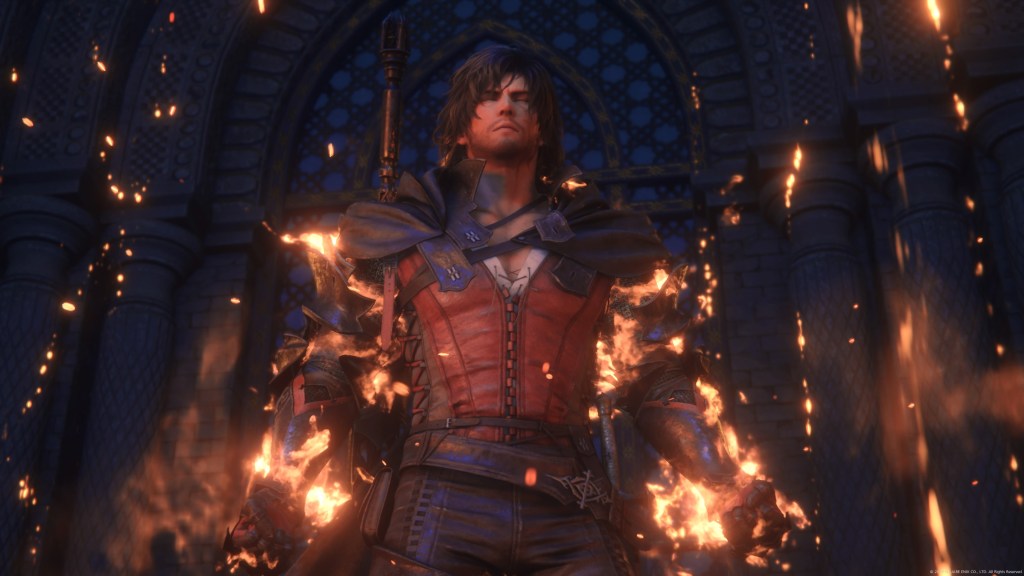
To me the best thing about the Final Fantasy series this century is not its crazy art direction, the titanic technical chops that back the art up, the epic, often messy stories, or the warm and fuzzy feeling you get seeing a moogle again: it’s just how wildly different each new entry is from the last one, ensuring years of meaty discussions with fans long after release. Final Fantasy XVI is many wonderful things, but its best quality is that it does not show a single shred of interest in bucking this trend.
The game’s item economy is laughable, and it’s missing almost any kind of traditional Final Fantasy progression system beyond that. Elemental attack properties essentially mean nothing, and there isn’t even one extra party member to manage aside from our hero Clive’s magical dog Torgal. I stopped doing sidequests without the icon indicating a time-saving buff merely a dozen hours into the game.
And yet the grandiose story is utterly gripping, weaving classic FF elements into a Game of Thrones-esque tale of bloodshed and family drama. Some sequences show cinematic direction on a level I have not seen before in a videogame (tavern one-shot, anyone?). Even scenes with writing on the uh, shall we say throwback side of the Final Fantasy style guide are elevated by full-blooded performances by a British cast that has already justifiably made a name for lead actor Ben Starr.
The combat feedback loop feels incredible, and the Eikon customisation slots give it just about all the depth it needs to sustain the story. The Platinum Games-assisted boss fights provide some of the best moments I have ever experienced playing a videogame. The music throughout the entire game is absolutely phenomenal. The Active Time Lore system is a straight-up gift to lengthy videogames, and really the entire industry as a whole. And yes, this game is still definitely a JRPG, people.
In my book, this is job done, thanks for the memories, let’s see in what cooked direction XVII goes.
6. Resident Evil 4 (PC)
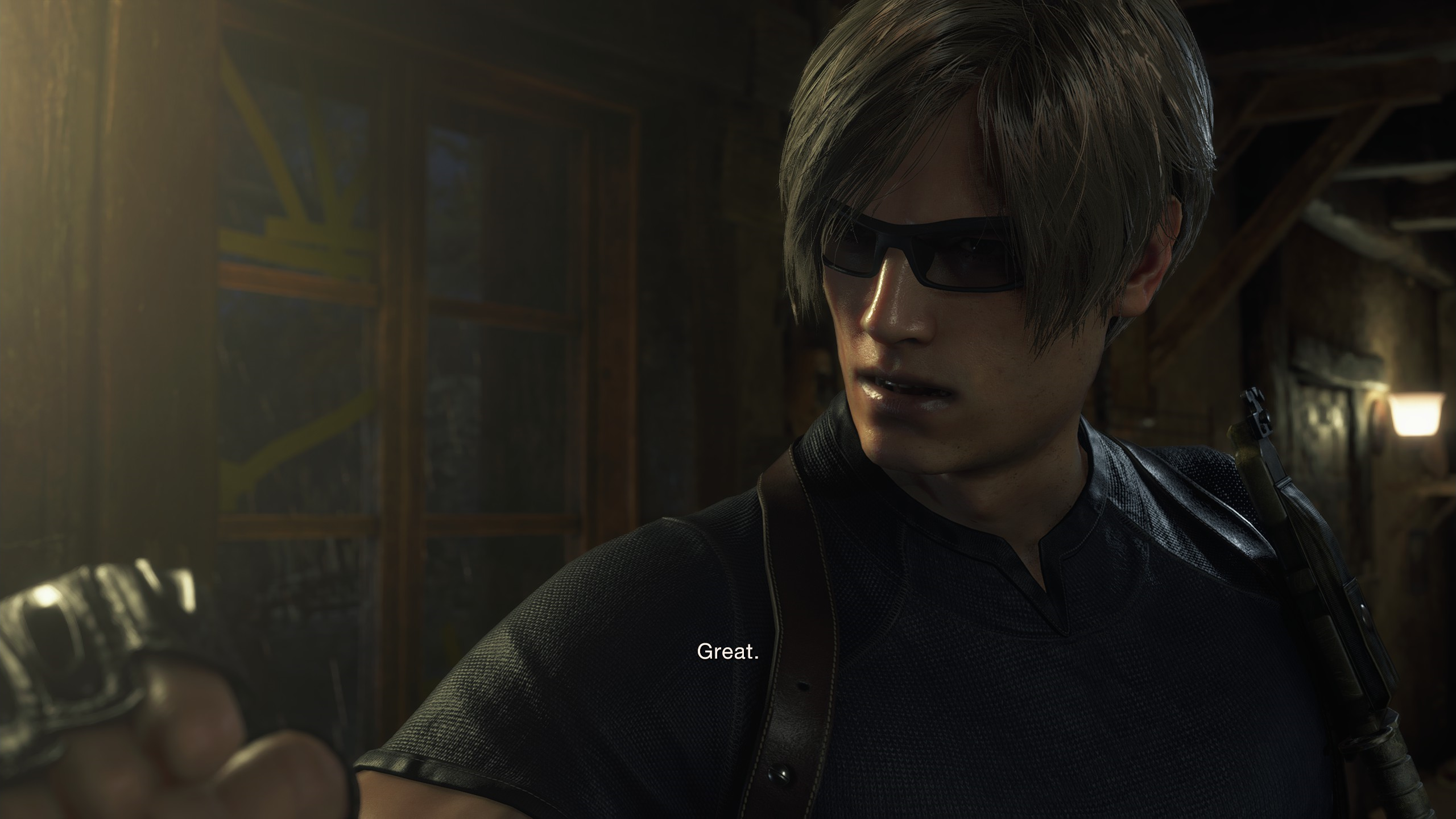
For those wondering why 2023’s shiny new edition of the enduring survival horror classic was missing from that re-release list last week, here it is. Call it a technicality if you want, but despite sticking a bit closer to its revered original source material, this RE4 still follows in the footsteps of 2019’s exemplary take on Resident Evil 2 (and the slightly less successful 3) in it’s ambitions to re-imagine, rather than strictly remake, a classic without feeling the need to replace it. And it does so with flying colours: I didn’t think any of the modern Capcom Resident Evil takes could match that incredible version of 2 – which essentially got me into survival horror games, after all – but despite a much heavier action focus 4 probably just about exceeds it in quality. Somehow.
The 2023 iteration of Resident Evil 4 is so good that I found myself at times regressing to the adolescent mindset I had while playing a great JRPG: deliberately shortening my play sessions just so I could have more of them in the future. The older, more wizened version of Leon S. Kennedy is a blast to play in this modern era of stone-faced videogame protagonists, as he’s still always ready with a lactose-loaded one-liner no matter how horrifying the foe he’s just vanquished.
His newly re-tooled combat loop brings in the crown jewel of a ridiculously overpowered knife parry that unlocks a host of crunchy possibilities. A raft of varied lessons have been learned from RE 7, 2, 3 and Village about pacing and player expectations that are put to devious use throughout the game. Naturally – PC launch week aside – it looks and runs as pretty as can now be expected of a modern Capcom title – which is still a great thing to be able to say in 2023. And the game’s heftily overhauled DLC somehow feels even better.
Just call me the 2027 Springboks, because I can’t wait for number 5.
5. The Legend of Zelda: Tears of the Kingdom (NS)
In mid-August of 2023, a strange phenomenon hit my podcast feed. Every NRL, AFL and Rugby Union show in my subscriptions inbox wanted to talk about the mighty Matildas, the Australian national football/soccer team tearing up the FIFA Women’s World Cup on home soil. For a brief moment, categorisation and branding boundaries did not seem to matter: ultimately, that unifying team’s incredible run through the tournament spoke to the sporting fan inside every mic holder. But the strangest thing about that all-encompassing wave is that it was the second instance of such a phenomenon I’d experienced in 2023.
Because almost exactly three months earlier, every Playstation, Xbox and PC podcast on my feed wanted to talk about The Legend of Zelda: Tears of the Kingdom. And I do not blame them.
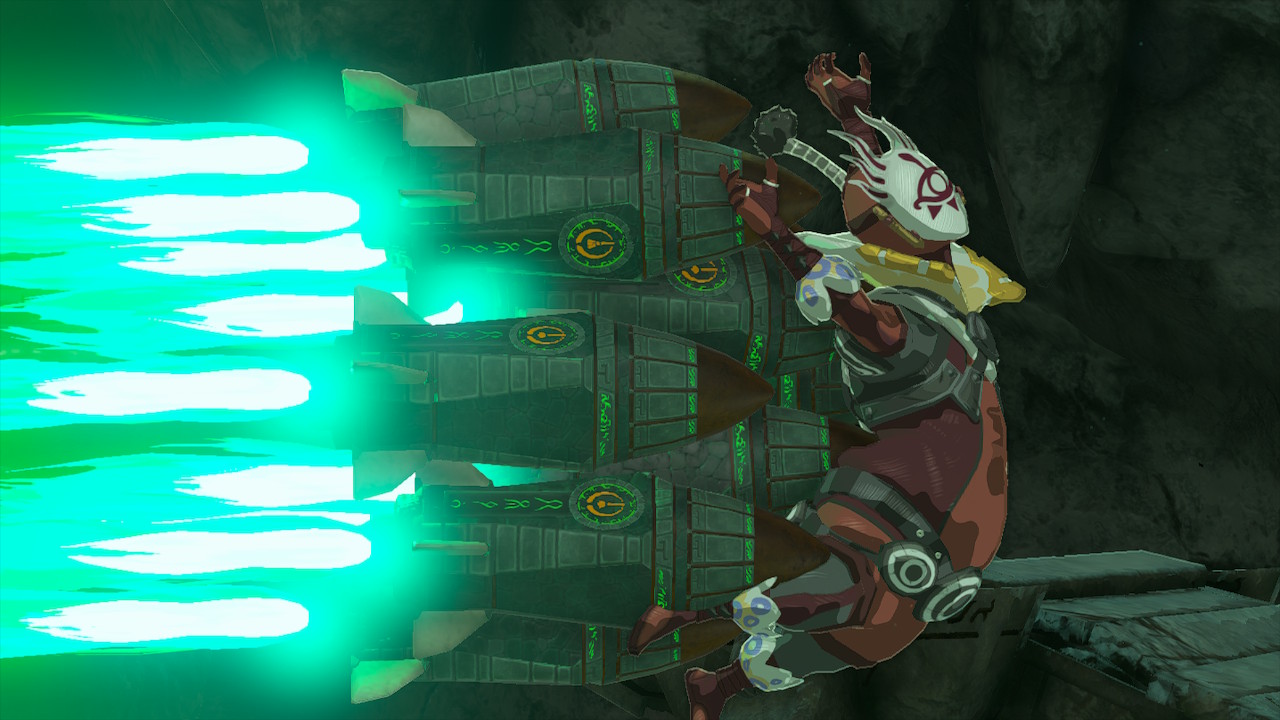
In many ways, Tears is an outstanding achievement in game engineering: every chemistry and physics system from Breath of the Wild is cranked up to eleven as a ridiculously deep machine-building system worthy of powering an entire separate game is dropped into a Hyrule sandbox that’s now triple the depth, with an entirely new underworld map housing treasures that interact directly with an unforgiving skybox without a care in the world if you ever work out how to navigate it. This is a game that wants you to clip through the ceiling as a feature; it is orders of magnitude more mechanically complex than anyone could have possibly dreamed, it runs on the freaking Nintendo Switch, and yet it just does not crash.
Tears also takes full advantage of a move unprecedented in the triple-A gaming space – re-purposing an entire game world – by ensuring nearly every character from BotW gets a sequel sidequest and/or follow-up lore; every locale a remix built especially with returning player expectations in mind. It brings great boss fights roaring back to the Zelda series, among other franchise staples (some more successfully than others). It tells arguably a top-five Zelda story with the greatest Master Sword pull in the entire series. Its extended finale is an all-timer for the books. It will justifiably be many people’s Game of the Year.
It isn’t mine. I find the “open-air” formula creaks a bit under the pressure of newly-heightened narrative ambitions, the game can’t possibly compete with the sheer wide-eyed freshness of its predecessor, and I honestly don’t think I can stomach another triple-digit hour Zelda after this one. But still. What. A. Videogame.
4. Alan Wake II (PC)

Remedy Entertainment has now made it three from three in the last decade – at least as far as the Vagrant Rant books are concerned – with what is probably their best videogame ever. Alan Wake II arranges slices of non-linear storytelling into a delicious gourmet sandwich that leans more confidently into esoteric Scandanavian unease than anything else the Finnish flex masters have ever put out into the world, referencing every other Remedy project as it goes and leaving you clamouring for more by the end.
The decision to lean into full-tilt survival horror more than any prior Remedy game is a double-edged sword, as the combat systems don’t hold a candle to modern Resident Evil, but nor do they need to when the environments are this gorgeously spooky. Each trek through those stupid woods took me right back to being a kid with a flashlight in the pouring rain at night; they are the most believable I think I’ve ever inhabited within a game. Yet the fantastical dreamlike locales are just as pretty and just as creepy. Your PC will certainly pay the toll if that’s where you play, but this game is worth that price. And the sound! Such immersive ambience, such a cracking licensed soundtrack, such gob-smacking use of original tunes to shake the boundaries between forms of entertainment media.
There are thick, juicy questions popping up from the first moment the player gains control until the end of the credits. Neither of the two playable characters, one a veteran who lends his name to the title and one a newcomer with a brilliant analytical streak, are quite what they seem at first. Real-life Remedy director Sam Lake plays a major supporting character, the in-universe “fictional” character based off that supporting character, and the actor who plays the film adaptation of that fictional character, each appearing within the span of mere hours. There are low-budget live-action TV spots where two brothers played by the same dude try to spruik their own inventions, and each one had me cackling. This game is weird, man, but it stands proudly on its own as a piece of art that cannot and should not be ignored.
3. Baldur’s Gate 3 (PS5)

If the first two thirds of 2023 were defined by a never-ending wave of nostalgia-powered videogame releases practically tailored to my own established tastes, the final third seemed intent on challenging my historic resistance to western RPG productions. In short order Starfield and Cyberpunk 2077: Phantom Liberty would leverage the trappings of shooter gameplay to crowbar all that self-expression nonsense down my throat to pretty decent success. But Baldur’s Gate 3 had no such advantage with me.
Just about none of the game’s interface elements held any familiarity as far as I was concerned, and so the strength of the game’s presentation, mechanical depth and character work simply had to shine through if it was going to have any chance of avoiding the same proverbial pile where I put most western-flavoured RPGs, never to be touched again. And they would do just that in due time, but only because of the game’s secret greatest weapon: an astonishingly thoughtful implementation of multiplayer that really feels like you’re playing a virtual session of Dungeons & Dragons.
Playing BG3 online with two mates when we all have busy adult lives may not have allowed for a ton of story progress through 2023’s final quarter, but each of our online sessions has provided side-splitting laughs, tense dice rolls, stiff challenge and – in the multiple cases we’ve experienced full-party wipes – clear evidence of mind-boggling attention to detail when it comes to branching choices with proper, measurable consequences. The visual fidelity of Larian Studios’ character and enemy models is also shockingly good, as are the epic musical score and clever console-optimised controls. It may take another whole year to finish at my current pace, but from all angles Baldur’s Gate III is a barely-believable videogame, and there is no doubt in my mind that it belongs right up on the podium of my 2023 Game of the Year list.
2. Hi-Fi Rush (PC/XSS)

As someone who enjoys following and discussing videogames at least as much as actually playing them, it’s near-impossible for me to separate the considerable merits of Hi-Fi Rush from the magical circumstances of its release. Announced and then immediately dropped on players during a switched-on January Xbox showcase that already seemed to hit all the right notes – and which aired the exact hour I was in the air travelling interstate – I hopped from airport to shuttle bus to Uber ride downloading the game on my then-brand-new AyaNeo Air handheld PC via hotspot, then played the first level in a foreign city while bathed in freshly-minted disbelief at what I was experiencing. On that day, the potential for gaming quality in 2023 seemed endless.
Hi-Fi Rush is exactly the kind of game the Xbox ecosystem has been crying out to have in its catalogue ever since the Xbox One blew its chance with Insomniac way back in the Sunset Overdrive days. Developed by horror studio Tango Gameworks as a small passion project, it represents the kind of risky move that the whole Game Pass deal is supposed to encourage. It is a balm for any soul drained by overexposure to the self-serious open-world dross all around the industry. It takes a brilliant idea – rewarding every deliberate movement ability and attack if performed in sync with the beat of the world – and tunes it to perfection, squeezing out all kinds of implementations and ramping up their complexity at a pace to die for.
The game is completely bloat-free, resisting every contemporary urge to stuff time-soaking side content into places it was never needed. The candy-coloured cast of characters is one of the most endearing and memorable in a new IP I can remember, led by a manic Saturday morning turn by Robbie Daymond as lovable dumbass Chai. Several of the jokes, slapstick moments and pieces of cutscene direction had me laughing out loud. Despite starting the game on day one, I only finished it months later because I used its level breaks as energy-injecting palette-cleansers between other games. I was stuck on one boss for hours, and after each Game Over I hurtled back in with a massive grin.
Hi-Fi Rush is the best Xbox exclusive of the year, the greatest unannounced shadow drop of all time, and the 2023 Vagrant Rant Game of the Year runner-up.
1. Sea of Stars (PC/XSS/XSX)

What do you get when you take the visual scaffolding and space-conscious battle stances of Chrono Trigger, mix in the puzzle-laden world design and charming bloop-text boxes of Golden Sun, sprinkle on the timed hits and choice-based levelling of Super Mario RPG and its later inspirations, add a pinch of systematic combat ‘lock-breaking’ a la Octopath Traveller, then tie everything together with the ambitious, twist-happy story chops of The Messenger – from that game’s talented development team no less? Well, you get a game that fires on all of its cylinders nearly all of the time, and you get my favourite videogame of 2023.
Sea of Stars is many novel things: it was the first game in history to join both Xbox Game Pass and Playstation Plus Extra on the day of release, which is great because the game runs smoothly on every available platform; it was the criminally under-celebrated winner of Best Indie Game at the 2023 Game Awards despite a stacked list of worthy competitors; and it’s easily the best game I’ve played to be born from a Kickstarter campaign (Psychonauts 2 escapes this one on a technicality, though even if it hadn’t that statement might still ring true). But it’s also just impeccably well-made on a level that will continue to amaze me when I think back on it for years to come.
A passion project that throws all of the weighty above influences into a blender and then dares to ask not only how it can make them sing together, but how it can actually improve upon them, Sea of Stars very quickly becomes its own beast once it has its narrative hooks in you and you’ve tasted that crispy combat. What’s more, this story has properly considered its lore, and it even offers you optional ways to foreshadow major reveals if you’re thorough, but the real strength comes from its characters; Garl the Warrior Cook will likely go down as one of my favourite RPG characters ever. The game boasts music from the incomparable Yasunori Matsuda on its soundtrack, but main composer Eric W. Brown absolutely holds his own to sell jaunty calls to adventure as effectively as devastating emotional blows or ethereal, world-defining twists – areas in which Sea of Stars is certainly not lacking.
Sure, the English localisation is deathly afraid of commas, and the game leans fully into old-school design sensibilities when it demands completion of almost all the ample side content to unlock the story’s so-called true ending. But Sea of Stars is the first all-new game in 20 years to capture and keep that magical feeling I used to get when playing the pixel RPGs of old, and considering how many developers have attempted to do just that over the years, that is a mighty formidable accomplishment.
-◊-◊-◊-◊-
Honorable Mentions
–Octopath Traveler II (NS)
Backed by a much shorter hype cycle than its five-year-old predecessor – which I adored – and without the sheer dazzling novelty of a brand-new art style in its corner anymore, Octopath Traveller II still stands as one of the most impressively confident sequels I have ever played. It’s just a shame I didn’t play enough of it to feel comfortable pitting it against the heavy-hitters above – or, I’m told, to witness most of its most powerful moments. I instead chose to spend 97 hours finishing Persona 3 Portable for the first time. Yep, that was a reeeaaally well-timed decision.
–Bayonetta Origins: Cereza and the Lost Demon (NS)
This wasn’t the year for Cereza and the Lost Demon, a Bayonetta prequel that shocked all but the most devoted of secret-hunters within the series’ fanbase when it was announced mere months before launch. Far better than any of 2023’s overlooked 7/10s but without any real point of comparison for its novel dual-stick gameplay to latch onto, it will probably have to live on in perpetuity as one of the Switch’s most underrated gems.
–Honkai Star Rail (Mob)
All the wonderful audiovisual chops of Genshin Impact but with a sci-fi setting and much more engaging turn-based combat: an irresistible prospect if ever there was one, and a fantastic product all-up. It’s just definitely still a modern mobile game, monetisation strategy and all, and I could not bring myself to invest fully in one of those in a year like 2023.
–Starfield (XSX/PC)
Say what you will about this game – and plenty of people have – but it had me playing for far longer than any previous Bethesda-developed RPG. I’m just such a sucker for ship combat stuff. I won’t say it’s turned me into a fan of the Bethesda formula, but I enjoyed my limited time with it.
–The Murder of Sonic the Hedgehog (PC)
Closing off perhaps the greatest quarter for shadow drops in videogame history as an April Fools release, this bite-sized, fan-driven whodunnit with a generous sprinkling of old-school Sonic gameplay is remarkably well-produced and absolutely delightful from start to finish. It’s also completely free.
–F-Zero 99 (NS)
Despite the ongoing pleas of the long-suffering fans for a “full game” in the series, the one we got this year is just such a clever use of the long-dormant IP. I have never felt the “one more race” pull in the F-Zero series like I do when I boot up this helter-skelter leaderboard-chaser.
–Suika Game (Mob/NS)
Hey, if Vampire Survivors gets to soak up the accolades for its brilliant simplistic addictive design, I’m not going to let the year end without shouting out this colourful, magnetic, infuriating time thief.

 Vagrant Rant