That one really snuck up on us, huh?
Before September, I was ready to sing the praises of 2025’s evenly-paced major videogame release schedule like it had finally cracked some previously unseen cadence code. Sure, I was 90% sure the convenient rhythm was an accidental side effect of increasingly longer development schedules just about everywhere, but there was pretty much always an interesting game release (or three) just around the corner, and a lot of them were really good. Of course, I enjoyed that immensely.
Then everything changed. While 2023 made headlines in all relevant places for its perceived overall quality as a videogame release year, that one was largely filled with known quantities we had time to anticipate; the final quarter of 2025 was all about heat from surprise sources and/or surprise release dates. By the time we reached an unusually barren November (probably GTA VI‘s fault), there were more 2025 games with 80+ Opencritic scores and passionate fan followings than any regular person could conceivably play. And they were all so varied! Co-op experiences returned in a big way, the needlessly controversial “interactive story” umbrella had a vintage year, and I don’t think there’s ever been a better time for roguelike reception. What a year to be into this hobby.
Add on a brand-new Nintendo console with something to prove, even more big moves into the handheld PC market, and comfortably the best year for Xbox Game Pass ever (for videogame releases, definitely not pricing or PR); now there’s a recipe for a good time.
My criteria for game eligibility is at least five hours of play time, unless time is an irrelevant factor to understanding the experience (i.e. multiplayer games, or really short ones). That disqualifies the following games I had at least some interest in: ARC Raiders, Fast Fusion, Kingdom Come Deliverance II, The Drifter, Urban Myth Dissolution Center, Consume Me, LEGO Party, The Alters, Fantasy Life i, Pipistrello and the Cursed Yoyo, Sonic Racing CrossWorlds, Rift of the Necrodancer, Ninja Gaiden 4, No Sleep For Kaname Date, Digimon Story: Time Stranger, Like a Dragon: Pirate Yakuza in Hawaii, Daemon X Machina: Titanic Scion, Hyrule Warriors: Age of Imprisonment, Citizen Sleeper 2, and most unfortunately, Ghost of Yotei and Blue Prince.
If a game isn’t in the above paragraph or the list below, I either just didn’t like it enough, or you can find it my re-releases / expansions countdown. Even so, my draft Honourable Mentions roll is so large this year that I’ve decided to weave some of them into the main list wherever a nearly-there game seemed similar enough to one in the top 15 – anything to shorten the page even a little.
Parentheses indicate the version/versions of each game I played in 2025. Let’s go.
-◊-◊-◊-◊-
VR BEST OF 2025 DISCLAIMER
This list represents my opinion only. I am not asserting any kind of superiority or self-importance by presenting it as I have. My opinion is not fact. Nobody ever agrees with me 100%. Respectful disagreement is most welcome.
-◊-◊-◊-◊-
15. Rematch (XSX/PC/PS5)
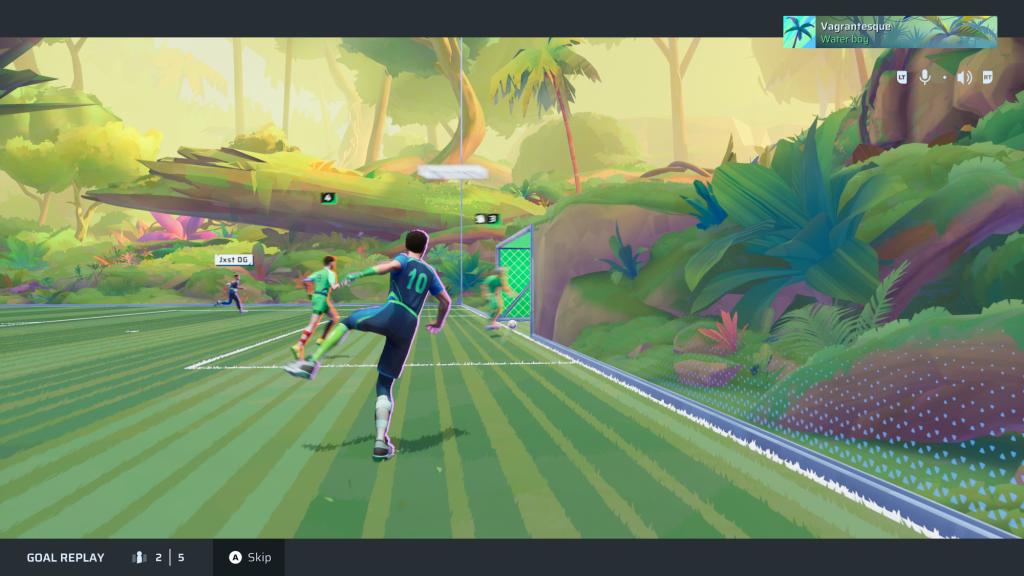
It doesn’t matter if it’s relatively bare-bones, seems derivative, or has its fair share of jank; Rematch feels incredible to play. It’s also the only game this year I bought on a second platform (without the luxury of cross-progression) and started from scratch again just so I could play with friends, and that in itself says all I need to say about how much of a hold this 3-5-a-side cartoon football simulator had on my thoughts, feelings and desires in the middle of 2025.
It even cost the surprisingly whimsical, delightfully tactile and often satisfying Drag X Drive a shout-out position on this list – and I really wanted to give that game its flowers here – because the competitive essences of the two games are so similar at the end of the day. DxD feels better to play in a tactile sense, and encourages a surprisingly wholesome online community, but a win in Rematch after a perfectly-executed team move with mates after saving a certain goal is like digital crack. So Slocap’s admirable “Rocket League with people” gets to, um, kick off this year’s incredibly strong list.
14. Pokemon Legends: Z-A (NS/NS2)
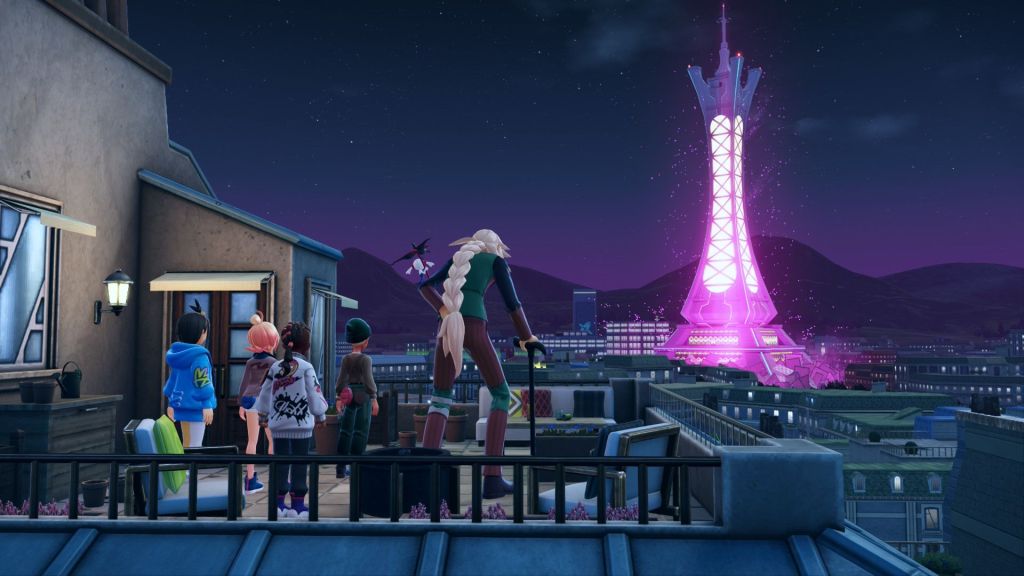
Just the second game in the unstoppable Pokemon juggernaut’s relatively new “Legends” series, design-wise Z-A moves about as far away from the trendsetting Pokemon Legends: Arceus as possible: that game was all untamed open wilds, minimal human interaction, de-emphasised battling and hyper-tuned catching mechanics; this one is both a celebration and indictment of urban sprawl within a single city, with colourful verbose characters around every turn and an almost hilariously insatiable attitude to Pokemon duels that puts any game in the traditional main series to shame.
The game is evidently super-proud of its experimental real-time battle system, but that isn’t what lifts it onto my list; rather, it’s the fulfilment of a decade’s worth of unresolved Pokemon X/Y foreshadowing by way of a genuinely endearing main cast that succeeds at feeling like an RPG party where X/Y failed, as well as a frequently hilarious localisation that turns random NPCs into memetic heroes. Oh, and the game actually runs properly, so evidently that wasn’t too much to ask.
13. Metroid Prime 4: Beyond (NS2)

It’s hard to believe the first-person Metroid follow-up that fans have awaited for eighteen years – and that has been at least eight years in the actual making – only came out earlier this month, because so much gaming discourse has happened since. But the division of opinion on Metroid Prime 4 happens to line up pretty neatly with my thoughts on the game: it is both a cutting-edge showcase for Nintendo’s current consoles and an unashamedly, uh, retro throwback to a classic game design philosophy.
Indeed Retro Studios has made the most technically polished, visually stunning game on the Switch 2, with some of the most impressively modern options menus you will find anywhere in a Nintendo game and control schemes that sing as they switch seamlessly on a whim; but the game itself seems as if it was built from design documents left on an Austin desk right after Prime 3 shipped. Naturally, I love this angle; just look at all the games in the intro that Samus and friends beat out. I especially enjoy the hub area Sol Valley, which follows the post-Link to the Past, pre-Skyward Sword Zelda school of overworld design last seen in the wonderful Chapter 4 of Paper Mario: The Origami King: if you see something weird sticking out in that desert, it will reward you if you choose to check it out. I think that’s pretty refreshing in 2025.
12. Sword of the Sea (PC)
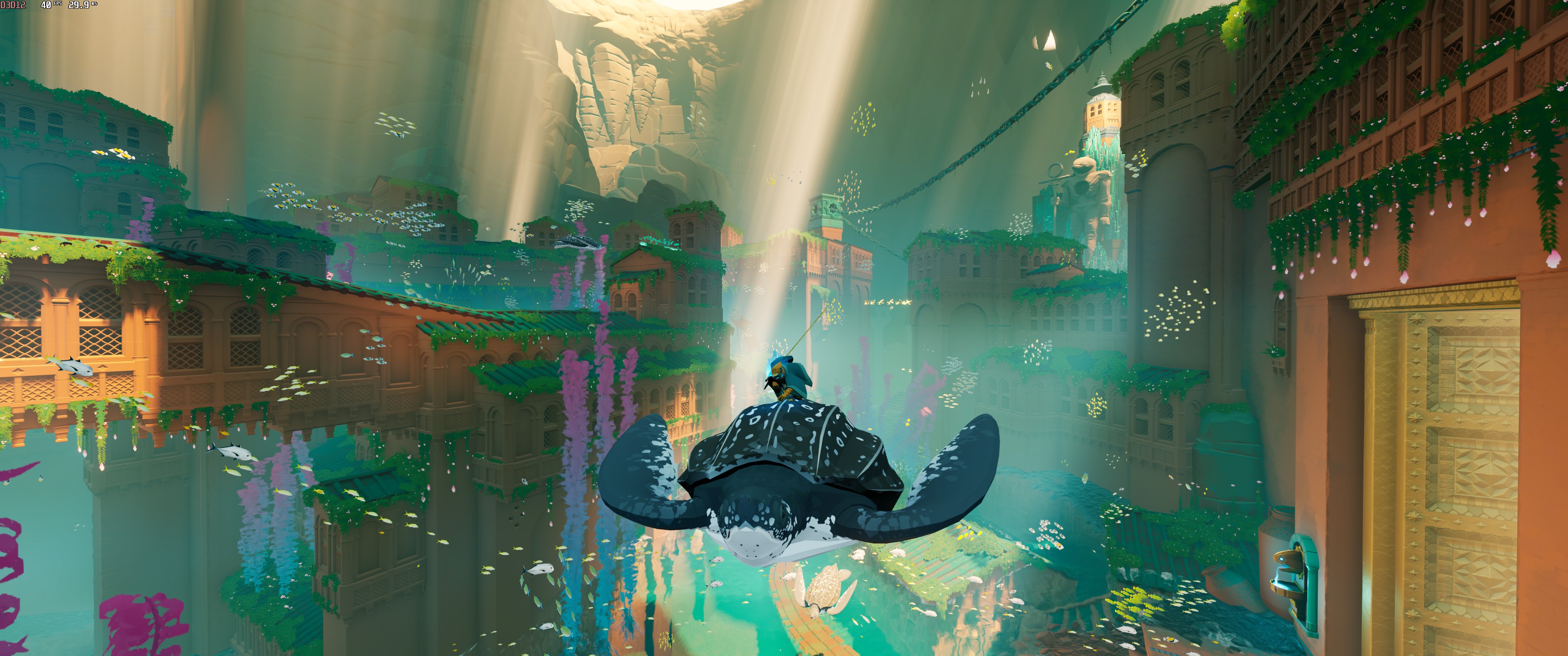
My oh my, did the “zen game” return with a vengeance in 2025. This slot could just as easily have gone to Double Fine’s Keeper, a grand tour of oddball architecture, clockwork whimsy and saturated picture book forestry that dares to ask “What if you controlled a drunk lighthouse, and what if it wasn’t even really a lighthouse?” It also could have gone to Skate Story, a very late 2025 drop that asks the even more crucial question “What if you really needed to eat the moon, but to do that you needed to skate forward for ages while listening to lo-fi-adjacent Blood Cultures tunes?”
Comparatively, Sword of the Sea is a simpler prospect: What if the people behind Abzu and The Pathless made a game that was all about how good it feels to move quickly across massive spaces? The answer is virtual gold, but Giant Squid’s track record could have given that away. The titular sea is alternately made of sand, water and ice, the sword is essentially an all-terrain surfboard, and you play its rider. Puzzles are always spatial in nature and rarely stop your momentum, leading to chains of successive satisfaction around every second drift-turn. Returning fans will also pick up on a few nods to what is now definitely a Giant Squid universe, which is a cool touch.
11. Silent Hill f (XSX)
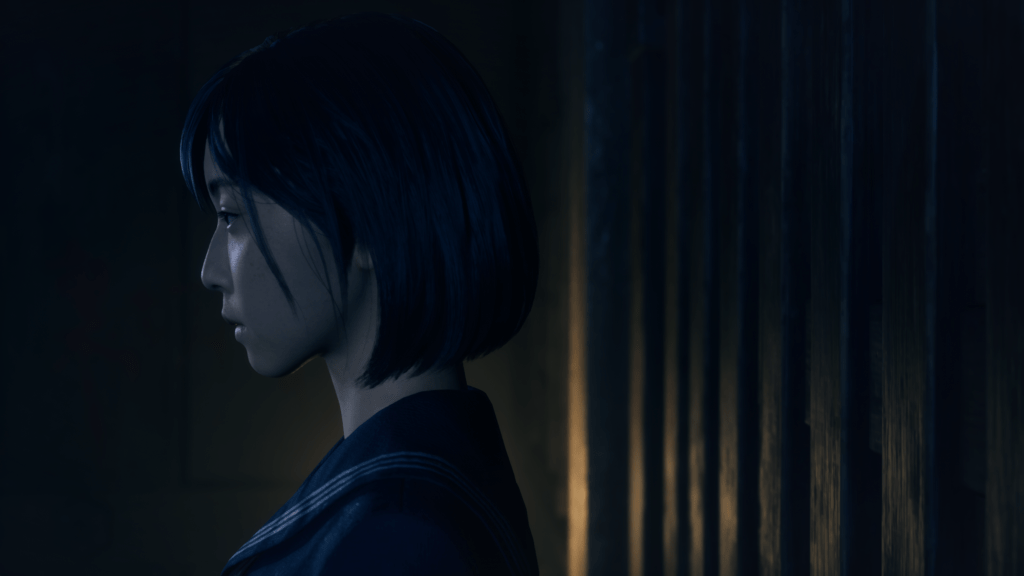
Hey, here’s a thought: this is the best original Konami game in a decade!
Not only was last year’s excellent Bloober Team-powered Silent Hill 2 remake no fluke, but the remarkable franchise left turn Silent Hill f is arguably just as effective at instilling dread and discomfort in a relentlessly compelling package, despite an entirely different setting and development team. I may not be a teenage girl living in Japan in the 1960s, but the thematic personal/familial/societal overtones of SHf hit me hard regardless, thanks to a pointedly oppressive atmosphere that infiltrates every level of the game’s presentation – including, yes, that dreadful Unreal Engine 5 performance.
Eventually a satisfying gameplay loop does appear, and it unmistakably gathers pace in the final act, but new primary devs NeoBards are far more concerned with making you squirm and chilling your blood; everything from the desperate combat to the hazy puzzles to the frustratingly minimalist inventory serves the goal of helping you feel protagonist Hinako’s tragic isolation as the metaphorical walls of her life close in around her. Against all odds, Konami’s long-mishandled juggernaut has returned to form, and the most expensive new videogame of 2025 (at least here in Australia) is somehow worth it. Silent Hill f beats out the year’s other standout example of a deliberately-paced, viscerally uncomfortable survival horror experience, the combat-focused sci-fi hellscape Cronos: The New Dawn, to the main list.
10. South of Midnight (PC)
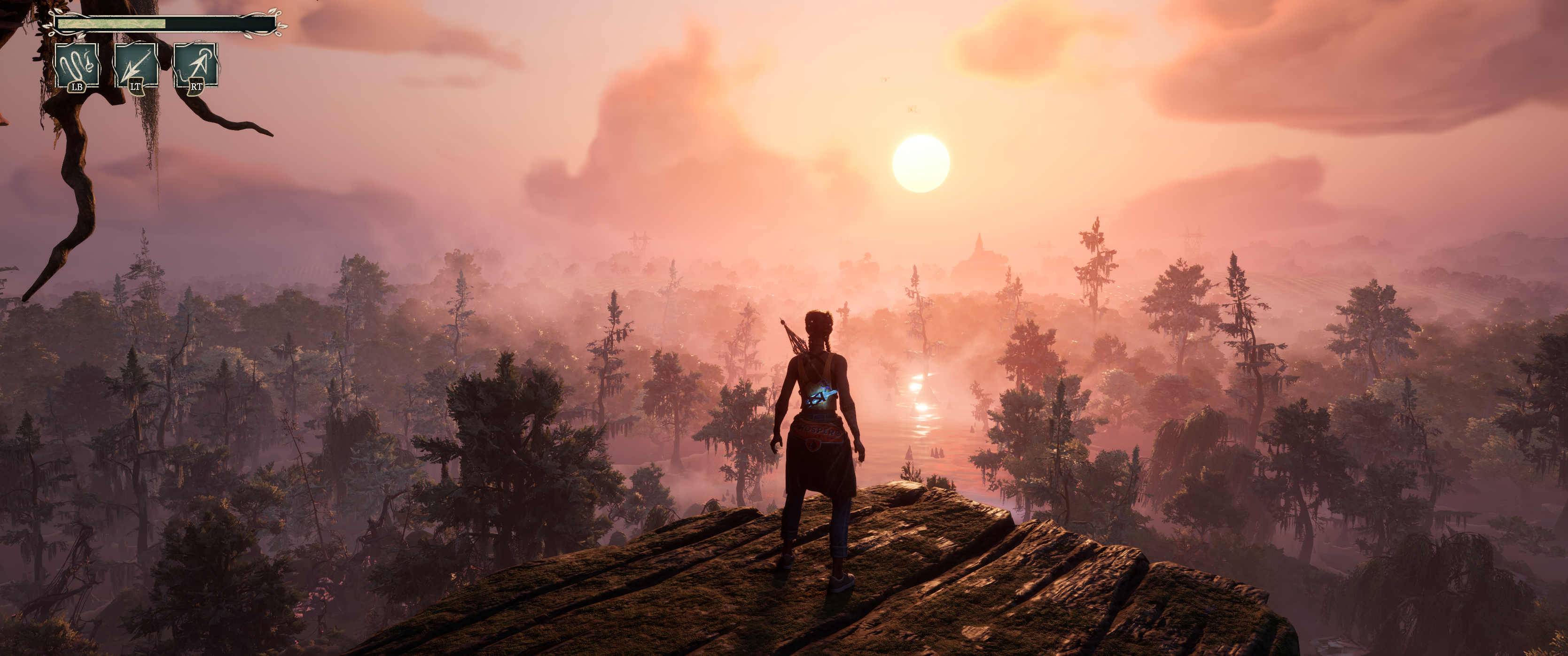
Sometimes a game you’ve been told may be a solid 7/10 just hits with your specific tastes at exactly the right time and shines like a stone-cold 8.5. This doesn’t happen to me all that often these days, but 2025 happily ushered South of Midnight into that exclusive club as far as I’m concerned. A perfect 10-12 hour $70 experience that fits into Game Pass like a glove (for context, here in Australia big Xbox games are $120 or more), the simplistic yet satisfying platforming calls to mind the likes of Recore, while the collectible-laden linear world design and combat flow scream Kena: Bridge of Spirits – though thankfully said combat is much fairer here.
But digestibility isn’t even half of South of Midnight’s appeal: some truly stunning artwork and animation – with or without the stop-motion effect turned on – combine with a Broadway-esque soundscape to bring to life a deep-south-USA setting with a unique chipper-melancholy tone and fascinating lore. The big set pieces really hit with a decent screen and the sound cranked up. Sure, the combat arenas get a bit samey in the final third, but really the most upsetting thing about the game is that its protagonist Hazel Flood stands out so immediately from a design and power-set standpoint that I found myself longing for that theoretical Playstation All-Stars-like Xbox mascot fighting game we will never get; she would have fit perfectly next to Chai from Hi-Fi Rush, if Microsoft hadn’t let that franchise go…
9. Dispatch (PC)
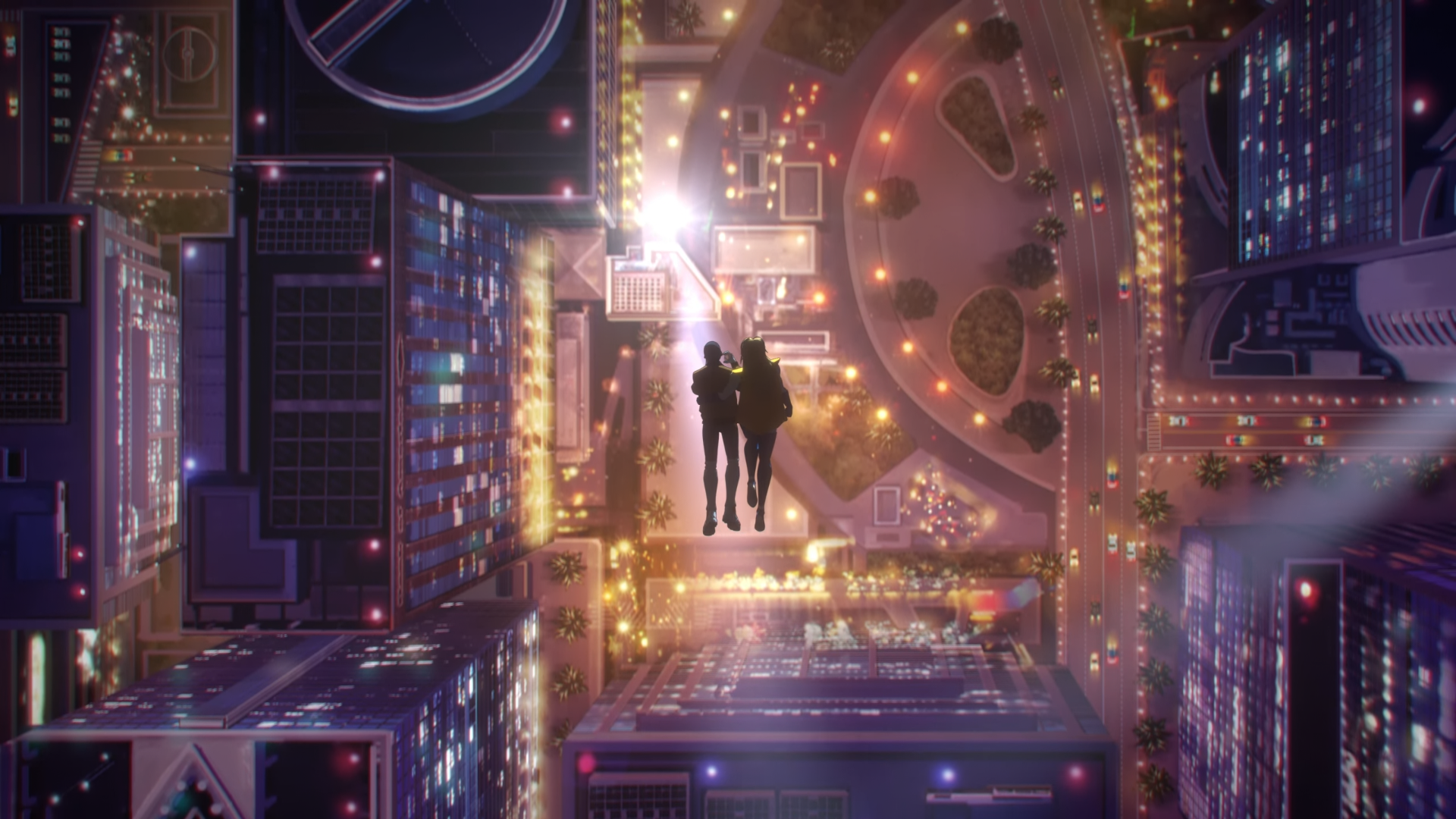
What a wonderfully welcome return. After six long years in the wilderness trying to re-assemble a team, the battered bones of Telltale Games have at long last graced us with a project that lives up to the influential former devs’ best work. In a few areas the shiny new AdHoc Studio’s Dispatch even exceeds the heights of the likes of The Wolf Among Us and Tales From The Borderlands – with some of the same cast thanks to a fruitful partnership with Critical Role – combining embattled experience and exciting new talent to produce a winner that successfully engrossed a new generation of fans with water-cooler magic for a whole month.
It looks way, way better and has much more compelling gameplay than anything from TTG’s golden 2010s run, but above all Dispatch is a timeless story about super-powered second chances that keeps you coming back for eight episodes straight. Aaron Paul’s performance as the humbled, occasionally snarky protagonist holds everything together, but the rest of the voice cast is excellent all the way from the incomparable Jeffrey Wright right down to the risky influencer players. Thanks to smart direction, a liberal dose of stupid humour, and of course the odd unbearably tense lose-lose decision, Dispatch comes out ahead of just about every pre-launch expectation as a worthy successor to Telltale’s legacy.
8. Hollow Knight: Silksong (NS2)
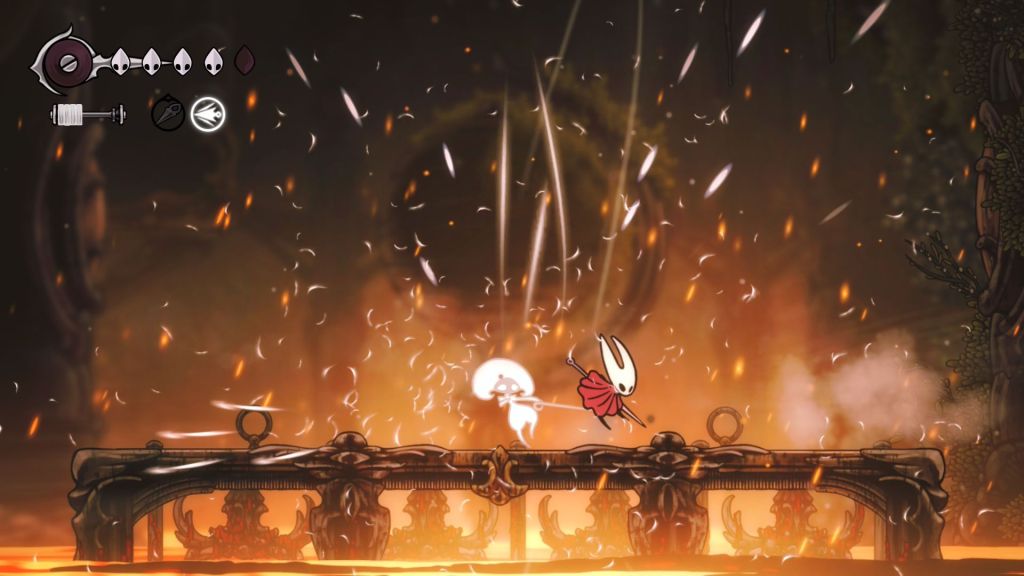
Okay, it’s cop-out time. From here on, the difference in quality between the games on this list gets much, much tighter. In fact if you want, you can virtually think of every game from position 8 and up as a worthy Game of the Year winner in my book, which puts me in the unusual position of feeling like I need to justify why every slot from #8 to #2 isn’t my personal GOTY. But suffice to say, they’re all incredible.
Almost certainly the biggest example in videogame history of a sequel elevated well beyond its realistic target audience through sheer meme-powered curiosity, Hollow Knight: Silksong very quickly became yet another lightning rod for game difficulty discourse on release when it humbled an ocean of unprepared players – and many more prepared ones. But Hornet is a capable, powerful protagonist who grows in skill with the player, and I cannot remember playing a 2D game that feels more responsive – especially in 120 frames a second with delectable HD Rumble on Switch 2. Team Cherry’s leisurely world-building is unfathomably deep, at times hauntingly beautiful, and repeatedly rewards genuine curiosity. Many of the character designs are unsettlingly cute. The sound design is once again a winner. The lore will feed online communities for years.
Silksong has taken up many positions at the top of people’s Game of the Year lists, and it’s worthy of mine. Except that its extremely long-awaited early September arrival heralded the transformation of 2025 from a beautifully-paced parade of gaming quality to a barrage of banger after banger, and after a couple of weeks I began to feel that familiar sting of lost time on every death. Rather than risk external factors turning me against the game, like what happened with Nier Automata eight years ago, I decided to move on and keep my reverence intact, for me to potentially pick up again later. So that’s why the game isn’t higher up, but it’s also why the game didn’t tumble off my list entirely.
7. Lumines Arise (PS5)
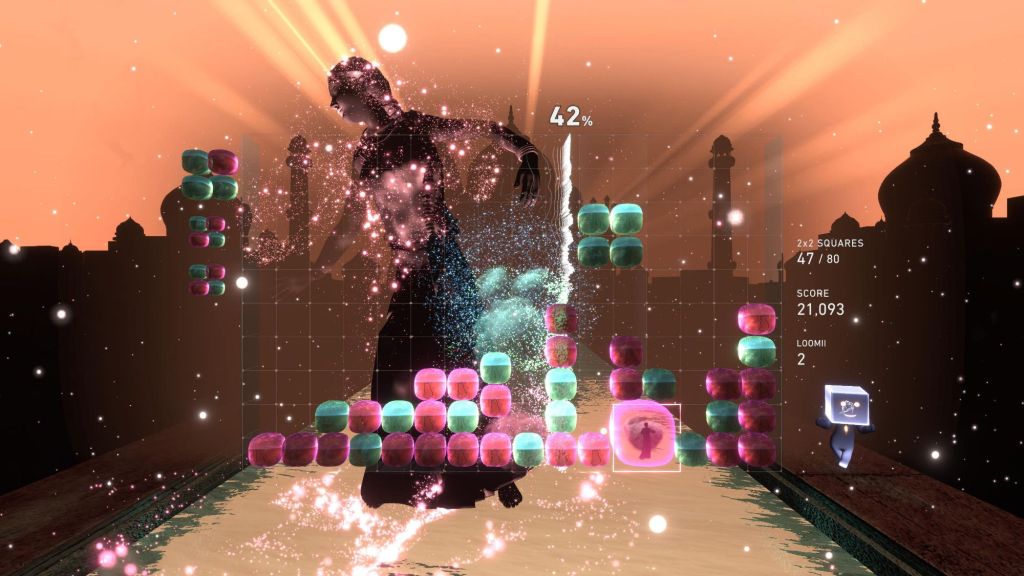
Right after PSP-era puzzle series Lumines once again graced Playstations the world over to make its grand 2025 return via Arise, the next time I had an afternoon free I booted it up – and I did not stop playing until I had powered through that Journey mode. I was extremely rusty – and I was never good at the block-matcher to begin with – but each time I failed I went straight back in, because this one is a capital E Experience. I was completely engrossed in the sights, sounds and tactile feel at every turn, and there were moments the sensory presentation actually got me to tear up; for the first time since the PS5 came out I wished I had a VR headset handy.
Much like Tetris Effect before it – which I shamefully failed to play in time to truly consider it for the 2018 GOTY list – Lumines Arise aims to assist the player in achieving a puzzle-solving flow state via novel block themes, an array of overwhelming visual effects, and a kickass soundtrack. But Lumines has always had music – particularly of the electronic kind – built right into its design, so Takashi Ishihara’s latest attempt at emulating synesthesia arguably exceeds Effect in its, uh, effectiveness. Set up like a series of concept EPs that swell, taper and flow effortlessly from track to track, this one is really special.
In fact it’s worthy of my Game of the Year, but I really don’t want to feel like I just put it up there to make up for that horrible Tetris Effect whiff.
6. Split Fiction (PS5)
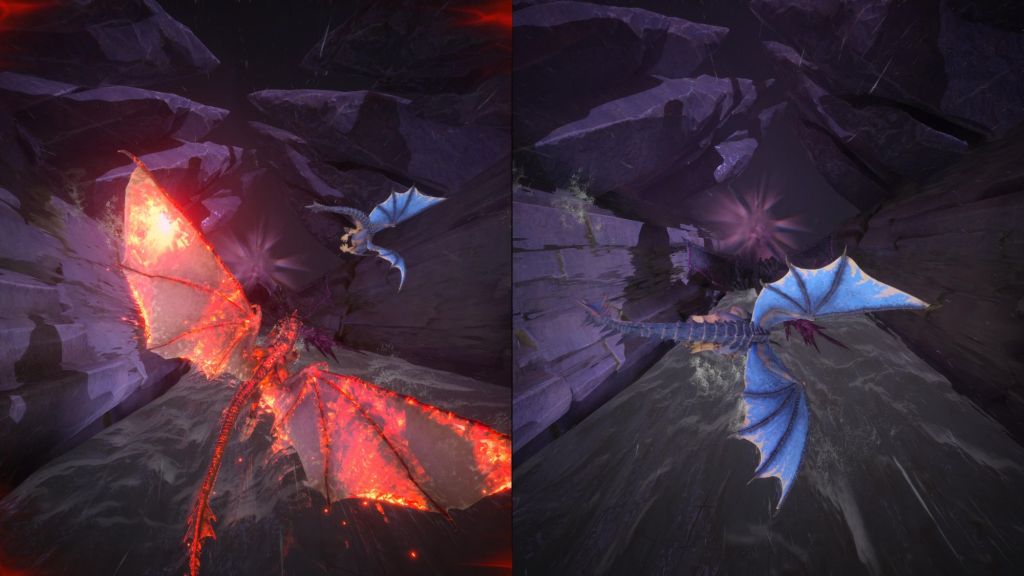
Hazelight brought the heat once again in 2025 with Joseph Fares’ latest vision for a local co-op extravaganza, this time with protagonists named after his two daughters. A killer world-building setup – often literally – allows for a double-genre framework that streamlines typically wild level design ideas into either fantasy or (often more excitingly) science fiction themes – but then still has its cake and eats it via hand-wavey offshoots that don’t fit into either basket. And then it mixes them together in both obvious and decidedly un-obvious ways.
The game’s story is broad, topical, and surprisingly rewarding, even if one of the characters takes a long time to warm up. Its visuals are often breathtaking, especially in the high-contrast sci-fi segments; Epic Games should be waving it in front of everyone on every forum as the one standout example of a major 2025 Unreal Engine 5 title that looks spectacular and runs wonderfully. It feels incredible to play, with tight controls and inventive puzzles packaged with refreshed ability sets that remain a treat throughout. Its finale is batshit insane in the best way; in fact gameplay-wise – within an awfully crowded field – it might be my pick for the best videogame finale of the year.
It’s even worthy of my Game of the Year. And yet we’ve done this dance before – arguably a bit better and definitely a lot fresher – in the magnificent It Takes Two. At least Split Fiction doesn’t have an emotional equivalent to that elephant scene, though…
5. Donkey Kong Bananza (NS2)

It was a busy year for Nintendo’s earliest videogame mascot, but the rough treatment of Donkey Kong’s Country Returns remaster in February was long-forgotten by April, when his expressive new visual redesign in Mario Kart World scared old Rareware fans into thinking the golden days of DK platforming were over. They were not.
Within three months the brand-new Switch 2 received its best-reviewed – and in my opinion best overall – exclusive title, with the big Kong and recent Ninty-fave supporting character Pauline at the centre. Donkey Kong Bananza once again finds a way to recreate that heady feel of novel traversal that lies at the heart of so many hall-of-fame Nintendo games, working from Super Mario Odyssey DNA and adding a destruction mechanic so well-optimised for the Switch 2’s rumble motors that you can tell what kind of terrain you’re destroying without even looking at the screen. And much like Nintendo’s other recent top-budget fare, it’s also rather flexible – I beat the game in about 23 hours with only half the available Banandium Gems and without once setting foot in the level where you unlock the Zebra transformation. DK’s extensive kit had an answer for that.
Bananza also features one of the heaviest-lifting finales I’ve ever experienced in a videogame, full-stop. Even those unenthused by the game’s open, collectable-driven world design are likely to get swept up in its operatic spectacle; those Odyssey devs know what’s up, and whatever comes next from this particular development team it seems we’d be wise to put our spoiler guards up and expect the unexpected.
DKB is certainly worthy of my Game of the Year. And yet it made me motion sick after a docked session on the first weekend (before I turned down the screen shake option) and it criminally underuses its banging soundtrack.
4. Clair Obscur: Expedition 33 (PC/XSX)

When Clair Obscur: Expedition 33 was announced in the middle of that incredible June 2024 Xbox Games Showcase, it looked like a plucky non-Japanese JRPG with serious potential to provide proper turn-based goodness. After that unbelievable trailer I was an absolute menace about recommending it to anyone who would listen, but not even I could have predicted that it would go on to become not just the only entirely new JRPG of 2025 of any consequence, but arguably the most important instance of the genre in years.
Melding multiple returning design sensibilities from the PS1/2 Final Fantasy glory days with the occasional demands of a modern soulslike and the wild abandon of the indie spirit, Expedition 33 joins the likes of Helldivers 2 as a genuine recent modern word-of-mouth success story, and it does so with a set of battle and progression systems capable of going toe-to-toe with the best. The cinematography, production design and overall art direction are hauntingly beautiful. The soundtrack – now famously elevating Lorien Testard from garage Soundcloud battler to prized industry target – is absolutely unbelievable. The story, while occasionally messy, is ambitious and heart-rending again and again.
The game is challenging, but there’s always a visible path to overcoming hurdles. It lovingly, consistently executes the classic “go down the wrong path to fight/get something optional and cool” trope. Even the way your character slows down for a few seconds right before a story cutscene – almost like the game is warning you to pause that grind-friendly podcast because some real story is about to happen – shows a level of dialled-in understanding that has already rocketed the fledgling, endearing Sandfall Interactive and their unconventional manor work space to the top of many’s favourite developer lists.
It’s worthy of my Game of the Year. And yet it launched with an infuriatingly stubborn hair flicker effect, ultrawide presentation glitches and an inability to hit 30FPS on my handheld PC for months no matter what I tried. The 2025 Unreal Engine 5 effect hit this game hard, dear reader, and it hurt the most in this case. The menus in the game are rough, and yeah, the game’s lack of a minimap or quest log is also annoying, even if I appreciate the artistic intent behind the decisions to omit them. It’s the small things that separate this year’s ridiculously tight top tier, after all.
3. The Hundred Line: Last Defense Academy (NS)
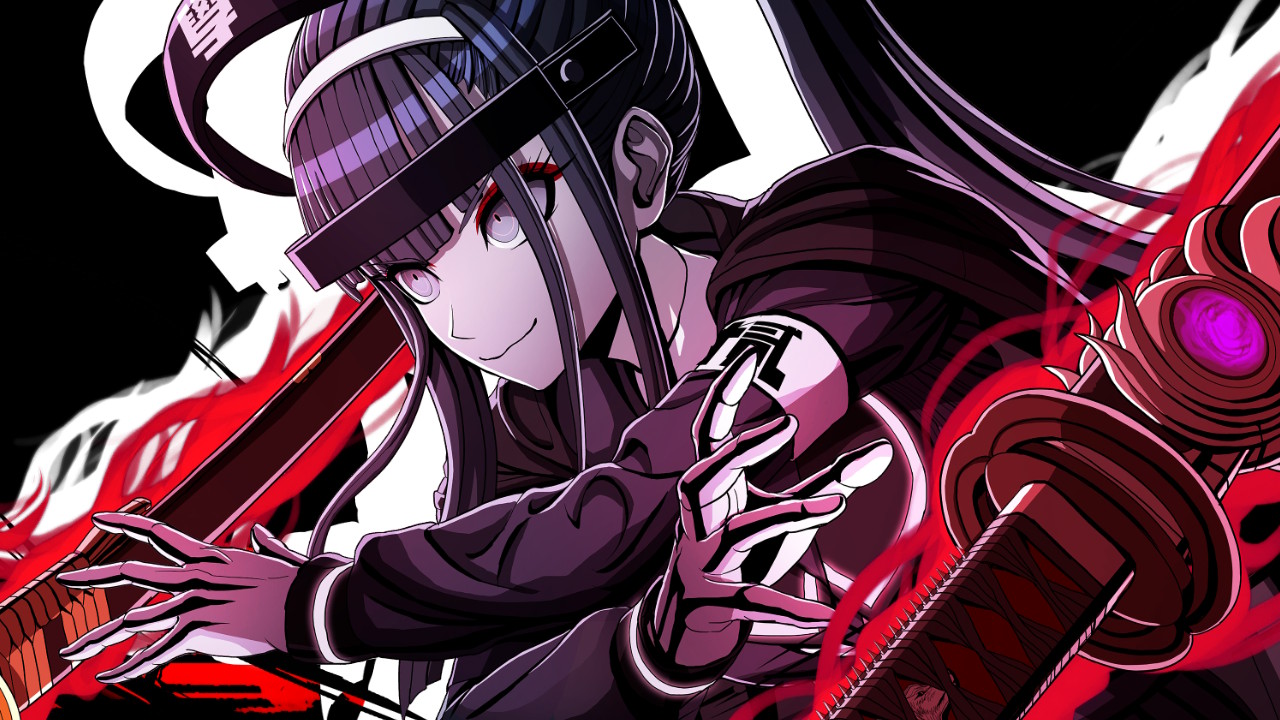
Remember at the top of this page, when I praised the majority of the 2025 videogame release schedule for its even spacing? Well there was one date that flew in the face of that for me, to a comically excessive degree: April 24th, when Clair Obscur was joined by this absolute menace of a project. A veritable all-or-nothing game dev gambit to stand alongside Fire Emblem Awakening and the original Final Fantasy in the annals of one-last-effort development history, The Hundred Line: Last Defense Academy took the dreams of an overambitious – albeit small – studio on the verge of bankruptcy and bet them all on its most ambitious product ever. And boy howdy, did it work.
There’s a surprisingly meaty tactical battle system at the heart of the game – one that uniquely rewards aggressive play to extend turn length and literally weaponises the very existence of your allies on the battlefield – but ultimately Last Defense Academy is best approached as a visual novel. Or, should I say, 100 visual novels. Yep, that’s right. Ever wondered what would happen if the Danganronpa series’ Kazutaka Kodaka and Zero Escape’s Kotaro Uchikoshi gathered a bunch of their proteges and tried to our-write each other using the same cast of characters? If your answer is something in the realm of “I’m scared to find out”, well, too bad.
An all-you-can-eat grab-bag at the rainbow buffet of storytelling excess, The Hundred Line in the fullness of its hundred endings tosses up all manner of trope delicacy: nonlinear timeline shenanigans, jaw-dropping twists, unreliable narrators, key single-arc supporting players, volatile tone shifts, one-off gameplay mechanics, protagonist swaps, lone-panel emotional bombshells, seventeen flavours of humour, and of course a reckless attitude to character mortality; it plays like the greatest hits of this team’s considerable individual outputs. It almost transformed this year’s gaming moments list into something unrecognisable. Each finale, naturally, is batshit insane in the best way, and Kodaka says he wants to write even more endings.
It’s worthy of my Game of the Year. And yet… well, it has 100 endings that can be fit into 20+ “routes”, and the vast majority are not phoned in at all. My 80-odd hours with the game made it by some margin my most played release of 2025, and yet I’ve maybe found a third of those endings. The official line is that none of them are definitive, but I still want to see the majority, and that means some sections can drag.
2. Hades II (NS2)
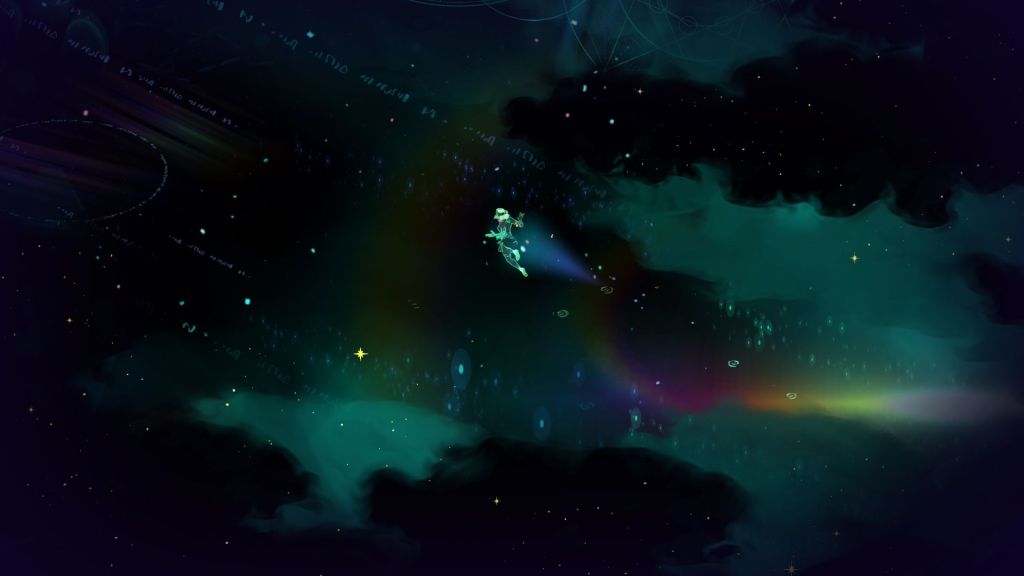
A game that is categorically playing with a stacked deck as far as GOTY lists are concerned, Hades II not only has the inherent advantage of sequel status allowing it to build on an already phenomenal and much-beloved title, but it too began in early access last year so it could finely tweak game balance and fill itself to the brim with a truly mind-boggling amount of quality content. Of course sequels also rarely feel as fresh as their predecessors – this page provides plenty of evidence of that – and so superstar indie developers Supergiant still had to work extremely hard to make their unprecedented decision to stay with an existing IP worthwhile.
And by Olympus, is Hades II worthwhile. Virtually every time you pick a new boon, weapon aspect, or moon-powered ultimate move you thought would be a poor fit for your playstyle, the game will inevitably make you prove yourself wrong by sending you on what feels like a generational run where your understanding of mechanics you ignored are turned on their head – and it does this again and again. Very few games in my life have ever served up the kind of perfectly-balanced flow state that Hades II provides on a regular basis. The finale of each and every run is crazy-hectic and deeply satisfying, every single time. And of course, the hand-drawn art and near-endless well of unique voice lines are exquisitely rendered.
It’s worthy of my Game of the Year. But the story is like, 90% as good as the first game’s. That’s it. That’s all that keeps it from the top spot.
1. Death Stranding 2: On the Beach (PS5)
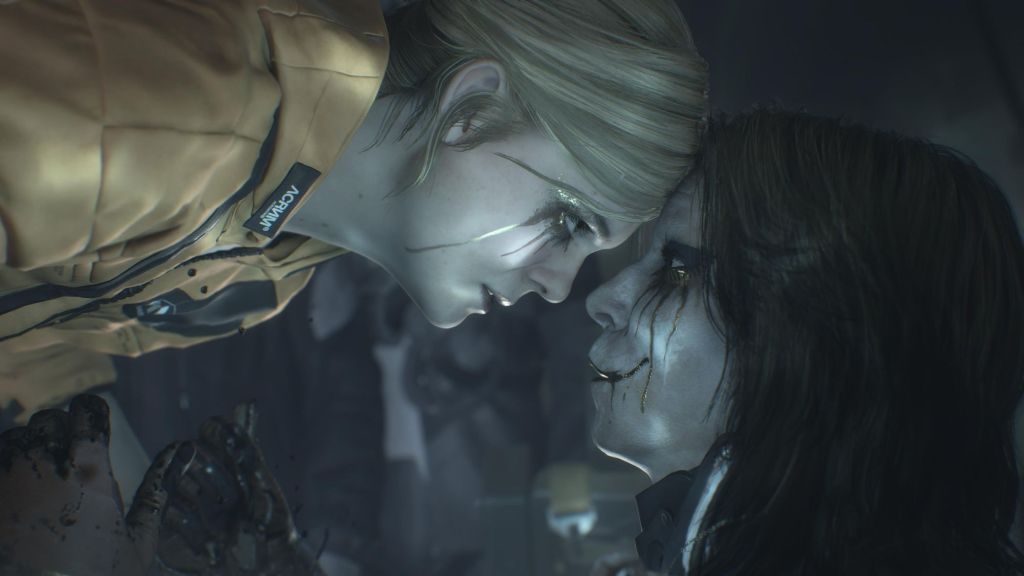
What if you were to boot up a videogame and experience both the absolutely ludicrous cinematic storytelling chops of Hideo Kojima AND a gameplay loop that engages you from the very beginning?
That’s a question that hasn’t had a clear answer in at least 15 years, but at long last we have one in the form of Death Stranding 2: On the Beach. Whether I was taking in all the craziness of a theatrical live-action anime or juggling storage space for the repair of vast, winding roads I probably didn’t even need, almost like I was playing it wrong, my 53 hours with this game were endlessly compelling. I felt that time-honoured pang of emptiness when it was all over – the kind of feeling you only get after experiencing a truly special piece of media.
I am under no illusions that most of what gives On the Beach its strangely addictive gameplay loop was also present in the original Death Stranding, but that game made you put in some serious (literal) legwork before its truly meaty gameplay systems began to show up – and it released within a dense November 2019 instead of a comparatively relaxed June 2025. Sometimes that is all you need; in fact alarmingly often it’s all I need, as this countdown has shown repeatedly over the years with the likes of Persona, Xenoblade, Yakuza, and even Zelda.
This game is not afraid to throw gadgets at the player to expand the possibilities of its crazy systems early and often; just about every new tool follows the same coda: is it cool? As for the story, despite a hefty serving of glorious camp this is arguably Kojima’s least indulgent plot in decades, and the result is surprisingly great. The narrative is laser-focused (by his standards at least) on the central themes of grief and loss, with so little interest shown in confusing the player with jargon that a version of FF XVI‘s “Active Time Lore” appears to re-explain any term at any time. And then there’s that pizza shop sidequest…
By tech and by craft the character work on show in DS2 is near-spotless, including a powerhouse turn from Léa Seydoux, a star-making shot of sunshine from Shioli Kutsuna, and what has to be a contender for Troy Baker’s greatest performance ever. Hearing so many Australian accents in a triple-A game like this is a rare treat. The needle drops both new and old are consistently phenomenal – Woodkid delivers pure vibes on every possible occasion, and BJ Thomas’s iconic Raindrops Keep Fallin’ on My Head has forever changed for me now. And yes, the game’s finale is batshit insane in the best way.
It’s worthy of my Game of the Year. And today, it gets it.
But there’s always Tomorrow.
-◊-◊-◊-◊-
Honourable Mentions
–Mario Kart World (NS2)
For me the biggest mark of 2025’s surprising quality is the fact I just could not find room for the Switch 2’s headlining launch title on my main list. I don’t play Mario Kart online with random people at all, so any potential balancing dramas there do not affect me in the slightest; this is just a technically rock-solid new Nintendo racer with characters for days, a phenomenal celebratory soundtrack, and a winning new game mode in Knockout Tour. I’d be surprised if it doesn’t receive expansion support down the line, so it’s probably not the last time the game will be eligible for one of these lists.
–Monster Hunter Wilds (PS5)
Another surprise drop-off by the end of the year, MH Wilds completely and utterly dominated a four-day weekend for me at the beginning of March, and that single-handedly lifted the game onto my end-of-year PS5 playtime podium. The world design, audiovisual scope and fine-tuned combat balance are impeccable; I just found the excessive story inserts and ridiculous multiplayer menu clutter got in the way of that classically addictive gameplay loop far too many times.
–While Waiting (NS)
An unusually long game within the vague “quirky minigame salad” indie subgenre, you’ll guess where Optillusion’s patience simulator is eventually going to take you emotionally from within a minute of the game’s start. But that’s hardly the point; this one is all about that journey. Every step along the life-line of our bemused protagonist can ostensibly be completed by doing nothing, but the sheer creativity on display when you dare to explore each fresh set of one-button control schemes is mind-boggling, and that ending really does land.
–Borderlands 4 (PS5)
A series with a pretty reliable batting average got another entry that smoothed out the weaknesses of the last one and focused on buffing up its strengths, adding a grappling hook and MMO-esque overworld events to the cocktail to spice it all up. It doesn’t reinvent the wheel, but that wheel still puts in serious work – it even still offers split-screen; I just wish the game ran smoother at launch.
–Ball X Pit (PC/XSS)
I was going to mention this up with Hades II, such is its sheer addictive pull, but Ball X Pit‘s near-complete lack of narrative means this particular roguelite is closer in vibe to the ever-dangerous Vampire Survivors. Yeah, we’re talking about that level of potential time thievery. Devolver’s only showcase at Summer Games Fest 2025 was actually worth the hype; I’m glad I managed to get out from under it, to be honest.
–Dear Me, I was… (NS2)
No dialogue, no worries. Just an hour of the most gorgeous art you’ve ever seen, a barebones piano score, and very minimal interaction that sneaks up on you for maximum impact to tell a relatable, bittersweet story of the best attempt at a life lived well. At eleven Australian dollars, it’s the only stone-cold recommendation I have for any new Switch 2 owner this year.
–Drag X Drive (NS2) / Keeper (XSS) / Skate Story (PS5) / Cronos: The New Dawn (NS2)
I already talked about these games throughout the main list, but they’re still going here for the sake of thoroughness.

 Vagrant Rant