Archive for 2026

From Fire: A 30th Anniversary Pokémon Replay

Pokémon stops for no man.

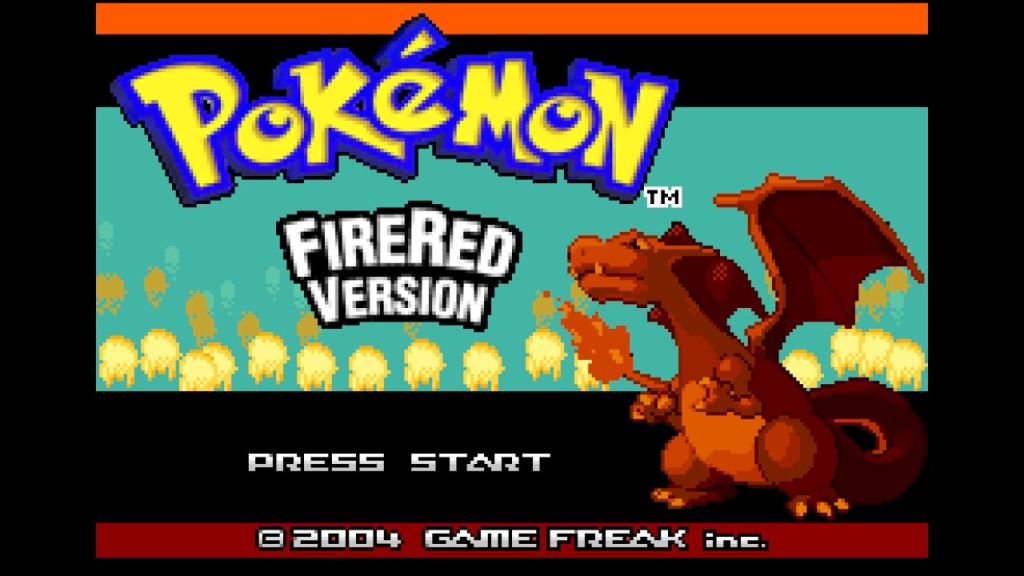
In a move that is still rather ambiguous in the extent of its planning, The Pokémon Company saw fit this Pokémon Day to re-release Pokémon Fire Red and Leaf Green in an official digital capacity on the Nintendo Switch. I don’t generally like to replay videogames, but the main series Pokémon titles are a pretty reliable exception given how different they can feel each time depending on the player’s team composition. I did, however, replay Leaf Green on cartridge barely 18 months ago in conjunction with my first Game Boy Micro experience, so I wondered just how much I’d really get out of doing it all again so soon.

For about ten seconds, of course.
Pokémon’s extensive 30th anniversary festivities, the excitement of a few nostalgic friends, a lack of specific experience with Fire Red Version, the promise of screenshots without janky camera glare, a deflating 2027 release window for the upcoming Gen 10 Pokémon games, and a dense approaching block of binge-worthy television content to play in the background all added up to a purchase and playthrough that, let’s be quite real, was always inevitable.
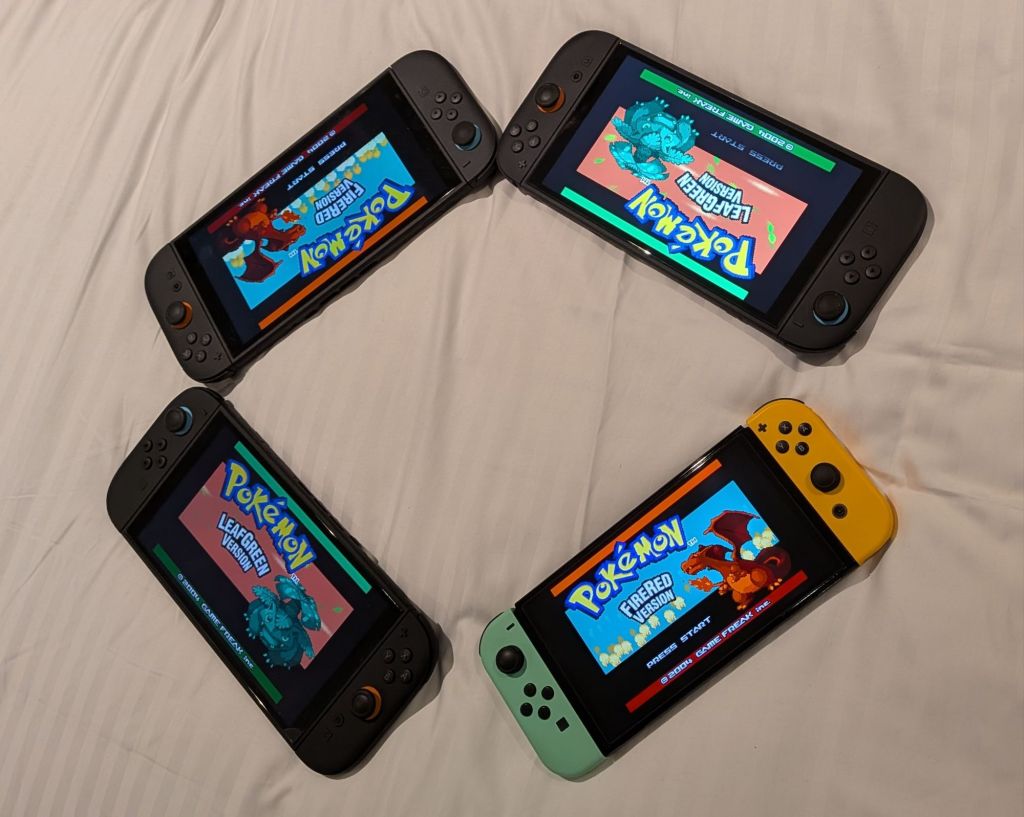
And so I give you Vagrant Rant’s historic fifth Pokémon replay post: a dive into Pokémon Fire Red Version on the Nintendo Switch, and quite possibly my most enjoyable Kanto region playthrough ever.

The Nintendo Switch port of Fire Red divided opinion when it slipped onto the Nintendo eShop a week out from the 30th anniversary Pokemon Presents showcase: some amplified voices bemoaned the lack of the game’s inclusion in the Nintendo Switch Online Expansion Pack service, which already includes plenty of classic Game Boy Advance Games; others celebrated in the opposite direction, welcoming a one-time purchase that requires no further commitment.

Fans have speculated for years as to how the retro Pokémon titles would eventually hit the Switch family, and there were always pros and cons to both approaches. An NSO inclusion would mean restore points that’d make shiny/nature/IV resets an absolute dream and guarantee forced online support; conversely, a standalone release would allow for potential Pokémon Home transfers and maybe even built-in mythical Pokémon events previously locked away on cartridge.
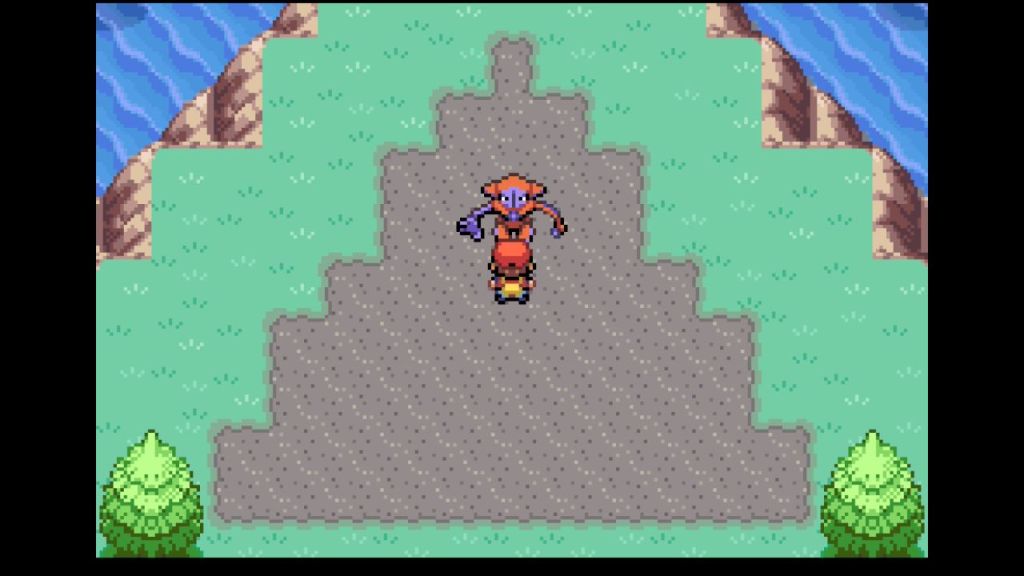
As it turns out, we got the latter, and both advantageous boxes on that side of the equation – which were by no means guaranteed – have thankfully been checked. There are also no ugly grey-gradient bars on either side of the screen, and Start/Select have been automatically re-mapped to both Plus/Minus and X/Y. But for me at least, a standalone port – especially one listed online without an explicit Switch 2 logo – raised further questions about image quality.

Continue reading
The Unrivalled Joy of the “Capcom Streak”

Does anyone remember how dull the Japanese videogame landscape was in the early-to-mid 2010s?

It’s probably a bit too far in the rear-view mirror to feel relevant now, but trust me, dear reader; it sucked. Defined by rapidly-expanding game budgets, western triple-A evolution, explosive online storefront growth, and smartphone panic heralding the apparent death of console gaming, the traditional powerhouses of Japanese development looked a tad stranded.

Square Enix struggled to revive their flagging former-flagship Final Fantasy franchise, started buying up western studios, then needed a Sony loan; Bandai Namco scrambled to release just one all-new entry in their lucrative “Tales of” and Tekken series, getting into bed with Nintendo to keep their teams working; Atlus imploded until the also-meandering Sega bought them out; Koei Tecmo was still fairly small-scale (and technically didn’t exist in its current form); and Konami finished off the rough patch by firing Hideo Kojima and then peaced out of console gaming altogether.

Of the traditional Japanese third-party powerhouses, only Capcom seemed capable of releasing new videogames in a halfway-timely fashion. But with some notable exceptions, uh, let’s just say their output during this period didn’t thrill many loyal fans.

But then, just as the 2010s were entering their latter stages, something changed.

At the very top of the legendary gaming year that was 2017, every single former Japanese heavy-hitter (save for the still-absent, pachinko-obsessed Konami) sat poised and ready to unleash its own critically-acclaimed title on the western world: Sega brought Yakuza 0, shortly followed by Persona 5; Koei Tecmo brought Nioh, Bandai Namco brought Tales of Berseria; and Square Enix brought Nier: Automata. That opening quarter was a phenomenon, a perfectly-timed salvo of meaningful quality, and it brought (metaphorical) tears to the eyes of every old-head with nostalgia for the good old days. Very suddenly, Japanese big-budget console gaming was back, but that message only hit so hard because on top of all that goodness, Capcom also brought Resident Evil VII: Biohazard.

Bolstered by a brand-new, insanely impressive in-house game engine, appropriately titled the RE Engine (which stands for “REach for the Moon” because of course it does), RE7 left behind as much bloated series baggage as it could, instead leveraging the immense popularity of first-person indie horror games (and contemporary short-lived VR optimism) to sneak in that time-honoured Capcom lock-and-key level design on its way to breaking sales records all over the world. Every step on the game’s journey, from that sucker-punch title reveal to the last of many well-received DLC adventures, was met with a warm glow from critics and the public alike. The instant survival-horror classic represented a stunningly smart turnaround for Capcom on paper, but the reality of the ensuing years would prove to be even more impressive.

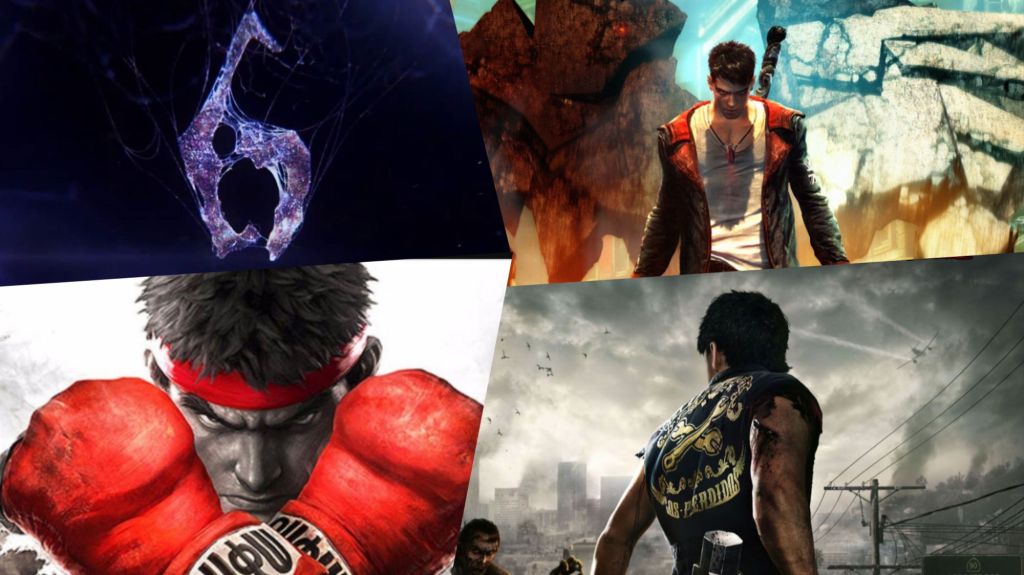
In short, at the time of writing, Resident Evil VII is one of Capcom’s ten all-time top-selling game releases, and the other nine have all launched in the years since. That’s right; after more than forty trips around the sun in the videogame business, one of the industry’s most influential companies does not have a single title from before 2017 in its all-time top ten. That’s unheard of. I’m not sure I’ve seen anything else like it. Almost every development house under the Capcom umbrella is producing its own well-balanced concoction of resonant gameplay appeal, and the result is what I like to call “The Capcom Streak”. Your mileage may vary, but personally I don’t believe these people have put out a bad game for eight years, and at an average of two games per year in this modern era of crazy-long dev cycles, that’s an incredibly impressive feat. No other major publisher is hitting those numbers in both quantity and quality, and that’s worthy of a quick breakdown if you ask me.

Continue reading

Best of 2025 Closer

I don’t know about you, but 2025 was a long year for me – in a good way – and I have no intention of letting 2026 blow past uneventfully either. But there was a great deal of closure in entertainment media last year: Hollow Knight: Silksong, Hades II‘s full release, the Switch 2 console, the Fantastic Four in the MCU, the debut of the all-new “DCU”, and the (likely) end of the Mission Impossible saga all became realities at last after years of hype, Xbox completed its transformation into a third-party publisher after years of… the opposite of hype, and this site finally hit at least a-post-per-month inside one calendar year, which has been a goal of mine for a decade. After all that, it kinda feels like massive targets for anticipation are running low, and the prospect of 2026 carries a fair amount of uncertainty.

That is, until you take a glance at the release schedule.

Christopher Nolan’s The Odyssey dwarfs everything else on the film calendar, but Iñárritu, Fennell, Spielberg and Eggers are set to join him on the film-bro-favourite dias with Digger, Wuthering Heights, Disclosure Day, and Werwulf respectively (though that last one sadly may not make 2026 here in Aus). The morbid curiosity of millions of nerds will converge when Avengers: Doomsday and Dune Part Three both allegedly land on December 18 – less than a week before I post my first movie-related countdown of the year. The anxiety will be real, but before then we will have seen a new Spidey, James Gunn-universe takes on both Supergirl and Clayface, a new Michael Jackson biopic, the debut of The Mandalorian on the big screen, The Super Mario Galaxy Movie, and new cinematic incarnations of both Mortal Kombat and Street Fighter.

And speaking of which, we’ve got another promising year of fighting games brewing! Riot Games’ 2XKO will be properly out within weeks of this post, with Invincible VS and Marvel Tōkon: Fighting Souls set to join the arena by year’s end. Elsewhere Capcom will be looking to extend ‘The Streak’ with Resident Evil Requiem and Pragmata, Bond will be back in gaming where he belongs with IOI’s 007 First Light, Nintendo’s first full year with the Switch 2 looks stacked with quality support (Fever, Fortune’s Weave and Duskbloods, baby), and Valve’s promising Steam Machine will test just how big of a gap Microsoft has left in the hardware space.

Of course, one question looms above all others: will the “before GTA 6” memes FINALLY end? But for me, it’s all about the keys The Pokemon Company and Square Enix still hold to my heart. Pokemon’s 30th anniversary promises an imminent Gen 10 announcement, but I just cannot wait for the release of Pokemon Champions and all of the battling community implications to follow. As for Square, well, they really could make 2026 something special by dropping trailers for Dragon Quest XII or the finale of the Final Fantasy VII remake trilogy – let alone releasing either game.

But before all that potential chaos goes down, here are the links to all ten countdowns (and all 100 countdown items) that look back on the best of 2025:

-◊-◊-◊-◊-

Top 5 Disappointments

Top 10 Game Re-Releases & Expansions

Top 10 Movie Characters

Top 15 K-Pop Singles

Top 5 Game Consoles

Top 10 Movie Scenes

Top 10 Gaming Moments

Top 10 K-Pop Albums

Top 15 Games

Top 10 Movies

-◊-◊-◊-◊-