
Look, I know I tripped over myself to emphasise repeatedly just how good 2023 was as a videogame release year, and I stand by that; it really was an all-timer. However, while that year had a real “something for everyone” vibe going on amongst its treasure trove of big-budget heavy-hitters with huge review scores, 2024 was arguably just as good if viewed through a narrower genre lens. If you’re a fan of RPGs – especially if you partake in the Japanese variety – the sheer onslaught of quality that hurtled past you this year was every bit as crazy as in 2023; maybe even more so. The more mainstream western genres did show up by the end, thanks largely to a resurgent Microsoft/Ubisoft double act (which was nonetheless blunted by the late delays of Avowed and Assassin’s Creed Shadows respectively) and a very important EA release, but the weebs of the world will likely remember this one for a long, long time.
I must also give a shout-out to the general cadence of the releases this year: I wasn’t truly overwhelmed by the volume of releases on my personal hype list at any point throughout the year, but from mid-January to yesterday, I was always playing something good.
Of the fifteen games that make the 2024 list, only a third were developed by Western studios, and only one of those is American. That latter stat may be an all-time low for this website, but not simply due to the Japanese gaming heartland’s banner year: China and Korea also took larger chunks out of my playtime pie chart than ever before, and I certainly wasn’t alone in that experience. We’ve also got two “reimaginings” on the list – otherwise known as re-releases too ambitious for last week’s countdown – and one of the longest honourable mentions sections ever.
What we don’t have, unfortunately, is Dragon’s Dogma II, Dragon Age: The Veilguard, Dragon Ball Sparking! Zero (a few dragons going about this year), Another Crab’s Treasure, Visions of Mana, Warhammer: Space Marine II, Indiana Jones and the Great Circle, Lorelai and the Laser Eyes, Tekken 8, Call of Duty: Black Ops 6, UFO 50, Super Monkey Ball: Banana Rumble, Star Wars Outlaws, Marvel Rivals, Banishers: Ghosts of New Eden, The Plucky Squire, Metal Slug Tactics, GranBlue Fantasy: Relink, 1000xRESIST, or Mario & Luigi: Brothership. All of these games were either on my wishlist, briefly owned, or even started by me throughout the year, but fell victim to the relentless passage of time, soft reviews, and/or the always-rolling videogame release calendar, preventing me from reaching the five-hour playtime threshold I use to determine eligible games. There’s also no Palworld or Hades II, because we’re still miles away from a year with a dry enough schedule to convince me to break my personal rule against games with some form of “early access” tag.
-◊-◊-◊-◊-
VR BEST OF 2024 DISCLAIMER
This list represents my opinion only. I am not asserting any kind of superiority or self-importance by presenting it as I have. My opinion is not fact. Nobody ever agrees with me 100%. Respectful disagreement is most welcome.
-◊-◊-◊-◊-
15. Another Code: Recollection (NS)
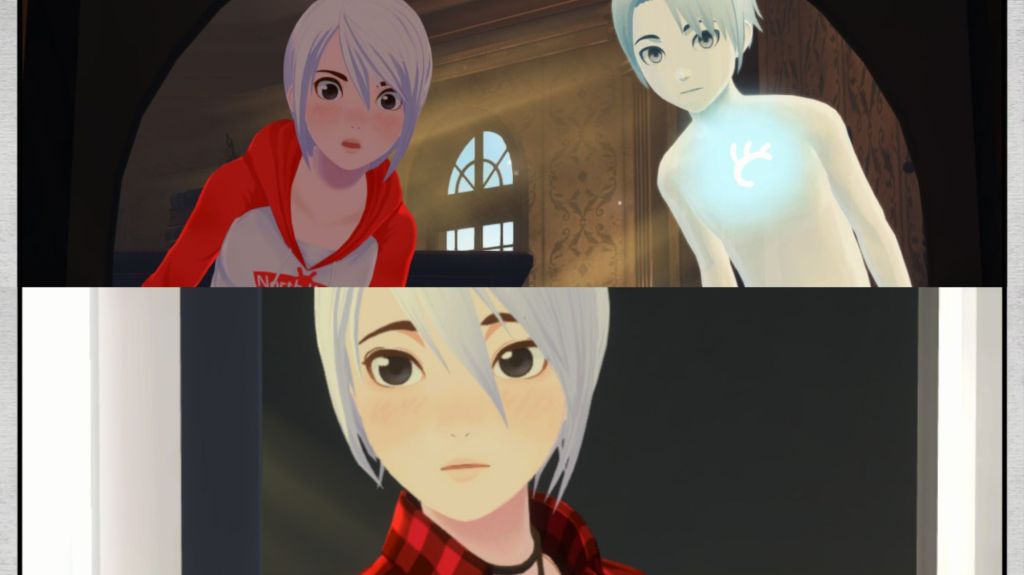
Released at precisely the wrong time for a whole community of Nintendo fans reeling from the news there’d be no Switch successor till 2025, Another Code: Recollection was largely dismissed when it squeaked out at the very beginning of 2024. You could argue a slow-paced double-bill adventure game throwback was hardly going to set the charts on fire anyway, but I think it was still rather unlucky, because the striking comic-panel art direction that drives the ground-up reimagining of 2005’s Another Code: Two Memories handily reinvigorates a DS cult classic two decades on, leaving many obtuse quirks behind to ensure the game’s devotion to both atmospheric puzzle-solving and unsettling mystery help it stand out from its fellow Switch exclusives.
The move from snappy stylus controls and once-unprecedented kitchen sink gimmickry to proper third-person 3D exploration and fully-voiced cutscenes means puzzles have been changed and/or completely removed, the time between brain-teasers is noticeably longer, physical layouts have been shaken up, and some of the creepier touches have been sanded down. But the more lively, believable environments in the 2024 release help tie together the game’s overall story in an arguably superior fashion, delivering twists with a pulpy watercolour flair and sticking the landing under a clearly modest budget. As the credits indicate, this is very much a “based on” angle from developer Arc System Works, taking inspiration rather than instruction from the original.
And those drastic changes don’t just serve the first game: the previously Japan/Europe-only Wii release Another Code R not only makes its worldwide debut here, but the story continues unbroken from the Two Memories save file and uses all the same UI elements, producing a near-seamless end result. The second reimagining in the package sacrifices puzzle density for plot even more than its predecessor, but with a cast so large that it feels like Game of Thrones in comparison and some truly heady Black Mirror-esque sci-fi ideas along for the ride, it’s justified in doing so. The fabulously-titled Recollection may be of modest means, but I have never seen anything in the vast realm of videogame revisitations use an approach quite like this, and it deserves a nod at the top of this list.
14. Helldivers II (PS5)

An entire book could be written on the life and times of Helldivers II – and I wouldn’t be shocked if that does actually happen one day – but the occasionally scandalous mismanagement of the game’s trailblazing Steam-on-day-one release strategy, not to mention the odd parasocial relationship built afterwards between players and developers of the game, is not enough to negate the crazy amount of fun I had spreading managed democracy among the fictional planets of Helldivers II in the early part of the year.
Among the legitimately countless tales of failed online multiplayer titles across all of 2024, the fact that one of the only real success stories came from a comparatively small team that made a brutal top-down twin-stick shooter on the PS Vita back in the day just warms my cynical heart. The fact it launched at a significantly lower price point than, I dunno, random example, Concord – with much fewer opportunities for microtransactions to boot – is hilarious. Helldivers II feels magnificent to control, looks far better than its relatively low resolution settings would suggest, and only kicks you down in a way that you quite literally asked for when you knocked that difficulty up a notch.
13. Thank Goodness You’re Here! (NS)

An absolute riotous delight from start to finish, Thank Goodness You’re Here plays out like a script from every decade of British sitcom was thrown into a blender with a bunch of colourful ink, seasoned with a WarioWare level of bonkers interactivity design, yelled at by Matt Berry doing a vaguely Northern English accent, and then the resulting mixture was baked into a cracked sheet of barely-held-together environments.
A remarkably unique game standing out in an ocean of indie hits that tend to be mechanically-focused; this one doesn’t really offer a challenge, the environmental exploration is limited, and there’s no real overarching story beyond the fact that individual character-based comedy bits all take place in the same run-down town. It’s only interested in being as funny as possible, whether in the environmental background jokes, the outrageous gameplay tasks, or those magnificent line reads. TGYH takes pages from the Conker’s Bad Fur Day comedy book until they’re strewn across the floor everywhere, and though the stakes are much lower, the atmosphere is somehow even more British. The game is also weirdly adorable in its quaint nostalgia for small-town life where everyone knows everyone, and it’s wonderfully short!
12. Stellar Blade (PS5)
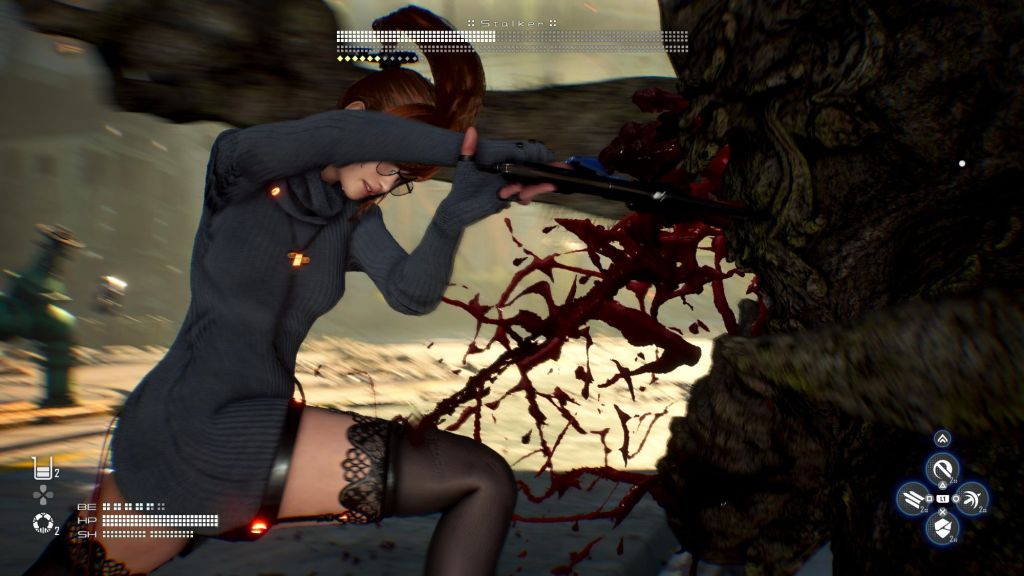
So get this: in 2024, a vaguely “soulslike” action game from a non-Japanese East Asian development studio with almost no proven track record finally released after years of hype built primarily upon looking very, very pretty, then courted some fleeting online controversy, settled nicely in the low-to-mid 80s on review aggregate sites, and ended up as a really enjoyable experience harkening back to the early-2000s golden age of no-frills action games.
No, I’m not talking about Black Myth Wukong; I’m talking about Stellar Blade.
This – ahem – stellar debut console title from a formerly mobile-only developer shows every day of its lengthy development cycle on the screen, with one of the cleanest audiovisual presentations of 2024 – whether or not you have a PS5 Pro. The outlandish fashion choices available to main character Eve somehow look even more expensive than the rest of the graphical output, even though a grand total of about three of the outfits didn’t make me feel like a creep while playing the game. The story makes the mistake of attempting to evoke Nier Automata and feels pretty dull as a result, even if you play in the developers’ native Korean to soften some of the cheesy English dialogue. But the combat, a mix between soulslike health/parry/enemy respawn systems and Bayonetta combo strings, is tuned to crispy perfection. The game always seems to have another gameplay system under its sleeves to show you. And the music – oh my word, the music: haunting, stunning and bombastic when it needs to be, it’s outright one of the best soundtracks of the year.
11. Black Myth Wukong (PC)

OK, now I’m talking about Black Myth Wukong, a videogame that somehow managed to avoid squandering a tidal wave of excitement generated from a mysterious teaser trailer that debuted while the whole world was stuck inside their homes, ready to unrealistically overblow all their expectations. Waves of hype that comically large generated by developers as initially small as Game Science just do not tend to lead to good results, yet here we are looking at a Game of the Year nominee riding record-breaking sales with more release versions incoming.
From the very opening of Wukong the Game Science team gets to work showing off, slamming the player into the craziest in-media-res spectacle of the year – complete with authentically cutting-edge fog-rendering tricks. The game then drains you of all your strength Metroid-style and settles into a challenging boss-heavy gameplay loop, which feels like your run-of-the-mill soulslike – perhaps with a bit faster pace – until the crazy abilities start to unlock, the alternative-animation cutscenes start to play, and the biomes start switching up. The most impressive debut title to come out of a new studio in a very, very long time.
10. Balatro (NS)
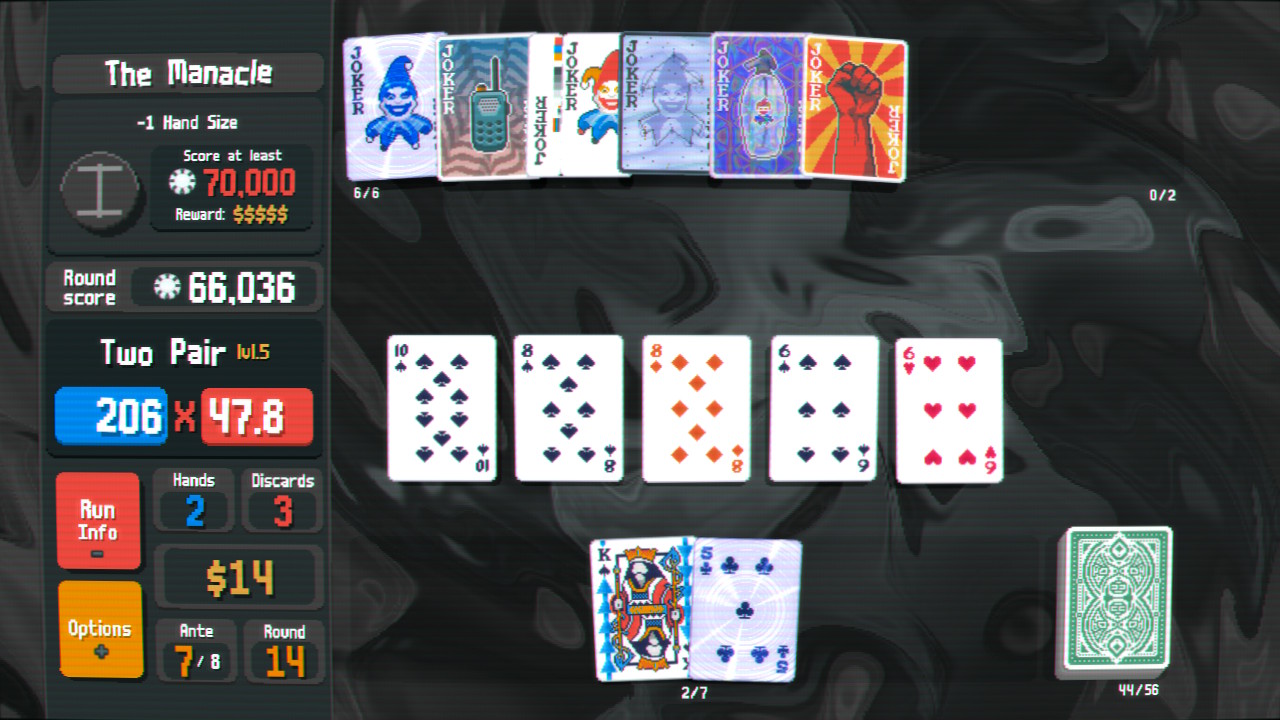
This cheeky, brilliant spin on both a roguelike and a card classic will understandably be many people’s Game of the Year, and its nomination for the ultimate prize at Geoff Keighley’s Game Awards show was extraordinarily well-earned. Balatro hit early in 2024 and it hit hard; the no-frills magical cheating poker title took over an entire week of my free time so scarily easily that I deliberately put it down after completing my first successful run, so effective is its distillation of classic mechanics at getting the mental gears turning.
I made such a decision explicitly so that I could move onto other games, but had I instead decided to block out all my classic calendar-based anxieties and dive ever deeper into the virtual engine-building black hole it is entirely likely the game would have climbed much further up the list. As it stands, Balatro is simply a brilliant slice of single-developer game design with refreshingly little interest in your money and a ton of interest in your time. Play it at your own risk.
9. Kunitsu-Gami: Path of the Goddess (PC/XSX/XSS)
That almost six-year Capcom streak is still going, people. What a time to be alive.
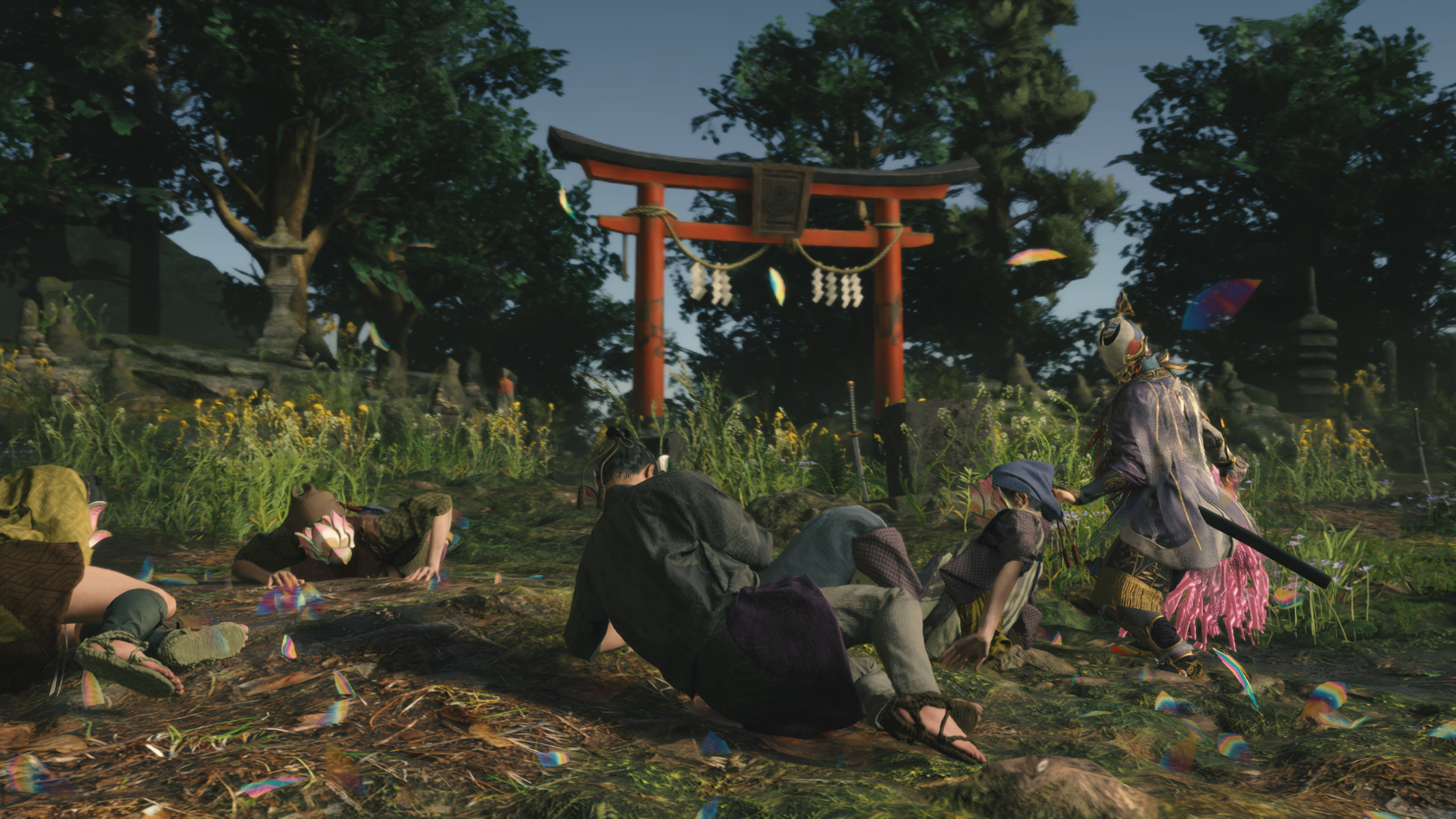
Tower-defense/action hybrid Kunitsu-Gami: Path of the Goddess has been described by the media as a throwback to the early Playstation days of relatively low-cost experimentation without abandon, but the nostalgic feeling I get is much more specific: its wild disregard for modern convention takes me right back to the heady, depressingly-brief days of PS Vita / PS3 cross-save over a decade ago, when every gaming convention featured demo units at the Playstation booth where indie and mid-tier Japanese developers would share floor space almost equally with big-budget triple-A fare. Kunitsu-Gami would have fit perfectly right in the middle of a booth showing off the likes of Tokyo Jungle, Metal Gear Rising: Revengeance, and PixelJunk Monsters Ultimate – borrowing gameplay elements from each, mind you.
Artistically, the game’s presentation is dynamite: virtually free of visible character faces and entirely free of dialogue, the simplistic plot is held up instead by a cocktail of striking Japanese scroll signage, flashy fireworks, and interpretive dance. In a year where Capcom’s wonderful RE Engine finally began to show its limitations within open-world fare like Dragon’s Dogma II and the Monster Hunter Wilds beta, Kunitsu-Gami reaffirmed its spectacular strengths within bespoke action levels. Thus nothing gets in the way of mysterious protagonist Soh’s gruelling game-long escort mission, except of course the hordes of otherworldly spectral foes all on screen at once. The gameplay loop feels like Plants vs Zombies meets Devil May Cry , and it offers enough challenge and level replay incentive to match the pointy end of either series. A terrible title, low-key release strategy and minimal marketing may have swept this one under the rug, but make no mistake; it’s one of 2024’s best.
8. Zenless Zone Zero (PC/Mob)
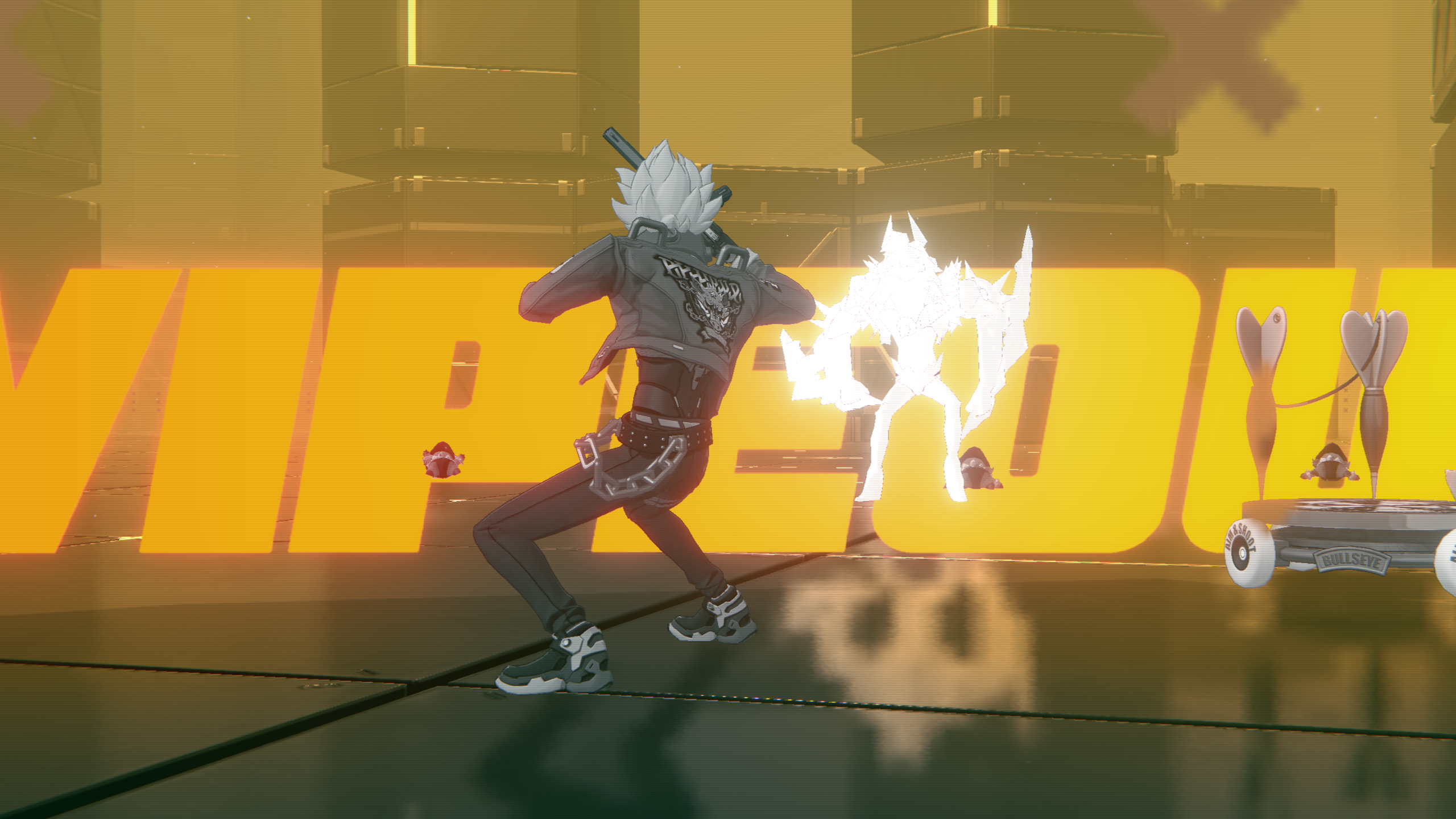
They finally got me.
Their fantasy open-world jaunt fatefully messed up its day one cross-save and their turn-based space adventure was a bit too esoteric in a cutthroat year of competition, but gacha titans MiHoYo hit all the right notes at precisely the right time for me at the exact midpoint of 2024 with their new streetpunk character-action extravaganza Zenless Zone Zero. The reigning champions of the gacha game world at last managed to hook my easily-distracted eyes, thankfully without leaving more than a graze or two on my wallet, with a game that does for mobile game style what Genshin Impact did for mobile game scope.
ZZZ delivered relentlessly energetic vibes mere months after the grim fate of my beloved Hi-Fi Rush was sealed and months before the end of Splatoon 3’s update roadmap, evoking both games (and the likes of Jet Set Radio besides) with a hammer-blow of full-fat colour palettes, lively environments and stylised victory screens. The game is only overwhelming when it is also at its freshest, inundating the player with a lived-in world that also offers a surprising amount of mechanical variety via cute minigames and sub-objectives to spice up the super-stylish grid puzzles and the copious combat – which for sheer feedback satisfaction is at least a match for anything else released this year. I truly was not ready for the specific blend of kitchen-sink liveliness that Zenless Zone Zero so boisterously offered from day one, and unfortunately for my free time it is only getting better.
7. Prince of Persia: The Lost Crown (NS)

It’s no coincidence that the herald of what was supposed to be Ubisoft’s best year in a long, long time (that nonetheless fell apart by the end) came via the long-hidden development team behind Rayman Legends, one of the best 2D platformers ever made. Their triumphant return with Prince of Persia: The Lost Crown also marks the revival of an iconic franchise gone from our lives for far too long, but all the better for modern game design strides made by the likes of Hollow Knight, Metroid Dread, and Ori and the Will of the Wisps. The Lost Crown takes world design inspiration from these combat-forward metroidvania gems and executes a satisfyingly modern experience that is nonetheless unafraid to kick your teeth in if you explore far enough into its corners.
Despite its 2.5D format and modest technical chops, the game’s stylish art direction and delightful lore focus carve out an identity that justifies every cent of the full retail price it asks – on Switch at least – and it looks phenomenal on that handheld OLED screen. The introduction of an ingeniously simple integrated-screenshot map marker system enlivens exploration of a deceptively large world with diverse locales that occasionally dropped my jaw. Throw in a fabulously expressive combat loop, some properly challenging boss fights, and platforming sections with just a sprinkle of that Rayman Legends evolving-gimmick magic, and you have a gaming return that has to go up there with one of the greats. And so it is a massive, infuriating shame that Ubisoft has already decided against developing a sequel and dissolved the development team.
6. Animal Well (NS)
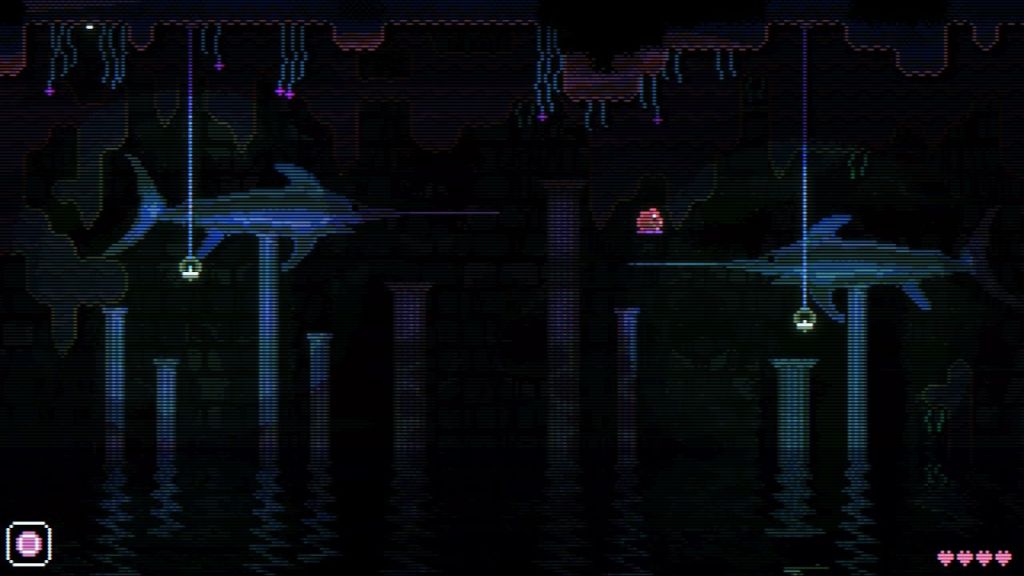
Metroidvanias haven’t come fresher than this in a long, long time. Chances are if you didn’t hear about Animal Well through publishing head Videogamedunkey’s absurd viral marketing campaign, you heard about it from someone telling you to go in knowing as little about the game as possible. And as I have been one of those people at multiple points throughout 2024, I’ll keep this brief.
A truly triumphant “meteoidbrainia” (thank you Tin Sensei), Animal Well tosses you down a pit and asks the world of you, one room at a time, helping you feel like an absolute genius on the way. There are unorthodox power-ups to find, but learned knowledge is your best tool throughout the whole game from start to finish. The mood of the experience alternates between oddly comforting, gently bewildering, and absolutely terrifying in a way you wouldn’t ever expect from a pixel art title. Once the credits roll, you may only be at the tip of the iceberg as far as the game’s meta-tinged mysteries are concerned. Phenomenal game.
5. The Legend of Zelda: Echoes of Wisdom (NS)

What a wonderful surprise this was.
A minty tonic for the weary Zelda veteran whose YouTube feed has been gradually inundated with Tears of the Kingdom teardown content for over a year, Echoes of Wisdom takes presentational cues from the open-air Zelda duology and the art style from Grezzo’s wonderful 2019 Link’s Awakening remake and does something remarkably fresh, turning art assets into gameplay assets and enemies into personal armies. Then, once it’s done overwhelming you with tools to play around in its adorable sandbox, it settles into a surprisingly traditional Zelda formula that feels like a warm hug more than a decade after the series last danced the classical steps of dungeon map/piece of heart/miniboss choreography. And it drops a pretty gnarly bombshell for lore enthusiasts on the way.
It might have a few more ideas than it actually knows how to use, and I do wish the game was better-optimised for the Switch on a technical level, but The Legend of Zelda: Echoes of Wisdom has singlehandedly revitalised series timeline discussion, fanned the smouldering embers of legitimate legacy dungeon comparison chat, legitimised the top-down perspective in a post-open-air world, and opened the floodgates of possibility with Zelda herself at the forefront of her own series. Not bad for a game no-one outside Nintendo knew about until three months before release.
4. Astro Bot (PS5)
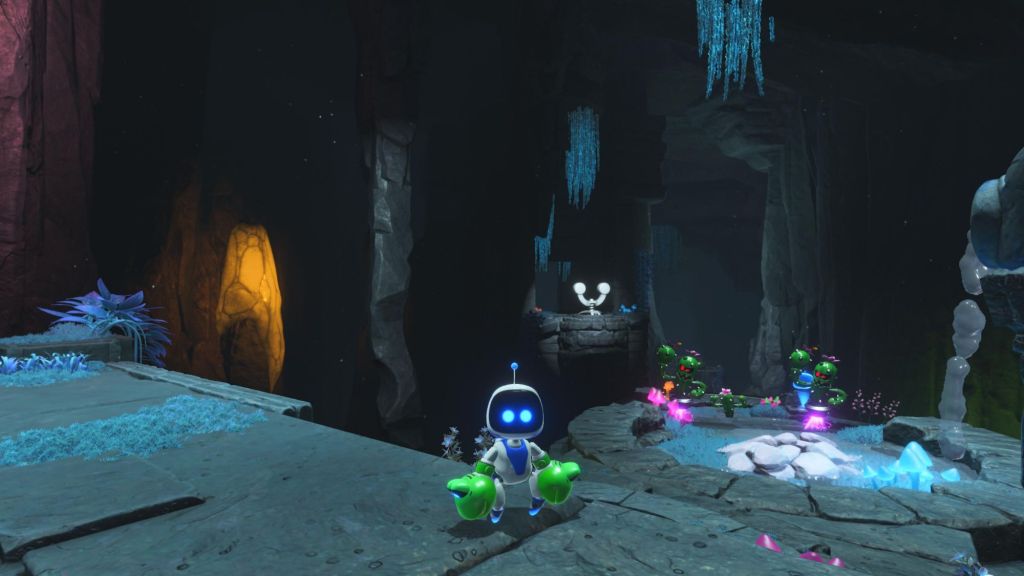
If you have a PS5, whether or not you’ve played this game, it’s likely you already know why it has been so warmly received by critics and players alike: every edition of Sony’s current console essentially comes with a conceptual demo for Astro Bot preinstalled. If you can imagine a bigger, richer, even more lively version of that experience, you’re almost all of the way to understanding why this phenomenal videogame won the highest honour at this year’s Geoff Keighley Game Awards extravaganza.
Despite a few false restarts in recent years within the indie sphere, 3D platformers largely continue to exist almost exclusively within the Nintendo-exclusive wheelhouse; there seems to be an ongoing hesitance within big gaming corporations and potential buyers alike to spend money on the genre. But surely, surely, this magical game can remind everyone of the genre’s ongoing potential. Then again, maybe the sheer quality running through every single aspect of Astro Bot will simply raise the bar so high it will just scare other developers off. No Playstation 5 game, not even Ratchet & Clank: Rift Apart, feels more at home on the console, and no platformer outside of Nintendo looks, feels and plays this polished. The ratio of fresh ideas per minute is dizzying.
Astro Bot will be many people’s personal Game of the Year, and understandably so. But for me, 2024 was defined by ten wonderful JRPGs experiences. We have already talked about six of them. One of them is in the honorable mentions. So let’s bring this home.
3. Like a Dragon: Infinite Wealth (PC/XSX/XSS)
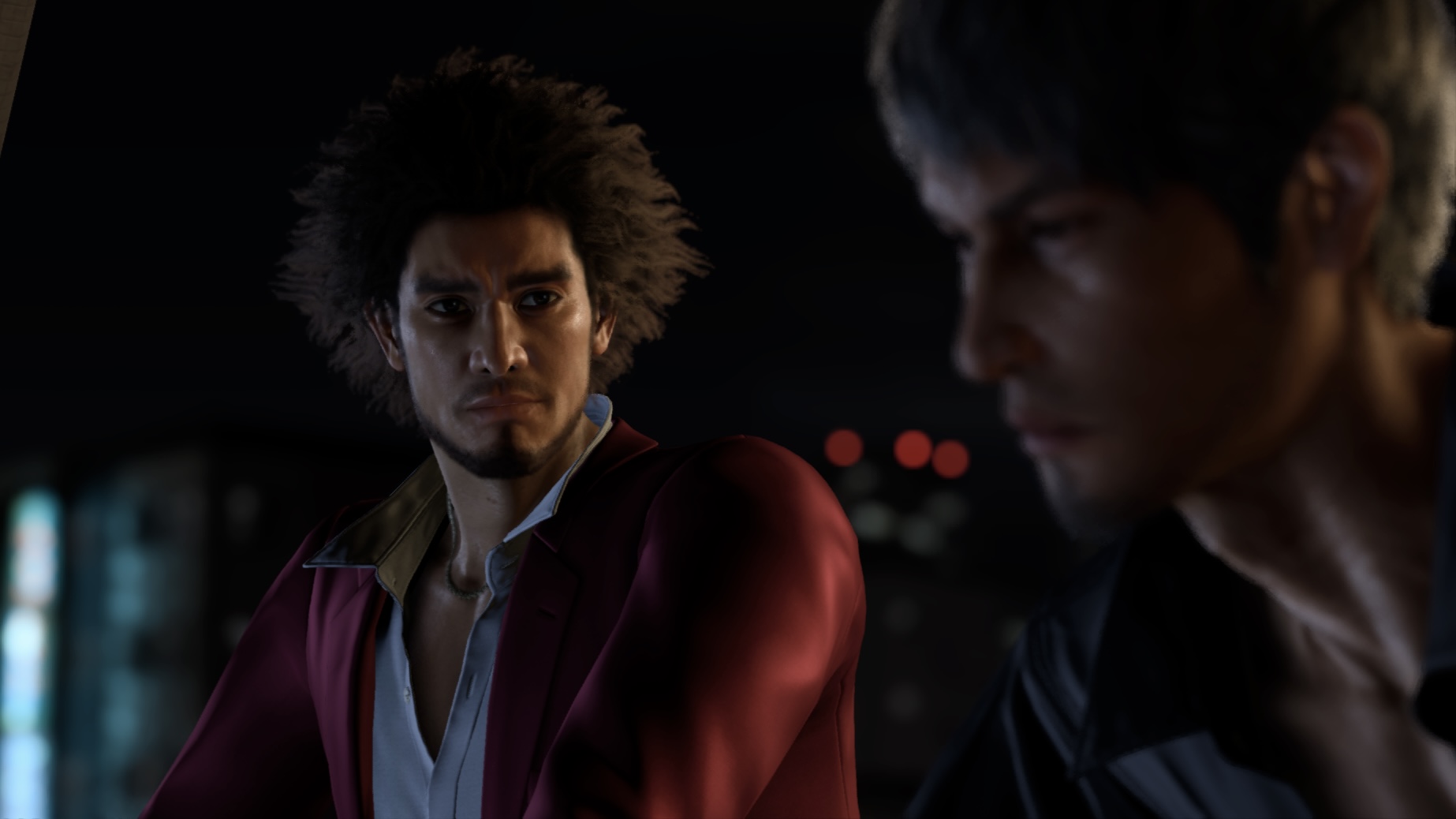
The greatest gift Sega could have given an RPG fan looking to get into one of their craziest, longest-running, and just straight-up best franchises was a January release date for its newest entry, and that’s exactly what we got in 2024 with Like A Dragon: Infinite Wealth. In stark contrast to trailblazing turn-based predecessor Yakuza: Like A Dragon, which released in November 2020 on the very first day of an all-new console generation, Infinite Wealth gave prospective players a leisurely eleven months to play through the story if they wanted to complete it in the calendar year of release.
So that’s how I played it.
Taking inspiration from the game’s new Hawaii vacation setting, Infinite Wealth was both my relaxing game of choice and my palette-cleanser between other new releases through 2024. I finally reached the end credits in late November after countless sessions across multiple Xbox consoles, PCs and handhelds. This meaty, globetrotting, variety-rich adventure was with me throughout all my personal ups and downs throughout the year – some more immediately relatable to the story than I’d like – and the game couldn’t help but end up with a special place in my heart as a result.
Despite dropping the number and former series title altogether, Like a Dragon: Infinite Wealth embraces its status as “Yakuza 8” for better and worse, as Kazuma Kiryu makes his grand return to the mainline series in playable form. The intertwining of his own story with modern lead Ichiban Kasuga’s introduces what I like to call the “Twilight Princess problem” into a narrative that is already overly ambitious in scope, but Kiryu’s unique brand of warm stoicism enlivens the moment-to-moment party dynamics and delivers plenty of air-punching moments. Not to be left out, a handful of new characters rise above the significant returning head count and prove worthy additions to the series’ roster.
The game’s turn-based combat system is worlds better than that of its predecessor, adding meaningful, rewarding player control to attack positioning and just enough overlapping systems to stay engaging throughout a lengthy runtime. The job and crafting systems also take a step forward, the minigames are as dangerously distracting as ever (how about fully-featured Pokemon and Animal Crossing-inspired modes?). The soundtrack is both referential and fresh; Honolulu City Lights is one of the best city-pop tunes I’ve ever heard, videogame soundtrack or otherwise. 2020 may have marked RGG Studio’s intention to transform Yakuza into a JRPG franchise, but at its second attempt it now sits confidently at the big boy table. I mean, it even joins the likes of Final Fantasy IX and Xenoblade Chronicles 3 in the exclusive club of JRPGs with meaningful mid-game heroine haircuts; what more can I say?
2. Final Fantasy VII Rebirth (PS5)

I thought I was frustrated last year when Xenoblade stewards Monolith Soft released one of their greatest videogame experiences ever, but made it incomprehensible to players without multiple games worth of backstory homework in the bag. Final Fantasy VII Rebirth represents the same misstep on a much more significant scale: mechanically, this is the best Final Fantasy game in virtually two decades, and yet it assumes you are intimately familiar with both its 2020 predecessor, the entire 1997 original game, the tie-in movie, and a couple of spin-offs for good measure if you want to get anything out of its bonkers final narrative stretch. Then it has the audacity to market itself as a totally newcomer-friendly starting point.
But in the face of everything this game achieves, that frustration is little more than a bitter footnote. Final Fantasy VII Rebirth offers more to do than any single-player Final Fantasy title in history, recapturing the meaty, full-bodied formula of the 1990s Final Fantasy titles – massive integrated world map and all – for arguably the first time this century. The region-hopping linked sidequests are a thrill to chase thanks to the refinements to that already series-topping combat system and several fresh layers of character depth delivered via committed vocal performances with room to spread their wings. The quality level of the 400-track music suite is near-untouchable, crowned by arguably Nobou Uematsu’s best vocal theme yet, a Loren Allred powerhouse coursing with meta-melancholy.
But the enduring legacy of what could have been an awkward middle chapter is just how willing the game is to lean into the traditional weirdness of that very ’90s era: an armada of fully-realised minigames utterly distinct from one another. Very few of these feel like afterthoughts, many provide staunch challenge, and the likes of Gears & Gadgets, Fort Condor, and Chocobo Racing all deserve their own spin-offs. Heck, Queen’s Blood alone crushes any minigame effort the series has made in the last twenty years of single-player entries. Remake‘s Platinum Trophy was an undertaking, but Rebirth offers a seven-course meal to completionists, and the variety within is astoundingly rich.
Despite the unavoidable anchor that hangs around its neck as Act Two of an ambitious story, my 113 hours with FFVII Rebirth left me well and truly satisfied, Two Towers-style. And just quietly, it’s far-and-away the best advertisement for the PS5 Pro in 2024. I don’t care what else is coming out the year this ambitious reimagined trilogy finally concludes; nothing else is taking top spot on my hype list.
1. Metaphor: ReFantazio (PC/XSX/XSS)

Of the many, many phenomenal JRPGs that graced our screens throughout 2024, only one had me thinking about it whenever I wasn’t playing. In some ways a graduation from the Persona series that defined the careers of so many of its developers, Metaphor: ReFantazio sweeps aside a host of exceptionally stern 2024 challengers to take the crown for Worst Title of the Year, but grungy Fire Emblem-esque beginnings give way to an experience with such a singular vibe that it just about earns such an unmistakably unique mouthful.
Metaphor has arguably the best battle system Atlus has ever devised, which I know is a bold claim but this is not the part of the list where we skimp on the superlatives. Their genre-topping Press Turn system from the Shin Megami Tensei games is lifted wholesale, dressed up with a bloat-free job system and then built upon with one of the cleverest implementations of a team-up skill mechanic I’ve ever seen: theoretically unbalanced team compositions are directly met with access to expensive but overpowered combo attacks capable of swinging lengthy boss battles in a few turns. No EXP is wasted when you cap the level of the game’s “archetypes” – in fact you’re almost encouraged to stay in your favourite classes through the late-game because you can indirectly level up weaker ones as a result – why has that feature not been in a job-based JRPG before?
Though they may lack the flashy visual distinction of their Persona forebears, the mechanical level design on show within each one of Metaphor‘s dungeons exceeds anything this vaunted team has yet produced. The Shoji Meguro score is unlike anything in his discography, laced with “ancient Lotus Juice” monk chants and swirling with layered crescendos to match the most outrageously unshackled menus and graphical elements in Atlus history. I wouldn’t use the term “well-optimised”, but regardless this is an audiovisual feast from start to finish.
The lore of the world is quite unique as far as games of this kind of profile go, built from the ground up using both familiar and batshit building blocks. The story’s charismatic central antagonist is a more compelling figure than any I’ve seen in an original JRPG since, well, Final Fantasy IX (that’s two references in one countdown). Most of the story’s themes are not subtle – I mean, the word ‘metaphor’ is right there in the title – but for a premium JRPG they chart fresh territory while the emotionally exhausting twists and turns keep on coming. The finale is one of the most satisfying I’ve ever experienced in a 60+ hour game.
Against all odds, the developers of Persona 5 Royal made an RPG that isn’t bloated; instead they delivered a well-balanced new game that doesn’t feel the need to start from scratch mechanically (other Japanese publishers take note), but goes buck wild with the world, narrative, character, UI, and sound design. The all-around best JRPG from an all-time-great year for JRPGs, there was never going to be another choice for my Game of the Year.
-◊-◊-◊-◊-
Honorable Mentions
–Emio The Smiling Man: Famicom Detective Club (NS)
I do love me a good visual novel / old-school adventure game – almost as much as I love throwing one onto this list whether I’ve completed it or not (shout-out to the classes of 2019 and 2020, which I later wished I could amend). Luckily I did complete this one a few weeks after release, but I could only fit one visual novel-adjacent title on the main list. That ending, though; wow. Hopefully we don’t need to wait another 30 years for the next one.
–Senua’s Saga: Hellblade II (PC/XSX)
Much like Outriders and The Medium in 2021, Pokemon Legends: Arceus in 2022, and Octopath Traveller II last year, I never would have imagined this game wouldn’t make my main list while I was playing it. But there was just too much competition. This game may require even less interactivity then its striking predecessor, but it is by some margin the best looking game of the year. Doesn’t slack on sound, either.
–Unicorn Overlord (NS)
According to 2024 logic, the terrible name should indicate to you by now that this is a gem; I can’t help but feel like my tenth-favourite JRPG hit of the year is just waiting for the day I finally go back to play it for long enough that its insane mechanical depth clicks and I collapse in deep regret for underrating it, much like I did with Vanillaware’s last game. You know, the one I have to mention compulsively every time someone brings up this studio, as a form of personal penance. Incidentally, 13 Sentinels: Aegis Rim is really good. Go play it.
–Top Spin 2K25 (PS5)
Admit it; you forgot this game came out in 2024. Alas, I have a massive weakness for competent tennis games, and as long as I am blessed with people to play against, I probably always will. TS 2K25 is hardly a deeply advanced tennis simulator, but it is competent, it is nostalgic, and I had plenty of fun with it.
–Super Mario Party Jamboree (NS)
The Switch era has been gradually returning the Mario Party series to its basics so it can re-launch some of its wacky ideas with proper foundational support, and Super Mario Party Jamboree is the culmination of that mission statement. The third MP game on the console combines the best elements of the first two, then adds more of the tried-and-true content on top of more new modes. The classic player has never been more streamlined; the online never more ambitious.
–Demon Slayer: Sweep the Board (NS)
This is not a joke: Sega’s Mario Party clone with Demon Slayer characters and periodic co-op boss fights from the world-famous anime is actually kind of good. It low-key does the thing you wish more “clone” games would be confident enough to do, copying pretty much all of what makes Mario Party good and then only changing what games in that series would change entry-to-entry. If you like the franchise, it’s legitimately worth a go with friends.
–Pokemon Trading Card Game Pocket (Mob)
The only new Pokemon title of 2024 may have taken its time arriving, but to say it successfully distils two of the core appeals of the world-famous Pokemon TCG is a massive understatement. The feeling of cracking packs is endlessly satisfying, but the fat-free battling? On an entirely different level. The hours I’ve put in already…
–Princess Peach Showtime (NS)
It may not have turned heads like your standard Mario platformer fare these days, and it may not hold a tremendous amount of challenge outisde of collectible-hunting. But Peach’s grand return to the (occasionally literal) protagonist spotlight is somehow one of the most visually ambitious games on the Switch, and more importantly was the first videogame ever that I played with my nieces. So it has to get the final mention.

 Vagrant Rant