READ PART I HERE. The disclaimers there also apply here, naturally.
Like the vast majority of online Zelda game rankings, the top half of this countdown heavily features the so-called “3D Zelda” titles, which is a slightly outdated moniker that nowadays has less to do with rendering techniques and more with a behind-the-character camera angle that traditionally coincides with a higher development budget than the corresponding “top-down” Zelda entries. Trying to say something new about these widely beloved games when I have already devoted so many words to them on this site alone has been a steep challenge, but a welcome one.
Anyway, you know the deal by now; let’s bring this home.
– 10) A Link Between Worlds –
First Completed (3DS): 2013
It is almost impossible for me to think about the 3DS’ only purpose-built single-player Zelda game without also remembering how important it was to the overall health and legacy of that little handheld. The cherry upon the bountifully fluffy cake that was 2013 – one of the best exclusive-driven years for any console in history – A Link Between Worlds may have re-appropriated the soundtrack and world layout of the Zelda game whose name it references most closely, but its standalone vibe and historical impact on the franchise could scarcely be more different.
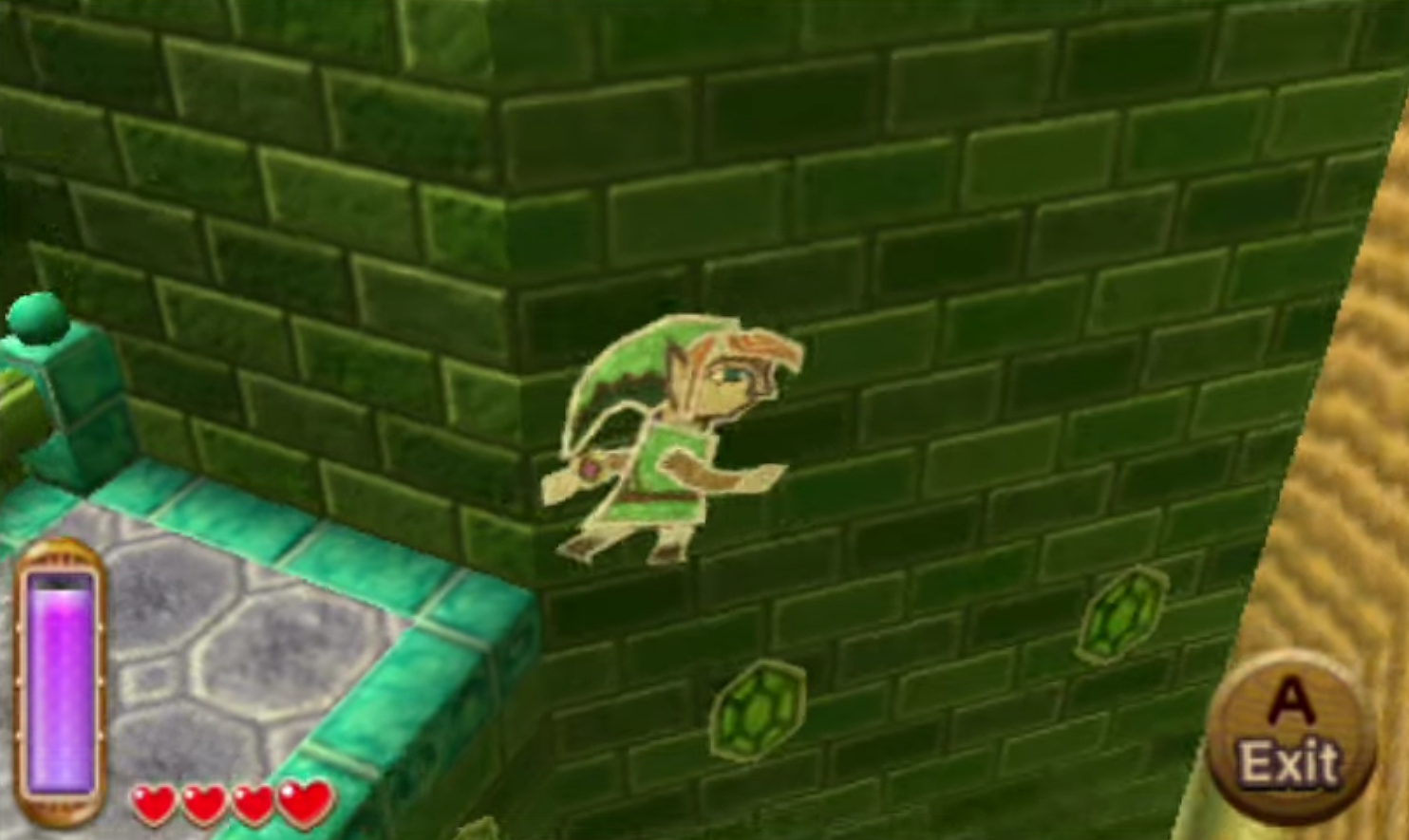
Fond of imposing dungeon pits that appear to go on forever with the 3D slider on, the nominal A Link to the Past sequel uses the dual threat of an ingenious pseudo-2D painting wall traversal trick and an almost completely non-linear item rental system (the latter a canary in the proverbial open-air coal mine) to weaponise player map familiarity even better than Tears of the Kingdom did, mostly because that familiarity messes with veterans but is in no way required to enjoy the game. Few Zelda games feature a more satisfying sword-hit sound effect (beyond the engine-sharing Tri Force Heroes, of course), and the sound design is just generally superb.
In fact for sheer, tightly-designed yet open-ended gameplay rhythm, there aren’t too many Zelda games that can challenge A Link Between Worlds. I once knew a senior citizen and longtime Zelda fan who completed the game so many times he basically became an amateur speed-runner, and he never got bored. The narrative energy doesn’t quite match the mechanical quality, but the finale, buoyed by a completely original snare-powered final dungeon track so good it is often mistaken for the main theme, hits hard out of nowhere with a neat double-twist that effectively drills into ideas the Zelda series hardly ever touches. It’s difficult to think of a better way to kick off my top ten favourite Zelda list.
– 9) Oracle of Ages –
First Completed (GBC on NS2): 2026
The most recent Zelda game I’ve finished at the time of writing – and thus the first one to ever give me that sweet, elusive “completed ’em all mate” feeling for this great series – Oracle of Ages dives straight into the top ten thanks to a deft combination of overworld structure and dungeon design that isn’t quite present in its partner game Oracle of Seasons. It helps that I experienced Ages second, of course, because the games feature a still-unique unifying password mechanic that entwines the stories, transfers some of your gains, and makes the second adventure you play inherently richer; it also helps that time travel is just an inherently more juicy thematic gimmick than seasonal switch-ups. It’s more straightforward, too.
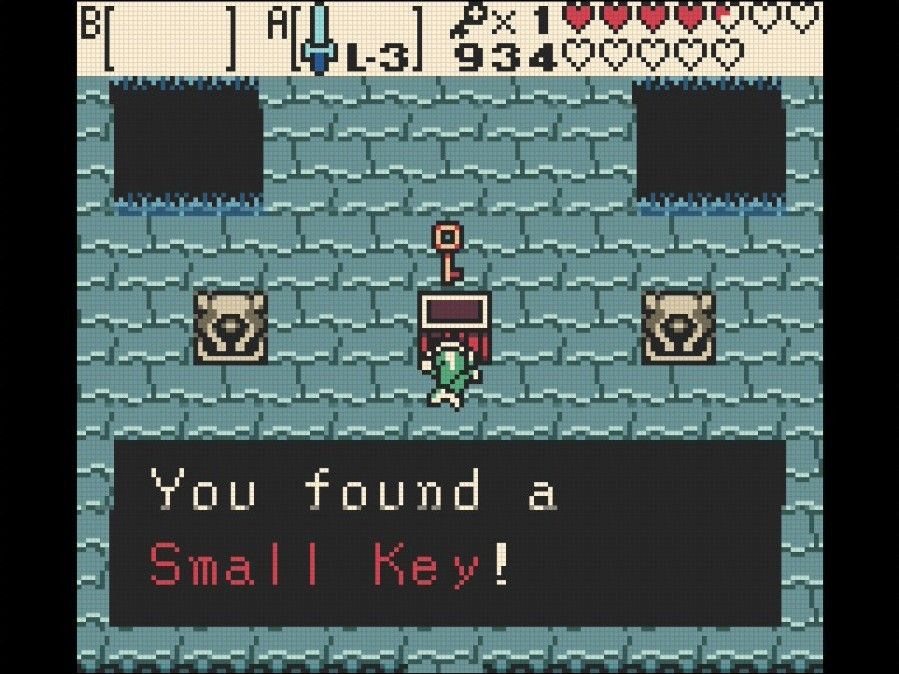
If Seasons was developed with a focus on action, Ages is explicitly about puzzles, and I cannot express how welcome the latter philosophy feels to a Zelda fan in 2026. The intent is clear from the very first dungeon, which throws multiple small keys at the player at once, features more than one puzzle where the angle of approach matters, then tosses in a map-hinted hidden room and a Wallmaster for good measure. The remaining suite is stacked with highlights that stumped me for longer than the series has in decades; the two water-themed dungeons in particular demand a level of lateral thinking Nintendo’s main Zelda team has rarely dared to ask of the player, and the accompanying music is more memorably maddening (in a good way) than you usually get from the top-down titles.
There are overworld segments that require the kind of cerebral traversal you won’t find anywhere else in Zelda beyond Skyward Sword or certain optional Breath of the Wild quests, especially late in the game after you’ve obtained the ability to travel back and forward in time at will. As a by-product of its central gimmick, the Ocarina of Time nods are stronger and more successful than those within Seasons, and on top of all the clever economy stuff that game does, Ages also rocks some of the coolest unique items in the series: ricocheted shots with the Seed Shooter feel amazing to execute, the strange Flipper controls are rewarding to master, and the Switch Hook is just supreme design from top to bottom. What a game.
– 8) Spirit Tracks –
First Completed (DS): 2013
It was true 13 years ago and it’s still true now: Spirit Tracks is, by the length of a cross-continental train track, the most underrated game in the Zelda series. There is not a single aspect of the unique touch-screen Zelda experience that it does not execute better than immediate predecessor Phantom Hourglass, and the way every piece of the humble portable puzzle comes together not only ensures a full ten-place superiority on this ranking, but arguably the most effective distillation of that elusive “3D Zelda feeling” in a top-down game this century.
This is not only because Spirit Tracks understands the limits of the hardware that houses it far better than its predecessor, but also because it knows what aspects of Zelda games historically deserve the most focus. Compared to a poor imitation of the open ocean, train traversal leverages the DS’ modest graphical power much better, allowing for a surprisingly satisfying (if slow) locomotive loop. The small cast of memorable one-off characters drive the story through a lattice of tropes and fitting surprises. The soundtrack is simply one of the best in the series, adorned by the crown jewel of the best overworld theme in Zelda history.
The game achieves all this without sacrificing the unique control scheme that make parts of Phantom so compelling, even improving it in places thanks to more responsive inputs, a suite of imaginative items, and the spectacular pseudo co-op dungeon the Tower of Spirits. The insecurity over pushing notation puzzles is gone, replaced with a full-steam salvo of cool story beats. And when it comes to one of the oldest shipping questions in gaming, you can keep your Breath of the Wilds, your combined Oracle finales, even your Skyward Swords: this is the most obvious chemistry the two traditional series leads have ever shown.
– 7) The Wind Waker –
First Completed (GCN): 2003
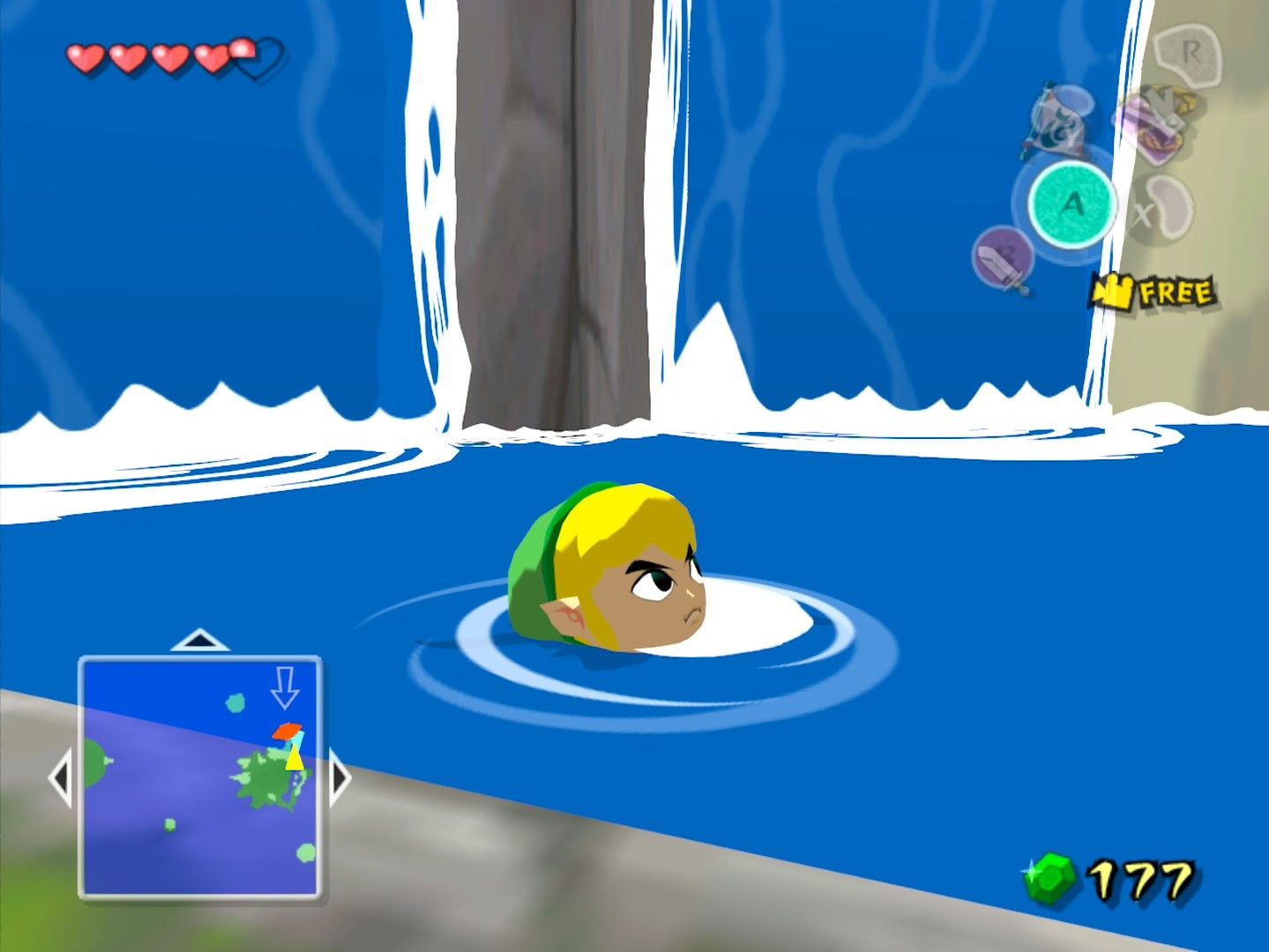
If you’re shocked, imagine how I feel. Easily the most significant fall-off on this list when compared to my 2013 Zelda ranking attempt, The Wind Waker makes the 2026 top ten easily because it is simply one of the best videogames Nintendo has ever released; it sits comfortably outside the top five because despite multiple well-meaning attempts, I’ve only ever finished it once. That’s a perfectly fine state of affairs for almost any videogame ever as far as my play habits go, but for a 3D Zelda game with more than one official version available, that makes it a completely standalone exception.
What’s fascinating about revisiting a personalised videogame ranking after a while is how much an entry can appear to change as its fellow games increase in number. The Wind Waker is arguably the most famous example in gaming history of an initially lambasted art style that aged like a fine wine as everything from its era progressively looked worse, so it shouldn’t come as a surprise that parts of its gameplay have decayed under the shadow of what later Zelda titles achieved. When I was a young’un WW was the poster child for open exploration teeming with secrets, but in the, uh, wake of almost every single Zelda since, the arbitrary restrictions in the story’s first half just feel ever more grating. The second half has the opposite problem: a wide-open goose chase plastered over inconsistent dungeons and famously unfinished elements. The Wind Waker often isn’t as much fun to play as it is to look at.
My disappointment that there is still no official way to experience those dungeons with the proper co-op Tingle Tuner functionality has also festered over the years into more of an exasperation. But despite the parts weighing it down, this is still a pretty special videogame: the combat is extraordinarily satisfying, with more avenues for expression than any other pre-BotW suite; the story is emotionally resonant at the crucial beginning, midpoint and finale junctures; the soundtrack is easily a top-three Zelda contender, with a powerful case for all-time best status. Ultimately, the fact that there are six other Zelda games I enjoy more than The Wind Waker, a title many consider to be a masterpiece, should probably say more about my opinion of those six games than anything else.
– 6) Twilight Princess –
First Completed (Wii): 2006
First Completed (Wii U): 2016
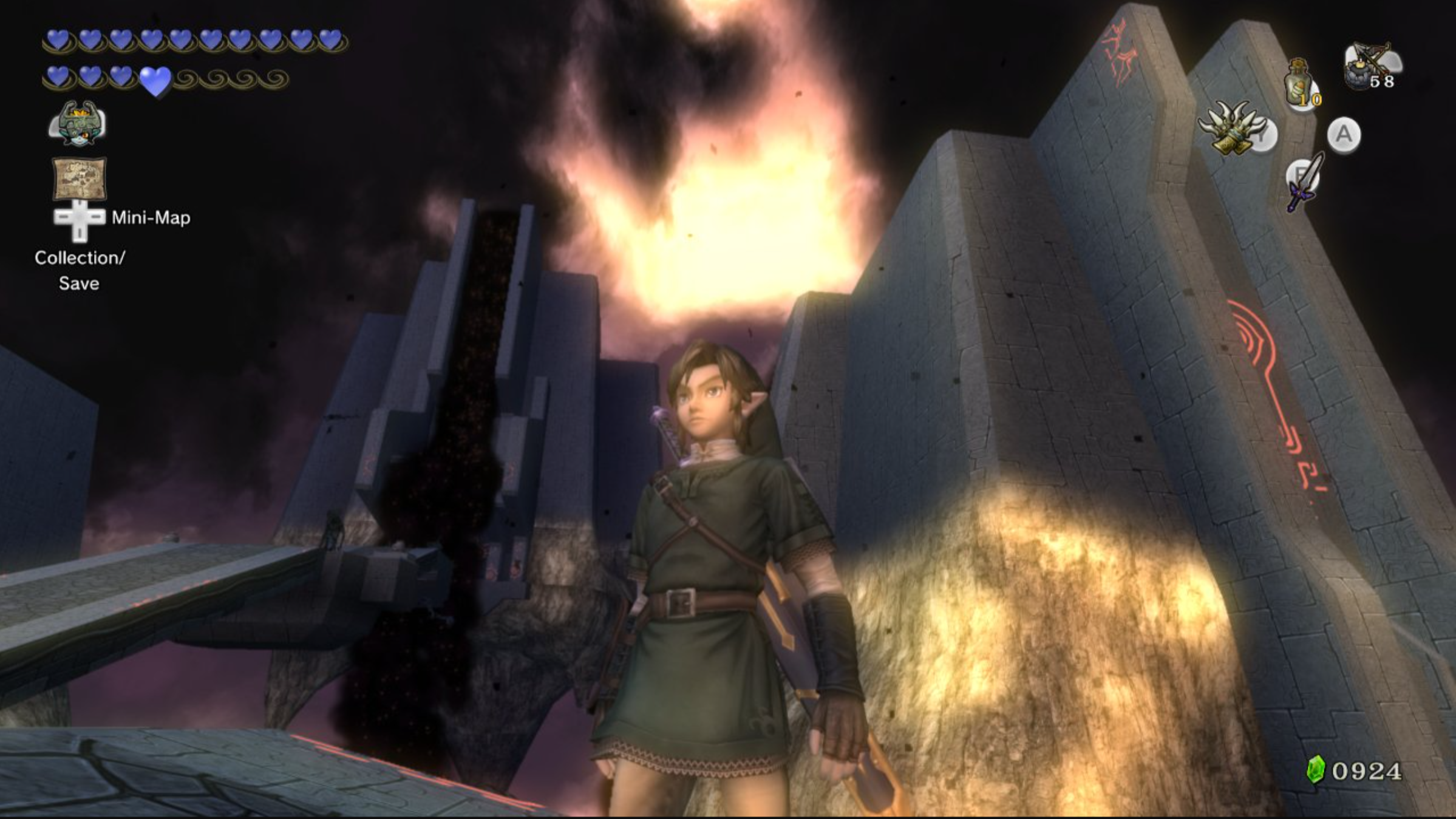
This only just occurred to me while I was pre-formatting this page, but it turns out five of my top six personal favourite Zelda games have received a major official re-release that updates and/or alters the original in some way. Does this mean my thoughts are in line with Nintendo themselves, and I believe these are the games worthy of the most attention? Or am I just more confident in my feelings on the games because I’ve played them at least twice each, on average a decade apart? As with most such questions, it’s probably a hefty combination of both.
The Zelda game that just keeps on giving whether you’re playing it or discussing it, in 2026 Twilight Princess is now as old as the original NES Legend of Zelda was when the lupine shapeshifting adventure first released simultaneously as the Gamecube’s swansong and the Wii’s premier core-leaning launch title. That’s right: in at least one cheeky way, Twilight Princess is, at the time of this article’s publication, at the very centre of Zelda’s immense history. Its infamously imitative relationship with Ocarina of Time, the game conventionally perceived as the series’ centrepiece, grows more fascinating by the year: in a stroke of evidence for my confirmation bias too good to ignore, the initial gameplay reveal for the Switch 2 Ocarina remake showcased a renewed Hyrule Castle Town extremely reminiscent of TP‘s take on the locale, casting the ongoing absence of the latter on any official Switch platform in a delectably alternative light; this familiar relationship now goes both ways.
The observable play order phenomenon mentioned under the entry for A Link to the Past a few weeks ago (which we might as well call “the Persona 3/4/5 theory“) is a testament to just how cleanly Twilight Princess is able to recapture – and often exceed – the heady feeling of sweeping scale and substantial stakes evoked by both ALttP and OoT; inarguably that feeling is one of the adventure’s greatest strengths. But despite significant stumbles in relation to difficulty and economy – mitigated with pretty surprising mileage by Tantalus Media in the 2016 Wii U remaster – and a smattering of half-explored ideas, the game’s effective two-place rise on my personal favourites list over the 2013 ranking is almost entirely based on elements wholly unique: the eerie Twili aesthetic, the remarkably tight controls, the cavernous score, the aesthetically imaginative dungeons, everything to do with Midna. But on that subject and many more, you can read 10,000 words I continue to stand by right over here.
– 5) Link’s Awakening –
First Completed (GBC on 3DS): 2011
First Completed (NS): 2019
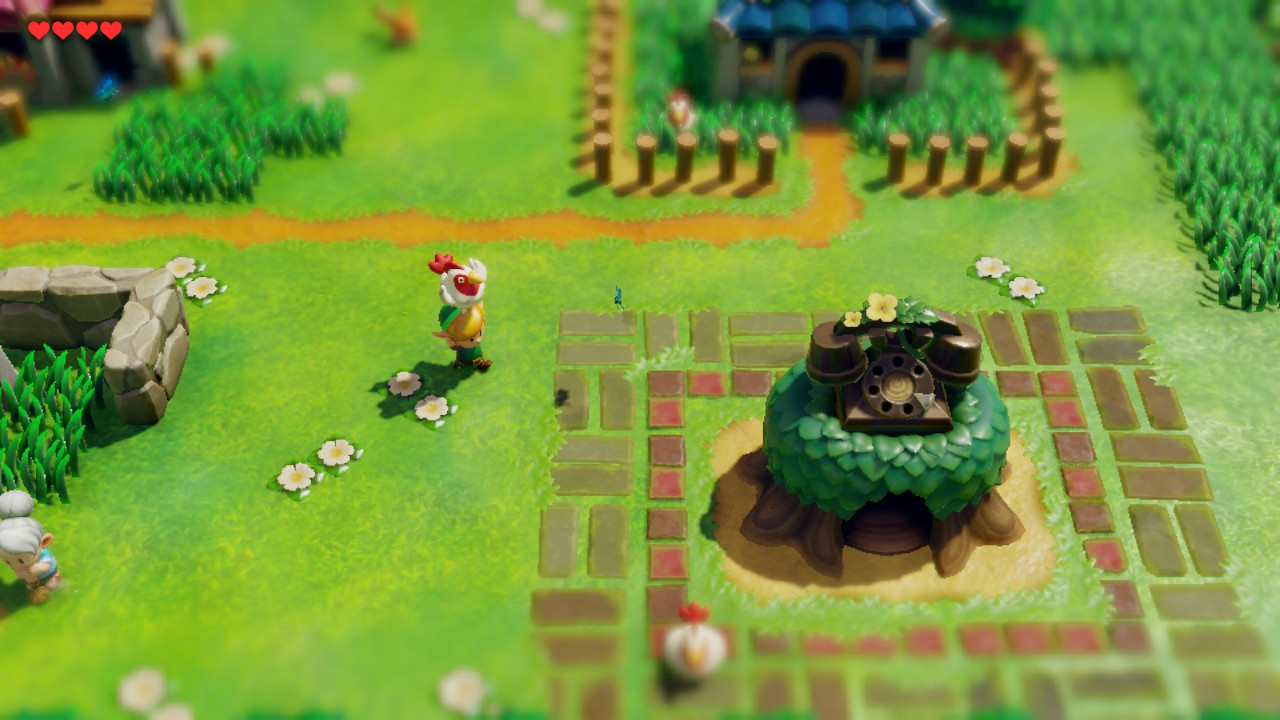
Putting together the final two pieces of the Zelda puzzle over the last couple of years has given me tremendous pause, because Oracle of Ages and Oracle of Seasons are so evidently as good as they are because Link’s Awakening provided such a rock-solid mechanical base. Yet for all the impressive advances those Flagship titles were able to make, the original portable Zelda still has my heart; that pitch-perfect blend of whimsy and melancholy within such a small package reverberated throughout the rest of the series in more ways than one, and I remember feeling its full emotional impact despite my first completion taking place some 18 years after the title’s debut on the Game Boy.
There’s also the small matter of that deviously-timed Switch Lite launch title, a complete remake rendered in appropriately dreamlike, tilt-shifted 3D that does a fabulous job of enhancing LA’s unique mood – not least through its musical adaptation choices – while patching up some of the game’s poorly-aged spots via revamped controls, improved traversal, and a better-balanced economy. At least for the next few weeks, I believe it is quite comfortably the best Zelda re-release we have yet received, and pre-Echoes of Wisdom the project cemented Grezzo as a formidable Zelda studio in its own right.
No matter which version you play, Link’s Awakening is a brilliant game, and it comes with a remarkable weight of importance if you go into the experience with any concept of Zelda release chronology whatsoever. The title refined the SNES dungeon blueprint by introducing minibosses and bespoke theme music, made huge strides in overworld collectible design, and most crucially brought together the then-junior Nintendo development figures that would go on to value meaningful storytelling as a key pillar in the design of almost all future Zelda titles. Virtually the entire two-decade period after LA’s debut owes its compelling, unpackable Zelda narratives to the people who authored that wholesome Marin romance and incredibly impactful, slow-burn dream reveal. It’s tough to argue that the franchise isn’t better for it.
– 4) Skyward Sword –
First Completed (Wii): 2011
First Completed (NS): 2021
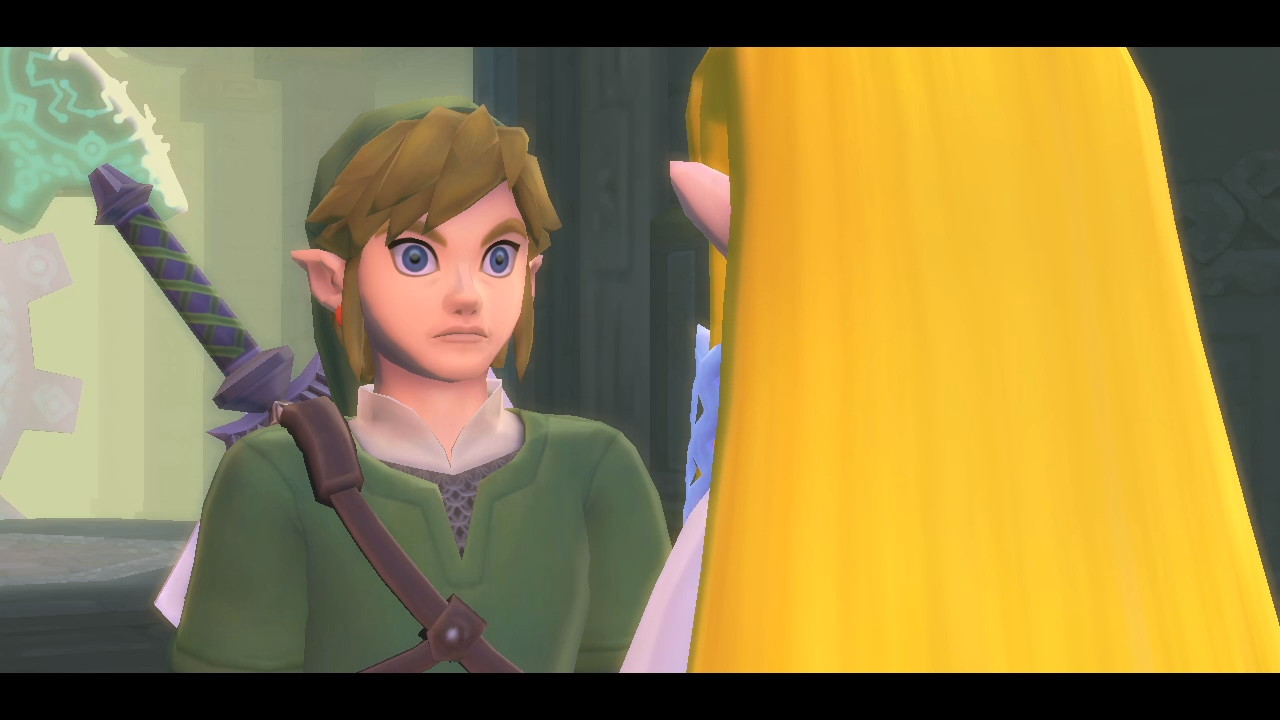
I’ve found in recent years that there tends to be a strong flavour of revisionist history online whenever this controversial game is brought up. It hardly united the fanbase at launch, but the plot-forward linearity that syncs up every element of Skyward Sword‘s design from top to bottom contrasts so strongly against the openness of Breath of the Wild that I’ve seen it described as the low point of the classic 3D Zelda formula more than a few times by now. This take likely reads as borderline nonsensical to anyone who played it at launch, because for better or worse, it seemed like a pretty significant departure from that formula at the time.
Following nigh-on twenty years of accepted Zelda tropes, when no fan would ever consider any kind of radical BotW-level shake-up even remotely possible, the wide swings at the change pinata within the Wii’s first-party swansong were clear as day. A ballsy control overhaul presented a giant Wii Remote-shaped middle finger to anyone who played Zelda games to relax, but soundly vindicated those willing to lock in. A drawing-board item rethink combined the elemental properties of older 2D games and the material-driven upgrades of modern RPGs to create the best economy of any 3D Zelda title, with its best interface to boot. Hajime Wakai’s team of composers crafted a score for the cinematic gaming era that swapped the series’ traditionally sticky melodies for emotive mood pieces and careful motifs. Most impactfully, overworld design called all the way back to Zelda II in its relentless devotion to combat, puzzle solving, and rewarding memorisation over exploration.
I firmly believe it achieved a near-perfect Legend of Zelda art style, and if the series wasn’t known for changing up its visual direction as often as fiscally possible, this delicate balance of imposing silhouettes, painterly environments, and wonderfully expressive faces could have worked as the default for just about every kind of Zelda game as long as Nintendo needed it to. Skyward was also the arguable peak – at the very least the most recently crested hill – of the era when Zelda prioritised story delivery right alongside gameplay design: the origin-flavoured narrative centred on a handful of strongly-realised characters provides precious few distractions, and sticks the landing spectacularly. Alongside that excellent suite of dungeons, it is probably the main reason to play the game. But you can read all about that – and much more – in the longest Vagrant Rant article ever.
– 3) Ocarina of Time –
First Completed (N64): 2001
First Completed (3DS): 2011
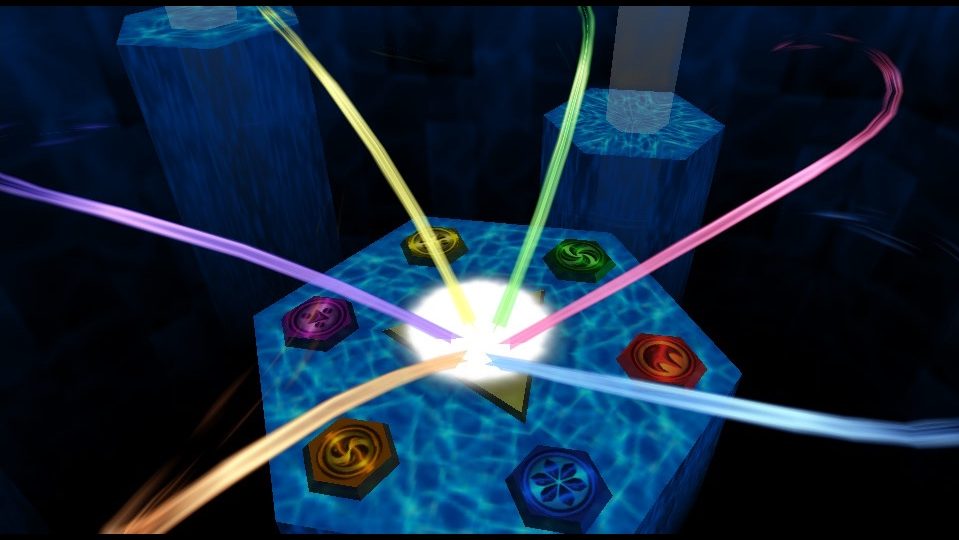
The big Legend of Zelda game in the spotlight at the time of writing – and, let’s be real here, the one never far from it – was also the very first Legend of Zelda game I ever played, and while it wasn’t quite the first I finished, for the entirety of my awareness of the franchise it has still stood tall as the almost untouchable public yardstick by which all other Zeldas are measured. By the end of this year it will likely be the Zelda title I have completed the most number of times (four), thanks to that impossibly exciting upcoming second remake (yes, by my estimation the fabulous 2011 3DS version was remade, not merely remastered), and the hype around said release is probably a fringe factor in my decision to lift the game into my personal top 3 in 2026. But it definitely isn’t the only factor.
I have been a “Skyward over Ocarina” guy for almost fifteen years now, and given that opinion earned me my first so-called hate comment the last time I ranked Zelda games publicly, I have perhaps been guilty of holding it as somewhat of a stubborn badge of honour for much of that time. But despite the former’s much more exciting “big strengths/big weaknesses” characterisation in the face of Ocarina‘s duller, more well-rounded reputation, the ridiculously influential N64 trailblazer has just aged so well that I cannot help but acknowledge my appreciation for virtually all of its aspects has improved over the years. Somehow.
An impromptu NSO playthrough I wrote about five years ago, mere months after that Skyward Sword post, provided the perspective I needed to see the game as more than just an icon I was supposed to revere on reputation alone. Newfound appreciation for the stretchiness of its sidequest thresholds and dungeon order requirements (both of which I am nervous the Switch 2 version may tighten up too much) opened new avenues of realisation for me: Nintendo really did get almost everything right on their first attempt at a 3D action game, and changed the course of the medium as a result. This is not a perfect videogame: the objective signposting is still occasionally opaque enough to have stopped multiple friends of mine from completing it, and the combat no longer feels all that great. But Ocarina of Time is still a classic for a reason. In other news, water is wet.
– 2) Breath of the Wild –
First Completed (NS): 2017
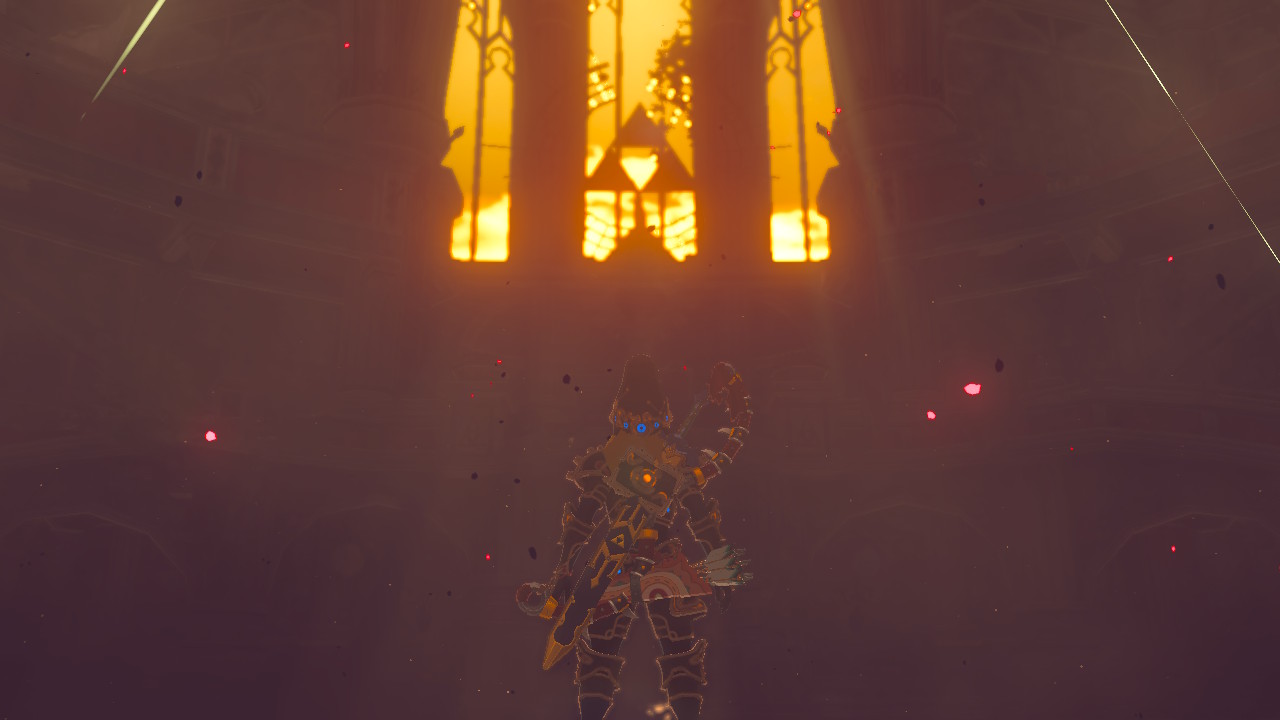
Videogame franchises do not last multiple decades without embodying some combination of comforting familiarity and reinvention; The Legend of Zelda has walked a delicate line between the two (with a slight bias towards the former) all the way down its 21-game lineage. But no other videogame franchise has transformed as late in its life or as drastically as Zelda did with Breath of the Wild and actually increased its cultural relevance. The highest-selling Zelda entry of all time and a top-three contender for the most impactful console launch title in history, this legendary return to the very roots of Zelda’s DNA frankly still feels like a game design miracle in my eyes.
Breath of the Wild is the clear outlier within this top six, because at least right now in 2026 as I write, I never want to replay the game to completion ever again. The sheer, unbelievable magic of exploration and discovery the all-time classic delivered in that magical two-month Switch launch window is simply too special to me, as is every morsel of delicious comparative discussion that filled the air whenever my friends and I shared a room or group chat while the game was new. Save for Elden Ring, no game in my adult life has even come close to the mileage BotW is able to extract from the thrill of simply wandering. Whatever weaknesses the experience may wear – and boy, does it wear them – feel truly insignificant in the shadow of this momentous achievement. The game utterly transfixed me.
Undeniable, unadulterated atmosphere is packed into every minute of Breath‘s dozens or even hundreds of hours; it is in my opinion the second-best Zelda game at maintaining a consistent mood in the undercurrent of every moment, thanks to a genius art style, stunningly effective sound design, a wondrously intuitive chemistry engine, and one of the best uses of negative space in gaming history. The evening I spent on Eventide Island shortly after the game’s launch, way before most people would say I was supposed to find it, is easily one of my favourite videogame moments of the last decade (yes, this game is somehow almost a decade old). And it’s just one of twenty moments I put into a loosely chronological list a couple of years ago, which you can read through here.
– 1) Majora’s Mask –
First Completed (N64): 2001
First Completed (3DS): 2015
Nostalgia is a powerful drug; a drug that may just have been powerful enough on its own to keep this off-beat Nintendo classic at home on the top of my Zelda list, where it has lived since the year 2001. All the way back then, Majora’s Mask became the first game in the Legend of Zelda series I ever completed, and there sure aren’t a lot of videogame experiences like it, so it was always going to be hard to top. But I’ll never know that for sure, because the funny thing about my opinion of The Legend of Zelda: Majora’s Mask is that it has actually improved over time.
I have always found the major mask transformations extremely cool, but 25 years of hindsight has laid bare more aspects of the dark and quirky title that ended up shaping my tastes: the time-crunch gameplay loop can be seen in my love for Pikmin and Persona; the intimate map and modest count of widely-praised dungeons seeded my preference for shorter, well-curated experiences; the wild colour palette despite that gloomy tone explains my eternal disdain for bland brown art direction; the rich tapestry of dramatic sidequests even had a hand in my appreciation for so-called “filler” episodes or arcs in TV shows, as they tend to put character first. Years later, my opinion that the imperfect yet bafflingly over-hated 3DS remake is overall MM‘s superior version helped teach me the value of evidence-based argument construction.
But none of that is truly what convinces me and plenty of other Zelda fans why Majora’s Mask tends to age so remarkably after you play it, even compared to the many other accomplished Zelda titles that have graced our consoles over the last 40 years. Its extraordinarily singular blend of oppressive atmosphere is unmatched by any other videogame I’ve played, and in the terrified, philosophical, stoic, and affectionate words of its many characters during those tragic, ever-repeating final hours lies a universal human truth: life sometimes feels inescapably difficult, and all of our time with this mortal coil is limited. I felt this when I replayed the game as a young adult. I felt it once I came to understand the perils of game development and the pressures the Majora team must have endured. I felt it during the ghastly cycle of endless days during the global pandemic. I feel it now.
But for all that the game achieves through those lightning-in-a-bottle artistic wins, that brilliant soundtrack, those full-course dungeons, that champion world-building, Majora’s Mask‘s message actually isn’t all that special in the end. Because at the end of the day, all 21 Legend of Zelda games ultimately tell the same story: evil will always grow back – whether as a titanic boar, a cyclone of bat wings, or a fashion-obsessed demon – but so will our means to defeat it. Happy 40th birthday to a pretty special series.


Posted by Ranking Every Legend of Zelda, Now That I’ve Finished Them All (PART I) | Vagrant Rant on Oct 21, 2026 at 5:18 pm
[…] Ten More 2026 Movies Summarised in Ten Words Each Ranking Every Legend of Zelda, Now That I’ve Finished Them All (PART II) […]