Posts Tagged ‘anniversary’

Ranking Every Legend of Zelda, Now That I’ve Finished Them All (PART I)

Well, that took forever.

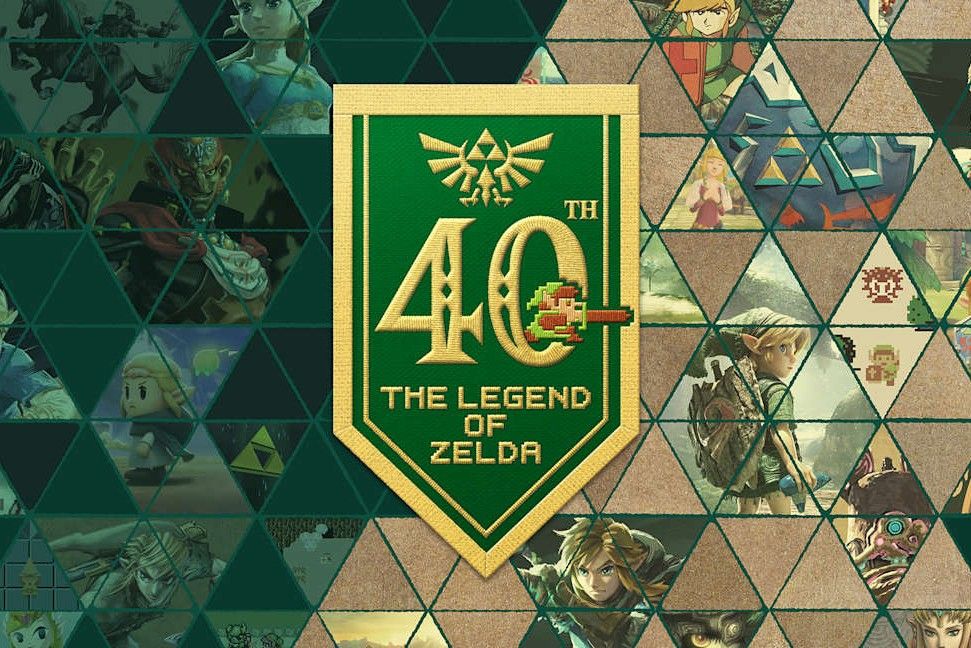
I’ve dragged my feet a bit on this one, for all kinds of ever-changing reasons over the years. But the time is right at last. As far as this site is concerned, 2026 was already shaping up as a year for writing about decades-old games, and now at long last Nintendo has officially acknowledged the Legend of Zelda series’ 40th anniversary. So I finally polished off the last 8-bit piece of my personal mainline Zelda puzzle last week, and now we are doing this.

40 years after the first Legend of Zelda changed the videogame landscape, 26 years after I played my first Zelda game, 13 years after I finished my tenth and then immediately wrote up my first top ten Zelda countdown, and just over a month away from an ambitious remake of the series’ most iconic entry, the job is complete: I can say that I have finished all of the Legend of Zelda games released up to this very point in my life. And in 2026, that happens to mean twenty-one of them. I’m signing myself up for an awful lot of writing, but it sounds like a pair of almost-even countdown posts to me!

A quick technical note for any newer Zelda enthusiasts: traditionally these ranked lists only include videogame titles with the phrase “The Legend of Zelda” in them, with the notable exception of the second game, which uses the prefix “Zelda II”; everything else is counted as a spin-off. That’s also the way I look at it, so you won’t see the likes of the Hyrule Warriors games here.

Furthermore, ports, remasters and remakes are not treated separately from their original releases for the purposes of this ranking, and are only mentioned when relevant to a particular point. Finally, this ranking is entirely based on my personal opinion, which unavoidably invokes emotions and memories that make it extremely unlikely to line up with yours. Plot details may also be discussed occasionally. Please enjoy.

First Completed (GBA): 2003

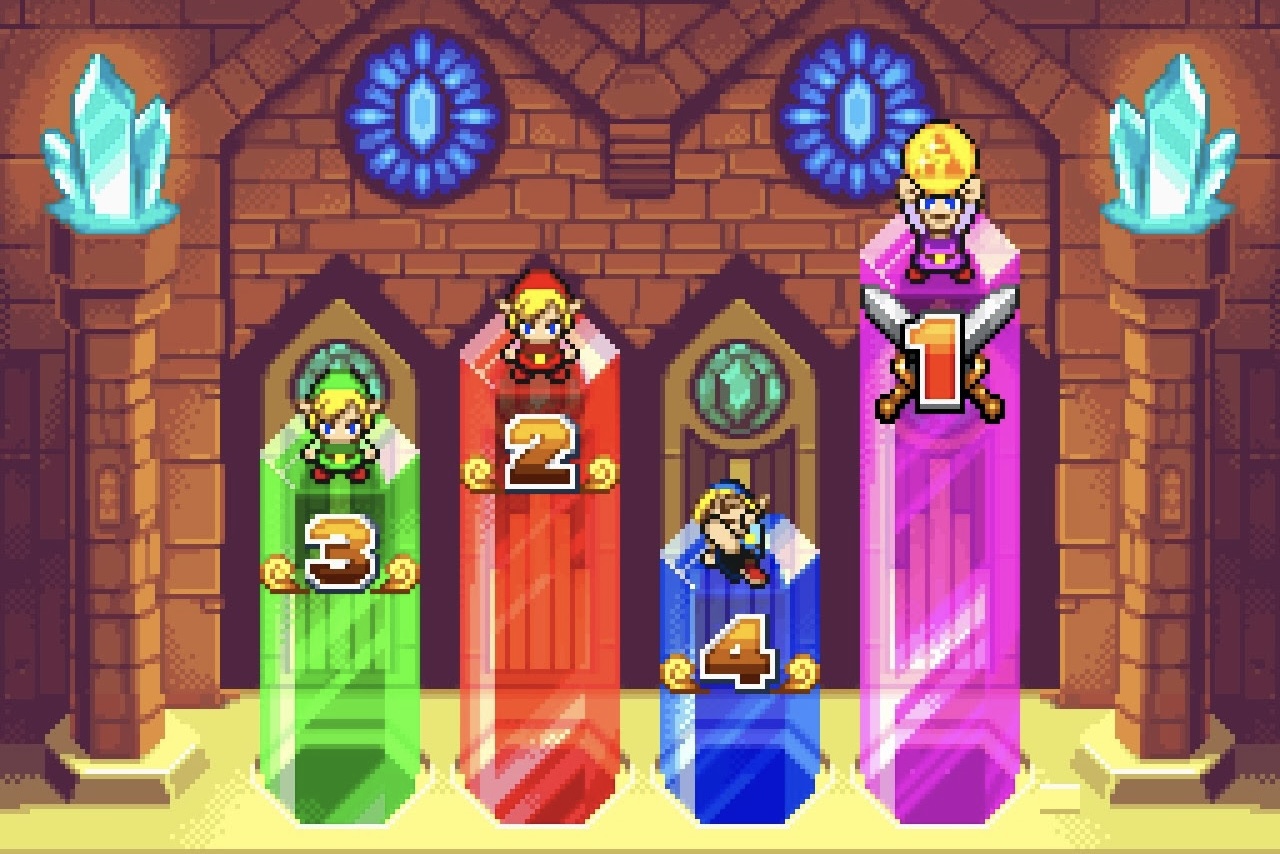
It feels like the eternal – if accidental – punching bag as far as my personal rankings are concerned, but I still have such warm memories of playing through The Legend of Zelda: Four Swords with a friend over two decades ago, so I have to hit you with that time-honoured Zelda ranking cliché from the very first entry in the list: All the Zelda games are pretty good, but something has to be last.

In this case, all the trailblazing inventiveness in the world from long-dead Capcom offshoot Flagship – who are incidentally responsible for almost a fifth of all Legend of Zelda games – cannot save Four Swords from the inherently restrictive structure that just happened to stop me from playing through the whole thing with four players as the developers intended. I also have never played Grezzo’s 2011 single-player-enabled remaster, because that year was absolutely stacked with Zelda content already and I didn’t see the need.

As the first mainline multiplayer Zelda game, Four Swords felt incredibly fresh at launch, even if subsequent games have improved on the concept. The fact it was packaged with the GBA version of Link to the Past made it as much of a marketing masterstroke as the Medals of Courage system was a gameplay one. The title represented the first instance of elementary procedural generation my young eyes had ever witnessed, and the puzzle design is often a match for anything else you might find among the 2D Zeldas. It also features the best of an exceptional class of Flagship title-drop animations, accompanied by possible the single best second of sound design on the GBA. So there’s also that. But something has to go here.

First Completed (NES on NS): 2019

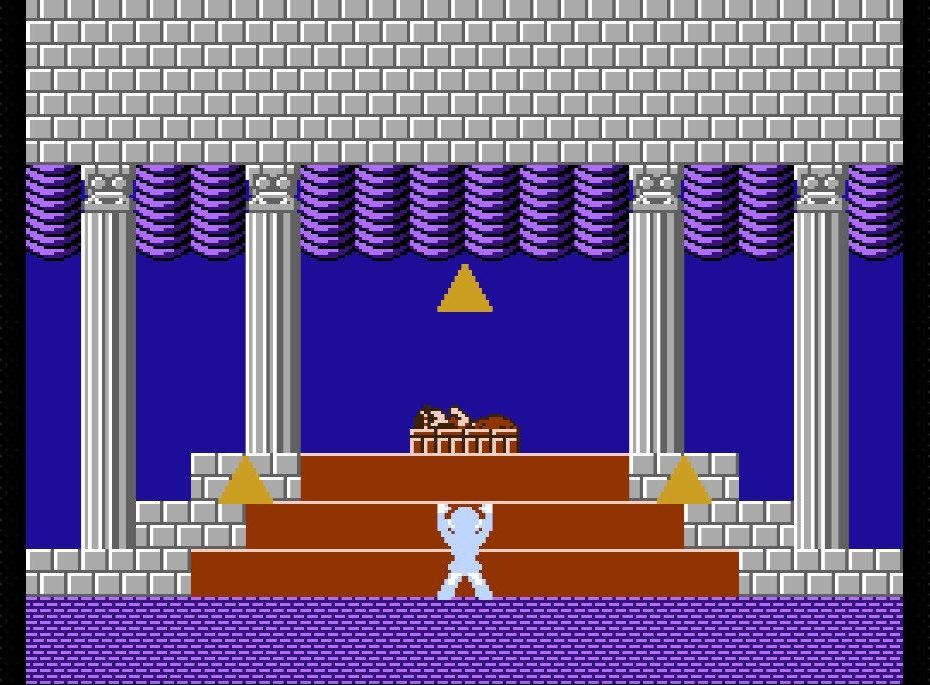
These days as soon as you discuss the oldest of the Zelda games on NES – actually, as soon as you discuss arguably any game on NES or a platform of similar power – the subject of restore points and other modern emulation conveniences becomes a bit of an elephant in the room. Well allow me to rip the band-aid off: you can assume I made liberal use of the restore points within the Nintendo Switch Online app for any older game that appeared on the service before the completion year written under each Zelda game’s title across this article.

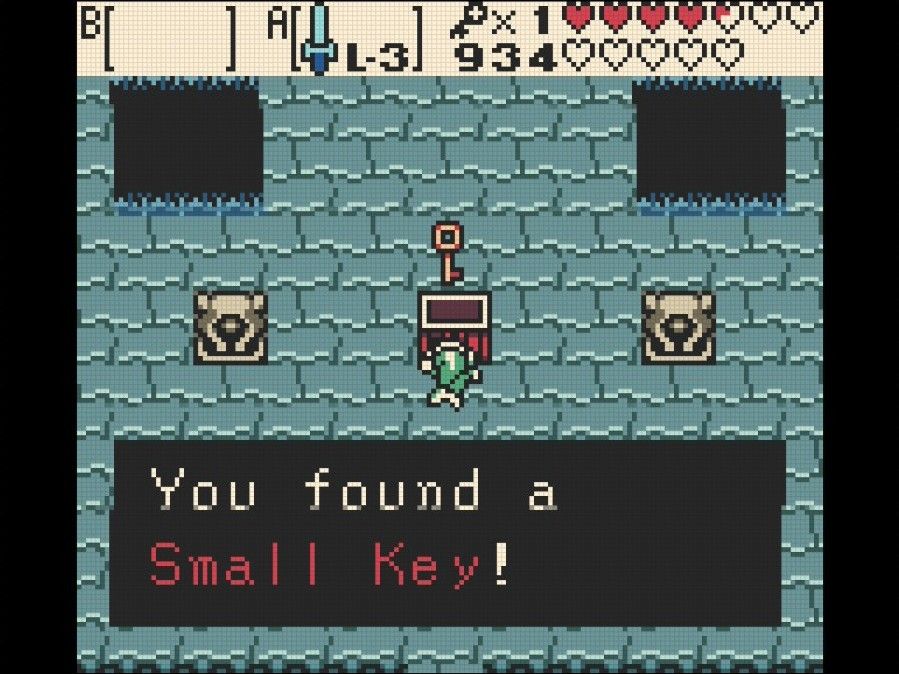
Now that we’ve got that cleared up, Zelda II: The Adventure of Link perhaps required more use of emulation restore points than any other game I’ve played. AoL isn’t just known as a black sheep of sorts due to its deviance from the series’ naming convention (which, to be fair, wasn’t yet the naming convention when it first released); it’s also structurally bizarre in a way that places combat front and centre like nothing else in the mainline canon. It joins the likes of Final Fantasy II, Dragon Quest II, and (in the west) Super Mario Bros 2 as a wildly experimental second entry in a franchise that would go on for decades afterwards by essentially ignoring everything attempted in that entry.

Dark Souls creator Hidetaka Miyazaki famously cited the very first The Legend of Zelda as his principle influence while formulating the series, but it is the immediate sequel that arguably feels even more Souls-like to play through in the modern era: combat is the overwhelming focus over puzzle design, there’s a rudimentary stat system that rewards either pure skill or the brute force of the grind, even well-hidden and overpowered limited-use magic spells play a role. The Adventure of Link may feel the least like a Zelda game of any title on either half of this countdown, and I’m glad it didn’t turn out to be the blueprint for the series going forward, but I must admit it is mighty satisfying to clap that Thunderbird.

First Completed (DS): 2018

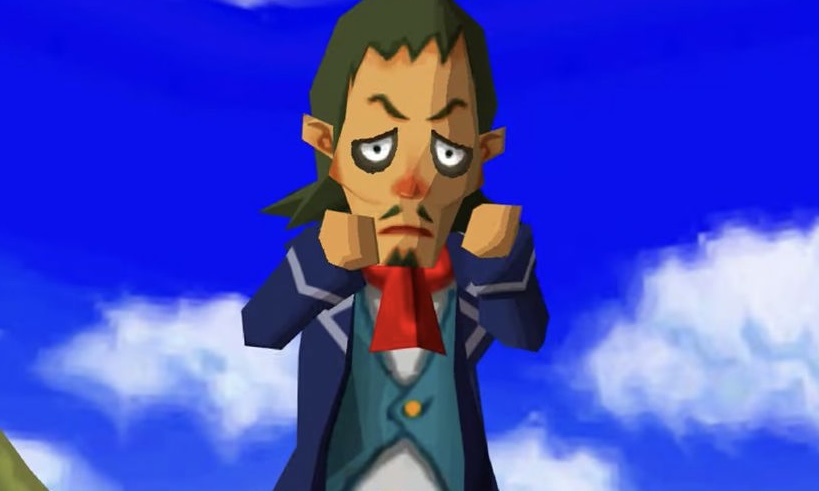
Yeah sure, let’s put the two black sheep of the Zelda series back-to-back; super original countdown idea, man. And yet, considering all the negative feelings I had towards this game for a solid decade after it thoroughly disappointed me at launch, the fact it isn’t dead-last represents a character arc worthy of Linebeck himself. To date Phantom Hourglass is the only Zelda game I have ever outright given up on before seeing the credits; its late 2007 release initially made it seem like the perfect celebratory holiday title, but some major structural design whiffs put the game to bed for me until 11 years later, when a colleague re-framed the game for me with a refreshing pitch and I completed it at last.

The day I reached the end of Phantom Hourglass in early 2018 was the day I knew it might be possible for me to one day go back and finish every Legend of Zelda game, because when I tell you this one boiled my teenage blood upon release, I’m only slightly exaggerating. The Temple of the Ocean King, which gradually unlocks more of its secrets after every main dungeon but must be restarted every time, is almost entirely to blame for this, but the unusually bland colour palette, soundtrack, and story do not do the game any favours.

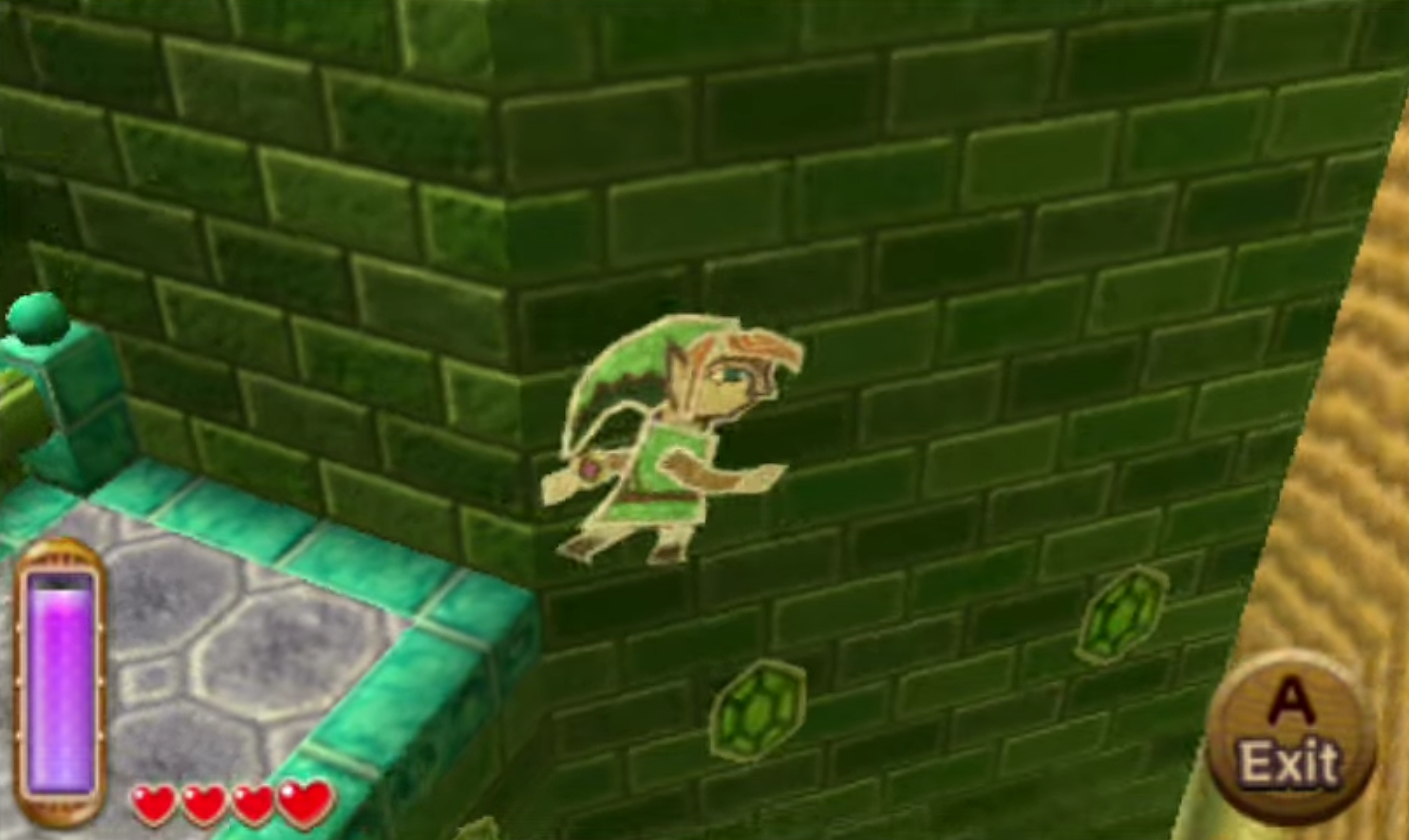
Proper expectations helped a ton on the second go-around, however, and the game does actually have plenty to offer. The touch controls are almost perfect, especially when using items (at least on a stylus-capable platform like the DS, 3DS, or Wii U), the boss fights are amazing, several of the puzzles are devious – including that infamous clamshell stamp moment – and the arc/musical theme of Link’s sailing companion Linebeck makes him genuinely one of the most memorable characters in the series. Finally, there’s the surprisingly addictive collectable ship part economy, which deserves a big mention because trading parts with that aforementioned colleague was the main feature that kept me pushing through the worst parts of the game. Nintendo simply does not respect loot systems enough.

Continue reading →

My Top 30 Favourite Nintendo Franchises: #5-1

5. Paper Mario

Games: Paper Mario (N64), Paper Mario: The Thousand Year Door (GCN), Super Paper Mario (Wii), Paper Mario: Sticker Star (3DS)

Ah, Paper Mario. Who on earth thought it would be a good idea to flatten the world’s most famous videogame mascot, not to mention all his friends and adversaries, and insert him into a world where everything (loosely) follows the physics of papercraft dioramas? Whoever it was, I’m glad that the Paper Mario Series came out of such apparent insanity. I’m even more glad that Intelligent Systems were put in charge of bringing it to life (yes, I am harping on about them quite a bit, but come on, look at all the amazing games they’ve made). Like the quirky Mario & Luigi series, Paper Mario is a humour-laden, turn-based RPG series that owes its action-esque central gameplay mechanic to the Super Nintendo’s Super Mario RPG. What sets the dimensionally challenged series apart from others like it is its endlessly creative use of paper physics in puzzles, battles and storytelling, as well as its apparent lack of fear when it comes to trying new and crazy ideas. The writing across the games is irreverent, self-aware and fun, the secrets are bountiful and the characters are endearing. All Paper Mario games are commendable, engaging RPGs (except for Super Paper Mario, which is a platformer – I know right?) but I’m not going to lie – the reason I rate the series highly enough to lift it into my top five is almost entirely based on the strength of The Thousand Year Door on the Gamecube. It is no exaggeration to say that TTYD is one of my absolute favourite games of all time, and at the very least my favourite RPG ever. I fear its near-perfect storm of meta-battling mechanics, location variety, narrative twists, subtle series in-jokes and rewarding extra content will not be matched for a long time.

– – –

.

Continue reading →

My Top 30 Favourite Nintendo Franchises: #10-6

10. Animal Crossing

Games: Animal Crossing (GCN), Animal Crossing: Wild World (DS), Animal Crossing: Let’s Go to the City (Wii), Animal Crossing: New Leaf (3DS)

No, I can’t explain this. Not fully, anyway. If you haven’t played a game in Nintendo’s ever-quirky Animal Crossing series, you will very likely not understand a word of what I’m about to say. When you pay off a loan to Tom Nook the passive-aggressive raccoon and upgrade your house, the feeling of accomplishment is up there with nearly any gaming achievement you’ve ever reached. And you immediately want more, going further into debt for the sake of just a little bit more space, so you can add just the right touch of balance to the vibe of your room. When you see a bug you haven’t caught before, the cocktail of heart-pounding excitement and self-doubt that floods your veins is overwhelming. And when an animal you like leaves your town… Well, the less said about that the better. In terms of content, the games continue to get more and more expansive as the series continues, but in my opinion the portable entries are by far the best ones. The intimacy of a handheld device perfectly suits the strange, pride-fueled mini-achievement cycle that drives Animal Crossing. There is nothing else quite like it.

– – –

.

Continue reading →

My Top 30 Favourite Nintendo Franchises: #15-11

15. Donkey Kong Country

Games: Donkey Kong Country (SNES/GBC/GBA), DK Country 2: Diddy’s Kong Quest (SNES/GBA), DK Country 3: Dixie Kong’s Double Trouble! (SNES/GBA), DK Country Returns/3D (Wii/3DS), DK Country: Tropical Freeze (Wii U)

When I was putting together this countdown I was actually rather surprised that the Donkey Kong Country series ended up as high as it did, as I never owned a Super Nintendo and so didn’t get to experience most of its games back in the day. I did play the Game Boy Color port of the first game, which I enjoyed, but the real reason this franchise is here is its more recent offerings, courtesy of Texas-based Nintendo developer Retro Studios. The 2010 return of the series after a long hiatus, aptly named Donkey Kong Country Returns, was of such high quality that it was a pleasant shock for many fans. I took a special liking to it when it destroyed my gaming self esteem over and over for eight long months as I tried and tried again to beat it in co-op mode. Seven different co-op partners later, I did. And then came this year’s Donkey Kong Country: Tropical Freeze, which provided many more hours of difficult yet oh-so-satisfying play. There’s just something about the world’s most famous ape that prevents the majority of his games from being bad.

– – –

.

Continue reading →

My Top 30 Favourite Nintendo Franchises: #20-16

20. Mario Party

Games: Mario Party (N64), Mario Party 2 (N64), Mario Party 3 (N64), Mario Party 4 (GCN), Mario Party 5 (GCN), Mario Party 6 (GCN), Mario Party Advance (GBA), Mario Party 7 (GCN), Mario Party 8 (Wii), Mario Party DS (DS), Mario Party 9 (Wii), Mario Party Island Tour (3DS)

Oh, the nostalgia. Words can’t adequately express the feelings that come with reminiscing about the days I spent playing the first two Mario Party games with my friends and siblings as a kid. It was like playing a themed board game where any outcome was possible, and whether that meant you got to come back from the brink of certain loss to win the day thanks to your secret ability to land on special spaces, or you got absolutely shafted by your sister’s coincidental run of extreme luck, the chaotic memories were burned into your brain. The minigame design of the early games was also tight enough to warrant playing them on their own, and while it’s true that the series suffered a drop in quality (not to mention originality) as it moved into the Gamecube era, the last couple of years have seen a couple of fresh ideas making their way back into proceedings. I’m cautiously optimistic about Mario Party’s Bowser-centric Wii U debut.

– – –

.

Continue reading →

My Top 30 Favourite Nintendo Franchises: #25-21

25. Luigi’s Mansion

Games: Luigi’s Mansion (GCN), Luigi’s Mansion 2 (3DS)

It may be one of Nintendo’s lowest output franchises, boasting only two games in over a decade, but anyone who’s played a Luigi’s Mansion game can attest to the quality it offers. The first full-fledged solo outing for Mario’s slightly less famous younger brother, Luigi’s Mansion hit as a Gamecube launch title 12 years ago and, despite its relatively short length, managed to pack in plenty of atmospheric, slightly unsettling, puzzle-solving goodness. The game rewarded curiosity and exploration in unconventional ways, characterised Luigi in a hilarious new light and featured boss fights as clever as the environmental design around them. Though I regrettably haven’t played the 3DS’ Luigi’s Mansion 2 (known overseas as Luigi’s Mansion: Dark Moon), I have heard absolutely nothing but praise from everyone who has, and intend to give it a spin when I can find the time between other releases.

– – –

.

Continue reading →

My Top 30 Favourite Nintendo Franchises: #30-26

30. F-Zero

Games: F-Zero (SNES), F-Zero X (N64), F-Zero: Maximum Velocity (GBA), F-Zero GX (GCN)

Here’s a controversial one to kick things off. I know there are plenty of vocal F-Zero fans who swear by the well-tuned arcade (read: insane) difficulty of the futuristic racing series, and said fans are positively foaming at the mouth for a new sequel. The last console entry in the franchise, F-Zero GX for the Gamecube, is now more than a decade old, so a new one is indeed long overdue. F-Zero’s ridiculous energy, intergalactic character roster and unique aesthetic do arguably set it apart from Nintendo’s higher-profile racing series, and Captain Falcon is an insanely popular character thanks to the Super Smash Bros series, so its a little baffling why it’s taking the Big N so long to get things going again. I’d buy a new F-Zero game, even though I would be terrible at it.

– – –

.

Continue reading →

Ten Cubed is…

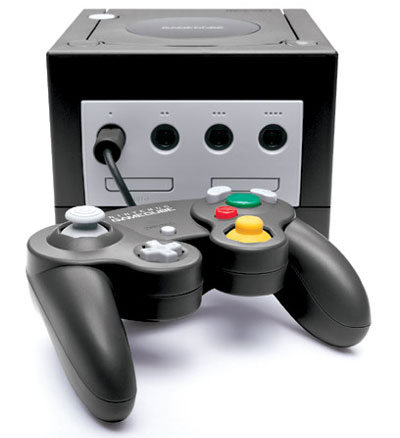
In some ways it’s hard to believe this day has come. Today is May 17th and that means it is exactly ten years since the launch of the Nintendo Gamecube in Australia.

On May 17th, 2002, ten years ago to the day, my school had a Staff Development Day, so we didn’t have to go to class. It was clearly put on so the teachers could all go grab themselves a shiny new Nintendo Gamecube.

Featuring one of the most comfortable controllers ever designed.

That day represented the first time I had ever purchased a video game console with my own hard-saved pocket money. That little black box was also the first console I had ever taken home on launch day. Its graphical power, quite impressive at the time, blew me away after years playing Nintendo 64 games, but more importantly the Gamecube provided just as many wonderful gaming memories as its predecessor. Its handle and small size meant it never stayed in one place for too long, making temporary homes at friends’ places, where the good times rolled on.

What follows is a list of my top ten favourite Nintendo Gamecube games of all time. Continue reading →