Revisiting My “Favourite” Pokemon Game After Two Decades on a Console For Ants

Life can be pretty predictable at times, but often it just has a funny way about it. This site may have already enjoyed a slightly more-active-than-usual 2024, but following the traditional post-June hype season lull it was probably going to stay pretty quiet for a few months as per tradition. But suddenly, there is something else to write about.

You see, long after I had given up hope of playing a working Game Boy Micro – let alone owning one – a deal too good to refuse came across my entirely metaphorical desk out of nowhere a couple of months back. I am now, at long last, in possession of a tiny baby handheld console I didn’t even register as existing until long after Nintendo had stopped manufacturing it. And with a barely-believable GBM comes the question “What do I even play on this thing?”

A minor excavation campaign revealed some potential candidates: Advance Wars feels like it was made for this machine, and it’s been a real long time since I played through Final Fantasy Tactics Advance – with no sign it’s coming to Nintendo Switch anytime soon either. But would you look at that, Pokemon Leaf Green just so happens to turn 20 this year, and for a decent chunk of my life I told people it was my favourite Pokemon title. Across multiple forms of public transport and various hotels and other locations, I’ve been working my way through a long-overdue playthrough; let’s see how it holds up then, shall we?

But first:

It’s So Tiny!

The Game Boy Micro feels so miniscule in 2024 that it’s barely believable. The thing is a quarter of the size of my phone, which was already the smallest device capable of playing games in my life. Picking up the tiny AyaNeo Air Pro after a session with the Micro makes it feel bulky and cumbersome, to say nothing of the even larger Switch OLED. Of course back when it came out it was competing with a fleet of already-small dedicated Game Boy handhelds, but let’s not understate things here: even compared to those, this one is an almost cartoonish miniature.

Continue reading

So Where Do the Big Presenters Stand After Summer Showcase Season 2024?

Another year, another new(ish) attempt to package up all the drama and hype from a typically stacked June hype season. Most of the usual suspects have shown up over the last three weeks to state their intent for the next 12 months or so, and even more than most years, each major videogame showcase holder now feels like their public position can be summed up by just a few words. So let’s start there and expand out a bit.

We’ll view each publisher through the lens of their presence over the whole news period where applicable, rather than just within their own individual showcases.

PLAYSTATION

STUCK BETWEEN TREND-CHASING AND CREATIVITY

Playstation’s modern showcase branding is a great idea on paper: the “State of Play” shows are meant to be shorter and smaller in scale than the full-on “Playstation Showcase” presentations, and this divide is meant to help manage expectations. But the wide range of lucrative partnerships Sony can call on these days, in conjunction with the company’s understandable desire to appeal to casual fans and shareholders, have meant the reality doesn’t always line up that way. The limited PS Showcases this decade have felt bloated in places, and yet State of Play line-ups are often packing megaton reveals the calibre of Resident Evil and Final Fantasy.

So when you announce that a State of Play is set to air mere days before Summer Game Fest gets into full swing, people are going to look at it with a strong degree of hype – unfairly or not. And using a third of your runtime on a derivative first-party hero shooter and the third-party competitor destined to cannibalise it is certainly a choice that is going to earn the ire of a fair few viewers.

Concord may look like it has the funding and ex-Destiny development talent to hit big for Sony, but there is just nothing about the last few years in online PvP gaming trends to suggest that it will do anything but flounder upon release. The rules for what succeeds and what fails in the live service game space seem increasingly luck-based every year, so maybe its distinctly Guardians of the Galaxy-inspired character energy will hit with players. In the year of Helldivers II, the fact that it isn’t free-to-play may not be the problem it once was, either. But odds are still against it in the face of fierce competition, not least of which will likely come from another hero shooter shown in the very same conference: Marvel Rivals.

When you are the console publisher that gave the world Uncharted, The Last of Us, Horizon, the rebooted God of War, and Ghost of Tsushima among other stellar single-player stories, choosing to open your big summer show with a lengthy look at a live-service multiplayer title, you are going to look like you’re chasing trends.

Luckily, this first cab off the showcase rank also gave us one of the biggest highlights of the entire season: Astro Bot. That’s right, just Astro Bot. The adorable mascot-in-waiting carries no subtitle for his third adventure, and that’s a clear statement of intent to go along with the game’s near-full-price release strategy and primetime September 6th release date. As a former Nintendo kid I do not say this lightly, but this looks like it could be Mario-level good. The PS5 has been crying out for another family-friendly exclusive to go with 2021’s excellent Ratchet entry, and the choice to close the State of Play with such a wildly creative project indicates that old golden-age Sony is still in there.

The sheer contrast in tone between the opening and closing first-party segments of the show may have dominated the headlines, but there was more tasty third-party stuff in there worth keeping an eye on too. We saw yet another incredible-looking Chinese action game in the form of Where Winds Meet, the first of many, many new “Soulslikes” for the season with the multiplayer-focused Ballad of Antara, and a gnarly gameplay preview of the highly-anticipated Path of Exile II.

Omega Force also showed up with what will be the first new mainline Dynasty Warriors entry in seven years, titled Origins; it was an appearance almost as out-of-the-blue as the massive increase in visual quality over prior instalments. Silent Hill 2 also got an appropriate October release date, but opinions are apparently still mixed on that one. I never played the original, but I adored Bloober Team’s The Medium so I’ll be there.

As for Playstation’s presence outside its own branded presentation this season, the biggest eyebrow-raiser came with the title card at the very end of the Lego Horizon Adventures trailer that opened the Summer Game Fest main show. The unlikely family-friendly collaboration launching on PC is hardly surprising given Sony’s recent public comments to investors about widening the reach of their games, but the unmistakable red Nintendo Switch logo was an additional layer almost no one was expecting – all the juicier for the lack of an Xbox jewel to go alongside it. The game looks great, by the way, and that brings us to…

GEOFF

LIGHT ON BIG HITS BUT SELF-AWARE AND IMPROVING

Geoff Keighley’s big Summer Game Fest kickoff showcase was certainly a stark reminder that 2024 is a hangover year of sorts for big expensive third-party gaming fare, but it still brought its fair share of worthwhile moments as well as meaningful improvements to Keighley’s well-worn show format.

There’s a discussion to be had as to whether all his presentations need to be over two hours in length, but 2024’s SGF show still leveraged one of his now-famous close professional connections for a truly beautiful Alan Wake II double-reveal: a much-appreciated physical (and collectors) edition of the game alongside an unhinged triple-barrelled “out in 24 hours” DLC announcement that wiped out the disappointment of 2023’s relative lack of June shadow drops in one clean hit. Throwback beat-em-up Power Rangers: Rita’s Rewind also went off for me personally, as did the super-weird gameplay debut for Slitterhead (from a bunch of ex-Silent Hill devs) and the announcement of Fatal Fury characters coming to Street Fighter 6.

The widest-reaching announcements were probably the CG teaser for Civilization VII, the surprising reveal of Valorant console ports, and the first attempt at a Quidditch game in decades. Aside from those, the flavour of the show was largely release dates and updates on games we already know about (October 11th is looking stacked for Japanese games) and a more indie-centric presence than usual, which is no bad thing – especially this year. Geoff’s opening monologue focused on job losses in the industry and the success of breakout indie projects on Steam so far in 2024 may have been a little stiff, but it’s not the kind of shout-out you’d find from any of the other big American summer gaming conferences.

Continue reading

The Seven Stages of Videogame Re-Releases

It’s been a topic at the forefront of gaming for at least three console generations: the videogame industry is now old enough to look back and draw from its past, and in an age where some games of yore are ridiculously difficult to experience with anything approaching legality, re-releases distinct from their original source in all manner of ways are as commonplace as they are guaranteed to attract online discontent. In many cases, they also represent a near-guaranteed source of revenue for publishers keen on mining nostalgia, so whether you love them, hate them, or pay them no mind until one of your favourites arrives in the spotlight, they aren’t going anywhere.

What I find most interesting about the modern re-release is that the quality and even validity of a given project oftentimes seems to hinge on what labels people are willing to attach to it. As with most things in life, enjoyment is regularly determined by expectation, and the wrong label can instantly diminish the hard work of thankless development teams, sow confusion over lengthy production cycles, or encourage needlessly circular pricing debates. So I feel like it’s worthwhile to break down and categorise those very labels as I see them defined today.

Because seven is a poetic number that looks great in post headers, that is how I have attempted to divide them – even if I have to stretch a bit to do so. It’s all just one person’s take after a couple of decades following the videogame industry – and I can definitely see people disagreeing on the order of the categories – but I’ve tried to articulate with examples as best I can.

Port

Your basic “Take Game A from Platform B and get it to run on Platform C” situation. Nothing more, nothing less. This is regularly seen when a period of platform exclusivity breaks and a title shows up on a competing one within the same generation. Because timed exclusivity within the console space is a rarity nowadays, the platform that is usually either early or late to the party is the PC, but you see more variety of circumstance the lower down you go on the production budget scale. For every big-budget early access title on the Steam/Epic Games storefront, every surprising eleventh-hour Yakuza/Square RPG arrival, there’s a “Nindie” debuting on Switch first, a small ID@Xbox game flying the Game Pass flag straight out of the gate, a former Apple Arcade exclusive that manages to find an unlikely second life somewhere else. When these games inevitably cross over to find new homes – grabbing a handy second wave of buzz in the process – they invariably do so without significant gameplay changes or extra content that hasn’t already been added to their initial versions.

The overwhelming majority of PC ports do offer more flexible graphical options due to the open nature of the PC environment (usually related to resolution, frame rate caps/unlocks, and previously unavailable visual effect toggles), just as a huge amount of Switch ports require technical downgrades by very imaginative and talented people in order to run at all (The folks at Bluepoint, Nixxes, and Panic Button come to mind). But if that’s all she wrote, you’re looking at a bread-and-butter port. There are many who hold the untouched port as the most ideal form of game preservation, and many more who don’t see the point of a fresh release of an older game if the developers don’t update anything, but the simple fact remains that basic ports allow more people to play more videogames and they’re an unavoidable part of the landscape.

IT’S A PORT IF: it shows up on a different platform from the original release, and barely anything has changed beyond what the new platform inherently offers to its games.

Enhanced Port

A game qualifies as an enhanced port in my mind if there has been little to no discernible graphical work done under a game’s hood since its original release, thereby qualifying it as a straight port if not for one or two clear and way-too-significant gameplay changes that have been implemented. Weirdly enough, this opens the door for re-releases to occur on the same platform as their source material, a practice for which the Kingdom Hearts franchise used to be infamous and something the Pokemon main series did with immense success right up until 2020, when it switched to a DLC Expansion strategy instead. The concept of an enhanced port definitely represents a curious semantic pocket of the industry, because while you can theoretically port a game to the platform it’s already on, without any noteworthy enhancements such an endeavour would be literally pointless.

Of course, most of the qualifiers for this category actually do cross over to new platforms, and as you might expect if you’ve invested in any of their recent consoles, Nintendo features heavily among them. The notoriously port-happy Big N greenlit an almost exhaustive catalogue of exports from the tragic Wii U to the hit-making Switch over its long life to give the a stranded titles a chance at sales, each packing little more than a resolution bump in the visuals department but almost always carrying a smattering of bullet points to set the new version apart.

For example, Hyrule Warriors Definitive Edition packs new character skins and integrates content from multiple previous versions of the game, New Super Mario Bros U Deluxe and DK Country Tropical Freeze add new characters and abilities, Super Mario 3D World + Bowser’s Fury adds, well, Bowser’s Fury, and Mario Kart 8 Deluxe fundamentally changes the flow of gameplay with more granular kart stats, tweaked balancing and an extra item slot per player (in addition to new characters). Older instances include the Gamecube release of Sonic Adventure 2 with an entire multiplayer mode in tow, the transformed controls and gameplay balance of Resident Evil 4‘s Wii edition and the enabling of the mythical “Stop n’ Swap” functionality in the Xbox 360 version of Banjo-Kazooie.

IT’S AN ENHANCED PORT IF: it basically looks / sounds the same, but substantial gameplay content has been added or even changed.

Continue reading

Ten 2024 Movies Summarised in Ten Words Each

We did know this would be the case to be fair, but hoooo boy it was a tough opening to the year for movies. It’s been a good while since I’ve started a fresh year with so few options on the near horizon outside of the previous year’s American film schedule off-cuts. For a while there it looked like Dune Part II was the only actual 2024 film worth anticipating, and I might have hit the ten-movie mark around June or something.

Luckily, a couple of odd streaming releases caught my attention when friends recommended them, and then around late April the various layered impacts of last year’s Hollywood strikes began to ease off, and suddenly a flurry of intriguing stuff began to hit our big screens. So we just make the customary April slot for the year’s first ten way-too-brief cinematic summaries, and it’s been a surprising amount of fun getting there. Here we go:

1 2 3 4 5 6 7 8 9 10

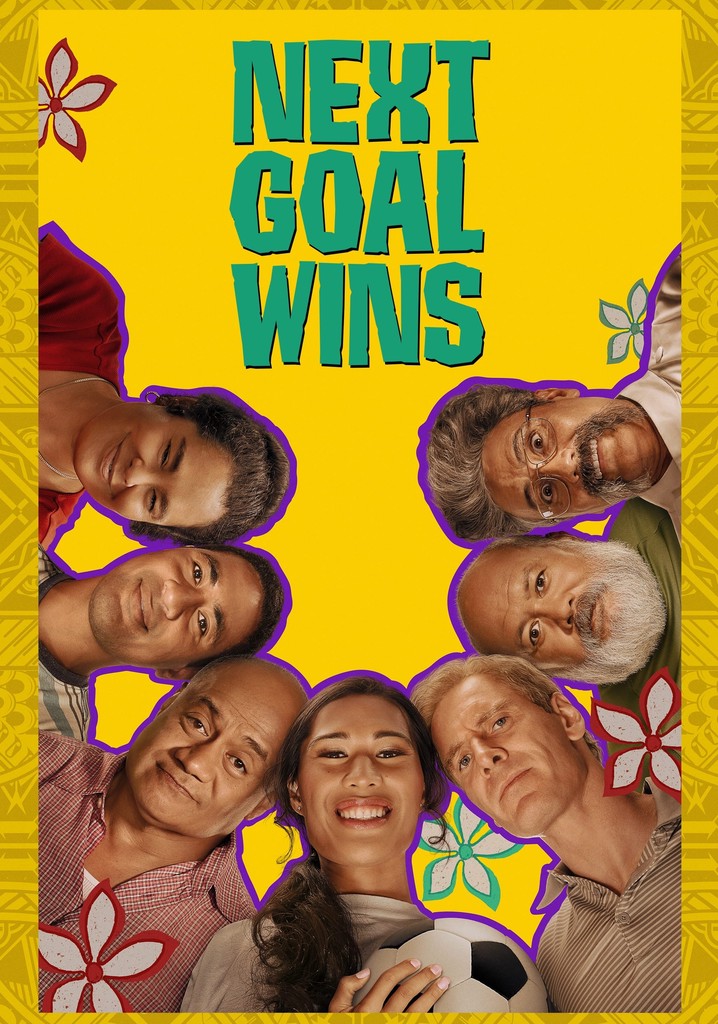
Next Goal Wins

Not Taika’s best, but underdog sport stories are easy wins.”

Ferrari

Disappoints Angry Adam Driver fans, thrills Angry Penelope Cruz fans.”

SEE MORE

The Handheld Lives! 2024’s Unlikely Portable Renaissance

Somebody pinch me.

A decade ago not only was home console gaming supposedly dying, but it was an even greater certainty that the dedicated portable had been nailed to the wall by the smartphone and all its wonderfully innovative promises. And for good reason: I distinctly remember even the 2010-model iPod Touch making such industry shockwaves with its impossibly high-res screen and array of imaginative games that I could feel them in my hands over the next couple of years. From the simple tactical goodness of the original Plants vs Zombies, to the innovation incarnate within Flight Control, to the addictive simplicity of Jetpack Joyride, to the delirious roguelike highs of the impossibly pretty Infinity Blade; it felt like a genuinely viable new gaming device with a serious future backing up all the well-documented speculation.

But while mobile gaming has certainly made a gigantic pile of money for a select few developers and publishing companies, it’s probably fair to say that for markets outside the free-to-play sphere, it ain’t what it’s cracked up to be. The smartphone did not quite kill the handheld console, but it did leave it on decidedly shaky ground for years; the PS Vita’s awfully misguided 2012 launch didn’t help matters and the 3DS took at least a year to recover from its own initial mistakes. Then half a decade later the Nintendo Switch came along and, well, I’m not going over that story again. The point is the hybrid console was so successful that it has inspired all manner of portable pseudo-competitors: we now live in a world where I can play just about any current-gen game from any of the major videogame ecosystems, on a screen that fits in my lap, with actual buttons and everything. And that was a truly insane thought just a few years ago.

Let’s dive into just how the scene is shaking out for portable enthusiasts in 2024, through the lens of three devices I’ve been using.

In the Green Corner…

Just one of the many, many products of the explosion in popularity of handheld PCs this decade – spearheaded by the amazing Steam Deck – the AyaNeo Air Pro is not the Chinese pocket PC company’s most powerful SKU: in fact, in the 14-15 months since I bought the machine, it has already been superseded within its own niche – twice. What the Air Pro does have going for it, however, is that it’s tiny – as in, narrower than a Switch Lite, though it is much thicker – and yet still leaves Nintendo’s console for dead in terms of processing power. It also boasts a gorgeous 5.5-inch OLED panel at an overkill-worthy 1080p resolution, a comfortable shell design, and hall-effect thumbsticks that physically cannot develop drift problems.

Continue reading

Best of 2023 Closer

And with that, one of the most packed years for entertainment media I can remember is done and dusted.

I’d normally be looking to relax and take most of January as a bonus chill month to watch and play some old stuff, but I’ll be honest: the first quarter of 2024 is looking so scary that if I don’t pick up any games between April 1st and December 31st, I might still struggle to finish all the meaty games I’d have already started by then. In particular, I’m one of the many people who has February 29th circled seven times on the calender, as the sequel to my 2020 Game of the Year (and Dune 2, while we’re at it) looks set to land with a titanic crash that temporarily eradicates several categories of life priorities at once.

But in this very brief calm before the storm, here are all ten of the countdowns that summed up my busy 2023:

Top 5 Disappointments

Top 10 Game Re-Releases and Expansions

Top 10 Movie Characters

Top 15 K-Pop Singles

Top 5 Game Consoles

Top 10 Movie Scenes

Top 10 Gaming Moments

Top 10 K-Pop Albums

Top 15 Games

Top 10 Movies

Best of 2023: Top 10 Movies

What a strange, fascinating year this was for film.

The cinematic quality absolutely showed up in 2023: multiple mega-budget discussion magnets rolled onto big screens without even one (1) superhero in them – and some of the movies that did feature comic book origins were even quite good! We got gigantic big-screen showcases and intimate streaming-friendly art pieces waiting to be picked apart. We got new Scorsese, new Fincher, new Scott, and new Nolan joints within one calendar year, and they all looked expensive – which just seems crazy in a post-lockdown world.

Speaking of which, the last of the major pandemic-delayed movies may be behind us now, but we may be in for a wave of strike-delayed features – hopefully made by fairly-compensated people – over the next couple of years.

I saw 28 new-release films in 2023, which was always going to come far below my 2022 tally, but almost everything I saw this year was worth my time, and some of these may even be worth yours! To close out the year as always, these are my top ten favourite movies of 2023.

-◊-◊-◊-◊-

VR BEST OF 2023 DISCLAIMER

This list represents my opinion only. I am not asserting any kind of superiority or self-importance by presenting it as I have. My opinion is not fact. If you agree with me 100%, go buy a lottery ticket. Respectful disagreement is most welcome.

-◊-◊-◊-◊-

10. Barbie

Our first entry seemed for a while like it could have gone in either an ultra-shallow or overly-pretentious direction, and it kind of did neither. Frustratingly uneven given the ridiculously stacked roster of people involved both in front of and behind the camera, Barbie is still a relentlessly entertaining ride from the triumphant set design of its opening scene to those loopy, abstract final minutes. And sure, it has prompted remarkably varied discussions about quality, thematic payoff and commercial realities among my friends and family that I have and will likely continue to enjoy over time – which will always give a movie extra points in my book – but it also gave us two of the best musical sequences of the year, one of Kate McKinnon’s most unhinged cinematic turns, and that career-highlight performance from Ryan Gosling.

9. Mission Impossible: Dead Reckoning Part I

I’ve found the seventh Mission Impossible film exceedingly hard to quantify over the last half-year, largely because after they made two of the greatest action movies ever back-to-back, Tom Cruise and Christopher McQuarrie decided to lean into more character-focused territory – and tell only half a story – for their third Mission Impossible project as a team. Thus many of the narrative choices the script makes are yet to be resolved, and for once the action isn’t uniformly excellent enough to make up for this: the movie features only the second-craziest vehicular chase down a Roman staircase this year (and unbelievably, the year’s third-most-intense action scene on a European staircase altogether); the realities of the pandemic clearly also limited the volume of real-world stunt magic this time around.

But just to be clear, I still love this movie; Ethan’s established crew (Ilsa Faust aside) is handled as endearingly as ever, newcomer Grace makes a fantastic entrance, and the lead character’s continued transformation into the ultimate ride-or-die partner keeps the stakes impossibly, entertainingly high.

CLICK HERE TO KEEP READING

Best of 2023: Top 15 Games

There hasn’t been a “bad” year for new-release videogames in recent memory, and so many of the darn things are coming out all the time always that it’s hard to see a dud on the horizon as long as civilisation remains intact. And yet, maybe two or three times a decade it still feels like the major hype-magnets clump up together and conspire to form a mega Voltron of a year worth writing into the gaming history books as a truly “great” year for videogames. 2023 was unquestionably one of those, but the plaudits needn’t stop there.

Unfortunately 2023 may have been one of the worst years in history for games industry layoffs, but it was without a shadow of a doubt the best year for game releases since at least 2017.

In my opinion, it was the best of all time.

Throughout the whole year, it felt like every week brought a new game pushing above 85 on Open/Metacritic. Playing Fantasy Critic with friends was an absolute nightmare as hits kept coming from all directions. The pre-release hype-to-quality ratio over the whole year was higher than any I can remember. For the first time ever, all fifteen of the games on my list this year were nominated for at least one category at The Game Awards – and eleven of them were winners.

We’ve already covered the sheer strength of the DLC expansions in 2023, many of which can stand head and shoulders above most full games released in the last few years. But 2023 also gave us quality potential rabbit holes just waiting to ensnare, like Wild Hearts, Diablo IV, Avatar: Frontiers of Pandora, Like a Dragon: Ishin, Hogwarts Legacy, and Dead Island 2; some of the best “souls-likes” ever in the form of Wo Long: Fallen Dynasty, Lies of P, and the reborn Lords of the Fallen; huge online multiplayer offerings like Counter-Strike 2, Remnant II, and The Finals; and great signs for families without Nintendo consoles thanks to Sonic Superstars, Lego 2K Drive and Party Animals. 2023 was also the year that Fortnite completed its fascinating metamorphosis from a game into a game launcher.

The year also brought a deluge of small-budget standouts like Venba, The Talos Principle 2, Jusant, The Cosmic Wheel Sisterhood, Darkest Dungeon II, Tchia, Humanity, Blasphemous 2, and A Space for the Unbound, each of which mopped up critical praise like it was going out of style, and none of which deserved to come out in a year this stacked with quality big-budget fare. Of the fifteen games on my list, just two are what I would classify as indie games – and this appals me.

Five hours of playtime is the minimum requirement for list eligibility (unless the game is shorter, has no perceivable end, or is primarily multiplayer in nature), and that sadly disqualifies Fire Emblem Engage, Mortal Kombat 1, Cassette Beasts, Dragon Quest Monsters: The Dark Prince, Wargroove 2, Planet of Lana, Persona 5 Tactica, Pizza Tower, and most upsettingly Oxenfree II: Lost Signals, despite the fact I was having fun with all of them before outside factors (usually other games) interrupted me. Also, I’ll be dead-honest, I have no idea how to classify Theatrhythm: Final Bar Line, but it’s amazing and you should play it if you’re even a little into Square Enix RPG soundtracks.

With that extremely long introduction out of the way, it’s time for my wordiest Game of the Year list ever, so strap in (parentheses indicate where I played each game):

-◊-◊-◊-◊-

VR BEST OF 2023 DISCLAIMER

This list represents my opinion only. I am not asserting any kind of superiority or self-importance by presenting it as I have. My opinion is not fact. If you agree with me 100%, go buy a lottery ticket. Respectful disagreement is most welcome.

-◊-◊-◊-◊-

15. Street Fighter VI (XSX)

Capcom’s absurd hot-streak of great new videogames is now long enough that the chatter around them centres less around whether a new release will actually be good and more about what will be the first game to break it. And yes, we’ve talked about Exoprimal already, but I maintain that the game is a ton of fun to play, not to mention technically rock-solid, and is just hamstrung by some baffling online multiplayer restrictions. You know what Capcom game doesn’t need a bunch of asterisks when you talk about how good it is? Street Fighter VI.

History is littered with examples of videogame sequels that take the wrong lessons from poorly-received predecessors and over-correct, but the extraordinarily meaty single-player offering that the sixth main SF has to offer is no mere apology for the bare-bones Street Fighter V; it is yet another shrewd utilisation of perhaps gaming’s most impressive publisher-internal game engine. Running around the full 3D environments of Metro City feels so natural you’d swear you were playing a different game at moments during the World Tour campaign.

But even if you don’t want to engage with any of that, Street Fighter VI boasts one of the most in-depth and impressive tutorials I’ve seen in a fighting game; it wants you to feel like you could rise up the ranks and become a genuinely good player, and it works. On top of all of that goodness is the best presentation in SF’s three-dimensional history, bringing together fantastic character art with fluid personality-packed animations, ribbons of colourful paint effects to highlight the benefits of the new Drive System, and a fresh level of commitment to Street Fighter’s, um, fighting on a street aesthetic that enlivens everything else around it.

14. Cocoon (PC/XSS)

Leave it to a bunch of ex-Limbo/Inside developers to make you feel like a genius again and again, even though all you did was follow their brilliantly gentle guidance through visual context clues and a you’re-getting-warmer musical feedback system that works like if the classic Zelda puzzle chime took a month off to study music theory at the most zen retreat ever. Cocoon‘s central premise sounds like it would either break immediately or become untenably complex as soon as you tried to take it beyond its first iteration, but Geometric Interactive turns a wordless adventure where you pick up entire worlds and use them to activate mechanical switches into a taut masterpiece that makes a five-hour run feel like an epic odyssey through cosmic possibilities beyond humanity’s wildest dreams.

Each moment the weird cicada alien thing at your fingertips leaps beyond the boundaries of yet another world to reveal an even bigger one is worth the time Cocoon took to develop all on its own. The bosses are extraordinarily fun to take on with little more than a single contextual gimmick and your wits. The secrets are rewarding and seamlessly integrated into the world(s) around them. The puzzles in the final third of the game are deviously tricky. The minimalist animation work is outstanding. The alternately booming and almost non-existent electronic score is a vibe and a half. Long may Geometric continue on their new development path, because on this form I would eat their next game on day one.

CLICK HERE TO KEEP READING

Best of 2023: Top 10 K-Pop Albums

As we head into the home stretch and say goodbye to 2023, we have a good chance to look at the output of some of the bigger names in K-Pop that skipped this year’s singles list; a few of them land here with unexpectedly stellar longer-form work.

Right after a year where all five LP entries came from soloists, the groups are back in full force after an unusually strong year, but it’s business as usual for the mini albums: 2023 brought a bloodbath of quality EPs and most of them came from girl groups.

Though all-English songs on albums are no big deal here, all-English song collections aren’t eligible, but I’ll give a quick shout-out to ex-SNSD vocalist Jessica’s unexpectedly great solo EP Beep Beep.

1-3 tracks = N/A

4-7 tracks = mini album

8+ tracks = full album

-◊-◊-◊-◊-

VR BEST OF 2023 DISCLAIMER

This list represents my opinion only. I am not asserting any kind of superiority or self-importance by presenting it as I have. My opinion is not fact. If you agree with me 100%, go buy a lottery ticket. Respectful disagreement is most welcome.

-◊-◊-◊-◊-


MINI-ALBUMS

5. ASSEMBLE – TripleS

The whole song and dance around how TripleS functions mechanically is enough to give anyone a migraine, but their first album effort as a “full group” is a doozy; you just have to love the bravado that had to power the decision to do both the classy standalone tone-setting opening song AND the trendy nonsense-syllable salad designed to build up the title track. Rising thus sits comfortably in the Track 3 nook, where its inherent choppiness is improved by the warm, wide sound of Beam and the even choppier Before the Rise in almost equal measure.

Though the success of that little trick is the most standout characteristic of the EP, there is certainly more to enjoy here, as Colorful and New Look both push accomplished synth flourishes through the listener’s headphones in different flavours – the former buzzy and brash, the latter covered in gloriously city-leaning 1980s confidence. The Baddest serves as the palette cleanser between them, and the quality of the production ensures it comes out better than that threatening title – and some misplaced sing-talking – might suggest. Short-and-speedy closer Chowall lends the kind of symmetry I will probably always over-reward to the mini, and TripleS are off to the races.

4. OO-LI – Woodz

The man who can’t seem to leave this mini-album list alone brought more of the goods in 2023, although the way OO-LI shakes out is a bit different from Cho Seungyoun’ prior best. Rock influences continue to creep into his work – this 7-tracker feels fully half electric guitar-powered – but the more interesting characteristic on show here is that rather than a tracklist comprised of just hard songs and soft songs, OO-LI positions almost every track as a ‘builder’.

Only straight-roller Who Knows stays at one level the whole way through; the rest make sure to ramp up on their own individual terms. Smooth tunes like opener Deep Deep Sleep and closer ABYSS start with minimal instrumentation and add layers until they reach a fuller sound, while the choir vehicle Journey, saloon jam Ready to Fight and Nirvana-inspired Drowning go much harder with the marked goal of reaching a vocal tornado on the chorus and an absolute hurricane at the crescendo. No track goes bigger than the centrepiece, however: Busted is a stone-cold platinum star for Woodz’ career highlight reel, almost stopping itself dead in the final minute just to maximise the impact of a shred-and-growl finale.

CLICK HERE TO KEEP READING

Best of 2023: Top 10 Gaming Moments

A stacked videogame year like 2023 means good news for the quality of this list, and awful news if you like scrolling through casually without major spoiler risks. This isn’t all plot-focused moments, of course, but if you have not completed all the big 2023 games you wanted to this year, firstly I get it, I’m right there with you; and secondly, you almost certainly will be spoiled on something if you continue to read. Do with that warning what you will.

Alright, let’s go – here’s the stuff that took my breath away in 2023.

-◊-◊-◊-◊-

VR BEST OF 2023 DISCLAIMER

This list represents my opinion only. I am not asserting any kind of superiority or self-importance by presenting it as I have. My opinion is not fact. If you agree with me 100%, go buy a lottery ticket. Respectful disagreement is most welcome.

SIGNIFICANT VIDEOGAME SPOILERS FOLLOW!

-◊-◊-◊-◊-

10. Any Excuse for Portals – Spider-Man 2

It’s no secret that Insomniac Games has had a thing for instant teleportation in recent times: just look at the wonderfully flashy solid-state-loading showcase Ratchet & Clank: Rift Apart. But few would have predicted their follow-up game might find another equally brazen use for such tech – let alone with straight-up portals. But thanks to some cheeky contractual limbo, a Dr Strange-adjacent artifact finds its way into the climactic battle at the end of a Miles/Black Cat mission chain, and fireworks ensue.

As expected of a Sony first-party game, Spider-Man 2 can claim a host of highlights worth a mention on a page like this – the opening Sandman boss fight, the flashbacks to Pete and Harry’s teenage years, the Hailey graffiti mission that puts the player inside the world of a deaf person, the emotional clash with a reimagined Scream, the brief moments spent in control of Venom – but that team-up fight with Black Cat is just exhilarating. The already-excellent locomotion the game has to offer is brought to another level when you’re hurtling through the air and suddenly you’re somewhere else entirely – and Erika Lindbeck’s sassy cameo as the Cat warping in for combo finishers is a real bonus.

9. The Mewtwo Raid – Pokemon Scarlet

Aside from Halo Infinite, there’s no question what non-2023 game ate up the most free time for me this past year. The starter Pokemon raid bosses that Pokemon Scarlet unleashed at an impressively regular clip throughout the year were often challenging enough that an entire metagame formed around them: one that required investment in Pokemon development entirely separate from, even contradictory to, the competitive-leaning builds players have been used to for decades. Communities formed and thrived around that raid meta, but in September, things reached an entirely new level when Mewtwo reared its legendary head.

Each player could claim a special free Mew with its own random Tera type, and this Mew would receive an automatic stat boost upon entry into the ridiculously powerful self-healing 7-star Mewtwo battle. This meant any other Pokemon would be a waste to bring in, so the optimisation theorycrafting began – and in no time at all the internet came up with the now-famous Bug Tera/Electric Terrain set that would stop the boss’ big heal turn in its tracks and keep it weakened for as long as possible otherwise. When you loaded up a Mewtwo raid, saw three other Bug Mews in the party, and one of them was running a support set? You knew you were in for a lengthy scrap, but you believed you could win, and the feeling of victory at long last? Haven’t felt anything like it since the first Destiny, mate.

CLICK HERE TO KEEP READING