For our first dip into cinematic countdowns this year, we have a real eclectic mix of villains, protagonists, and a weirdly high percentage of villain-protagonists. It’s perhaps a bit of a light one for memorable comic relief, which traditionally is well-represented here via cameos and supporting cast members, but maybe that says something about the kind of focused film we were able to enjoy repeatedly throughout 2024 as big-ticket ensembles were few and far between.
While not as spoiler-heavy as the next movie countdown, sometimes I do need to spoil plot moments to talk about why I find certain characters so compelling, so tread lightly.
-◊-◊-◊-◊-
VR BEST OF 2024 DISCLAIMER
This list represents my opinion only. I am not asserting any kind of superiority or self-importance by presenting it as I have. My opinion is not fact. Nobody ever agrees with me 100%. Respectful disagreement is most welcome.
SPOILERS MAY FOLLOW.
-◊-◊-◊-◊-
10. Kid – Monkey Man
Man, I just love this shot (so did Monkey Man’s marketing team, naturally). The film’s unnamed protagonist doesn’t talk a whole lot, and a significant portion of what might be called his character arc amounts to getting beaten up a bunch, but the astonishing behind-the-scenes story of how Dev Patel and his team got this grimy revenge fantasy flick made is so ludicrously lined with hurdles and pitfalls that it can’t help but come through in the writer-director’s own determined, unwavering lead performance. It’s a wonder to behold, and if it wasn’t so believable Monkey Man would probably just go down in history as yet another John Wick clone.
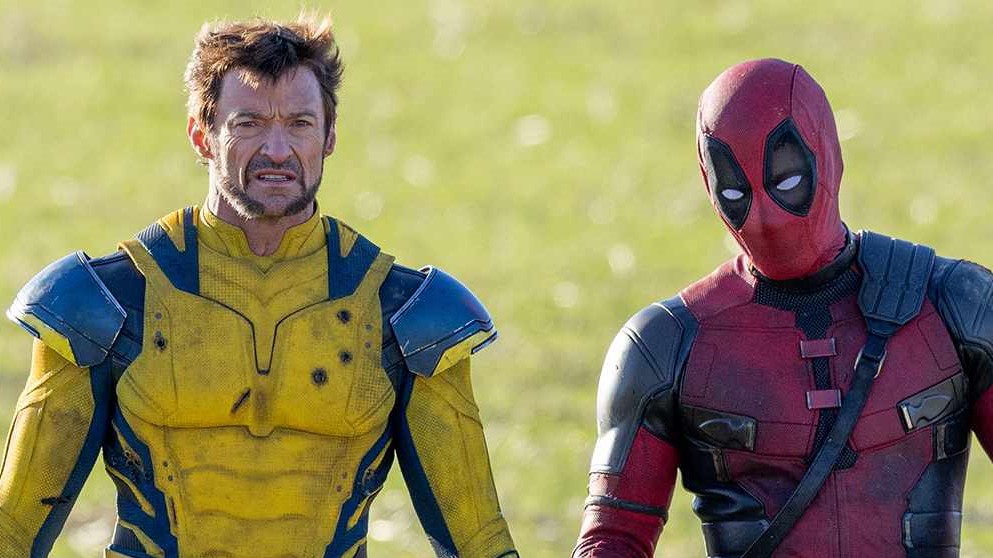
9. Gambit – Deadpool & Wolverine
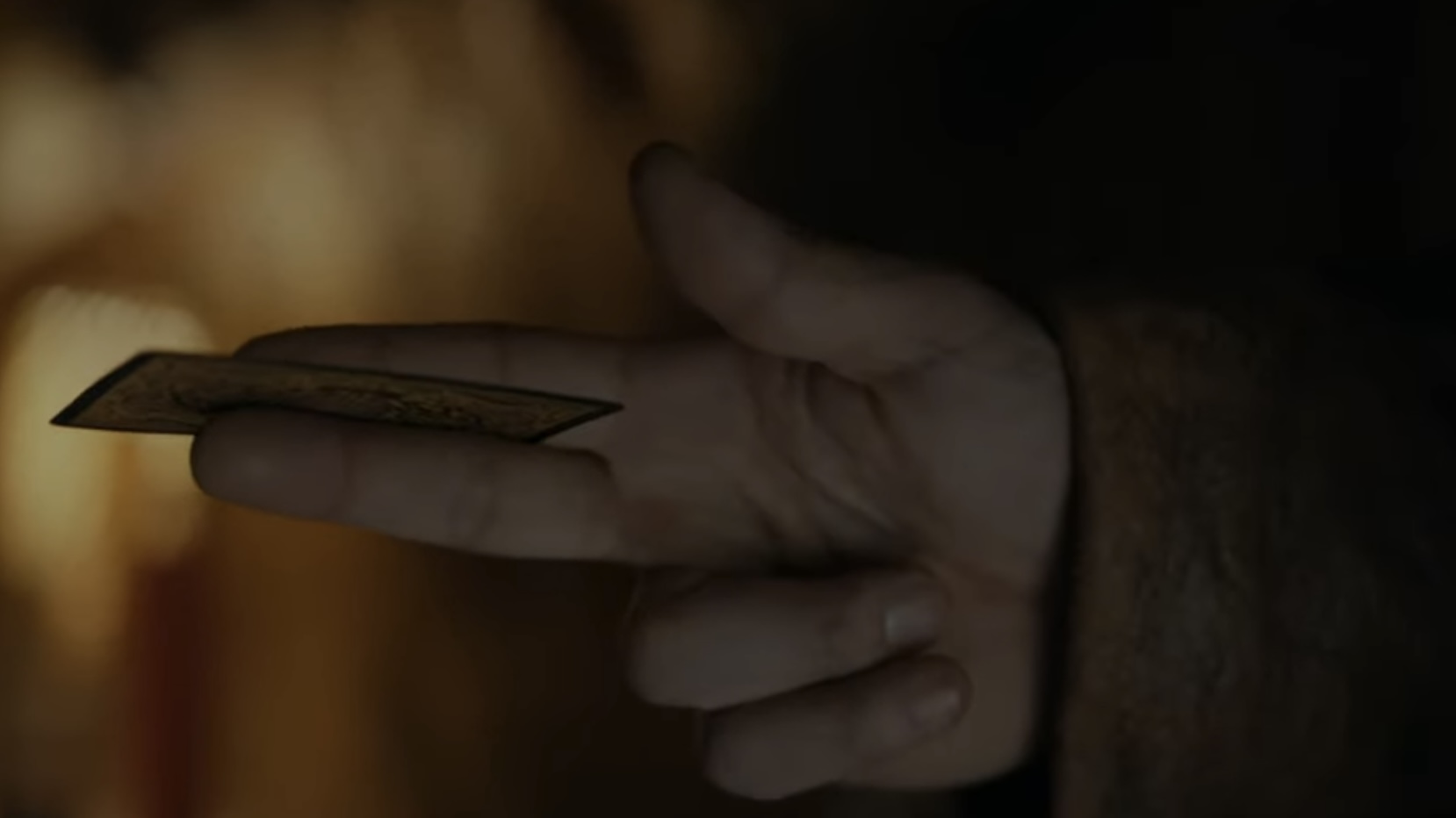
I still can’t believe this happened. In a movie that already features a Chris Evans fake-out and an audacious, suspiciously prophetic Wesley Snipes one-liner, Ryan Reynolds and Kevin Feige set straight yet another controversial superhero take from X-Men Origins: Wolverine by putting a properly comic-accurate Gambit on screen – from inherently silly purple headgear to heavily exaggerated Cajun affect. Like, they actually did it. They even cast Channing Tatum, which arguably only works as a joke in a movie so reliant on pummelling the fourth wall that it fully expects its audience to remember that Tatum tried to get a Gambit movie off the ground many years ago. I say “as a joke” because Tatum is clearly so excited to be there that he makes the character work anyway, both as a card-throwing badass and a reliable source of comedy.
That’s right, last year’s experimental combined list is back for a sophomore appearance. 2024 was hardly the year to drop the double-barrelled concept, sprinkled as it was with plenty of quality remakes, remasters, and expansion content of all flavours to challenge the year’s full-on new releases for quality. This year I can even properly balance the lists at five entries apiece, and I don’t even have Dead Rising Deluxe Remaster, Diablo 4: Vessel of Hatred, Starfield: Shattered Space, Fantasian: Neo Dimension Eastward: Octopia, or Romancing SaGa 2: Revenge of the Seven on there! What a world.
And here’s the thing: I don’t have Elden Ring: Shadow of the Erdtree, either. Yes, I know, I know. I know! I’m disappointed in myself too, but it just turned out to be one in-depth RPG too many; I got back to my 2022 Game of the Year a week or two late thanks to a pretty busy time in my life, and then soon discovered that despite completing the game I hadn’t even entered the optional dungeon required to access the new content, let alone beaten it. On top of that, my co-op partner for a large chunk of the base game had also lost access to his character. My heart sank, I picked up something else, and just couldn’t find the slot to go back to it.
Even without Shadow of the Erdtree, however, this evenly-divided list of ten entries still features no less than six RPGs. Yeah, it was that kind of year.
Just like last time, the first mini-list only includes re-releases that don’t aim to fully “reimagine” their source material; essentially any entry within the first five categories from this article count, while contenders within the last two are saved for the main list at the very end of the year. Parentheses indicate the platform on which I played each entry.
-◊-◊-◊-◊-
VR BEST OF 2024 DISCLAIMER
This list represents my opinion only. I am not asserting any kind of superiority or self-importance by presenting it as I have. My opinion is not fact. Nobody ever agrees with me 100%. Respectful disagreement is most welcome.
-◊-◊-◊-◊-
– – – – – – – – RE-RELEASES – – – – – – – –
5. Shin Megami Tensei V: Vengeance (PC)
2024 was Sega’s best year for videogame releases in decades, perhaps ever; this is the first of about a dozen mentions the Japanese publishing veteran is going to get in the lists this year, after I already dedicated an entire article to the team’s 2024 efforts, so strap yourselves in.
The original Switch version of SMT V was already a fantastic semi-open-world evolution of a legendary series, but the crisp menus and smooth traversal were crying out for just a little more performance, so this multi-platform release years later is just what the doctor ordered. The neatly-optimised PC version is perfect for Steam Deck play (or indeed for my AyaNeo Air 1S), especially now that you can save the game anywhere – at long last!
But of course that’s not the main reason Atlus released this edition of the game: an entirely new story route transforms the experience for returning players and provides a more colourful challenge for newcomers, following the time-tested Atlus tradition of videogame re-releases that pack in enough new stuff at every level to defy simple categorisation. The game still loves to make you regret going into a fight unprepared, but fresh tools and abilities level the playing field enough that you feel like you can take on whatever nightmare lies around the corner. In any other year, this kind of game would have been the flagship Sega RPG. But this, unfortunately for SMT V:V, was 2024.
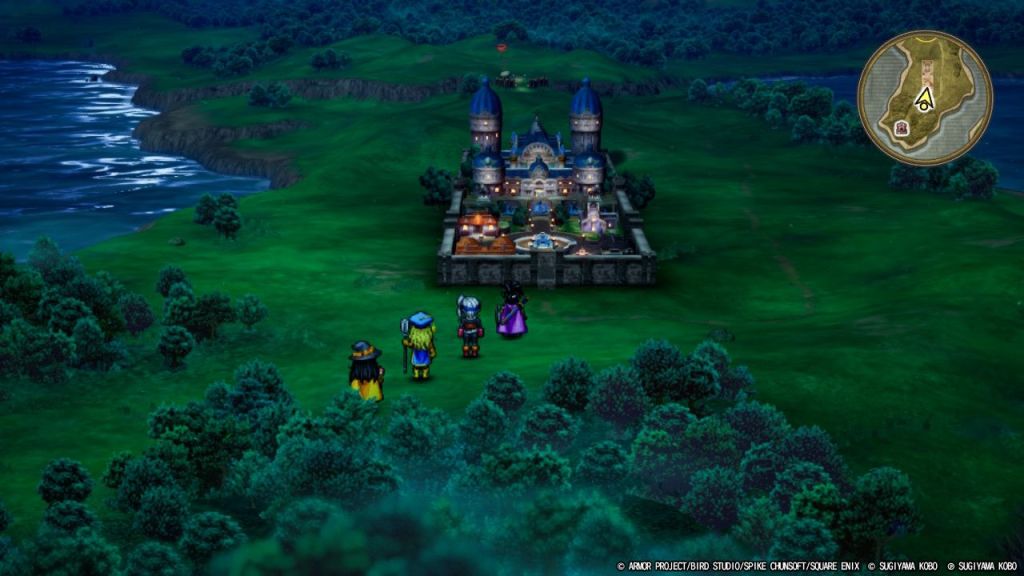
4. Dragon Quest III: HD-2D Remake (NS)
I do not know what delirium-inducing substance has been slipped into the coffee of every single marketing department at every single major Japanese publisher this year, but here’s yet another great JRPG with yet another awful title. Someone at Square Enix was clearly huffing internal jargon fumes, terrified of any possible ambiguity, and looked at only the key art of the FFVII remake team down the hall without actually playing anything.
Luckily, this wonderful revisitation of Japan’s favourite entry from Japan’s favourite RPG series seems to be selling anyway, because it is as close to a warm hug as a JRPG can be for those of us who grew up on turn-based random-battle grinds. Convincing people why the Dragon Quest games are so compelling has been a struggle ever since XI converted me to a series apologist in 2018, but the simplest explanation remains as true for III HD-2D as it was then: the game’s confidence in the strength of its original, very old-school mechanics shines through via some of the most polished presentation in the business.
The Octopath Traveller / Triangle Strategy projects may have introduced and refined that so-called “HD-2D” aesthetic, but it has never looked this colourful or this vibrant before. The series is also clearly over its controversial attitude to stubborn MIDI soundtracks, because the rearranged orchestral score is simply stunning. These significant overhauls work alongside the small ones – like the ability to see your party in between battle turns or the way the menu messages seem to have a voice of their own – to both cushion the game’s more stubborn habits and enhance its time-tested strengths. Bring on the next two awfully-titled entries.
So that was a bit of a turbulent year for entertainment media, huh?
I don’t do an annual “top news stories” list, because year-to-year there’s no guarantee there would be enough to even make one; it would also be kind of difficult to rank their impact when certain headlines seem outwardly positive while so many others skew negative. But wow, it sure would have been fun to tackle one in 2024. By the end of March alone there was already enough content to knock out a solid top five, as the three main videogame console manufacturers had already provided more than enough twists and turns.
For now, the standard disappointments format will have to do, which means only stuff that undercut some form of my own personal expectation counts. Hey, if ain’t broke…
The list is once again a top five this year, so I’ve tried to group each entry into some kind of common trend wherever it makes sense. Let’s get this out of the way.
-◊-◊-◊-◊-
VR BEST OF 2024 DISCLAIMER
This list represents my opinion only. I am not asserting any kind of superiority or self-importance by presenting it as I have. My opinion is not fact. Nobody ever agrees with me 100%. Respectful disagreement is most welcome.
-◊-◊-◊-◊-
5. This is Getting Ridiculous, Ninty
I just have to squeeze in a really personal whinge here. Even though Nintendo were guilty of moves much more worthy of other people’s disappointment shortlists this year, I’ve been following the company for so long now that nothing really gets my hopes up enough to shatter them these days – except the ongoing absence of the Nintendo Switch successor console in any official capacity throughout 2024.
The death by 1000 cuts started early: all the way back in January those sensational “internal delay” reports broke, suggesting the machine was planned for release this year but was pushed into 2025. Widespread assumptions that the house of Mario wouldn’t have enough games to fill out another year without a “Switch 2” were gradually proven wrong – and definitively so in a stellar June Direct – but even as the year rolled on and the system’s absence proved those January reports more likely every day, all the hype-fuelled YouTube channels and outlets turned their attention to the possibility that at least we’d see an official reveal this year… Right?
But things got real weird in the year’s second half. When Nintendo crammed a Museum Direct AND an unprecedented double-feature Indie World / Partner Showcase into the final week of August, a console reveal in the traditionally blockbuster September seemed almost guaranteed, but instead we got tumbleweeds; even a set of credible hardware photo / render leaks didn’t expedite Nintendo’s plans. Then came the weirdest October in recent memory: a new Nintendo alarm clock, a sort-of-secret online playtest for a mysterious multiplayer game, and a new mobile music streaming app each came out of nowhere and released almost immediately. Nintendo was trolling fans at that point.
I’m usually an absolute glutton for videogame console speculation, but by November I had well and truly checked out. This disappointment was largely self-inflicted, I admit, but whatever chaos was going on behind the scenes, the Big N’s marketing machine well and truly knew what it was doing.
4. The Wrong Kind of Aussie Film Nostalgia
It’s been a little while since living in Australia has felt like an outright disadvantage for active cinema movie-watchers, but 2024 had me feeling like the old days had returned on at least two oddly similar occasions throughout the year. To be fair, the second instance was a bit more worldwide, but it still formed a nasty pattern from my perspective.
Around April, the latest in a weirdly rapid-fire line of pulpy Guy Ritchie action flicks was set to release, and despite the relatively poor reception of his recent work I was still keen to switch my brain off and enjoy the unique brand of banter he so regularly delivers. But after release date listings all over reliable sites mysteriously vanished one day with no explanation, it was weeks until my friends and I were able to get any answers as to why The Ministry of Ungentlemanly Warfare was not showing in any cinemas, despite Ritchie’s last effort making its slot on time as expected. Apparently it was a weird Amazon deal that wasn’t made massively public in Australia, and a couple of months later the movie unceremoniously hit streaming services. Just what a silly bombastic WWII movie needed. Yay.
Then in September came something even more drastic: I saw (and enjoyed) trailers for George Clooney and Brad Pitt’s much-hyped Oceans reunion Wolfs more than once in cinemas, and marked its late September release date on the calendar. Just one week before that very release date, chief bankroller Apple announced that the movie would no longer receive a cinematic run at all, going straight to the Apple TV+ streaming service instead to help boost subscribers. In terms of late rug-pulls, I’d never seen anything quite like it, but the gambit appeared to work, resulting in huge early watch numbers. Soon enough a major consequence came to light: director Jon Watts revealed he dropped plans for a sequel as a direct response to that exact big-screen backflip. Tell ’em, Jon.
They say the older you get, the quicker the years seem to go by, and usually I’d have to agree. 2024, however, did not go by quickly for me. That was partially because I had some spicy personal stuff going on, partially because the international sport on offer was a ridiculous embarrassment of riches all year long, and partially because I happened to come across this video on the “holiday paradox” right as things were starting to speed up.
But mostly, it was because 2024 had already felt like it had squeezed in several years worth of outlandish videogame news sucker-punches by the end of May, the JRPGs were out in force like it was the 1990s again, worthwhile movies were actually coming from wildly different sources and getting proper coverage in the wake of the blockbuster industry taking a long smoke break, and I went through yet another significant shake-up in my K-Pop / K-R&B listening habits.
It was also a bit of a highlight year for this site, if I do say so myself. I hit my personal goal of publishing a new post every month except February, making it the most prolific year for Vagrant Rant since 2019 – yes, the pandemic made me less productive, go figure – and it would have beaten even that year if Nintendo had just announced the stupid Switch 2. But I’m not bitter about that. Oh wait, no, I am, but more on that tomorrow, when we kick off another year of annual countdowns on Vagrant Rant!
-◊-◊-◊-◊-
VR BEST OF 2024 DISCLAIMER
These lists represents my opinion only. I am not asserting any kind of superiority or self-importance by presenting them as I have. My opinion is not fact. Nobody ever agrees with me 100%. Respectful disagreement is most welcome. Please enjoy.
From 2018 to 2022, one of the annual countdown lists on this site was a collection of “special awards”, one-off chances to talk about stuff I really enjoyed or admired but couldn’t squeeze into a full standard list. Usually one of those awards was for the third-party videogame publisher who released the most impressive combination of quality and quantity that year, and some years the winner was easier to pick than others. Now this countdown may return one day, but not this year, and I simply cannot abide letting 2024’s would-be winner go by unrecognised. I feel the need to write an entirely separate post just to make up for the fact that renowned Japanese publisher Sega would have won the category this year in an essentiality unprecedented landslide.
Sega may have built its videogame fortune by making consoles in the 1990s, but those days are sadly so far behind it now that the third-party publishing era of the company has thoroughly outlasted the glory days of mind-blowing 2D sprites and edgy television/magazine advertisements. They’ve been well-managed enough to stick around, and there have been quality releases here and there, but the original videogame blue team haven’t exactly been known for consistency or dense periods of heavy-hitting, head-turning product launches. Though a hefty dose of serendipity was doubtless involved, 2024 finally changed that.
On Top Atlus(t)
Let’s ignore that I may just have written the single most tortured pun of the last twelve years and move on to the elephant in the room: the number one reason Sega owned 2024 is the well-timed fruit-bearing of several Atlus projects within one 12-month period. Sega officially acquired Atlus all the way back in 2016, but reorienting the one-time JRPG hipster house away from its stubborn habits of releasing major games in the west months or years after Japanese launch has been a slow process. But if you had to pick one year to mark a definitive end to that old-timey era, 2024 is that year.
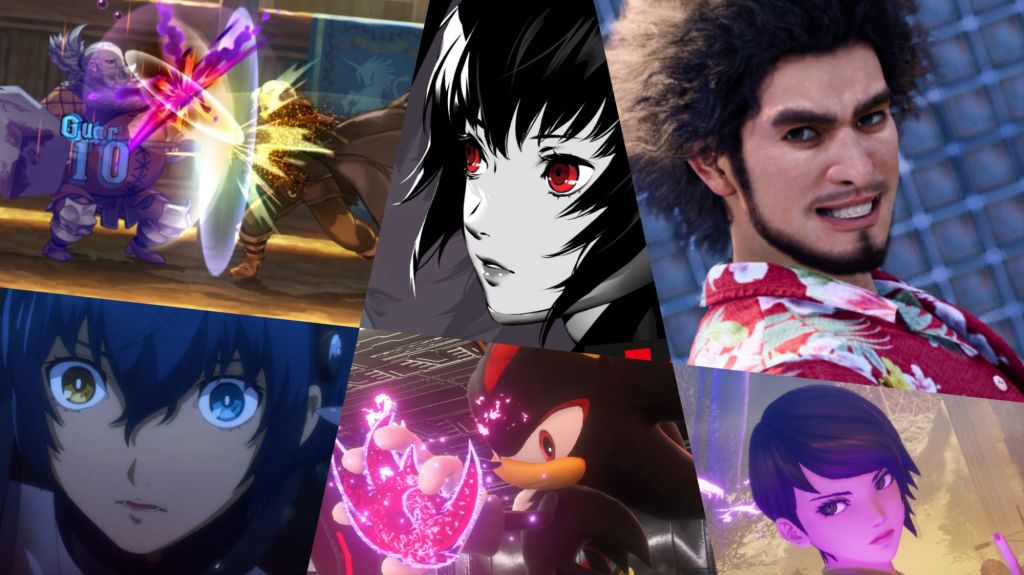
In February, Persona 3 Reload became the first major release in its series to hit major markets worldwide on the same day, a massive deal for anyone who has ever spent any time online with a Persona fan community. But that series has broken into the mainstream since its last new numbered title, so the increased eyeballs may be largely responsible for this. What is arguably an even bigger deal is that under this modern Sega initiative, Atlus got freaking Vanillaware to release a new game worldwide simultaneously; that’s right, the developers that kept the best videogame story of the decade so far, 13 Sentinels, from the west for almost an entire year. Not even an entirely untested new IP like Metaphor: ReFantazio was safe from Atlus’ renewed organisational power, bringing its wonderful weirdness to all major markets at once.
And would you look at that: all these games sold really well!
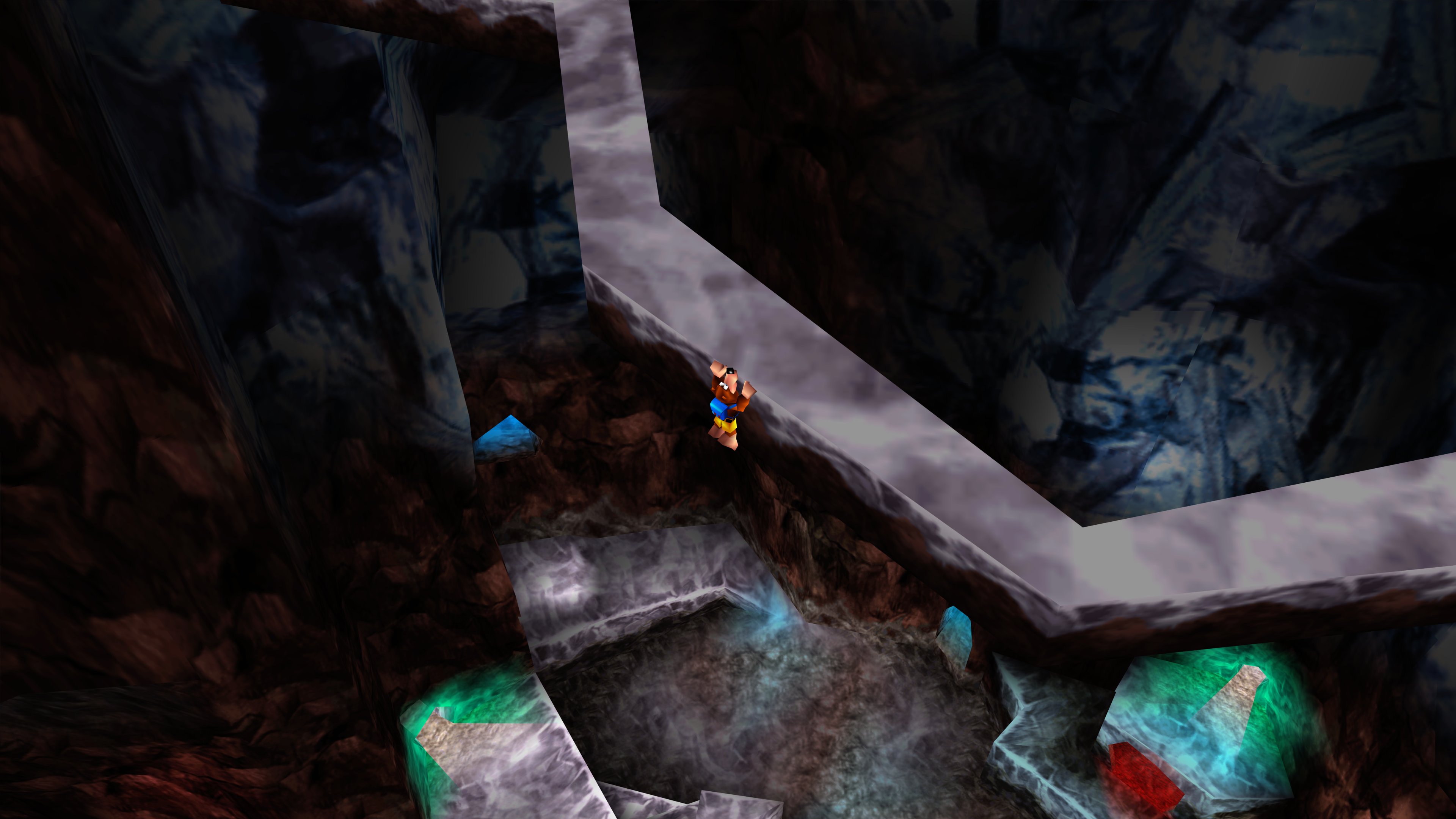
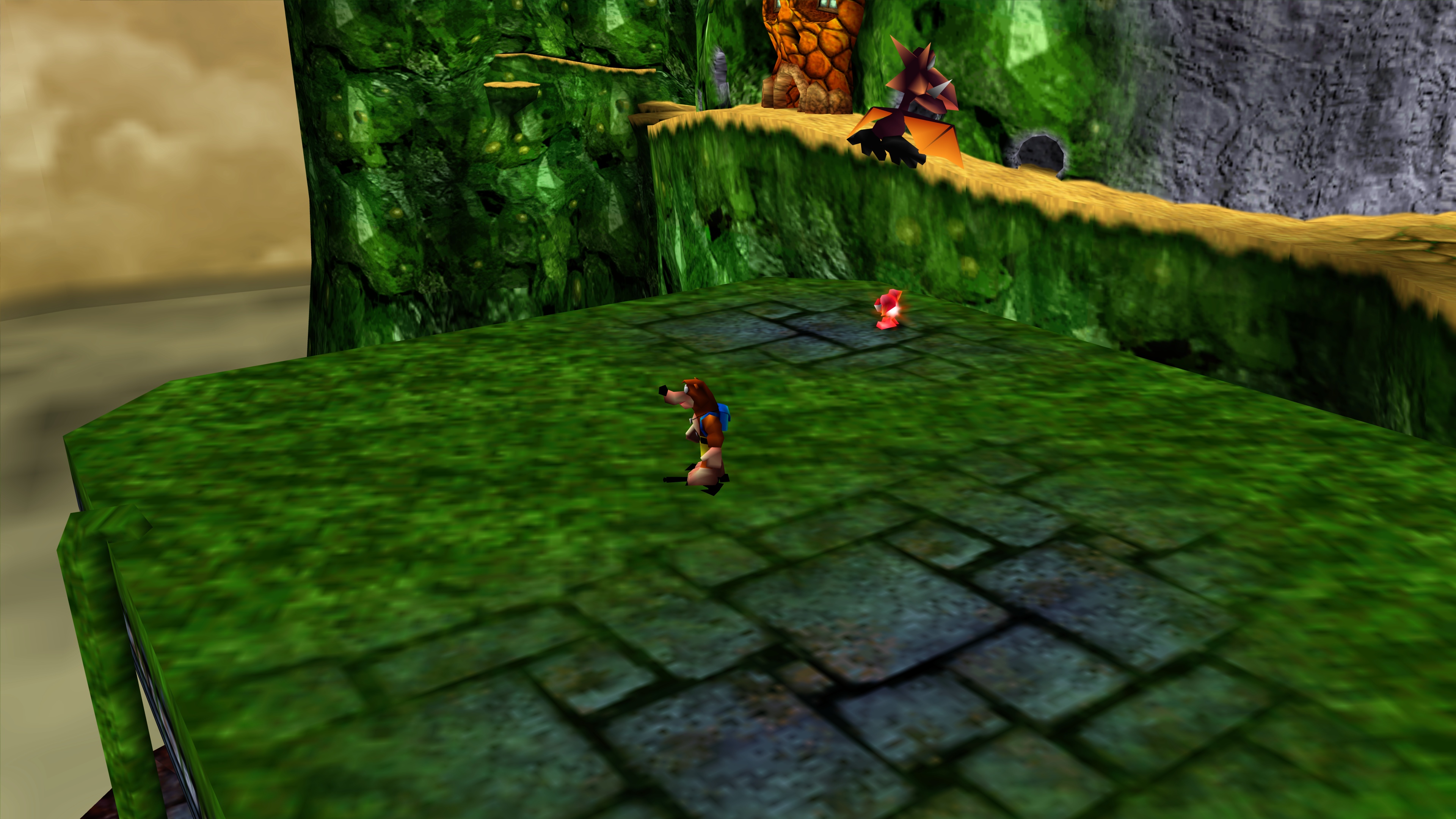
The bear clings to the ledge, like I once clung to my sanity.
Feels like as good a time as any, right?
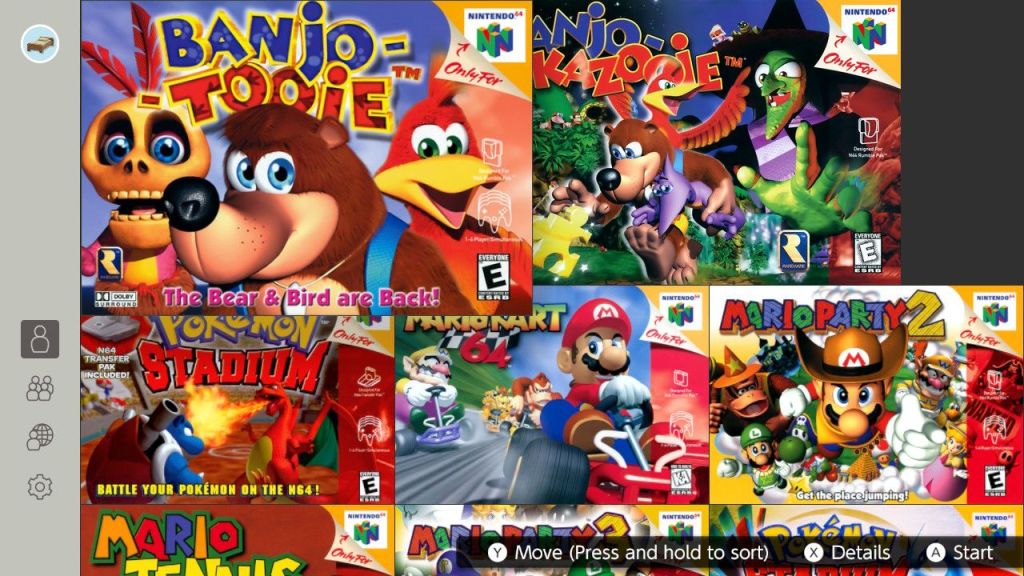
I struggle to motivate myself to sit down and write anything unless I can link it – however trivially – to something topical or current. But during the mind-numbing malaise of the 2021 lockdowns, I almost posted a Banjo-Tooie-themed article that had no such link. Almost. The half-written retrospective has sat in my drafts folder for years now, but since Nintendo and Microsoft at last decided to release the game on the Nintendo Switch Online Expansion Pack service last week (fittingly two years after Banjo-Kazooie hit the program, mirroring both the original release and story gaps), I have not only a bona fide excuse to replay the game yet again, but to revive, massively expand, and publish that very draft.
Here we go then.
It’s been over five years since Banjo and Kazooie were announced as a joint DLC character for Super Smash Bros Ultimate and their trilogy of corresponding games on Xbox received a slew of 4K-enhanced patches. It’s been five days since the game hit NSO. Now, after I revisited Donkey Kong 64 with a critical eye in 2015 and played all of Conker’s Bad Fur Day in one day in 2018, I present to you the next entry in the library of opinionated late-90s Rareware platformer coverage on this site: my unsolicited, recently-refreshed musings on the slightly divisive sequel to the star-making, Jiggy-collecting Banjo-Kazooie.
Just… so 4K.
Screenshots from both the Switch and Xbox versions will appear throughout this article; can you tell which is which? There are literally no prizes for guessing correctly!
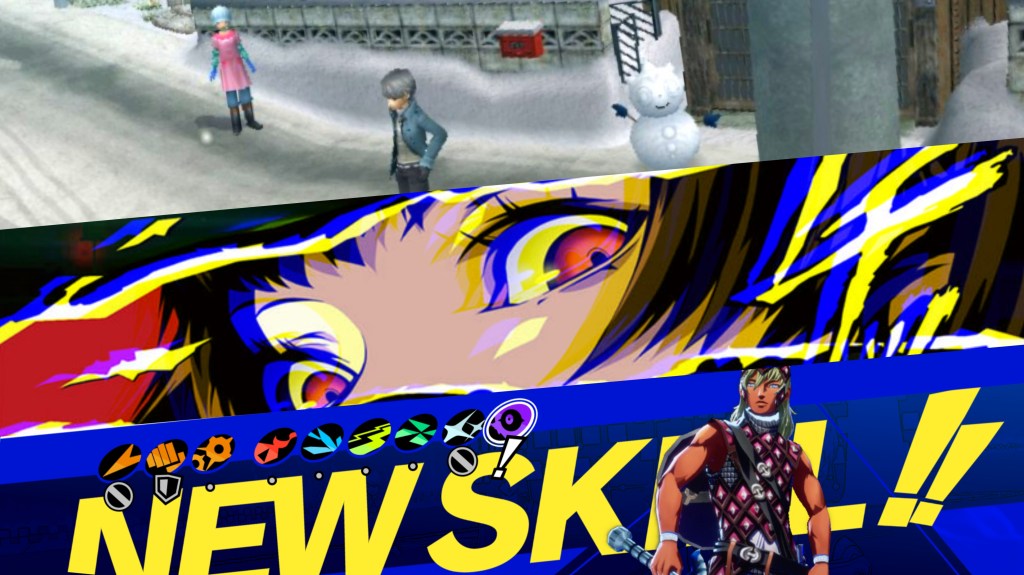
On a large, overhanging screen within a dimly-lit videogame store in March of 2009, my gaze gradually fixated on a trailer that would alter the course of my life. A sharply-dressed Japanese kid with silver hair closed his fist and manifested a gigantic, colourful monster to attack his enemies, then a second later was shown working a boring dishwashing job in a sleepy town before looking into a murder mystery plot. This brazen mix of disparate parts apparently called itself Shin Megami Tensei: Persona 4, and in the desolate JRPG landscape of the very late 2000s it had the gall to release on the years-obsolete Playstation TWO. I was immediately struck by its confidence and style, and got myself a copy as soon as the game was available.
Need I say what happened next? Well you’ve probably met a Persona fan or two, dear reader; you know what happened next. But I’m still going to talk about it. As we rapidly approach the next major release from the head honchos of Persona development, the heinously-named Metaphor: Re Fantazio, I present my own personal retrospective of a truly incredible RPG series.
“The First One You Play is Probably Your Favourite”
It was a slow, gradual realisation, but by 2009 I knew I liked Japanese Role-Playing Games: Pokemon Yellow had been my first videogame, after all, and I had also sunk a weird amount of time into that turn-based Harry Potter and the Chamber of Secrets Game Boy game; then when I was lucky enough to acquire a GBA a few years later it came with the unique lightning-in-a-bottle moment that was Golden Sun. In the ensuing years, the likes of Final Fantasy Tactics Advance, Tales of Symphonia, Paper Mario: The Thousand Year Door, Kingdom Hearts (vicariously) and eventually the DS remake of Final Fantasy IV would help me determine enough of the incidental characteristics shared by members of the genre to convince me of my taste for them. So come to think of it, that fateful 2009 Persona moment was probably the earliest time in my life I saw a game without a single shred of understanding of its history, recognised it as a JRPG, and bought it primarily on that basis.
But as we all know, a Persona game isn’t ‘just’ a JRPG; the series offers quite a bit to distinguish itself from the crowd, and chief among that list is style. The very first thing that greets you when you boot up Persona 4 is a lavish, provocative music video heaving with equal parts grimy retro-tech nostalgia and sharp yellow/black contrasts dialled right in to the contemporaneous 2000s Apple marketing playbook. The lyrical essays scrolling past in every direction to mimic the information overload within those very lyrics made an indelible impact on me as a millennial teenager whose active memories stranded both sides of the social media divide; I was instantly drawn in.
That love of yellow and black persists throughout the game’s striking UI, which also marks menu transitions with a neat faux-CRT TV colour-banding effect reminiscent of modern-day Netflix branding. And that tune was an instant ear-worm, a chaotic Shoji Meguro instant classic solidified by its presence on an honest-to-goodness soundtrack selection CD included as standard in that PS2 game case – the first game I can remember owning that did so. I wore out the tracks on that disc long before I heard them within the game, and the identity of the Persona series as an audiovisual feast unimpeded by ageing hardware was unmistakable from my very first day with it.
Beyond this clear stylistic identity, Persona 4 is defined by its intimate small-town scale, filling out a small cast of characters with layers upon layers of depth and going to some uncomfortable – not to mention ambitious and a teensy bit Jungian – thematic places without ever losing a sense of warmth or its perfectly-balanced humour over a year-long main story. The idea of a narrative taken day-by-day, filled with small relatable choices bearing meaningful consequences but never overwhelming in number, was absolutely delightful. It would be many years before brute force and hindsight would help me empathise with fans who had jumped on the Persona train with the groundbreaking Persona 3, a game with a much darker and edgier presentational wrapper around it and a greater emphasis on plot over levity or egalitarian character study. But for me, the damage was done: this mellow, vibes-first creative direction was Persona to me.
Here we are again hovering around the two-thirds mark of the current year, and as the Olympics wrap up in Paris we rather fittingly have three French films helping to fill out the next quickfire cinematic batch. Beyond that, however, it’s kind of difficult to throw a thematic blanket around this eclectic set of movies, so I won’t try. We’ve got highly-anticipated sequels, mighty-strange original premises, and unconventional thrillers, with the odd poor execution thrown into the mix.
Oh yeah, we also have one extra movie this time, making this technically a batch of eleven. The extra flick is there to make up for two things: two of these films form one complete story and were released at the same time here in Australia despite a staggered release overseas; and that J.Lo visual album extravaganza really should not have counted as a whole entry back in April. So we’re squaring things up a bit.
Life can be pretty predictable at times, but often it just has a funny way about it. This site may have already enjoyed a slightly more-active-than-usual 2024, but following the traditional post-June hype season lull it was probably going to stay pretty quiet for a few months as per tradition. But suddenly, there is something else to write about.
You see, long after I had given up hope of playing a working Game Boy Micro – let alone owning one – a deal too good to refuse came across my entirely metaphorical desk out of nowhere a couple of months back. I am now, at long last, in possession of a tiny baby handheld console I didn’t even register as existing until long after Nintendo had stopped manufacturing it. And with a barely-believable GBM comes the question “What do I even play on this thing?”
A minor excavation campaign revealed some potential candidates: Advance Wars feels like it was made for this machine, and it’s been a real long time since I played through Final Fantasy Tactics Advance – with no sign it’s coming to Nintendo Switch anytime soon either. But would you look at that, Pokemon Leaf Green just so happens to turn 20 this year, and for a decent chunk of my life I told people it was my favourite Pokemon title. Across multiple forms of public transport and various hotels and other locations, I’ve been working my way through a long-overdue playthrough; let’s see how it holds up then, shall we?
But first:
It’s So Tiny!
The Game Boy Micro feels so miniscule in 2024 that it’s barely believable. The thing is a quarter of the size of my phone, which was already the smallest device capable of playing games in my life. Picking up the tiny AyaNeo Air Pro after a session with the Micro makes it feel bulky and cumbersome, to say nothing of the even larger Switch OLED. Of course back when it came out it was competing with a fleet of already-small dedicated Game Boy handhelds, but let’s not understate things here: even compared to those, this one is an almost cartoonish miniature.
Another year, another new(ish) attempt to package up all the drama and hype from a typically stacked June hype season. Most of the usual suspects have shown up over the last three weeks to state their intent for the next 12 months or so, and even more than most years, each major videogame showcase holder now feels like their public position can be summed up by just a few words. So let’s start there and expand out a bit.
We’ll view each publisher through the lens of their presence over the whole news period where applicable, rather than just within their own individual showcases.
PLAYSTATION
STUCK BETWEEN TREND-CHASING AND CREATIVITY
Playstation’s modern showcase branding is a great idea on paper: the “State of Play” shows are meant to be shorter and smaller in scale than the full-on “Playstation Showcase” presentations, and this divide is meant to help manage expectations. But the wide range of lucrative partnerships Sony can call on these days, in conjunction with the company’s understandable desire to appeal to casual fans and shareholders, have meant the reality doesn’t always line up that way. The limited PS Showcases this decade have felt bloated in places, and yet State of Play line-ups are often packing megaton reveals the calibre of Resident Evil and Final Fantasy.
So when you announce that a State of Play is set to air mere days before Summer Game Fest gets into full swing, people are going to look at it with a strong degree of hype – unfairly or not. And using a third of your runtime on a derivative first-party hero shooter and the third-party competitor destined to cannibalise it is certainly a choice that is going to earn the ire of a fair few viewers.
Concord may look like it has the funding and ex-Destiny development talent to hit big for Sony, but there is just nothing about the last few years in online PvP gaming trends to suggest that it will do anything but flounder upon release. The rules for what succeeds and what fails in the live service game space seem increasingly luck-based every year, so maybe its distinctly Guardians of the Galaxy-inspired character energy will hit with players. In the year of Helldivers II, the fact that it isn’t free-to-play may not be the problem it once was, either. But odds are still against it in the face of fierce competition, not least of which will likely come from another hero shooter shown in the very same conference: Marvel Rivals.
When you are the console publisher that gave the world Uncharted, The Last of Us, Horizon, the rebooted God of War, and Ghost of Tsushima among other stellar single-player stories, choosing to open your big summer show with a lengthy look at a live-service multiplayer title, you are going to look like you’re chasing trends.
Luckily, this first cab off the showcase rank also gave us one of the biggest highlights of the entire season: Astro Bot. That’s right, just Astro Bot. The adorable mascot-in-waiting carries no subtitle for his third adventure, and that’s a clear statement of intent to go along with the game’s near-full-price release strategy and primetime September 6th release date. As a former Nintendo kid I do not say this lightly, but this looks like it could be Mario-level good. The PS5 has been crying out for another family-friendly exclusive to go with 2021’s excellent Ratchet entry, and the choice to close the State of Play with such a wildly creative project indicates that old golden-age Sony is still in there.
The sheer contrast in tone between the opening and closing first-party segments of the show may have dominated the headlines, but there was more tasty third-party stuff in there worth keeping an eye on too. We saw yet another incredible-looking Chinese action game in the form of Where Winds Meet, the first of many, many new “Soulslikes” for the season with the multiplayer-focused Ballad of Antara, and a gnarly gameplay preview of the highly-anticipated Path of Exile II.
Omega Force also showed up with what will be the first new mainline Dynasty Warriors entry in seven years, titled Origins; it was an appearance almost as out-of-the-blue as the massive increase in visual quality over prior instalments. Silent Hill 2 also got an appropriate October release date, but opinions are apparently still mixed on that one. I never played the original, but I adored Bloober Team’s The Medium so I’ll be there.
As for Playstation’s presence outside its own branded presentation this season, the biggest eyebrow-raiser came with the title card at the very end of the Lego Horizon Adventures trailer that opened the Summer Game Fest main show. The unlikely family-friendly collaboration launching on PC is hardly surprising given Sony’s recent public comments to investors about widening the reach of their games, but the unmistakable red Nintendo Switch logo was an additional layer almost no one was expecting – all the juicier for the lack of an Xbox jewel to go alongside it. The game looks great, by the way, and that brings us to…
GEOFF
LIGHT ON BIG HITS BUT SELF-AWARE AND IMPROVING
Geoff Keighley’s big Summer Game Fest kickoff showcase was certainly a stark reminder that 2024 is a hangover year of sorts for big expensive third-party gaming fare, but it still brought its fair share of worthwhile moments as well as meaningful improvements to Keighley’s well-worn show format.
There’s a discussion to be had as to whether all his presentations need to be over two hours in length, but 2024’s SGF show still leveraged one of his now-famous close professional connections for a truly beautiful Alan Wake II double-reveal: a much-appreciated physical (and collectors) edition of the game alongside an unhinged triple-barrelled “out in 24 hours” DLC announcement that wiped out the disappointment of 2023’s relative lack of June shadow drops in one clean hit. Throwback beat-em-up Power Rangers: Rita’s Rewind also went off for me personally, as did the super-weird gameplay debut for Slitterhead (from a bunch of ex-Silent Hill devs) and the announcement of Fatal Fury characters coming to Street Fighter 6.
The widest-reaching announcements were probably the CG teaser for Civilization VII, the surprising reveal of Valorant console ports, and the first attempt at a Quidditch game in decades. Aside from those, the flavour of the show was largely release dates and updates on games we already know about (October 11th is looking stacked for Japanese games) and a more indie-centric presence than usual, which is no bad thing – especially this year. Geoff’s opening monologue focused on job losses in the industry and the success of breakout indie projects on Steam so far in 2024 may have been a little stiff, but it’s not the kind of shout-out you’d find from any of the other big American summer gaming conferences.