Posts Tagged ‘Gaming’

Best of 2025: Top 15 Games

That one really snuck up on us, huh?

Before September, I was ready to sing the praises of 2025’s evenly-paced major videogame release schedule like it had finally cracked some previously unseen cadence code. Sure, I was 90% sure the convenient rhythm was an accidental side effect of increasingly longer development schedules just about everywhere, but there was pretty much always an interesting game release (or three) just around the corner, and a lot of them were really good. Of course, I enjoyed that immensely.

Then everything changed. While 2023 made headlines in all relevant places for its perceived overall quality as a videogame release year, that one was largely filled with known quantities we had time to anticipate; the final quarter of 2025 was all about heat from surprise sources and/or surprise release dates. By the time we reached an unusually barren November (probably GTA VI‘s fault), there were more 2025 games with 80+ Opencritic scores and passionate fan followings than any regular person could conceivably play. And they were all so varied! Co-op experiences returned in a big way, the needlessly controversial “interactive story” umbrella had a vintage year, and I don’t think there’s ever been a better time for roguelike reception. What a year to be into this hobby.

Add on a brand-new Nintendo console with something to prove, even more big moves into the handheld PC market, and comfortably the best year for Xbox Game Pass ever (for videogame releases, definitely not pricing or PR); now there’s a recipe for a good time.

My criteria for game eligibility is at least five hours of play time, unless time is an irrelevant factor to understanding the experience (i.e. multiplayer games, or really short ones). That disqualifies the following games I had at least some interest in: ARC Raiders, Fast Fusion, Kingdom Come Deliverance II, The Drifter, Urban Myth Dissolution Center, Consume Me, LEGO Party, The Alters, Fantasy Life i, Pipistrello and the Cursed Yoyo, Sonic Racing CrossWorlds, Rift of the Necrodancer, Ninja Gaiden 4, No Sleep For Kaname Date, Digimon Story: Time Stranger, Like a Dragon: Pirate Yakuza in Hawaii, Daemon X Machina: Titanic Scion, Hyrule Warriors: Age of Imprisonment, Citizen Sleeper 2, and most unfortunately, Ghost of Yotei and Blue Prince.

If a game isn’t in the above paragraph or the list below, I either just didn’t like it enough, or you can find it my re-releases / expansions countdown. Even so, my draft Honourable Mentions roll is so large this year that I’ve decided to weave some of them into the main list wherever a nearly-there game seemed similar enough to one in the top 15 – anything to shorten the page even a little.

Parentheses indicate the version/versions of each game I played in 2025. Let’s go.

-◊-◊-◊-◊-

VR BEST OF 2025 DISCLAIMER

This list represents my opinion only. I am not asserting any kind of superiority or self-importance by presenting it as I have. My opinion is not fact. Nobody ever agrees with me 100%. Respectful disagreement is most welcome.

-◊-◊-◊-◊-

15. Rematch (XSX/PC/PS5)

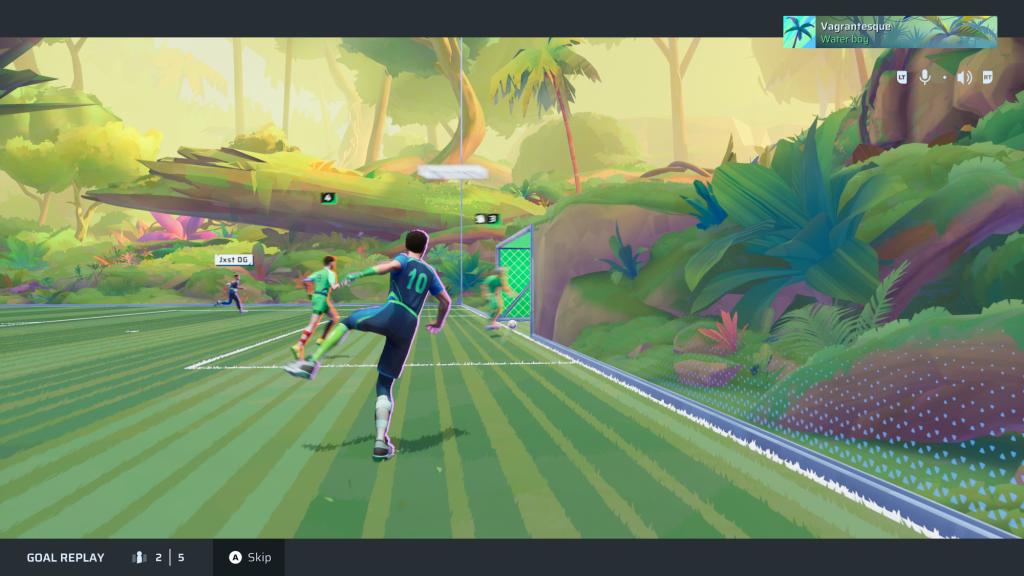
It doesn’t matter if it’s relatively bare-bones, seems derivative, or has its fair share of jank; Rematch feels incredible to play. It’s also the only game this year I bought on a second platform (without the luxury of cross-progression) and started from scratch again just so I could play with friends, and that in itself says all I need to say about how much of a hold this 3-5-a-side cartoon football simulator had on my thoughts, feelings and desires in the middle of 2025.

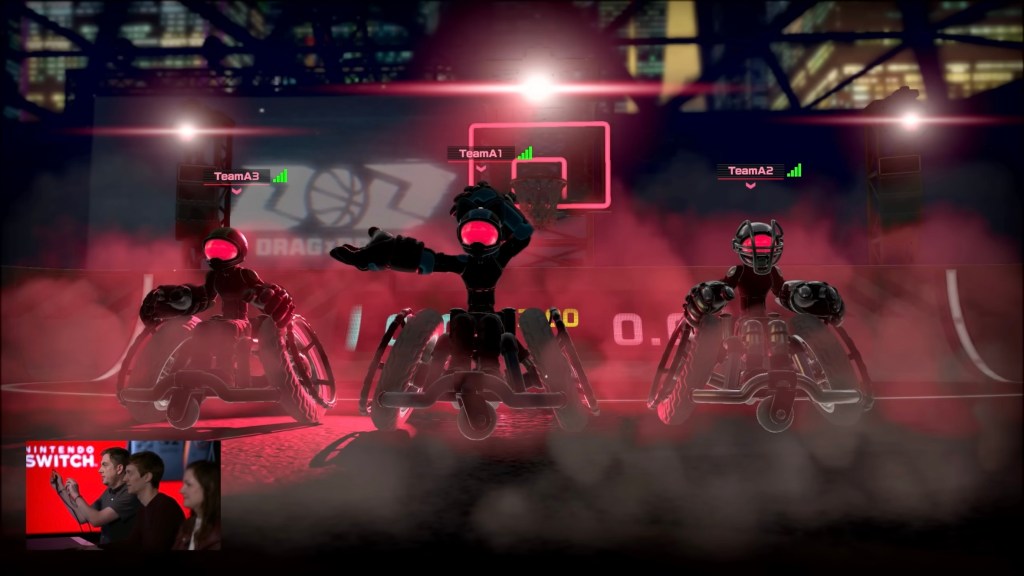
It even cost the surprisingly whimsical, delightfully tactile and often satisfying Drag X Drive a shout-out position on this list – and I really wanted to give that game its flowers here – because the competitive essences of the two games are so similar at the end of the day. DxD feels better to play in a tactile sense, and encourages a surprisingly wholesome online community, but a win in Rematch after a perfectly-executed team move with mates after saving a certain goal is like digital crack. So Slocap’s admirable “Rocket League with people” gets to, um, kick off this year’s incredibly strong list.

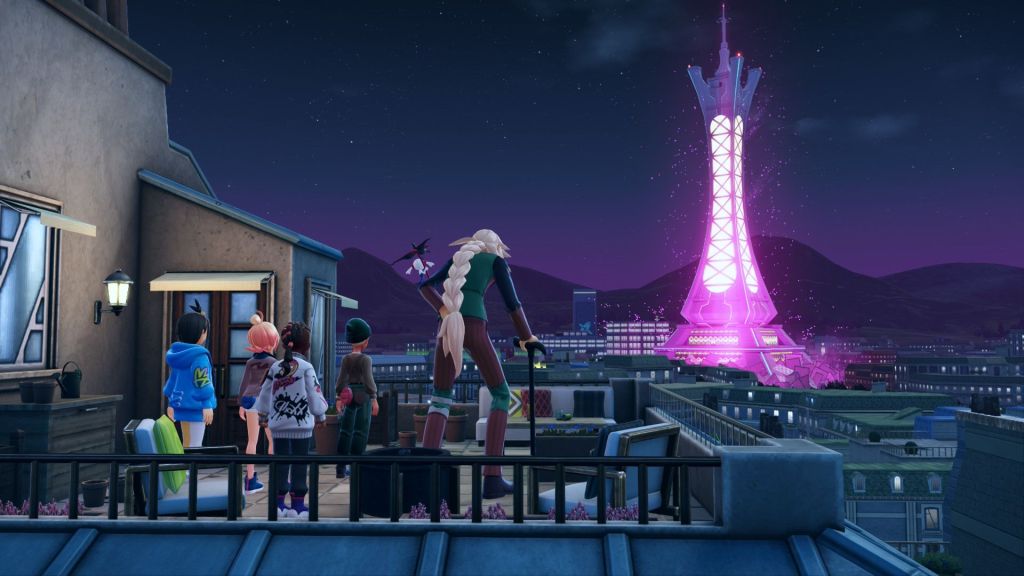
14. Pokemon Legends: Z-A (NS/NS2)

Just the second game in the unstoppable Pokemon juggernaut’s relatively new “Legends” series, design-wise Z-A moves about as far away from the trendsetting Pokemon Legends: Arceus as possible: that game was all untamed open wilds, minimal human interaction, de-emphasised battling and hyper-tuned catching mechanics; this one is both a celebration and indictment of urban sprawl within a single city, with colourful verbose characters around every turn and an almost hilariously insatiable attitude to Pokemon duels that puts any game in the traditional main series to shame.

The game is evidently super-proud of its experimental real-time battle system, but that isn’t what lifts it onto my list; rather, it’s the fulfilment of a decade’s worth of unresolved Pokemon X/Y foreshadowing by way of a genuinely endearing main cast that succeeds at feeling like an RPG party where X/Y failed, as well as a frequently hilarious localisation that turns random NPCs into memetic heroes. Oh, and the game actually runs properly, so evidently that wasn’t too much to ask.

CLICK HERE TO KEEP READING

Best of 2025: Top 10 K-Pop Albums

Following a largely male-dominated 2024 double countdown, 2025 sees a return to our regularly scheduled programming: a predominantly female K-Pop mini-album top five, and a roughly even gender split on the full album side. The EPs are typically big on beats but otherwise nearly impossible to throw a thematic lasso around; as for the LPs, you could say this year’s commonality is successors: there are zero debuts involved, and I found at least something worth saying for each entry about how the artist’s previous work reflects on the newer effort.

Language restrictions are a bit looser for me when it comes to Korean albums than singles, but entire LPs with vanishingly small amount of Korean lyricism – or none at all – still introduce too many questions about western pop lines, so I don’t tend to include them. But I will shout out Kandis’ Playground and Yerin Baek’s Flash and Core, which are both great fun.

1-3 tracks = not eligible

4-7 tracks = mini album

8+ tracks = full album

-◊-◊-◊-◊-

VR BEST OF 2025 DISCLAIMER

This list represents my opinion only. I am not asserting any kind of superiority or self-importance by presenting it as I have. My opinion is not fact. Nobody ever agrees with me 100%. Respectful disagreement is most welcome.

-◊-◊-◊-◊-


MINI-ALBUMS

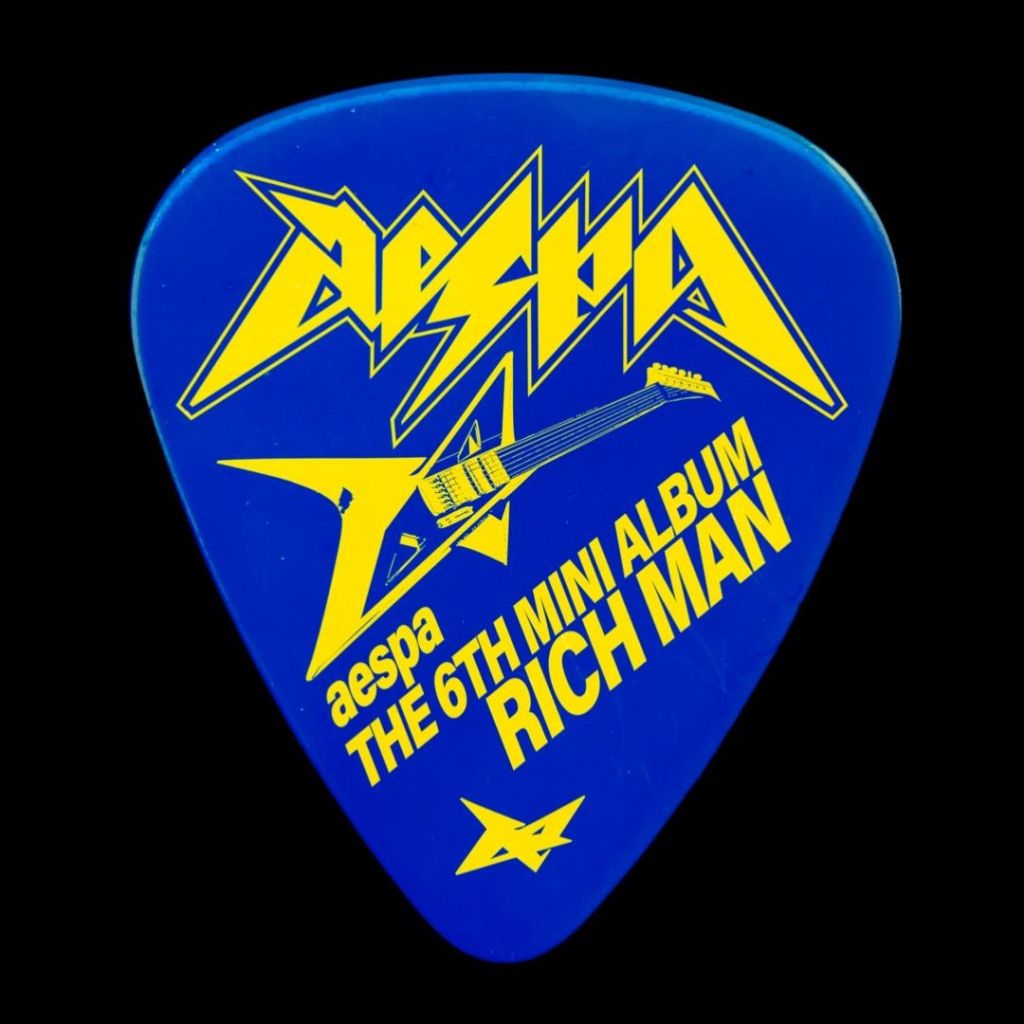
5. Rich Man – aespa

Another year of K-Pop, another SM Entertainment album way better than its missed-opportunity title track would seem to foreshadow. Like many of those examples, said title track is made a little better by its connection to the wide variety of B-sides that follow, although they are definitely still the real stars. In particular Count On Me, the song that kicks off the mini’s less spicy second half, is a smooth winner that’d fit into any vocals-forward playlist, and follow-up Angel #48 adds a garage beat to keep the silk moving. I am also a big fan of warbly first-change rap/chant vehicle Drift, however, because a whistle chorus is somehow still my biggest pop weakness after all these years. Makes that questionable treatment of the famous Cher quote go down just a tad easier.

4. Beat It Up – NCT Dream

Another busy year for the Dream lads saw multiple album releases hit the shelves and streamers, but while there’s nothing on Beat It Up that quite hits the skyward heights of the DREAM TEAM B-side from their Back To The Future album, I find the former to be a more consistent listen overall. The EP features a soft centre with crunchy bookends: the title up top and Tempo / Tricky at the end are all about brash beats, and Tempo in particular is a real rollicking head-bopper. Meanwhile Rush combines both sides of NCT Dream’s dual identity, sliding an airy dove-spawning title drop between bassy rap verses; Cold Coffee leans more on the euphoric production but gets there with an understated EDM buzz, and Butterflies serves up a reliable SM ballad – albeit in the middle of an EP rather than as a closer.

CLICK HERE TO KEEP READING

Best of 2025: Top 5 Game Consoles

It hurts to admit, but it feels like this particular list’s days might be numbered.

It’s not that there isn’t plenty to discuss. There was always going to be a lot to say about the console market in 2025, as each of the three traditional big players threw its marketing focus behind at least one new piece of machinery. And yet it seems increasingly likely that one of those three will move out of the console market altogether before long, and with last-gen development support appearing more nebulous by the month, it’s perfectly possible that within two years I’ll only have two relevant console platforms to talk about.

Nonetheless, we’re still doing this, and any discussion about the videogame console market in 2025 simply has to address the gigantic elephant in the room: cost. Here in Australia, every major console you can buy is now more expensive than it was this time last year (except, if you want to be technical, for the PS5 Pro and all models of the original Switch). Two of the major brand subscriptions are also more expensive than this time last year, and while these costs are still dwarfed by the eye-watering sums in the PC market right now, the fact remains that current-gen console gaming costs more in real-money terms than it has in a long, long time. So these ecosystems need to make themselves worthwhile, and regardless of their popularity, the following is my take on which ones did that the best in 2025.

-◊-◊-◊-◊-

VR BEST OF 2025 DISCLAIMER

This list represents my opinion only. I am not asserting any kind of superiority or self-importance by presenting it as I have. My opinion is not fact. Nobody ever agrees with me 100%. Respectful disagreement is most welcome.

-◊-◊-◊-◊-

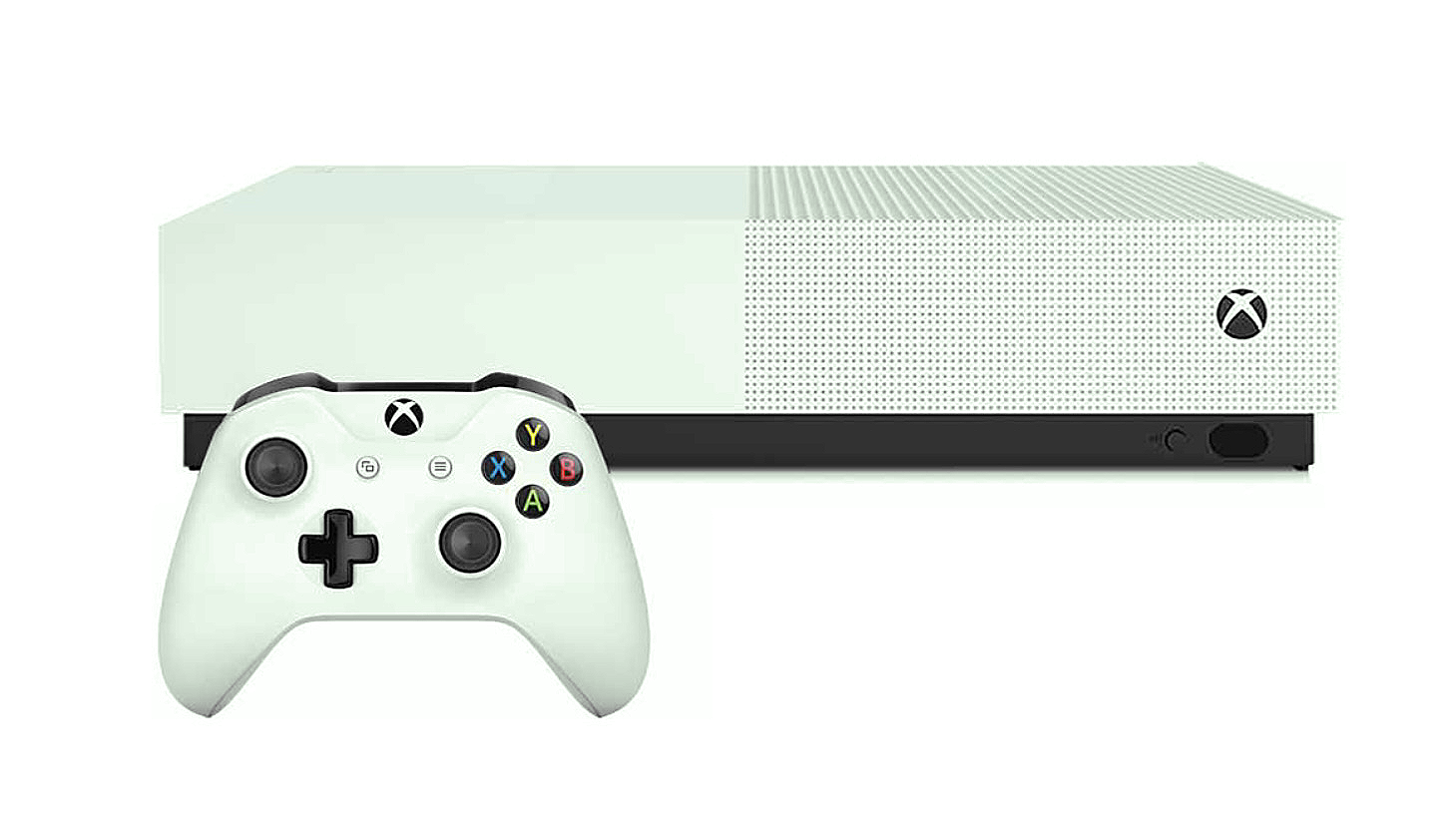
5. Xbox One

So last year I said I’d probably never put the Xbox One on the main list again, but that was based on the PS4 showing much more relevance to casual players. In 2025 the PS4 got almost nothing new, while at the very, very least the Xbox One picked up some of the sprinkles from Microsoft’s attempt to justify its big Xbox Game Pass price increase. So it just hangs on as a result of my desperate attempt to keep this countdown at full top five status.

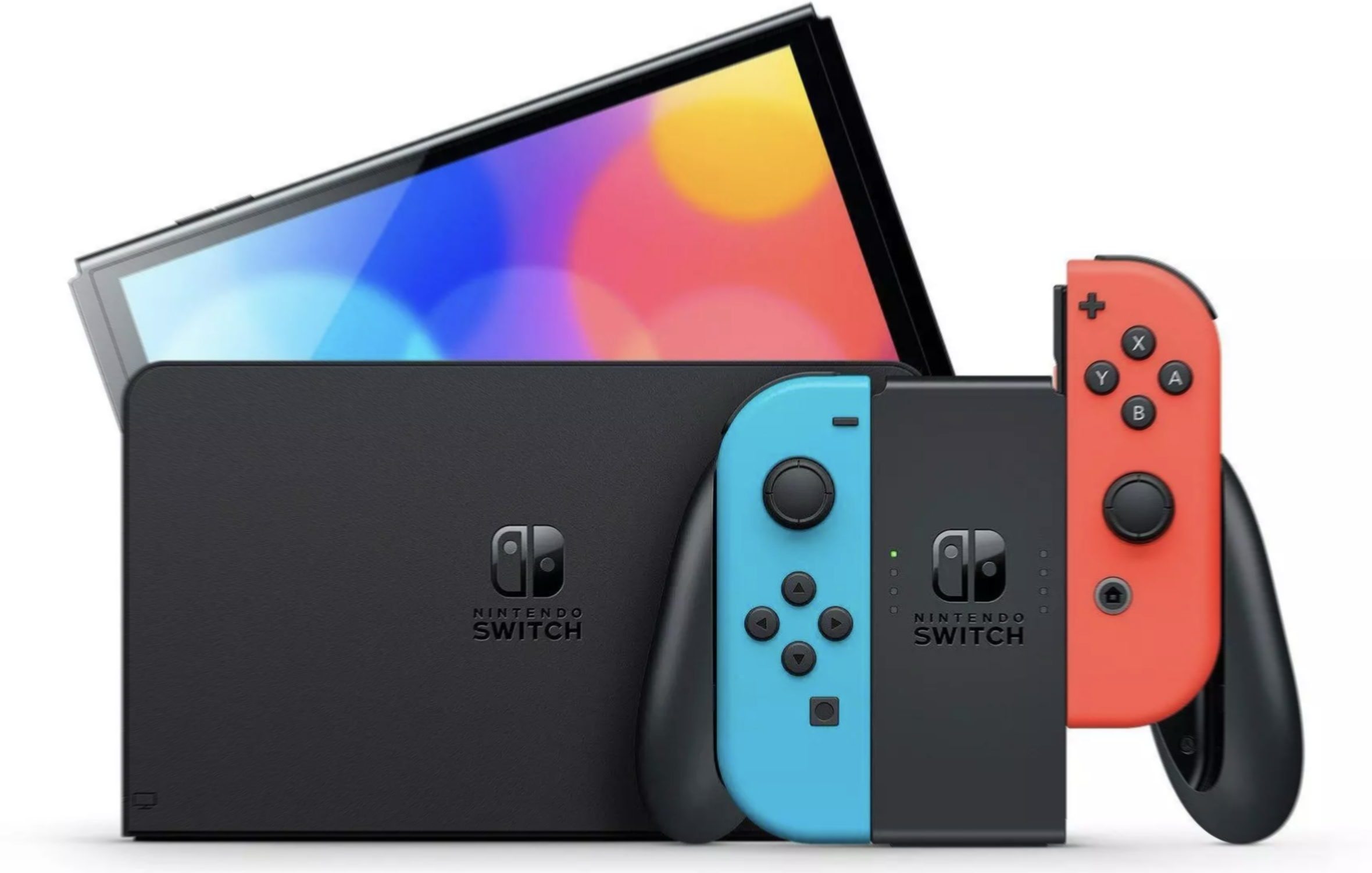
4. Nintendo Switch

The original Nintendo Switch falls to its lowest position ever as far as this tiny list is concerned. This is mostly because Nintendo had something a little more pressing to focus on through 2025, but the Switch did get some pretty fabulous exclusives* (read: not on Playstation or Xbox consoles) this year, so the relatively strong performance of the other two major console platforms also plays a role.

The excellent Xenoblade Chronicles X Definitive Edition led the way as the best Nintendo-exclusive game without a bespoke Switch 2 version, but it was followed mighty closely – in both quality and release timing – by never-ending tactics/visual novel fever dream The Hundred Line: Last Defense Academy. The earlier Donkey Kong Country Returns HD faced some critical heat for its nip-and-tuck choices, but the older brother Switch had its biggest moment in the final third of the year, when perfectly fine versions of Hades II, Pokemon Legends Z-A, and Metroid Prime 4: Beyond graced the library of the elder statesman. A few notable indie productions picked the Switch as their sole console platform, too, such as the charming While Waiting and the excellent Simogo Legacy Collection, and that all added up to a pretty decent year – just not quite with the same standalone shine as in recent times.

CLICK HERE TO KEEP READING

Very Quickly Breaking Down an Almost-E3 to Remember

Geoff Keighley, you son of a gun.

The actual 2025 Summer Game Fest show may not have been one for the history books, but something has clearly shifted around the event by now. Despite the largest console launch in gaming history just days earlier, and an ongoing reluctance from the big-boy publishers to allow their messaging to clash with that of their rivals, the light shining from Geoff’s would-be E3 replacement in 2025 was too irresistible to ignore for too many important names, and we ended up with an unusually dense June showcase season.

Because I only just put up a monster post for the Switch 2 launch, this annual show analysis will be much shorter, less formatted, and perhaps slightly more unhinged than usual, but I wasn’t going to miss doing one anyway.

The first of the big names to show themselves in that sweet early-June hype slot was – rather surprisingly – CD Projekt Red, who teamed up with Epic Games to release a mighty impressive State of Unreal demo for The Witcher 4 at this year’s Unreal Fest. The demo was so impressive, in fact, that the comparisons to that infamously overambitious E3 2012 Watch_Dogs trailer immediately came out in force among YouTube commenters. More like Un-Real, am I right?

All that said, despite the old-school E3 stage vibes of the presentation I am slightly more inclined to believe this crazy demo – which is purported to run at 60 frames per second on a base PS5 – is more likely to lead to something comparably playable than that fateful Ubisoft misdirect over a decade ago. Epic has already proven that Unreal Engine 5 can improve its capabilities and efficiency through the games releasing on it, and CD Projekt just proved with Cyberpunk 2077 on the Switch 2 what they are willing to do in the name of optimisation. Cautiously exciting stuff that started the season off with a bang.

“Live service games? What are those?” mused a pensive Playstation as they kicked off one of the best State of Play shows ever with the glorious return of Lumines. The company’s traditional tendency to ignore Summer Game Fest in nonchalant fashion and do their own thing now looks suspiciously like a multi-year plan to circle slowly around the June hype season until they can go before Xbox; I joke, of course, as not much about Playstation’s last five years screams “well-planned”, but if they bring the heat like this again we will be in for some good-old-days June appointment viewing.

The flavour of the 2025 State of Play could hardly be more different from that of last year, as even third-party online multiplayer game mentions were kept to a blatant minimum. The cheeky return of Pragmata set off my Capcom-streak alarm once again – the game is looking fabulously different from anything else in their current catalogue – and closing with an all-new Arc System Works Marvel fighter could not have shouted “hardcore traditional audience” any louder from the proverbial rooftops (announcing a new official Sony fight stick came close though). Elsewhere, the return of Suda51 via Romeo is a Deadman (a title that not-so-subtly pairs with the protagonist of Lollipop Chainsaw) will always be welcome in my house, it’s great to see the ongoing survival of the Bloodstained and Nioh series, support for Astro Bot remains stellar, and Final Fantasy Tactics LIVES! More of this please, Sony.

Continue reading

Making Sense of All This Nintendo Switch 2 Nonsense

It has barely been three days since the hour-long Nintendo Direct that blew the doors off the Nintendo Switch 2. But my word, does it feel like ten.

Indeed the moment has arrived: cats are finally out of bags; features and details have been divulged; long-held secrets have been spilled; we now know almost all of the important stuff about the Nintendo Switch 2. And just like when the Wii U made its full debut in mid-2012, or when “Switchmas” took the Internet by storm in very early 2017, my frantic compulsion to type up every errant thought on this site on minimal sleep and maximum coffee intake has peaked once again. I have watched the full Nintendo Switch 2 Direct through multiple times with and without reactions, read all the official documents and interviews, and taken in more analytical content than I care to admit.

But this post has not turned out to be as simple as a quick churn-out of thoughts. The original plan was to try and pump it out in a day, but then it was revealed that channels, sites and influencers had proper hands-on impressions ready to share on the same day that a bulky Nintendo Treehouse Live stream hit the internet, with another day of live streams to follow. On top of that, now there’s a wildfire of unexpectedly economics-flavoured chat going on throughout the internet since the cost of the new system came to light, with every 12 hours seemingly delivering a K-Drama-worthy twist.

So ultimately this article is a few days in the writing – during which Switch 2 preorders have already partially sold out here in Australia – but as a result it’s hopefully a bit more informed and carefully considered. It’s definitely a lot longer. After all, this kind of event just does not happen every day; it’s time to break down the tremendously exciting and extremely volatile promise of a brand-new Nintendo gaming generation.

The Brass Tacks

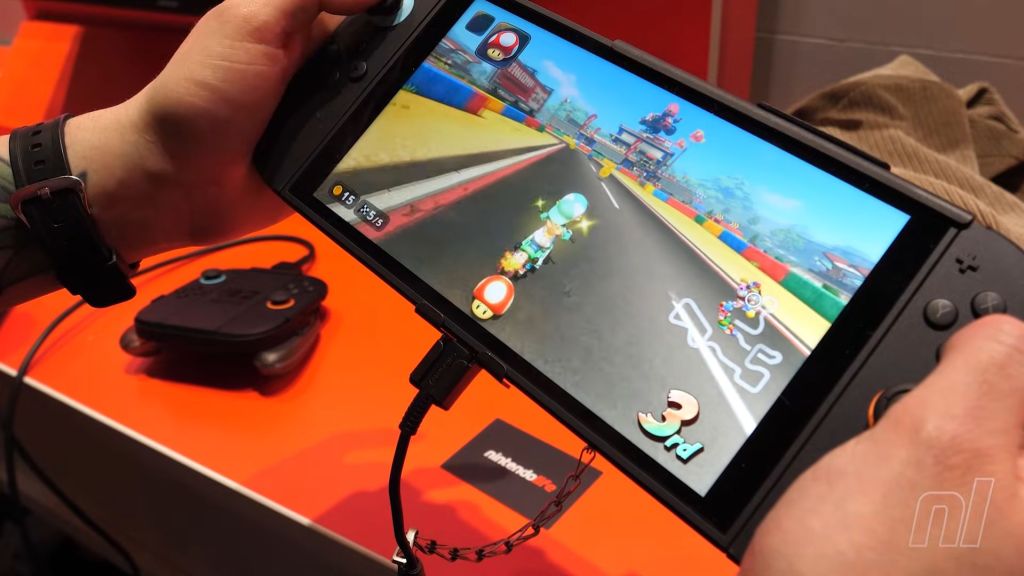
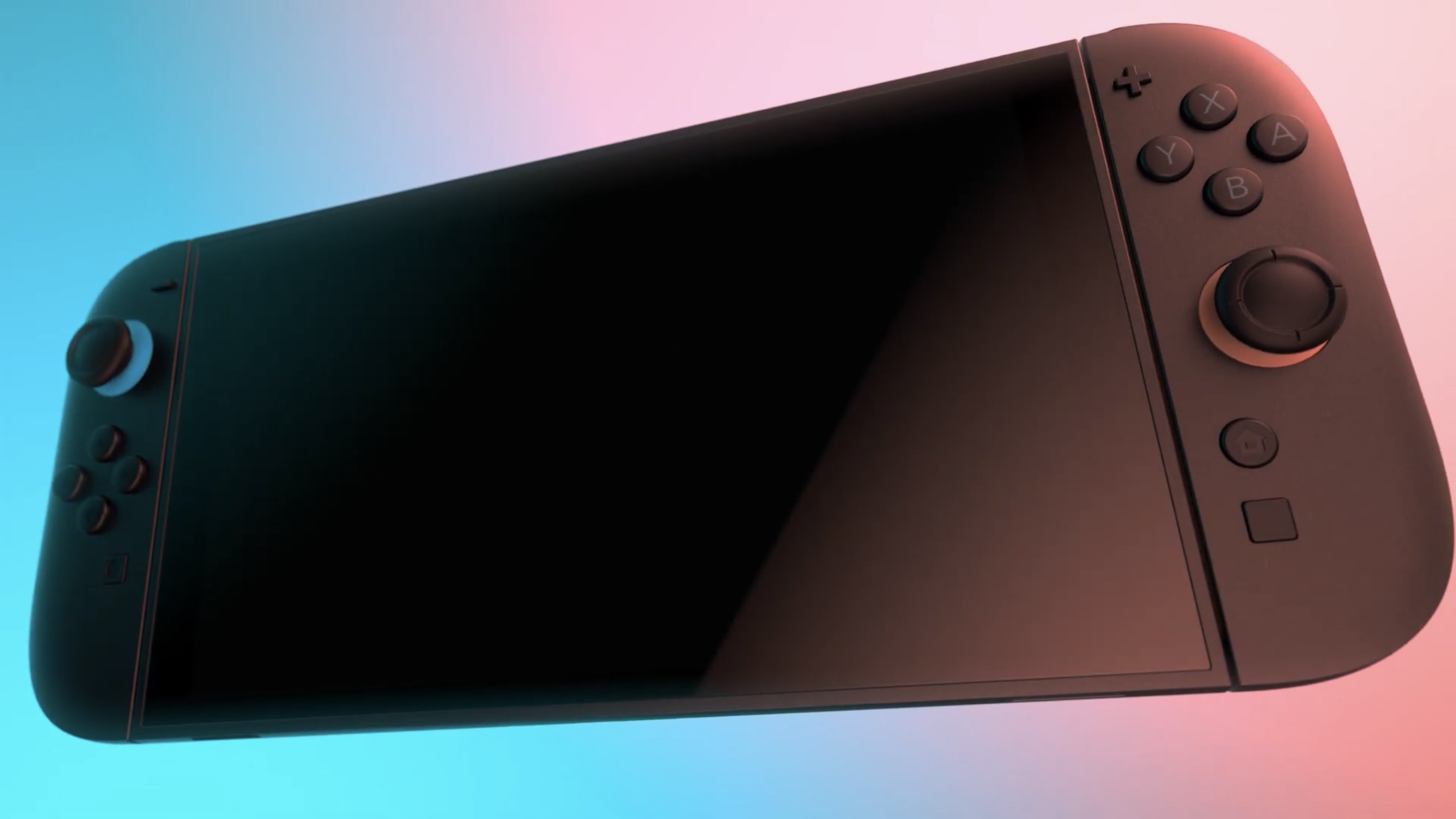
June 5th. That’s the date we will get our hands on the Nintendo Switch 2, for $699 Australian dollarydoos (called it). The new machine will arrive packing a 7.9 inch 1080p capacitive touch screen that as many feared will not be an OLED panel, but does support 120 frames per second output, High Dynamic Range at HDR10 spec and Variable Refresh Rate! All three of those bullet points are massive surprises roughly on the same shock level that the multi-touch screen, USB-C charging ports and region-free game support were back at the 2017 Switch reveal. Along with 3D audio, these are forward-looking hardware features from an often stubborn company, and the only thing more surprising than their inclusion is the fact Nintendo actually called attention to them (excepting the VRR thing) in the Switch 2 Direct.

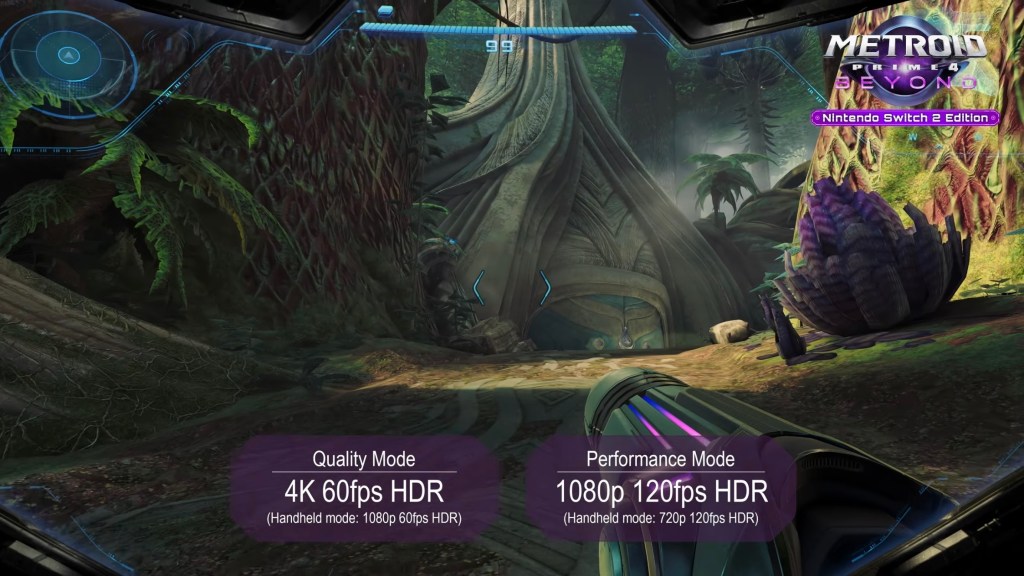
120Hz VRR support is a massive deal in particular, as it makes 40FPS refresh rates look really smooth – and that is a much easier performance target than 60 for third-party developers to hit for their often-tricky Nintendo ports. And sure, HDR makes almost no difference without either an OLED display or some serious local dimming support, which is pretty rare on portable screens. But support is support, and that means docked play can finally take advantage of modern TV colour ranges. Speaking of which, the dock also has a freaking cooling fan and supports 4K output at up to 60FPS, but the cool kids know that the Switch OLED’s dock already did that; the Switch 1 just couldn’t take advantage. Some of the lighter Switch 2 games just might, however; oh hello, Metroid Prime 4: Beyond.

Nintendo’s battery life estimates are somewhat nostalgic: 2 – 6.5 hrs depending on the game, apparently, which sounds pretty similar to what the official channels said about the Switch 1 in 2017. The major difference this time around is that we have many more points of comparison in the handheld space these days, and we have seen handheld PCs of a similar power level struggle to reach even a solid hour of play while running the most demanding games. Not even Nvidia’s fabled tech wizardry can account for that much of a discrepancy, so it is perhaps worth tempering expectations for now concerning how well the heaviest games will run in portable mode.

They will, at least, load faster, because standard Micro SD cards will no longer suffice on Switch 2 – only the “Micro SD Express” standard expands the included 256gb of storage. In related good news, early reports of file sizes for Nintendo-exclusive games are promising; it appears whatever forbidden compression magic Ninty developers used in the Switch 1 era hasn’t lost its edge. As long as they stick mostly to exclusives, it appears even digital-only players won’t have to expand the Switch 2’s memory that often.

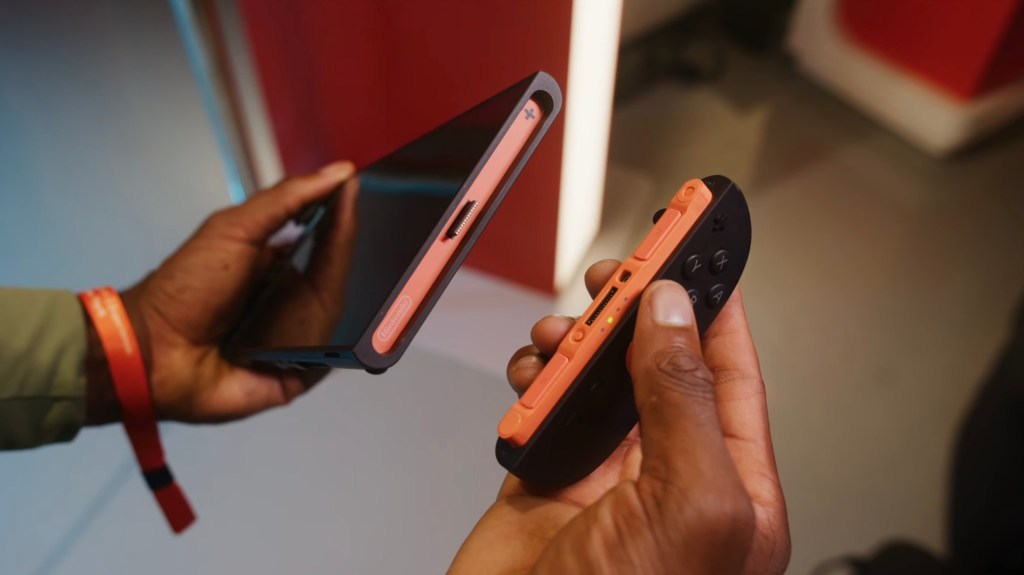
The Switch 2’s controllers are called “Joy-Con 2” officially – more Sony energy in the marketing there – and they lack any form of IR camera, but do support a mouse-like control mode capable of combining with improved gyro and more detailed HD rumble (which thankfully is not called 4K rumble) to provide your standard dose of Nintendo novelty. Every tangible input is larger, the magnets look strong, and the chance of that middle connector on the edges snapping off appears much less concerning than it did in that CG render three months ago.

Steve Bowling from GVG even said after his hands-on session that the Switch 2 “felt like a Switch Lite”, so solid is the connection from controller to console; high praise indeed. Tech specialist YouTuber Marques Brownlee also made note that an accidental press of the release buttons doesn’t fully remove the new joy-cons because the magnets are too strong; you have to fully press them down. Ergonomics improvements also seem positive across the board, although I still doubt my AyaNeo 1S will be seriously challenged as the most comfortable handheld in my backpack.

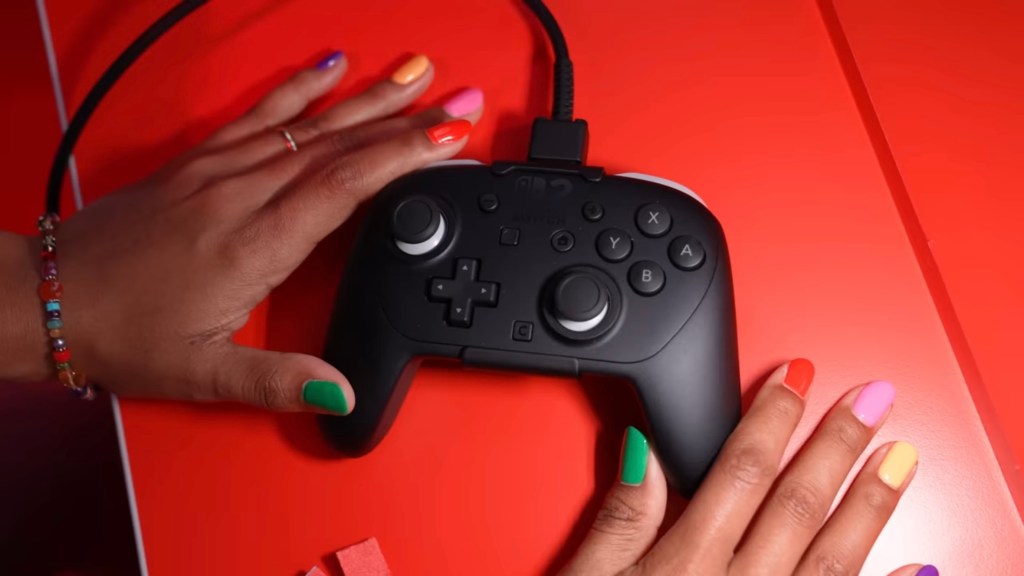
There’s a new Pro Controller too, which has been tweaked for ergonomics (and, apparently, heft) and packs an honest-to-goodness headphone jack alongside two programmable back-buttons – so we’re basically talking about an official controller that does what third-party pads have done for years. I get distinct Xbox-One-to-Xbox-Series vibes from both the official and hands-on descriptions of this thing – i.e. lots of small design changes that aren’t immediately noticeable – and I wrote way too much about that at the end of 2020 so I can’t wait to get my own hands on it and compare. Sadly this will be another generation without analogue triggers, but I do still hold out hope the D-pad has had a tightened redesign. In any case, all Switch 1 joy-cons and pro controllers thankfully will work on Switch 2, likely with some game-by-game restrictions.

Continue reading

OK It’s Happening, the Nintendo Switch 2 is Real

Sweet, sweet relief. That’s most of what I feel.

There has never been, in the entirety of my 25-odd years of following the videogame industry, a more tiring new console hype cycle.

It’s been almost four years since all that supposedly guaranteed “Switch Pro” bluster turned into the Switch OLED model, and to this day it seems just as likely that internal plans at Nintendo changed late as a “Pro” model never existed in the first place. The internet learned nothing from that experience, of course, and essentially all of the online – then, eventually, the increasingly offline – hardware speculation since has centred on the system’s successor. Reports have indicated the Switch 2’s hardware specs may have been finalised as early as 2022. Analysts have thrown out ironclad predictions and been wrong repeatedly. Entire YouTube channels have made their names off speculation and anticipation.

The wait for a Switch 2 reveal was so long that Nintendo themselves felt the need to add a “no new console news” asterisk to the announcement of every new presentation. Eventually third-party accessory manufacturers conspired to leak the dimensions and form factor of the system, emboldened by the number of competitors doing the same thing. By the middle of December 2024 we had essentially seen everything it was possible to see about the supposed chassis of this machine; by the time the January 2025 date had reached double digits we had seen and cross-examined every inch of the new dock, joy-cons, even a motherboard. All that was left was for the big N to draw aside that stupid curtain and show up in an official capacity with the new console.

And then yesterday, at long last, they did. What a day.

Continue reading

Best of 2024: Top 15 Games

Look, I know I tripped over myself to emphasise repeatedly just how good 2023 was as a videogame release year, and I stand by that; it really was an all-timer. However, while that year had a real “something for everyone” vibe going on amongst its treasure trove of big-budget heavy-hitters with huge review scores, 2024 was arguably just as good if viewed through a narrower genre lens. If you’re a fan of RPGs – especially if you partake in the Japanese variety – the sheer onslaught of quality that hurtled past you this year was every bit as crazy as in 2023; maybe even more so. The more mainstream western genres did show up by the end, thanks largely to a resurgent Microsoft/Ubisoft double act (which was nonetheless blunted by the late delays of Avowed and Assassin’s Creed Shadows respectively) and a very important EA release, but the weebs of the world will likely remember this one for a long, long time.

I must also give a shout-out to the general cadence of the releases this year: I wasn’t truly overwhelmed by the volume of releases on my personal hype list at any point throughout the year, but from mid-January to yesterday, I was always playing something good.

Of the fifteen games that make the 2024 list, only a third were developed by Western studios, and only one of those is American. That latter stat may be an all-time low for this website, but not simply due to the Japanese gaming heartland’s banner year: China and Korea also took larger chunks out of my playtime pie chart than ever before, and I certainly wasn’t alone in that experience. We’ve also got two “reimaginings” on the list – otherwise known as re-releases too ambitious for last week’s countdown – and one of the longest honourable mentions sections ever.

What we don’t have, unfortunately, is Dragon’s Dogma II, Dragon Age: The Veilguard, Dragon Ball Sparking! Zero (a few dragons going about this year), Another Crab’s Treasure, Visions of Mana, Warhammer: Space Marine II, Indiana Jones and the Great Circle, Lorelai and the Laser Eyes, Tekken 8, Call of Duty: Black Ops 6, UFO 50, Super Monkey Ball: Banana Rumble, Star Wars Outlaws, Marvel Rivals, Banishers: Ghosts of New Eden, The Plucky Squire, Metal Slug Tactics, GranBlue Fantasy: Relink, 1000xRESIST, or Mario & Luigi: Brothership. All of these games were either on my wishlist, briefly owned, or even started by me throughout the year, but fell victim to the relentless passage of time, soft reviews, and/or the always-rolling videogame release calendar, preventing me from reaching the five-hour playtime threshold I use to determine eligible games. There’s also no Palworld or Hades II, because we’re still miles away from a year with a dry enough schedule to convince me to break my personal rule against games with some form of “early access” tag.

-◊-◊-◊-◊-

VR BEST OF 2024 DISCLAIMER

This list represents my opinion only. I am not asserting any kind of superiority or self-importance by presenting it as I have. My opinion is not fact. Nobody ever agrees with me 100%. Respectful disagreement is most welcome.

-◊-◊-◊-◊-

15. Another Code: Recollection (NS)

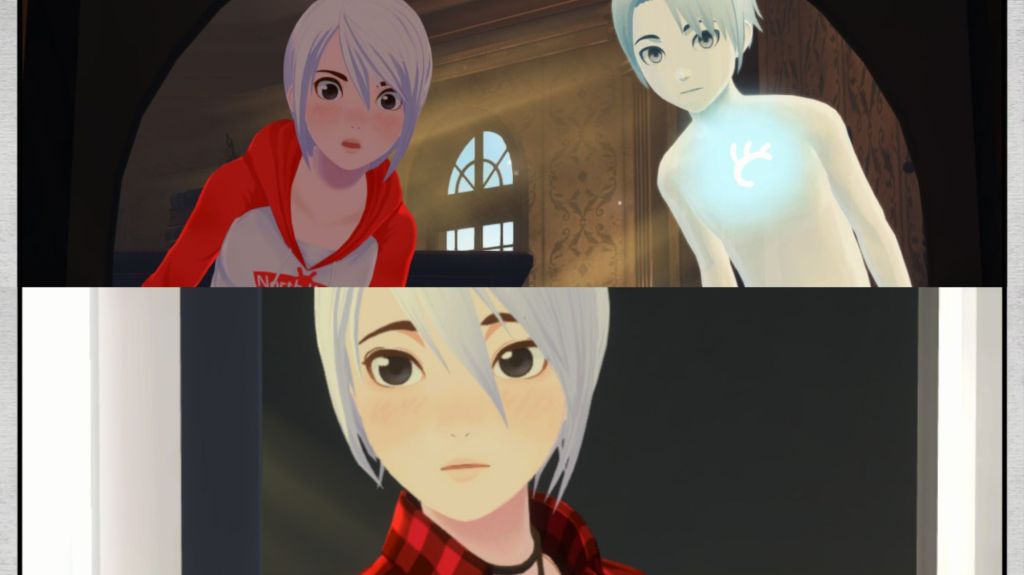
Released at precisely the wrong time for a whole community of Nintendo fans reeling from the news there’d be no Switch successor till 2025, Another Code: Recollection was largely dismissed when it squeaked out at the very beginning of 2024. You could argue a slow-paced double-bill adventure game throwback was hardly going to set the charts on fire anyway, but I think it was still rather unlucky, because the striking comic-panel art direction that drives the ground-up reimagining of 2005’s Another Code: Two Memories handily reinvigorates a DS cult classic two decades on, leaving many obtuse quirks behind to ensure the game’s devotion to both atmospheric puzzle-solving and unsettling mystery help it stand out from its fellow Switch exclusives.

The move from snappy stylus controls and once-unprecedented kitchen sink gimmickry to proper third-person 3D exploration and fully-voiced cutscenes means puzzles have been changed and/or completely removed, the time between brain-teasers is noticeably longer, physical layouts have been shaken up, and some of the creepier touches have been sanded down. But the more lively, believable environments in the 2024 release help tie together the game’s overall story in an arguably superior fashion, delivering twists with a pulpy watercolour flair and sticking the landing under a clearly modest budget. As the credits indicate, this is very much a “based on” angle from developer Arc System Works, taking inspiration rather than instruction from the original.

And those drastic changes don’t just serve the first game: the previously Japan/Europe-only Wii release Another Code R not only makes its worldwide debut here, but the story continues unbroken from the Two Memories save file and uses all the same UI elements, producing a near-seamless end result. The second reimagining in the package sacrifices puzzle density for plot even more than its predecessor, but with a cast so large that it feels like Game of Thrones in comparison and some truly heady Black Mirror-esque sci-fi ideas along for the ride, it’s justified in doing so. The fabulously-titled Recollection may be of modest means, but I have never seen anything in the vast realm of videogame revisitations use an approach quite like this, and it deserves a nod at the top of this list.

14. Helldivers II (PS5)

An entire book could be written on the life and times of Helldivers II – and I wouldn’t be shocked if that does actually happen one day – but the occasionally scandalous mismanagement of the game’s trailblazing Steam-on-day-one release strategy, not to mention the odd parasocial relationship built afterwards between players and developers of the game, is not enough to negate the crazy amount of fun I had spreading managed democracy among the fictional planets of Helldivers II in the early part of the year.

Among the legitimately countless tales of failed online multiplayer titles across all of 2024, the fact that one of the only real success stories came from a comparatively small team that made a brutal top-down twin-stick shooter on the PS Vita back in the day just warms my cynical heart. The fact it launched at a significantly lower price point than, I dunno, random example, Concord – with much fewer opportunities for microtransactions to boot – is hilarious. Helldivers II feels magnificent to control, looks far better than its relatively low resolution settings would suggest, and only kicks you down in a way that you quite literally asked for when you knocked that difficulty up a notch.

CLICK HERE TO KEEP READING

Best of 2024: Top 5 Game Consoles

If you believed the online speculation roar, it was supposed to be the year of the next Nintendo console, with strong whispers of an upgraded PS5 machine swirling amidst potentially exciting new hardware developments from Microsoft as per those juicy 2023 leaks. While things didn’t quite turn out according to the hype sheet, 2024 was still a fascinating year to write this list. Well, for the current-gen consoles anyway. Get ready for a wildly unbalanced personal ranking based on which console’s 2024 presence negotiated its year of terrible PR with the fewest stumbles. Uh, yay?

-◊-◊-◊-◊-

VR BEST OF 2024 DISCLAIMER

This list represents my opinion only. I am not asserting any kind of superiority or self-importance by presenting it as I have. My opinion is not fact. Nobody ever agrees with me 100%. Respectful disagreement is most welcome.

-◊-◊-◊-◊-

5. Xbox One

The top three are pretty wordy this year, so I’ll give the aged-out Xbone about as much attention as Microsoft did this year: it was a fun, often unpredictable console to cover over the years, it got a few new games in 2024, but this may actually be the last time I count it on this top five list.

4. Playstation 4

The biggest 2024 event for the PS4 may just have been the sensational May news story from Sony that revealed fully 50% of Playstation gamers still play on the PS4, despite the fact that virtually all PS exclusives have abandoned the machine by now. The pandemic and its chip shortages may have indirectly assisted the eleven-year-old Playstation 4 by turning the successful purchase of its successor into a pricey flex for a couple of years, but thanks to the low graphical requirements of the world’s most played games and the ever-shrinking size of generational tech leaps, the widely-loved slanted box just keeps on trucking. It may have been a quiet one by this list’s criteria, but I say well played.

CLICK HERE TO KEEP READING

Fifteen Years of Persona Changes You

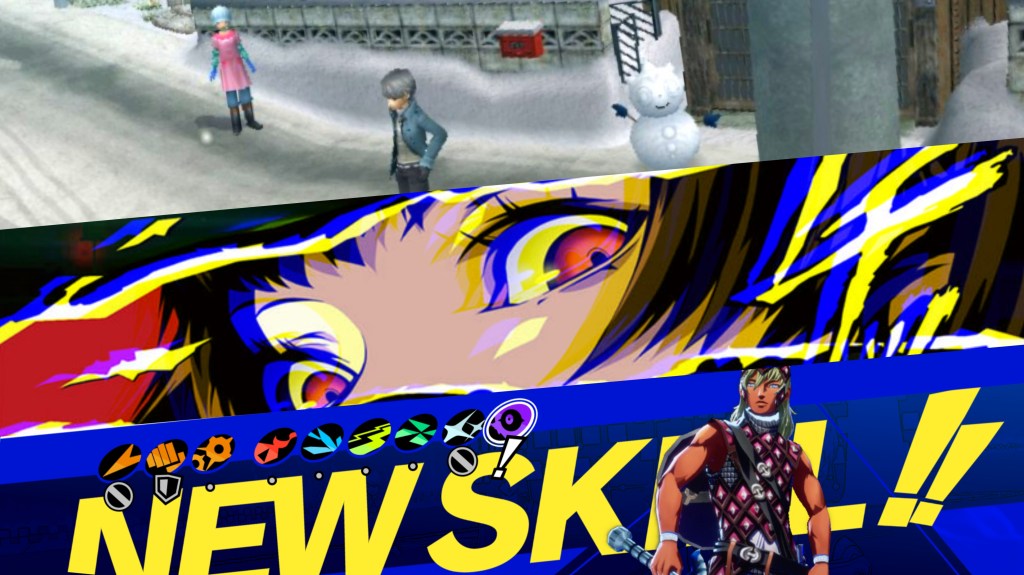
On a large, overhanging screen within a dimly-lit videogame store in March of 2009, my gaze gradually fixated on a trailer that would alter the course of my life. A sharply-dressed Japanese kid with silver hair closed his fist and manifested a gigantic, colourful monster to attack his enemies, then a second later was shown working a boring dishwashing job in a sleepy town before looking into a murder mystery plot. This brazen mix of disparate parts apparently called itself Shin Megami Tensei: Persona 4, and in the desolate JRPG landscape of the very late 2000s it had the gall to release on the years-obsolete Playstation TWO. I was immediately struck by its confidence and style, and got myself a copy as soon as the game was available.

Need I say what happened next? Well you’ve probably met a Persona fan or two, dear reader; you know what happened next. But I’m still going to talk about it. As we rapidly approach the next major release from the head honchos of Persona development, the heinously-named Metaphor: Re Fantazio, I present my own personal retrospective of a truly incredible RPG series.

“The First One You Play is Probably Your Favourite”

It was a slow, gradual realisation, but by 2009 I knew I liked Japanese Role-Playing Games: Pokemon Yellow had been my first videogame, after all, and I had also sunk a weird amount of time into that turn-based Harry Potter and the Chamber of Secrets Game Boy game; then when I was lucky enough to acquire a GBA a few years later it came with the unique lightning-in-a-bottle moment that was Golden Sun. In the ensuing years, the likes of Final Fantasy Tactics Advance, Tales of Symphonia, Paper Mario: The Thousand Year Door, Kingdom Hearts (vicariously) and eventually the DS remake of Final Fantasy IV would help me determine enough of the incidental characteristics shared by members of the genre to convince me of my taste for them. So come to think of it, that fateful 2009 Persona moment was probably the earliest time in my life I saw a game without a single shred of understanding of its history, recognised it as a JRPG, and bought it primarily on that basis.

But as we all know, a Persona game isn’t ‘just’ a JRPG; the series offers quite a bit to distinguish itself from the crowd, and chief among that list is style. The very first thing that greets you when you boot up Persona 4 is a lavish, provocative music video heaving with equal parts grimy retro-tech nostalgia and sharp yellow/black contrasts dialled right in to the contemporaneous 2000s Apple marketing playbook. The lyrical essays scrolling past in every direction to mimic the information overload within those very lyrics made an indelible impact on me as a millennial teenager whose active memories stranded both sides of the social media divide; I was instantly drawn in.

That love of yellow and black persists throughout the game’s striking UI, which also marks menu transitions with a neat faux-CRT TV colour-banding effect reminiscent of modern-day Netflix branding. And that tune was an instant ear-worm, a chaotic Shoji Meguro instant classic solidified by its presence on an honest-to-goodness soundtrack selection CD included as standard in that PS2 game case – the first game I can remember owning that did so. I wore out the tracks on that disc long before I heard them within the game, and the identity of the Persona series as an audiovisual feast unimpeded by ageing hardware was unmistakable from my very first day with it.

Beyond this clear stylistic identity, Persona 4 is defined by its intimate small-town scale, filling out a small cast of characters with layers upon layers of depth and going to some uncomfortable – not to mention ambitious and a teensy bit Jungian – thematic places without ever losing a sense of warmth or its perfectly-balanced humour over a year-long main story. The idea of a narrative taken day-by-day, filled with small relatable choices bearing meaningful consequences but never overwhelming in number, was absolutely delightful. It would be many years before brute force and hindsight would help me empathise with fans who had jumped on the Persona train with the groundbreaking Persona 3, a game with a much darker and edgier presentational wrapper around it and a greater emphasis on plot over levity or egalitarian character study. But for me, the damage was done: this mellow, vibes-first creative direction was Persona to me.

Continue reading

The Seven Stages of Videogame Re-Releases

It’s been a topic at the forefront of gaming for at least three console generations: the videogame industry is now old enough to look back and draw from its past, and in an age where some games of yore are ridiculously difficult to experience with anything approaching legality, re-releases distinct from their original source in all manner of ways are as commonplace as they are guaranteed to attract online discontent. In many cases, they also represent a near-guaranteed source of revenue for publishers keen on mining nostalgia, so whether you love them, hate them, or pay them no mind until one of your favourites arrives in the spotlight, they aren’t going anywhere.

What I find most interesting about the modern re-release is that the quality and even validity of a given project oftentimes seems to hinge on what labels people are willing to attach to it. As with most things in life, enjoyment is regularly determined by expectation, and the wrong label can instantly diminish the hard work of thankless development teams, sow confusion over lengthy production cycles, or encourage needlessly circular pricing debates. So I feel like it’s worthwhile to break down and categorise those very labels as I see them defined today.

Because seven is a poetic number that looks great in post headers, that is how I have attempted to divide them – even if I have to stretch a bit to do so. It’s all just one person’s take after a couple of decades following the videogame industry – and I can definitely see people disagreeing on the order of the categories – but I’ve tried to articulate with examples as best I can.

Port

Your basic “Take Game A from Platform B and get it to run on Platform C” situation. Nothing more, nothing less. This is regularly seen when a period of platform exclusivity breaks and a title shows up on a competing one within the same generation. Because timed exclusivity within the console space is a rarity nowadays, the platform that is usually either early or late to the party is the PC, but you see more variety of circumstance the lower down you go on the production budget scale. For every big-budget early access title on the Steam/Epic Games storefront, every surprising eleventh-hour Yakuza/Square RPG arrival, there’s a “Nindie” debuting on Switch first, a small ID@Xbox game flying the Game Pass flag straight out of the gate, a former Apple Arcade exclusive that manages to find an unlikely second life somewhere else. When these games inevitably cross over to find new homes – grabbing a handy second wave of buzz in the process – they invariably do so without significant gameplay changes or extra content that hasn’t already been added to their initial versions.

The overwhelming majority of PC ports do offer more flexible graphical options due to the open nature of the PC environment (usually related to resolution, frame rate caps/unlocks, and previously unavailable visual effect toggles), just as a huge amount of Switch ports require technical downgrades by very imaginative and talented people in order to run at all (The folks at Bluepoint, Nixxes, and Panic Button come to mind). But if that’s all she wrote, you’re looking at a bread-and-butter port. There are many who hold the untouched port as the most ideal form of game preservation, and many more who don’t see the point of a fresh release of an older game if the developers don’t update anything, but the simple fact remains that basic ports allow more people to play more videogames and they’re an unavoidable part of the landscape.

IT’S A PORT IF: it shows up on a different platform from the original release, and barely anything has changed beyond what the new platform inherently offers to its games.

Enhanced Port

A game qualifies as an enhanced port in my mind if there has been little to no discernible graphical work done under a game’s hood since its original release, thereby qualifying it as a straight port if not for one or two clear and way-too-significant gameplay changes that have been implemented. Weirdly enough, this opens the door for re-releases to occur on the same platform as their source material, a practice for which the Kingdom Hearts franchise used to be infamous and something the Pokemon main series did with immense success right up until 2020, when it switched to a DLC Expansion strategy instead. The concept of an enhanced port definitely represents a curious semantic pocket of the industry, because while you can theoretically port a game to the platform it’s already on, without any noteworthy enhancements such an endeavour would be literally pointless.

Of course, most of the qualifiers for this category actually do cross over to new platforms, and as you might expect if you’ve invested in any of their recent consoles, Nintendo features heavily among them. The notoriously port-happy Big N greenlit an almost exhaustive catalogue of exports from the tragic Wii U to the hit-making Switch over its long life to give the a stranded titles a chance at sales, each packing little more than a resolution bump in the visuals department but almost always carrying a smattering of bullet points to set the new version apart.

For example, Hyrule Warriors Definitive Edition packs new character skins and integrates content from multiple previous versions of the game, New Super Mario Bros U Deluxe and DK Country Tropical Freeze add new characters and abilities, Super Mario 3D World + Bowser’s Fury adds, well, Bowser’s Fury, and Mario Kart 8 Deluxe fundamentally changes the flow of gameplay with more granular kart stats, tweaked balancing and an extra item slot per player (in addition to new characters). Older instances include the Gamecube release of Sonic Adventure 2 with an entire multiplayer mode in tow, the transformed controls and gameplay balance of Resident Evil 4‘s Wii edition and the enabling of the mythical “Stop n’ Swap” functionality in the Xbox 360 version of Banjo-Kazooie.

IT’S AN ENHANCED PORT IF: it basically looks / sounds the same, but substantial gameplay content has been added or even changed.

Continue reading