Archive for the ‘Games’ Category

Best of 2025: Top 15 Games

That one really snuck up on us, huh?

Before September, I was ready to sing the praises of 2025’s evenly-paced major videogame release schedule like it had finally cracked some previously unseen cadence code. Sure, I was 90% sure the convenient rhythm was an accidental side effect of increasingly longer development schedules just about everywhere, but there was pretty much always an interesting game release (or three) just around the corner, and a lot of them were really good. Of course, I enjoyed that immensely.

Then everything changed. While 2023 made headlines in all relevant places for its perceived overall quality as a videogame release year, that one was largely filled with known quantities we had time to anticipate; the final quarter of 2025 was all about heat from surprise sources and/or surprise release dates. By the time we reached an unusually barren November (probably GTA VI‘s fault), there were more 2025 games with 80+ Opencritic scores and passionate fan followings than any regular person could conceivably play. And they were all so varied! Co-op experiences returned in a big way, the needlessly controversial “interactive story” umbrella had a vintage year, and I don’t think there’s ever been a better time for roguelike reception. What a year to be into this hobby.

Add on a brand-new Nintendo console with something to prove, even more big moves into the handheld PC market, and comfortably the best year for Xbox Game Pass ever (for videogame releases, definitely not pricing or PR); now there’s a recipe for a good time.

My criteria for game eligibility is at least five hours of play time, unless time is an irrelevant factor to understanding the experience (i.e. multiplayer games, or really short ones). That disqualifies the following games I had at least some interest in: ARC Raiders, Fast Fusion, Kingdom Come Deliverance II, The Drifter, Urban Myth Dissolution Center, Consume Me, LEGO Party, The Alters, Fantasy Life i, Pipistrello and the Cursed Yoyo, Sonic Racing CrossWorlds, Rift of the Necrodancer, Ninja Gaiden 4, No Sleep For Kaname Date, Digimon Story: Time Stranger, Like a Dragon: Pirate Yakuza in Hawaii, Daemon X Machina: Titanic Scion, Hyrule Warriors: Age of Imprisonment, Citizen Sleeper 2, and most unfortunately, Ghost of Yotei and Blue Prince.

If a game isn’t in the above paragraph or the list below, I either just didn’t like it enough, or you can find it my re-releases / expansions countdown. Even so, my draft Honourable Mentions roll is so large this year that I’ve decided to weave some of them into the main list wherever a nearly-there game seemed similar enough to one in the top 15 – anything to shorten the page even a little.

Parentheses indicate the version/versions of each game I played in 2025. Let’s go.

-◊-◊-◊-◊-

VR BEST OF 2025 DISCLAIMER

This list represents my opinion only. I am not asserting any kind of superiority or self-importance by presenting it as I have. My opinion is not fact. Nobody ever agrees with me 100%. Respectful disagreement is most welcome.

-◊-◊-◊-◊-

15. Rematch (XSX/PC/PS5)

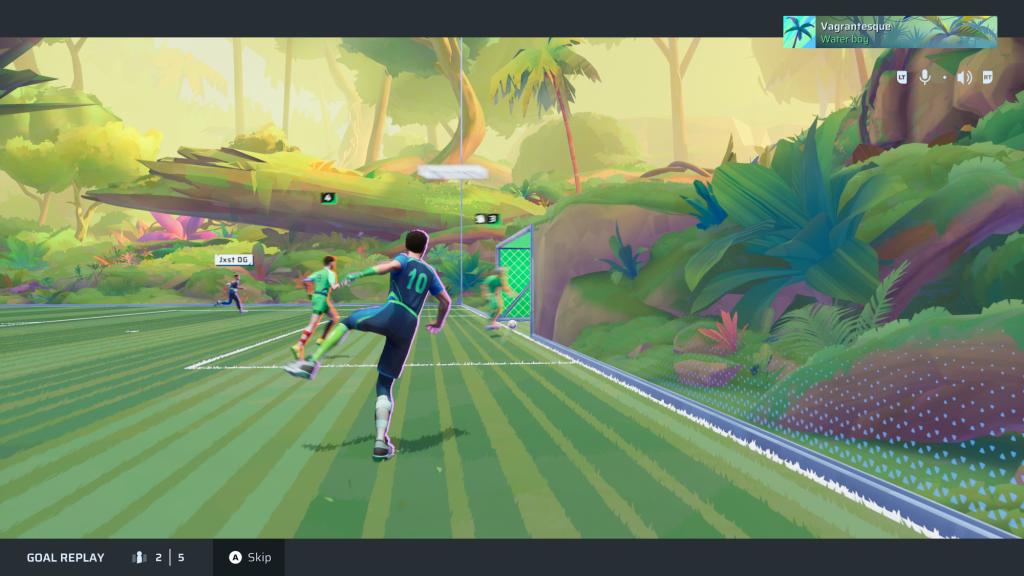
It doesn’t matter if it’s relatively bare-bones, seems derivative, or has its fair share of jank; Rematch feels incredible to play. It’s also the only game this year I bought on a second platform (without the luxury of cross-progression) and started from scratch again just so I could play with friends, and that in itself says all I need to say about how much of a hold this 3-5-a-side cartoon football simulator had on my thoughts, feelings and desires in the middle of 2025.

It even cost the surprisingly whimsical, delightfully tactile and often satisfying Drag X Drive a shout-out position on this list – and I really wanted to give that game its flowers here – because the competitive essences of the two games are so similar at the end of the day. DxD feels better to play in a tactile sense, and encourages a surprisingly wholesome online community, but a win in Rematch after a perfectly-executed team move with mates after saving a certain goal is like digital crack. So Slocap’s admirable “Rocket League with people” gets to, um, kick off this year’s incredibly strong list.

14. Pokemon Legends: Z-A (NS/NS2)

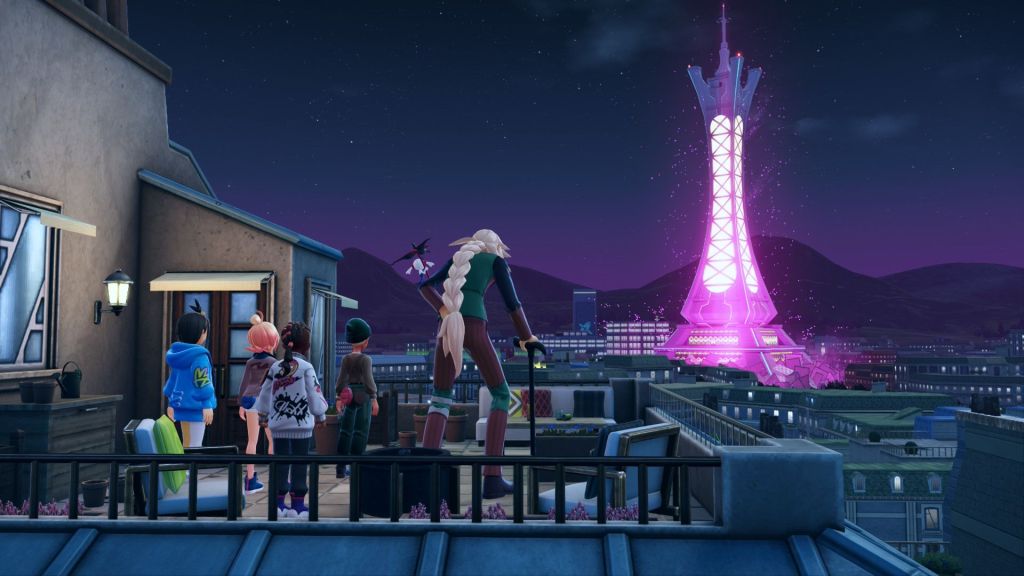
Just the second game in the unstoppable Pokemon juggernaut’s relatively new “Legends” series, design-wise Z-A moves about as far away from the trendsetting Pokemon Legends: Arceus as possible: that game was all untamed open wilds, minimal human interaction, de-emphasised battling and hyper-tuned catching mechanics; this one is both a celebration and indictment of urban sprawl within a single city, with colourful verbose characters around every turn and an almost hilariously insatiable attitude to Pokemon duels that puts any game in the traditional main series to shame.

The game is evidently super-proud of its experimental real-time battle system, but that isn’t what lifts it onto my list; rather, it’s the fulfilment of a decade’s worth of unresolved Pokemon X/Y foreshadowing by way of a genuinely endearing main cast that succeeds at feeling like an RPG party where X/Y failed, as well as a frequently hilarious localisation that turns random NPCs into memetic heroes. Oh, and the game actually runs properly, so evidently that wasn’t too much to ask.

CLICK HERE TO KEEP READING

Best of 2025: Top 10 K-Pop Albums

Following a largely male-dominated 2024 double countdown, 2025 sees a return to our regularly scheduled programming: a predominantly female K-Pop mini-album top five, and a roughly even gender split on the full album side. The EPs are typically big on beats but otherwise nearly impossible to throw a thematic lasso around; as for the LPs, you could say this year’s commonality is successors: there are zero debuts involved, and I found at least something worth saying for each entry about how the artist’s previous work reflects on the newer effort.

Language restrictions are a bit looser for me when it comes to Korean albums than singles, but entire LPs with vanishingly small amount of Korean lyricism – or none at all – still introduce too many questions about western pop lines, so I don’t tend to include them. But I will shout out Kandis’ Playground and Yerin Baek’s Flash and Core, which are both great fun.

1-3 tracks = not eligible

4-7 tracks = mini album

8+ tracks = full album

-◊-◊-◊-◊-

VR BEST OF 2025 DISCLAIMER

This list represents my opinion only. I am not asserting any kind of superiority or self-importance by presenting it as I have. My opinion is not fact. Nobody ever agrees with me 100%. Respectful disagreement is most welcome.

-◊-◊-◊-◊-


MINI-ALBUMS

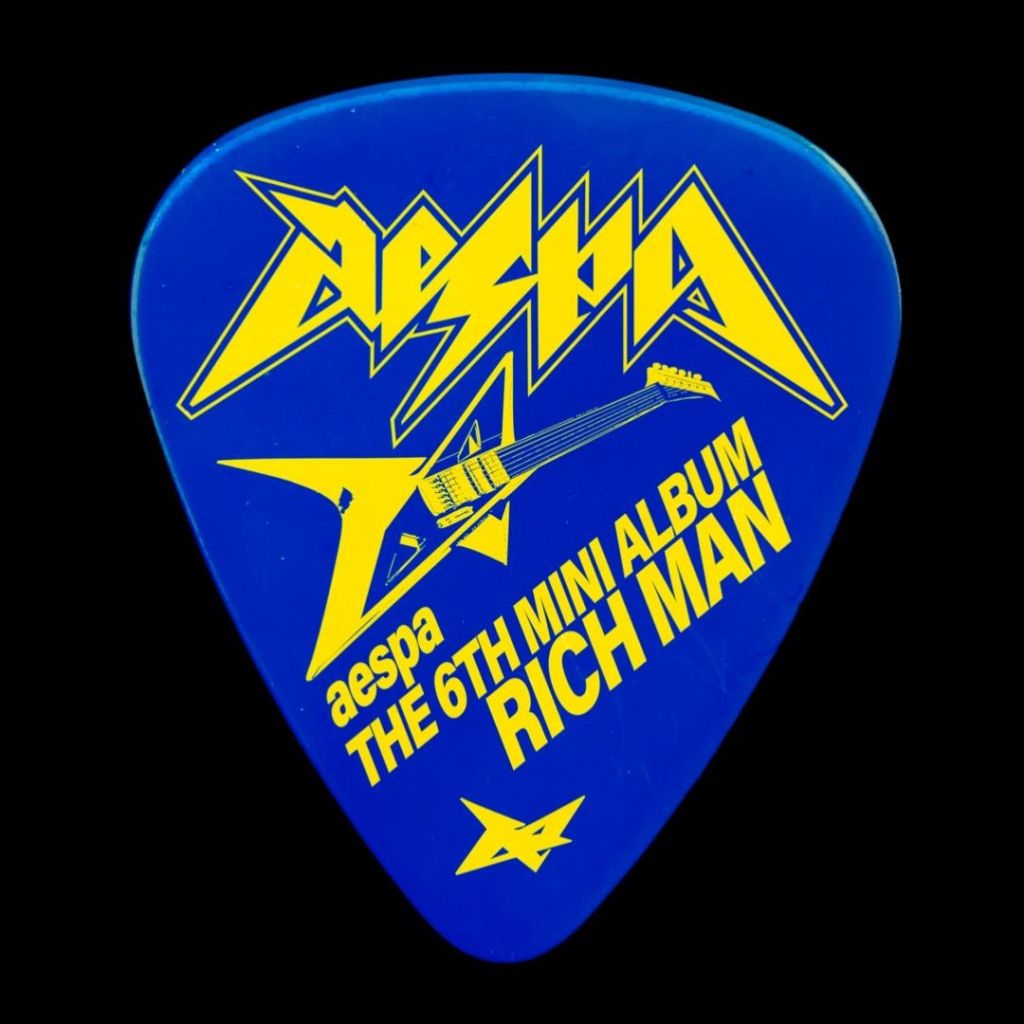
5. Rich Man – aespa

Another year of K-Pop, another SM Entertainment album way better than its missed-opportunity title track would seem to foreshadow. Like many of those examples, said title track is made a little better by its connection to the wide variety of B-sides that follow, although they are definitely still the real stars. In particular Count On Me, the song that kicks off the mini’s less spicy second half, is a smooth winner that’d fit into any vocals-forward playlist, and follow-up Angel #48 adds a garage beat to keep the silk moving. I am also a big fan of warbly first-change rap/chant vehicle Drift, however, because a whistle chorus is somehow still my biggest pop weakness after all these years. Makes that questionable treatment of the famous Cher quote go down just a tad easier.

4. Beat It Up – NCT Dream

Another busy year for the Dream lads saw multiple album releases hit the shelves and streamers, but while there’s nothing on Beat It Up that quite hits the skyward heights of the DREAM TEAM B-side from their Back To The Future album, I find the former to be a more consistent listen overall. The EP features a soft centre with crunchy bookends: the title up top and Tempo / Tricky at the end are all about brash beats, and Tempo in particular is a real rollicking head-bopper. Meanwhile Rush combines both sides of NCT Dream’s dual identity, sliding an airy dove-spawning title drop between bassy rap verses; Cold Coffee leans more on the euphoric production but gets there with an understated EDM buzz, and Butterflies serves up a reliable SM ballad – albeit in the middle of an EP rather than as a closer.

CLICK HERE TO KEEP READING

Best of 2025: Top 10 Gaming Moments

Naturally some version of this warning happens every year, but in 2025 it’s more relevant than ever: an unusually high number of 2025’s very best games were defined by their ability to hide twists, cameos, stunning escalations of scale, and other important details from their players until just the right moment – usually deep into their respective stories. So I implore you to be very careful scrolling this list if you’re still waiting to play something released this year.

That said, time for another dose of highly-concentrated gaming goodness, as worthy of discussing as any other part of the interactive tapestry. The original plan for this year’s list was a bit different, but – agh, never mind, I’ll get to it.

-◊-◊-◊-◊-

VR BEST OF 2025 DISCLAIMER

This list represents my opinion only. I am not asserting any kind of superiority or self-importance by presenting it as I have. My opinion is not fact. Nobody ever agrees with me 100%. Respectful disagreement is most welcome.

SPOILERS FOLLOW; PROCEED AT YOUR OWN RISK.

-◊-◊-◊-◊-

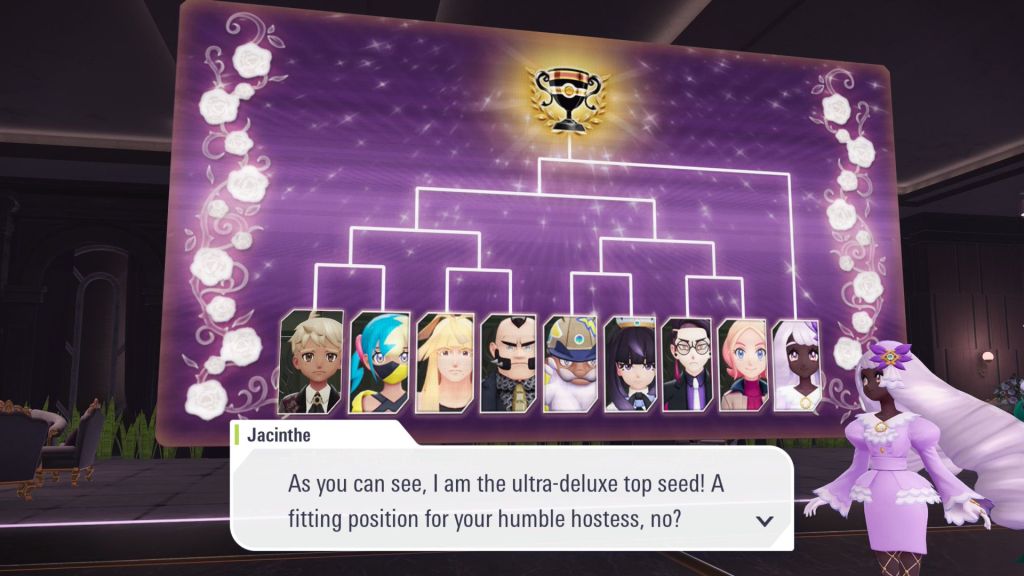
10. Le Super Tournoi de Jacinthe – Pokemon Legends Z-A

In 2025 I still don’t do a countdown list of the year’s best videogame characters, nor the best soundtracks or songs from a videogame. But if I did, this year’s editions would feature both Lady Jacinthe and the incredible electroswing battle track that accompanies her boss battle. The former is a delightfully vain thorn in the side of our hero from the moment she takes an interest in the time-honoured Pokemon protagonist power bump, and the lavish tournament she forces onto most of the story’s named cast is a blast – even when interrupted multiple times by more important story beats, to the great irritation of the ostentatious host. Eventually, the final match approaches – against Jacinthe, naturally – and then that tune hits. Suffice to say it’s worth sitting on that opening freeze frame for a good minute or two before you start launching your attacks.

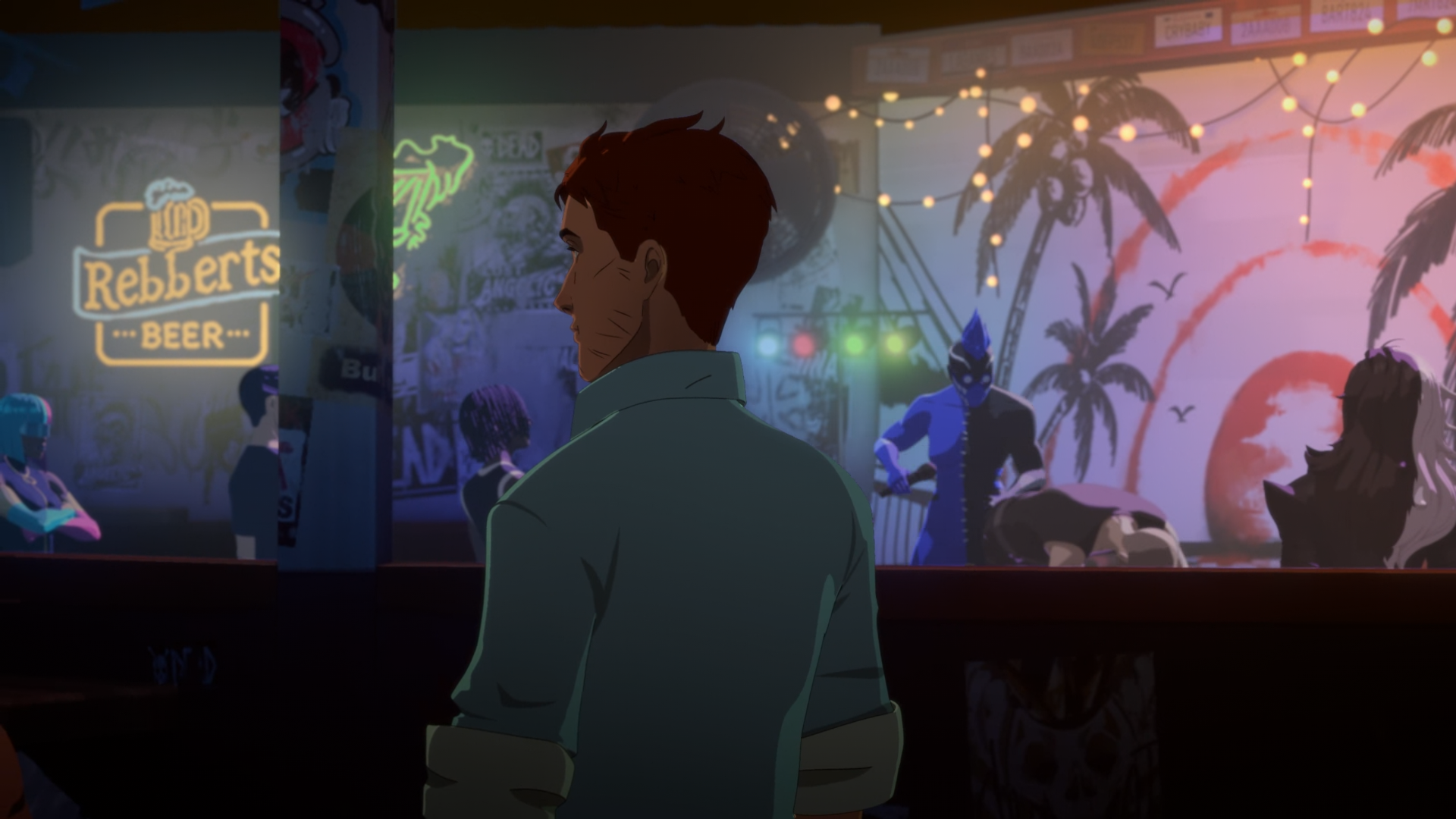
9. Bar Fight – Dispatch

There are more pivotal and/or emotional moments throughout episodic pseudo-Telltale Games renaissance Dispatch, but catharsis and triumph simply do not hit harder than at the climax of Episode 5, when new studio AdHoc showcases just how impressively you can construct an action sequence when you don’t have to deal with that old abomination of a game engine. Time after time an apt directional button prompt will initiate a show-stopping match-cut linking a team-bonding taco session with a flashback to the brutal bar brawl hours earlier. But this satisfaction does not pay off just because of the stunning direction; it’s also a writing flex, giving the team of superpowered misfits at the heart of the game’s story a moment to get along – at long last – before the stakes really escalate in the final few episodes.

CLICK HERE TO KEEP READING

Best of 2025: Top 5 Game Consoles

It hurts to admit, but it feels like this particular list’s days might be numbered.

It’s not that there isn’t plenty to discuss. There was always going to be a lot to say about the console market in 2025, as each of the three traditional big players threw its marketing focus behind at least one new piece of machinery. And yet it seems increasingly likely that one of those three will move out of the console market altogether before long, and with last-gen development support appearing more nebulous by the month, it’s perfectly possible that within two years I’ll only have two relevant console platforms to talk about.

Nonetheless, we’re still doing this, and any discussion about the videogame console market in 2025 simply has to address the gigantic elephant in the room: cost. Here in Australia, every major console you can buy is now more expensive than it was this time last year (except, if you want to be technical, for the PS5 Pro and all models of the original Switch). Two of the major brand subscriptions are also more expensive than this time last year, and while these costs are still dwarfed by the eye-watering sums in the PC market right now, the fact remains that current-gen console gaming costs more in real-money terms than it has in a long, long time. So these ecosystems need to make themselves worthwhile, and regardless of their popularity, the following is my take on which ones did that the best in 2025.

-◊-◊-◊-◊-

VR BEST OF 2025 DISCLAIMER

This list represents my opinion only. I am not asserting any kind of superiority or self-importance by presenting it as I have. My opinion is not fact. Nobody ever agrees with me 100%. Respectful disagreement is most welcome.

-◊-◊-◊-◊-

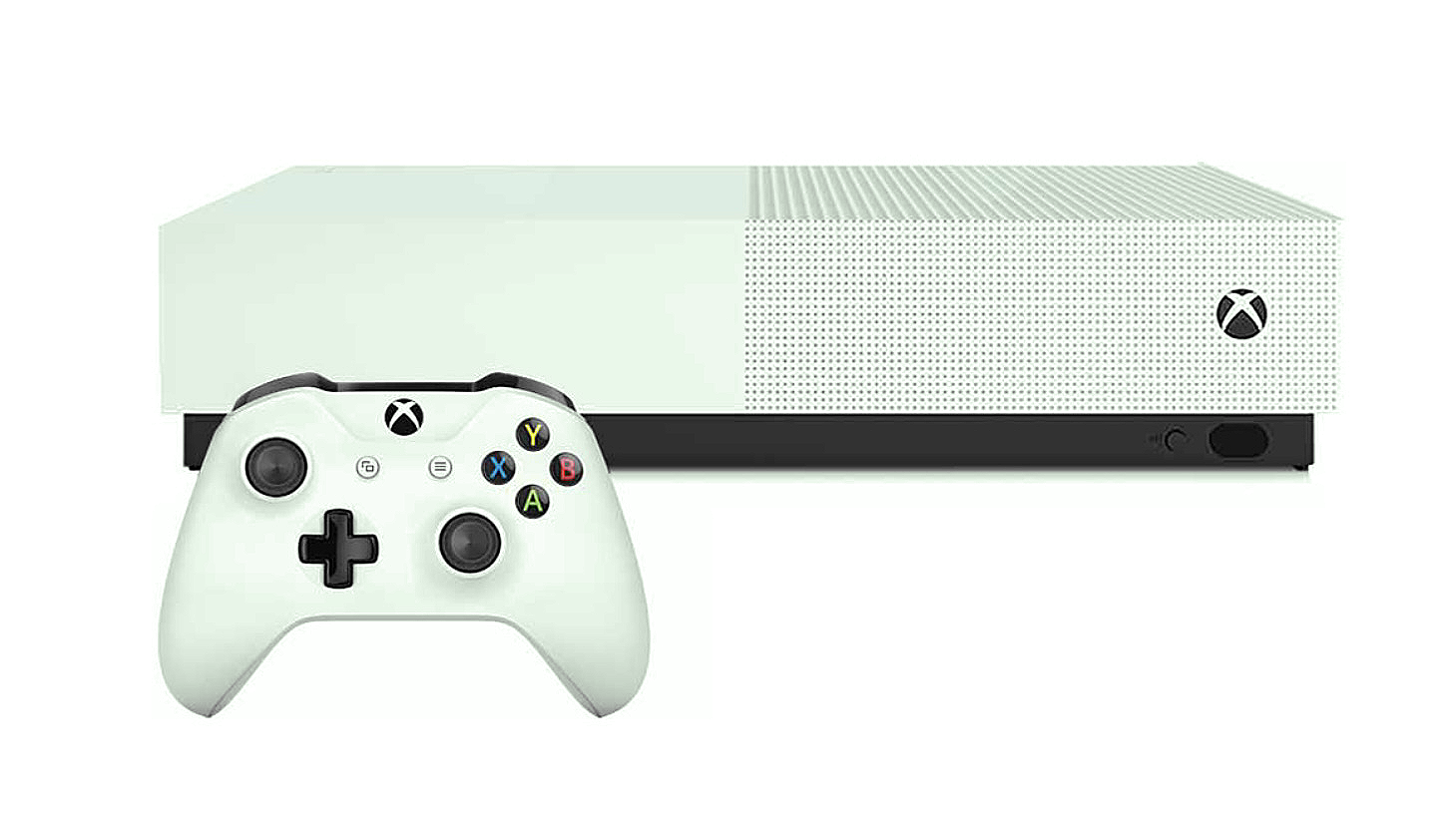
5. Xbox One

So last year I said I’d probably never put the Xbox One on the main list again, but that was based on the PS4 showing much more relevance to casual players. In 2025 the PS4 got almost nothing new, while at the very, very least the Xbox One picked up some of the sprinkles from Microsoft’s attempt to justify its big Xbox Game Pass price increase. So it just hangs on as a result of my desperate attempt to keep this countdown at full top five status.

4. Nintendo Switch

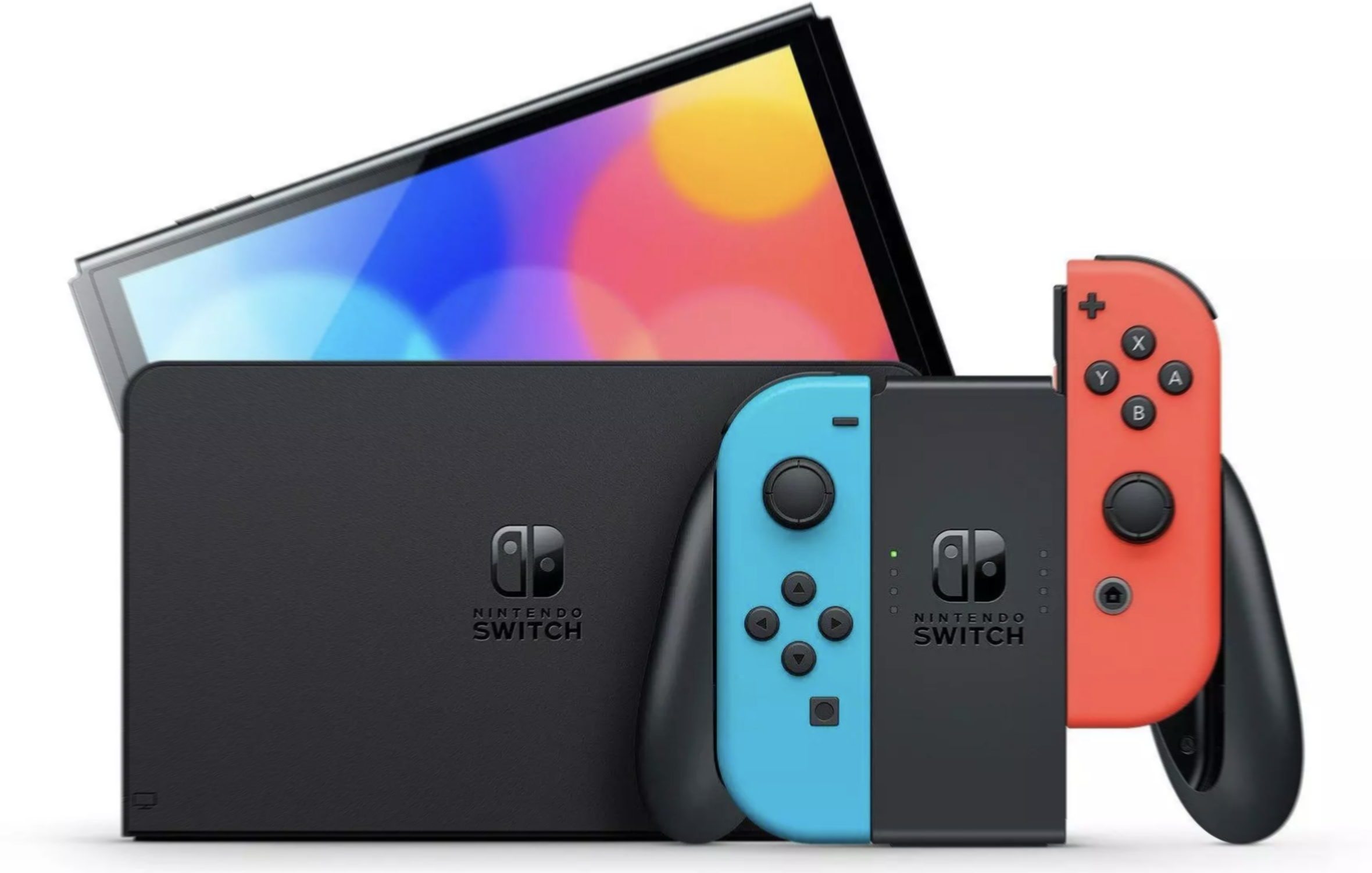
The original Nintendo Switch falls to its lowest position ever as far as this tiny list is concerned. This is mostly because Nintendo had something a little more pressing to focus on through 2025, but the Switch did get some pretty fabulous exclusives* (read: not on Playstation or Xbox consoles) this year, so the relatively strong performance of the other two major console platforms also plays a role.

The excellent Xenoblade Chronicles X Definitive Edition led the way as the best Nintendo-exclusive game without a bespoke Switch 2 version, but it was followed mighty closely – in both quality and release timing – by never-ending tactics/visual novel fever dream The Hundred Line: Last Defense Academy. The earlier Donkey Kong Country Returns HD faced some critical heat for its nip-and-tuck choices, but the older brother Switch had its biggest moment in the final third of the year, when perfectly fine versions of Hades II, Pokemon Legends Z-A, and Metroid Prime 4: Beyond graced the library of the elder statesman. A few notable indie productions picked the Switch as their sole console platform, too, such as the charming While Waiting and the excellent Simogo Legacy Collection, and that all added up to a pretty decent year – just not quite with the same standalone shine as in recent times.

CLICK HERE TO KEEP READING

The Joy of Games You Can Play “Wrong”

Way back in early 2011, the last big hitter of the DS generation hit store shelves. Pokemon Black / White Version kicked off what I would later recognise as the peak of the series, Generation Five. With zero older Pokemon to find during the main story, 150+ brand-new ones in their place, and months of prior research under my belt scouring grainy message board screenshots for every scrap of news from the Japanese release, I thought I was more than ready to tackle the main story with a predominantly Grass and Bug-type team. I liked a lot of the new Pokemon designs within those types, and I’d been playing Pokemon for over a decade already; I was ready for the challenge. What could go wrong?

Well, some things, as it turns out. Though the first two elegantly tutorial-leaning gyms of Pokemon White were easy enough to overcome with my deliberately tiny party (I was holding space for additions I couldn’t catch yet), the Bug-type master of the third gym halted me dead in my tracks. The already offensively-weak Servine at the head of my team, the frail gift monkey Panpour in the back, and the deliberately buff Patrat I had over-levelled just to annoy my friends in early battles had their attacks laughed off by a Grass/Bug ace ‘mon with defenses higher than anything in the game up to that point. One Fire or Flying type would have made it a breeze, but I persisted with the team I had chosen despite multiple failures and the bubbling anxiety of falling behind my friends’ story progress.

Thanks to a strategy heavily reliant on stat drops and confusion gambles, I eventually made it through. I would go on to relent a bit in my team-building philosophy, balancing types out just a bit more than I had planned, but like any main-series Pokemon game, White didn’t stop me from making bad synergy decisions. And that’s probably why I was just as excited to play through the game as I was Diamond, or Leaf Green, or Ruby, or Silver before it. The main series Pokemon games, well, they let you play them wrong.

Now the title of this rather quickfire post is technically a little disingenuous, as I don’t personally believe it’s even possible to play a videogame “wrong”; speed-running and challenge runs exist after all (as do mods, of course, but that’s a completely different topic), and regardless I believe the vast majority of the time however you enjoy playing a game, that’s the way you should play it. What you definitely can do, however, is play a game inefficiently – and God knows I have spent plenty of time doing that over the years. Some games fight you when you try, but I prefer the ones that give you just enough room to be an idiot.

Continue reading

The Switch 2 Launch Window is Over – Now What?

Or: Not Another Switch 2 Update Post! Yes, I’m Afraid So.

Indeed in this hardware-dominated gaming year January, April, and June each provided relevant, compelling reasons to talk about Nintendo’s newest headline magnet, and at the beginning of this month the Switch 2 officially passed its three-month anniversary on the market. Yes, we’ve already lived through an entire financial quarter with this thing, and more besides. All the games dated in the big April Nintendo Direct have been released, more have been announced and/or given dates, the calendar for the rest of the year is set, and we have a pretty good feel for the current strengths and weaknesses of the console.

I don’t really have much of a personal stake in extolling the pros or eviscerating the cons of the Switch 2 at the moment. As that mammoth June article covered, it’s a rather straightforward upgrade over the Switch 1, and almost all my friends who had the last console already own its successor. I am, however, morbidly curious about tracking the 2’s market presence against that famously back-against-the-wall version of Nintendo that pulled out all the stops way back in 2017, and maybe throwing in an update on some developments that weren’t exactly obvious on release weekend. Time to dive back in, then.

Who Wore It Better?
Switch Launch Year Face-Off

If there’s one thing the first Nintendo Switch was notorious for getting right, it was the pitch-perfect release schedule stretched across its now-legendary first year on the market. So naturally any close follower of the industry would be mighty excited to compare the first year of any would-be successor, as directly as possible. Naturally, he writes, as he squirms uncomfortably in his chair. So uh, yeah, let’s do that.

Continue reading

The Best & Worst of Pokémon: Generation IX

Games/Expansions
Pokémon Scarlet
Pokémon Violet
The Teal Mask
The Indigo Disk

Platform
Switch

Region
Paldea/Kitakami

New Pokemon
120

+7. The return of landmarks!

We kick off with a bit of a reactionary point as far as the chronology of the Pokemon series is concerned, but one I certainly keep close to my heart. When Pokemon Scarlet and Violet launched at the end of 2022, the series had gone almost a full decade without a game that seemed to care about populating its world with memorable cities and towns worth revisiting: Sun/Moon‘s commitment to a cohesive laid-back vibe significantly hobbled the “memorable” part; and Sword/Shield‘s fear of inconveniencing the player in any way ensured that “revisiting” wasn’t on any line of the game’s design document.

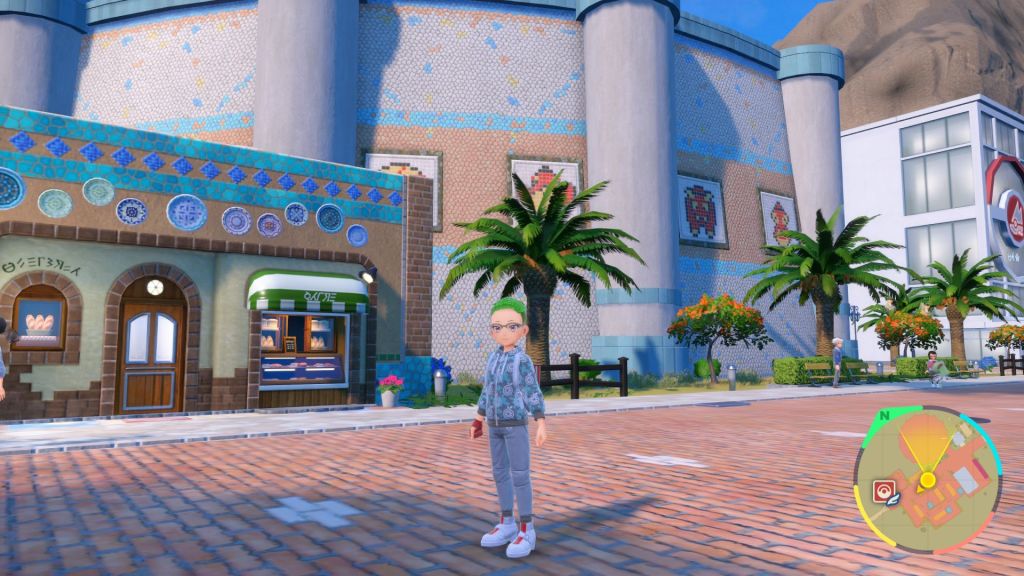
Happily, the ninth generation games ensure that the series’ second allegorical visit to mainland Europe is just as geographically fleshed-out as its first. Meaningfully different stock offerings in shops all across the map, important venues/NPCs with immovable homes, and town positioning along well-travelled paths ensure that despite the games’ fully open-ended structure, plenty of built-up map markers are worth a return or twenty. The distinct art design of each locale certainly helps; from the multi-levelled water features of Cascarrafa and kitsch futurism of Levincia to the bustling markets of Porto Marinada and Iberian tile art that lines Alfornada, the landmarks of the Paldea region tick all the boxes for me. But those are just the populated ones, which brings us to…

Continue reading

Very Quickly Breaking Down an Almost-E3 to Remember

Geoff Keighley, you son of a gun.

The actual 2025 Summer Game Fest show may not have been one for the history books, but something has clearly shifted around the event by now. Despite the largest console launch in gaming history just days earlier, and an ongoing reluctance from the big-boy publishers to allow their messaging to clash with that of their rivals, the light shining from Geoff’s would-be E3 replacement in 2025 was too irresistible to ignore for too many important names, and we ended up with an unusually dense June showcase season.

Because I only just put up a monster post for the Switch 2 launch, this annual show analysis will be much shorter, less formatted, and perhaps slightly more unhinged than usual, but I wasn’t going to miss doing one anyway.

The first of the big names to show themselves in that sweet early-June hype slot was – rather surprisingly – CD Projekt Red, who teamed up with Epic Games to release a mighty impressive State of Unreal demo for The Witcher 4 at this year’s Unreal Fest. The demo was so impressive, in fact, that the comparisons to that infamously overambitious E3 2012 Watch_Dogs trailer immediately came out in force among YouTube commenters. More like Un-Real, am I right?

All that said, despite the old-school E3 stage vibes of the presentation I am slightly more inclined to believe this crazy demo – which is purported to run at 60 frames per second on a base PS5 – is more likely to lead to something comparably playable than that fateful Ubisoft misdirect over a decade ago. Epic has already proven that Unreal Engine 5 can improve its capabilities and efficiency through the games releasing on it, and CD Projekt just proved with Cyberpunk 2077 on the Switch 2 what they are willing to do in the name of optimisation. Cautiously exciting stuff that started the season off with a bang.

“Live service games? What are those?” mused a pensive Playstation as they kicked off one of the best State of Play shows ever with the glorious return of Lumines. The company’s traditional tendency to ignore Summer Game Fest in nonchalant fashion and do their own thing now looks suspiciously like a multi-year plan to circle slowly around the June hype season until they can go before Xbox; I joke, of course, as not much about Playstation’s last five years screams “well-planned”, but if they bring the heat like this again we will be in for some good-old-days June appointment viewing.

The flavour of the 2025 State of Play could hardly be more different from that of last year, as even third-party online multiplayer game mentions were kept to a blatant minimum. The cheeky return of Pragmata set off my Capcom-streak alarm once again – the game is looking fabulously different from anything else in their current catalogue – and closing with an all-new Arc System Works Marvel fighter could not have shouted “hardcore traditional audience” any louder from the proverbial rooftops (announcing a new official Sony fight stick came close though). Elsewhere, the return of Suda51 via Romeo is a Deadman (a title that not-so-subtly pairs with the protagonist of Lollipop Chainsaw) will always be welcome in my house, it’s great to see the ongoing survival of the Bloodstained and Nioh series, support for Astro Bot remains stellar, and Final Fantasy Tactics LIVES! More of this please, Sony.

Continue reading

At Last, We Switch 2 a New Era

Nintendo’s eighth generation has begun. The previous one lasted a gargantuan 98 months and two days, and it was very very important to the fortunes of the company, but it has finally run its course, and now here we are at the end of the successor’s long maiden weekend. The Nintendo Switch 2 is in our hands, and tons of people around the world have begun to put it through its paces, proverbial microscope at the ready.

If you think I’m not one of those people, you must be new here. Welcome!

Party Platform

Over the last four days I have played the Nintendo Switch 2 at five different locations, in ten different groups of people, online, offline, on TVs, propped up on cafe tables, in bed and on public transport. No matter what conclusions you may draw from the rest of this rather large article, it remains worthwhile to mention that this is still Nintendo’s competitive advantage in 2025; they do wide-demographic multiplayer better than any other major platform holder, and they do it in a myriad of different ways. The Switch 2 is just as flexible and even more social than its trailblazing older brother, and just in case that conclusion gets lost in all the nerdy minutiae to come, it goes right up here at the top of the page.

Hardware? I Hardly Know Her

Now let’s get straight into the needlessly granular hardware observations and comparisons you all know and tolerate.

The Switch 2 is definitely a nice bit of kit out of the box, and the first thing I noticed is something I hadn’t heard any preview explicitly mention: the dominant colour of the machine. When assembled in handheld mode, this console presents a clean, unified visual that’s a far cry from the middling greys of the Switch 1’s short-lived launch joy-cons, which only made the thick black bezels of the 2017 model stand out even more. The Switch 2 may technically still be on the darker side of the grey spectrum if you want to be a giant nerd about it, but for all intents and purposes this handheld is black, and it looks good in it.

It’s also large, though the box in which it ships is somehow noticeably smaller than even the already-shrunken OLED box. The roughly 8-inch screen and significant power/battery jump up from the first Switch necessitate a wider frame, though the Switch 2 really doesn’t feel as big – or heavy – as it looks; that’s probably down to a remarkably thin breadth. No portable PC handheld I have tried – and I’ve tried a fair few – is even close to this narrow, and that helps with the weird illusion of lightness despite the screen size. It’s only when you look down its edges and notice how tiny all the buttons and compartments are – with the notable exception of the relatively giant lower air vents – that the size hits you again.

As for the screen itself, pros and cons are undeniably in play. All the pre-release hubbub about the Switch 2 lacking an OLED panel will almost certainly prove irrelevant to the vast majority of people, as the LCD technology Nintendo uses has come on in leaps and bounds in the last six years. The 1080p screen is much more comparable to the one on the Playstation Portal remote player this site dissected last year, both in size and vibrance. In the picture below, you can see some classic light bleed around the edges of the Switch Lite that isn’t there on the 2. However, it’s still undeniable in person that the Switch OLED (not to mention the AyaNeo Air handheld PC also covered in that 2024 article) runs rings around the launch Switch 2 as far as black levels, contrast and even brightness are concerned.

The biggest immediate difference from the Switch 1 beyond stature is the magnetic attachment mechanism behind the new joy-cons, and they do indeed jump on with a satisfying clap. The magnet on each edge is strong enough to feel like it takes over control once the “Joy-Con 2s” are inside the colour-coded divots, yet weak enough that you can’t, say, attach the two components from within their plastic bags right out of the box. At least in week 1, my Switch 2 isn’t showing any signs of loose or bendy joy-con connection; everything feels almost like one piece in handheld mode.

Continue reading

Making Sense of All This Nintendo Switch 2 Nonsense

It has barely been three days since the hour-long Nintendo Direct that blew the doors off the Nintendo Switch 2. But my word, does it feel like ten.

Indeed the moment has arrived: cats are finally out of bags; features and details have been divulged; long-held secrets have been spilled; we now know almost all of the important stuff about the Nintendo Switch 2. And just like when the Wii U made its full debut in mid-2012, or when “Switchmas” took the Internet by storm in very early 2017, my frantic compulsion to type up every errant thought on this site on minimal sleep and maximum coffee intake has peaked once again. I have watched the full Nintendo Switch 2 Direct through multiple times with and without reactions, read all the official documents and interviews, and taken in more analytical content than I care to admit.

But this post has not turned out to be as simple as a quick churn-out of thoughts. The original plan was to try and pump it out in a day, but then it was revealed that channels, sites and influencers had proper hands-on impressions ready to share on the same day that a bulky Nintendo Treehouse Live stream hit the internet, with another day of live streams to follow. On top of that, now there’s a wildfire of unexpectedly economics-flavoured chat going on throughout the internet since the cost of the new system came to light, with every 12 hours seemingly delivering a K-Drama-worthy twist.

So ultimately this article is a few days in the writing – during which Switch 2 preorders have already partially sold out here in Australia – but as a result it’s hopefully a bit more informed and carefully considered. It’s definitely a lot longer. After all, this kind of event just does not happen every day; it’s time to break down the tremendously exciting and extremely volatile promise of a brand-new Nintendo gaming generation.

The Brass Tacks

June 5th. That’s the date we will get our hands on the Nintendo Switch 2, for $699 Australian dollarydoos (called it). The new machine will arrive packing a 7.9 inch 1080p capacitive touch screen that as many feared will not be an OLED panel, but does support 120 frames per second output, High Dynamic Range at HDR10 spec and Variable Refresh Rate! All three of those bullet points are massive surprises roughly on the same shock level that the multi-touch screen, USB-C charging ports and region-free game support were back at the 2017 Switch reveal. Along with 3D audio, these are forward-looking hardware features from an often stubborn company, and the only thing more surprising than their inclusion is the fact Nintendo actually called attention to them (excepting the VRR thing) in the Switch 2 Direct.

120Hz VRR support is a massive deal in particular, as it makes 40FPS refresh rates look really smooth – and that is a much easier performance target than 60 for third-party developers to hit for their often-tricky Nintendo ports. And sure, HDR makes almost no difference without either an OLED display or some serious local dimming support, which is pretty rare on portable screens. But support is support, and that means docked play can finally take advantage of modern TV colour ranges. Speaking of which, the dock also has a freaking cooling fan and supports 4K output at up to 60FPS, but the cool kids know that the Switch OLED’s dock already did that; the Switch 1 just couldn’t take advantage. Some of the lighter Switch 2 games just might, however; oh hello, Metroid Prime 4: Beyond.

Nintendo’s battery life estimates are somewhat nostalgic: 2 – 6.5 hrs depending on the game, apparently, which sounds pretty similar to what the official channels said about the Switch 1 in 2017. The major difference this time around is that we have many more points of comparison in the handheld space these days, and we have seen handheld PCs of a similar power level struggle to reach even a solid hour of play while running the most demanding games. Not even Nvidia’s fabled tech wizardry can account for that much of a discrepancy, so it is perhaps worth tempering expectations for now concerning how well the heaviest games will run in portable mode.

They will, at least, load faster, because standard Micro SD cards will no longer suffice on Switch 2 – only the “Micro SD Express” standard expands the included 256gb of storage. In related good news, early reports of file sizes for Nintendo-exclusive games are promising; it appears whatever forbidden compression magic Ninty developers used in the Switch 1 era hasn’t lost its edge. As long as they stick mostly to exclusives, it appears even digital-only players won’t have to expand the Switch 2’s memory that often.

The Switch 2’s controllers are called “Joy-Con 2” officially – more Sony energy in the marketing there – and they lack any form of IR camera, but do support a mouse-like control mode capable of combining with improved gyro and more detailed HD rumble (which thankfully is not called 4K rumble) to provide your standard dose of Nintendo novelty. Every tangible input is larger, the magnets look strong, and the chance of that middle connector on the edges snapping off appears much less concerning than it did in that CG render three months ago.

Steve Bowling from GVG even said after his hands-on session that the Switch 2 “felt like a Switch Lite”, so solid is the connection from controller to console; high praise indeed. Tech specialist YouTuber Marques Brownlee also made note that an accidental press of the release buttons doesn’t fully remove the new joy-cons because the magnets are too strong; you have to fully press them down. Ergonomics improvements also seem positive across the board, although I still doubt my AyaNeo 1S will be seriously challenged as the most comfortable handheld in my backpack.

There’s a new Pro Controller too, which has been tweaked for ergonomics (and, apparently, heft) and packs an honest-to-goodness headphone jack alongside two programmable back-buttons – so we’re basically talking about an official controller that does what third-party pads have done for years. I get distinct Xbox-One-to-Xbox-Series vibes from both the official and hands-on descriptions of this thing – i.e. lots of small design changes that aren’t immediately noticeable – and I wrote way too much about that at the end of 2020 so I can’t wait to get my own hands on it and compare. Sadly this will be another generation without analogue triggers, but I do still hold out hope the D-pad has had a tightened redesign. In any case, all Switch 1 joy-cons and pro controllers thankfully will work on Switch 2, likely with some game-by-game restrictions.

Continue reading