Posts Tagged ‘videogames’

The Joy of Games You Can Play “Wrong”

Way back in early 2011, the last big hitter of the DS generation hit store shelves. Pokemon Black / White Version kicked off what I would later recognise as the peak of the series, Generation Five. With zero older Pokemon to find during the main story, 150+ brand-new ones in their place, and months of prior research under my belt scouring grainy message board screenshots for every scrap of news from the Japanese release, I thought I was more than ready to tackle the main story with a predominantly Grass and Bug-type team. I liked a lot of the new Pokemon designs within those types, and I’d been playing Pokemon for over a decade already; I was ready for the challenge. What could go wrong?

Well, some things, as it turns out. Though the first two elegantly tutorial-leaning gyms of Pokemon White were easy enough to overcome with my deliberately tiny party (I was holding space for additions I couldn’t catch yet), the Bug-type master of the third gym halted me dead in my tracks. The already offensively-weak Servine at the head of my team, the frail gift monkey Panpour in the back, and the deliberately buff Patrat I had over-levelled just to annoy my friends in early battles had their attacks laughed off by a Grass/Bug ace ‘mon with defenses higher than anything in the game up to that point. One Fire or Flying type would have made it a breeze, but I persisted with the team I had chosen despite multiple failures and the bubbling anxiety of falling behind my friends’ story progress.

Thanks to a strategy heavily reliant on stat drops and confusion gambles, I eventually made it through. I would go on to relent a bit in my team-building philosophy, balancing types out just a bit more than I had planned, but like any main-series Pokemon game, White didn’t stop me from making bad synergy decisions. And that’s probably why I was just as excited to play through the game as I was Diamond, or Leaf Green, or Ruby, or Silver before it. The main series Pokemon games, well, they let you play them wrong.

Now the title of this rather quickfire post is technically a little disingenuous, as I don’t personally believe it’s even possible to play a videogame “wrong”; speed-running and challenge runs exist after all (as do mods, of course, but that’s a completely different topic), and regardless I believe the vast majority of the time however you enjoy playing a game, that’s the way you should play it. What you definitely can do, however, is play a game inefficiently – and God knows I have spent plenty of time doing that over the years. Some games fight you when you try, but I prefer the ones that give you just enough room to be an idiot.

Continue reading

The Best & Worst of Pokémon: Generation IX

Games/Expansions
Pokémon Scarlet
Pokémon Violet
The Teal Mask
The Indigo Disk

Platform
Switch

Region
Paldea/Kitakami

New Pokemon
120

+7. The return of landmarks!

We kick off with a bit of a reactionary point as far as the chronology of the Pokemon series is concerned, but one I certainly keep close to my heart. When Pokemon Scarlet and Violet launched at the end of 2022, the series had gone almost a full decade without a game that seemed to care about populating its world with memorable cities and towns worth revisiting: Sun/Moon‘s commitment to a cohesive laid-back vibe significantly hobbled the “memorable” part; and Sword/Shield‘s fear of inconveniencing the player in any way ensured that “revisiting” wasn’t on any line of the game’s design document.

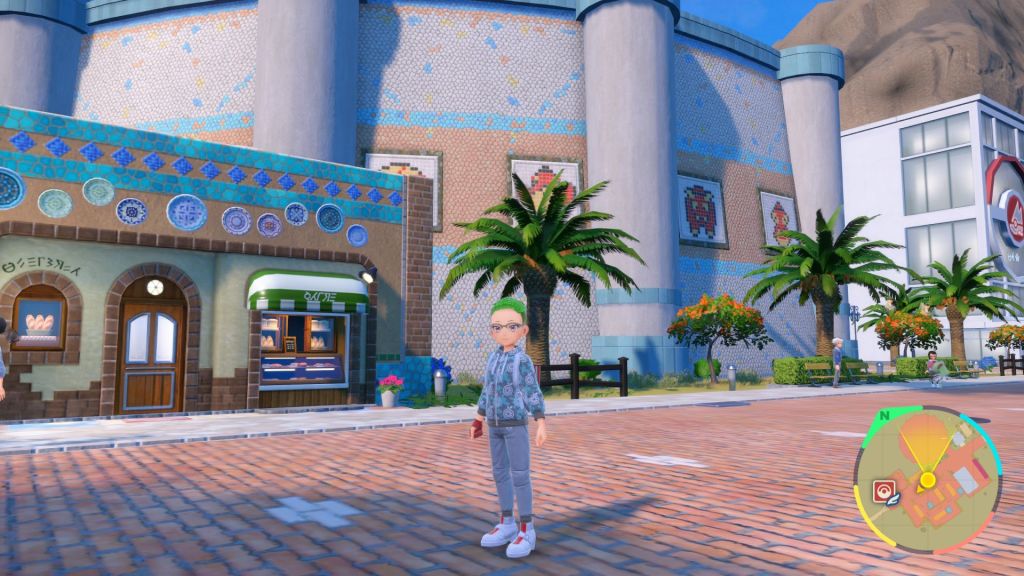
Happily, the ninth generation games ensure that the series’ second allegorical visit to mainland Europe is just as geographically fleshed-out as its first. Meaningfully different stock offerings in shops all across the map, important venues/NPCs with immovable homes, and town positioning along well-travelled paths ensure that despite the games’ fully open-ended structure, plenty of built-up map markers are worth a return or twenty. The distinct art design of each locale certainly helps; from the multi-levelled water features of Cascarrafa and kitsch futurism of Levincia to the bustling markets of Porto Marinada and Iberian tile art that lines Alfornada, the landmarks of the Paldea region tick all the boxes for me. But those are just the populated ones, which brings us to…

Continue reading

Best of 2023: Top 15 Games

There hasn’t been a “bad” year for new-release videogames in recent memory, and so many of the darn things are coming out all the time always that it’s hard to see a dud on the horizon as long as civilisation remains intact. And yet, maybe two or three times a decade it still feels like the major hype-magnets clump up together and conspire to form a mega Voltron of a year worth writing into the gaming history books as a truly “great” year for videogames. 2023 was unquestionably one of those, but the plaudits needn’t stop there.

Unfortunately 2023 may have been one of the worst years in history for games industry layoffs, but it was without a shadow of a doubt the best year for game releases since at least 2017.

In my opinion, it was the best of all time.

Throughout the whole year, it felt like every week brought a new game pushing above 85 on Open/Metacritic. Playing Fantasy Critic with friends was an absolute nightmare as hits kept coming from all directions. The pre-release hype-to-quality ratio over the whole year was higher than any I can remember. For the first time ever, all fifteen of the games on my list this year were nominated for at least one category at The Game Awards – and eleven of them were winners.

We’ve already covered the sheer strength of the DLC expansions in 2023, many of which can stand head and shoulders above most full games released in the last few years. But 2023 also gave us quality potential rabbit holes just waiting to ensnare, like Wild Hearts, Diablo IV, Avatar: Frontiers of Pandora, Like a Dragon: Ishin, Hogwarts Legacy, and Dead Island 2; some of the best “souls-likes” ever in the form of Wo Long: Fallen Dynasty, Lies of P, and the reborn Lords of the Fallen; huge online multiplayer offerings like Counter-Strike 2, Remnant II, and The Finals; and great signs for families without Nintendo consoles thanks to Sonic Superstars, Lego 2K Drive and Party Animals. 2023 was also the year that Fortnite completed its fascinating metamorphosis from a game into a game launcher.

The year also brought a deluge of small-budget standouts like Venba, The Talos Principle 2, Jusant, The Cosmic Wheel Sisterhood, Darkest Dungeon II, Tchia, Humanity, Blasphemous 2, and A Space for the Unbound, each of which mopped up critical praise like it was going out of style, and none of which deserved to come out in a year this stacked with quality big-budget fare. Of the fifteen games on my list, just two are what I would classify as indie games – and this appals me.

Five hours of playtime is the minimum requirement for list eligibility (unless the game is shorter, has no perceivable end, or is primarily multiplayer in nature), and that sadly disqualifies Fire Emblem Engage, Mortal Kombat 1, Cassette Beasts, Dragon Quest Monsters: The Dark Prince, Wargroove 2, Planet of Lana, Persona 5 Tactica, Pizza Tower, and most upsettingly Oxenfree II: Lost Signals, despite the fact I was having fun with all of them before outside factors (usually other games) interrupted me. Also, I’ll be dead-honest, I have no idea how to classify Theatrhythm: Final Bar Line, but it’s amazing and you should play it if you’re even a little into Square Enix RPG soundtracks.

With that extremely long introduction out of the way, it’s time for my wordiest Game of the Year list ever, so strap in (parentheses indicate where I played each game):

-◊-◊-◊-◊-

VR BEST OF 2023 DISCLAIMER

This list represents my opinion only. I am not asserting any kind of superiority or self-importance by presenting it as I have. My opinion is not fact. If you agree with me 100%, go buy a lottery ticket. Respectful disagreement is most welcome.

-◊-◊-◊-◊-

15. Street Fighter VI (XSX)

Capcom’s absurd hot-streak of great new videogames is now long enough that the chatter around them centres less around whether a new release will actually be good and more about what will be the first game to break it. And yes, we’ve talked about Exoprimal already, but I maintain that the game is a ton of fun to play, not to mention technically rock-solid, and is just hamstrung by some baffling online multiplayer restrictions. You know what Capcom game doesn’t need a bunch of asterisks when you talk about how good it is? Street Fighter VI.

History is littered with examples of videogame sequels that take the wrong lessons from poorly-received predecessors and over-correct, but the extraordinarily meaty single-player offering that the sixth main SF has to offer is no mere apology for the bare-bones Street Fighter V; it is yet another shrewd utilisation of perhaps gaming’s most impressive publisher-internal game engine. Running around the full 3D environments of Metro City feels so natural you’d swear you were playing a different game at moments during the World Tour campaign.

But even if you don’t want to engage with any of that, Street Fighter VI boasts one of the most in-depth and impressive tutorials I’ve seen in a fighting game; it wants you to feel like you could rise up the ranks and become a genuinely good player, and it works. On top of all of that goodness is the best presentation in SF’s three-dimensional history, bringing together fantastic character art with fluid personality-packed animations, ribbons of colourful paint effects to highlight the benefits of the new Drive System, and a fresh level of commitment to Street Fighter’s, um, fighting on a street aesthetic that enlivens everything else around it.

14. Cocoon (PC/XSS)

Leave it to a bunch of ex-Limbo/Inside developers to make you feel like a genius again and again, even though all you did was follow their brilliantly gentle guidance through visual context clues and a you’re-getting-warmer musical feedback system that works like if the classic Zelda puzzle chime took a month off to study music theory at the most zen retreat ever. Cocoon‘s central premise sounds like it would either break immediately or become untenably complex as soon as you tried to take it beyond its first iteration, but Geometric Interactive turns a wordless adventure where you pick up entire worlds and use them to activate mechanical switches into a taut masterpiece that makes a five-hour run feel like an epic odyssey through cosmic possibilities beyond humanity’s wildest dreams.

Each moment the weird cicada alien thing at your fingertips leaps beyond the boundaries of yet another world to reveal an even bigger one is worth the time Cocoon took to develop all on its own. The bosses are extraordinarily fun to take on with little more than a single contextual gimmick and your wits. The secrets are rewarding and seamlessly integrated into the world(s) around them. The puzzles in the final third of the game are deviously tricky. The minimalist animation work is outstanding. The alternately booming and almost non-existent electronic score is a vibe and a half. Long may Geometric continue on their new development path, because on this form I would eat their next game on day one.

CLICK HERE TO KEEP READING

The Best & Worst of Pokémon: Generation VIII

Games/Expansions
Pokémon Sword
Pokémon Shield
The Isle of Armor
The Crown Tundra

Platform
Switch

Region
Galar

New Pokemon
89

+7. Into the slipstream

If you had to summarise the entire legacy – the highs and the lows – of the main eighth generation Pokemon games in just one word, “streamlined” would be pretty close to bang-on. Just about everything Pokemon Sword and Pokemon Shield did for the series seemed hell-bent on trimming fat, tucking in corners and straightening out paths. This post will come back to this theme repeatedly, but we start with all the miscellaneous quality of life improvements that make going back to older generation games just a little bit tougher after playing Sword or Shield.

The headlining improvement in this area was surely the ability to access the player’s boxes from almost anywhere in the game world, swapping a Pokemon out from storage into the party with a couple of button presses on the clean new user interface. A one-button save shortcut, the entirely fresh autosave option, non-intrusive activities to allow boxed Pokemon to grow (goodbye Festival Plaza and good riddance), combining the Affection and Friendship stats into one mechanic, wild Pokemon models visible in the overworld (a welcome feature brought over from the Let’s Go spin-offs), a proper audio balance menu, bikes that can surf, and the consolidation of several useful features traditionally locked to specific cities into the most useful Pokemon Centers in history all add up to a smoother moment-to-moment experience than ever before.

Continue reading

Best of 2019: Top 15 Games

Your mileage may vary on 2019’s strength as a videogame year. As I daresay my consoles list would suggest, that mileage will probably depend on whether you have a Nintendo Switch, but not just because that console enjoyed more exclusive new releases than any other this year. Much like the improved Xbox Game Pass, the Switch offered a raft of opportunities for time-poor players to enjoy older games in a new form. This definitely contributed at times to a feeling that I was helplessly drowning in stuff to play, but I do have friends who look back on 2019 with more laid-back attitudes and shrug. It wouldn’t have helped that the heavy-hitting North Americans largely sat 2019 out, taking up only two slots on my list; this was a year utterly dominated by Japanese and European developers, after all, with a strong line-up of perfectly toasted indie treats along for the ride.

To help me cut down this list to a usable 15, I always use the same rule: A game can make it on if I played it for 5+ hours or finished it (whichever comes first), unless it’s a multiplayer-focused game; then I just need to have played it once. I feel like this has always served me well as an indicator that I’ve given a title a fair shake, but it once again disqualifies a bunch of fantastic games that make me wince just typing them out: Luigi’s Mansion 3, Man of Medan, The Outer Worlds, Devil May Cry 5, Baba is You, Gears 5, Star Wars: Jedi Fallen Order. If you don’t see a game either on the main list or in this paragraph, you can safely assume I just did not rate it highly enough or lacked the interest / awareness to try it.

Parentheses indicate where I played each game.

.
-◊-◊-◊-◊-

VR BEST OF 2019 DISCLAIMER

This list represents my opinion only. I am not asserting any kind of superiority or self-importance by presenting it as I have. My opinion is not fact. To agree with me 100% is rarer than an EA game without microtransactions. Respectful disagreement is most welcome.

-◊-◊-◊-◊-

.

.

15. Rage 2 (XBO/PC)

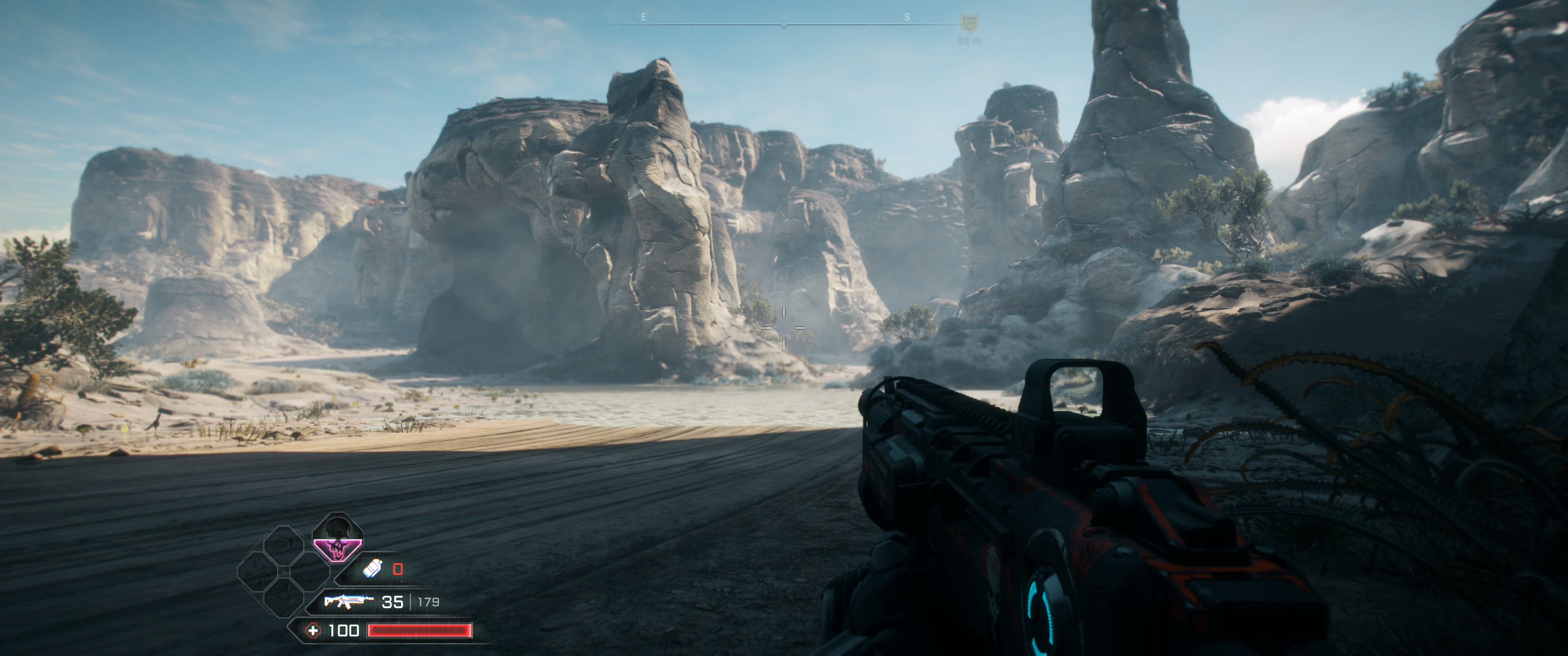
2019 was positively laced with games that one might call 7/10 experiences; titles that do plenty right but have a noticeable permeating flaw or simply don’t do much to distinguish themselves (see the honorable mentions for a few examples). Many count Rage 2 among these, but I feel like it’s got plenty enough going for it to carve out a unique voice. The environments – especially outdoors – are absolutely stunning at times, thanks to Avalanche’s gorgeous Apex Engine; the popping colours in the most intense firefights are instantly identifiable to this game; and the gunplay is well fitting of Doom developers Id Software. Rage 2 was knocked by critics and audiences for repetitive open world design, but I often feel like modern criticism is too quick to undercut the importance of well-designed movement flow. Actually playing Rage 2 feels amazing moment-to-moment, gun-to-car, which is the main reason it makes my GOTY list in 2019.

Continue reading

The Best & Worst of Pokémon: Generation VII

Games
Pokémon Sun
Pokémon Moon
Pokémon Ultra Sun
Pokémon Ultra Moon

Platform
3DS

Region
Alola

New Pokemon
86

+7. It’s the simple things

I’m starting this one with a catch-all cheat for the first time since my Gen IV post because the seventh generation Pokemon games rolled in at the end of the series’ 20th anniversary year with a swag of smaller changes that truly gave the traditional Pokemon flow a boost in playability. Some of them were flavour-leaning, such as the huge list of Pokemon who suddenly learned new (usually really cool and/or signature) moves on whatever level at which they happened to evolve, the long-absent return of music tracks specific to the time of day in-game, or the (once again) greatly appreciated minor stat boosts bequeathed upon a couple of dozen older Pokemon to bring them more in line with their designs (e.g a bit more Special Attack for Noctowl, much more durability overall for Corsola and the celestial rock twins).

Other, more immediate changes came under the “quality of life” banner, and they were received with open arms by the community at large. The headliner for long-suffering competitive players was the IV Judge feature no longer requiring a visit to a particular NPC to access, nor an intimate knowledge of six specific phrases. Simply open your in-game PC after a certain point in the game, tap an icon on the summary page of your intended Pokemon, and there’s a graph of all six of it’s hidden Individual Values. Laughably easy. In addition, each time you caught a Pokemon in the wild you now had the option to add it to your party right then and there, rather than send it to a PC box. The bottom screen of the 3DS also started pulling more of its weight this generation, displaying new information such as all combatants’ current stat boosts/drops, not to mention the predicted effectiveness of a move on an opposing Pokemon as long as said ‘mon had been encountered before. Someone at Game Freak was paying attention.

Continue reading

Happy Fifth Birthday Wii U- Oh, OK Then

Wow, what a nifty device!

Ranking my favourite games on a Nintendo console right around some major multiple-of-five anniversary has been one of the most consistent things I’ve been able to do on this blog, not to mention one of my favourite kinds of post to write. But never before have I been able to so comprehensively make one such list on the first possible milestone. The Wii U is well and truly done and has been for months, but here we are on its five-year anniversary of release in Australia on November 30th, 2012, and I’m already able to count down my ten favourite games on the thing.

I believe it is Animal Crossing: New Leaf that features a reference within Nintendo’s own studio system to the Wii U’s failure. If you obtain a Wii U console in-game and approach it while it’s on display, you get the pithy message “Great artists aren’t always appreciated in their own time.” It’s a chuckle-worthy bit of self-deprecating humour, but it does contain a grain of truth. Due to its terrible opening 18 months, where a combination of hubris, awful all-around marketing and general industry panic resulted in a more-or-less sealed fate, the Wii U’s “time” was short and unimpressive to the masses. Luckily for the few people who did own one, however, not only did the Wii U boast the widest range of first party Virtual Console titles in the retro gaming service’s history and a pretty wonderful social media environment in the form of Miiverse, but when Nintendo’s back was to the wall, the company sure produced some amazing games. These are my absolute favourites.

Just a quick warning: I cheat on this list. Three times. Without regrets. It’s technically a top 13…

.

10. NES Remix (1&2)

Right off the bat we start with two games in one entry, but here’s a sobering thought: NES Remix is the only Wii U-exclusive game to see a sequel on the same console. That’s not why they share a position on this list though – That’d be because they are essentially two halves of one package that come with a combined price tag a fraction of what a full retail release costs. The NES Remix twins represent some of the most fun you can have with a group of friends on the Wii U – and without a strict player number cap to boot. Despite an ostensibly single-player presentation, you can lose lives so quickly in these games that they almost beg to be played in a pass-the-controller group setup. That’s almost exclusively how I played it, at least. Chopping up absolute classics with nonetheless dated mechanics and throwing them into a blender with other, perhaps less stellar 1980s games is a surprisingly effective recipe for uproarious chaos, and I really hope we haven’t seen the end of this mini-franchise.
.

9. Nintendo Land / Game & Wario

At first glance, this is a devious rule break, but there’s method to the madness. For as long as these two games have been out in the marketplace (so most of the Wii U’s lifespan), I have maintained that if you splice half of Nintendo Land and half of Game & Wario together to make one five-player party game, you get one of the very best and most unique experiences on the Wii U. Though Nintendo Land gets no shortage of hate for its poorly-received launch game status – and Game & Wario tends to get forgotten entirely – there are some genuine gems to be found across these two wacky titles. The Luigi’s Mansion-inspired ghost game in Nintendo Land was played more times in my house than most other entire games, such is its unironically ingenius 4-vs-1 multiplayer slant, and you can say something similar about Game & Wario‘s Fruit – which pits a room of watchful bystanders against one nervous player trying to blend in amongst a screen full of AI characters. Taking into account the Mario and Animal Crossing themed attractions from the former game and the Pictionary-lite mode / insane ring-toss variation from the latter, it really baffles me why Nintendo never officially paired the two collections in some capacity. No first-party release after these two showcased the one-of-a-kind potential that the Wii U’s control setup could offer.  
.

8. Tokyo Mirage Sessions #FE

Persona. It’s a word that will make almost any JPRG fan sit up and take notice, and it absolutely should have been found somewhere in the rather confusing title of Tokyo Mirage Sessions #FE. Despite a premature announcement trailer that hyped up a bona fide Fire Emblem crossover with Atlus’ Shin Megami Tensei series, the gameplay loop and visual style of this buried gem has much more in common with the storied SMT sub-series Persona, which has only recently broken into the wider gaming consciousness this year. Though it was spoken of within gaming circles as the game to play if you just couldn’t wait for Persona 5 on the PS4, it turns out that Tokyo Mirage Sessions #FE is no mere entree, and despite sharing much of the same structural Persona DNA it has plenty of worthwhile appeal all its own. In fact it is just as effective when played after Persona 5 is over, because its manically optimistic energy seems like the perfect antidote to the melancholy that the 100-hour PS4 epic can exhibit at times. Though Tokyo Mirage Sessions leans into its J-pop industry aesthetic so emphatically that it is bound to put some people off, it has plenty of critical things to say and just as importantly, the battle system, upgrade paths and character arcs are extremely satisfying. And the in-game menus are laced with neon lime green, which is a hearty bonus.

Continue reading

Best of 2016: Top 15 Games

15354137_10155796102034848_920506471_o

Now for the home stretch.

2016 was ultimately a much better year for videogames than it might currently feel like it was. No really, I mean it. Some of the latter-year triple-A releases may have failed to hit the mark with large enough audiences, and the pacing of the videogame release schedule in general was super weird (What on earth happened to the trend set over the last couple of years that June/July/August can be a smart period to release games? Why was Ubisoft the only company releasing anything big in the first three months of the year?). Yet when you look at a list of all the titles that hit over this bizarre 12-month period, there’s a hell of a lot of quality there. The indie and JRPG scenes in particular had phenomenonal 2016s, multiple games with years upon years of hype delivered on at least some of it, and there were plenty of surprising hits that came seemingly out of nowhere. Welcome to this countdown of my favourite 15 videogames of 2016.

The letters in parentheses after each title indicates where I played that game.

.
-◊-◊-◊-◊-
VR BEST OF 2016 DISCLAIMER
This list represents my opinion only. I am not asserting any kind of superiority or self-importance by presenting it as I have. My opinion is not fact. If you actually agree with me 100%, that’s strange. Fun, but strange. Respectful disagreement is very welcome.
-◊-◊-◊-◊-

.

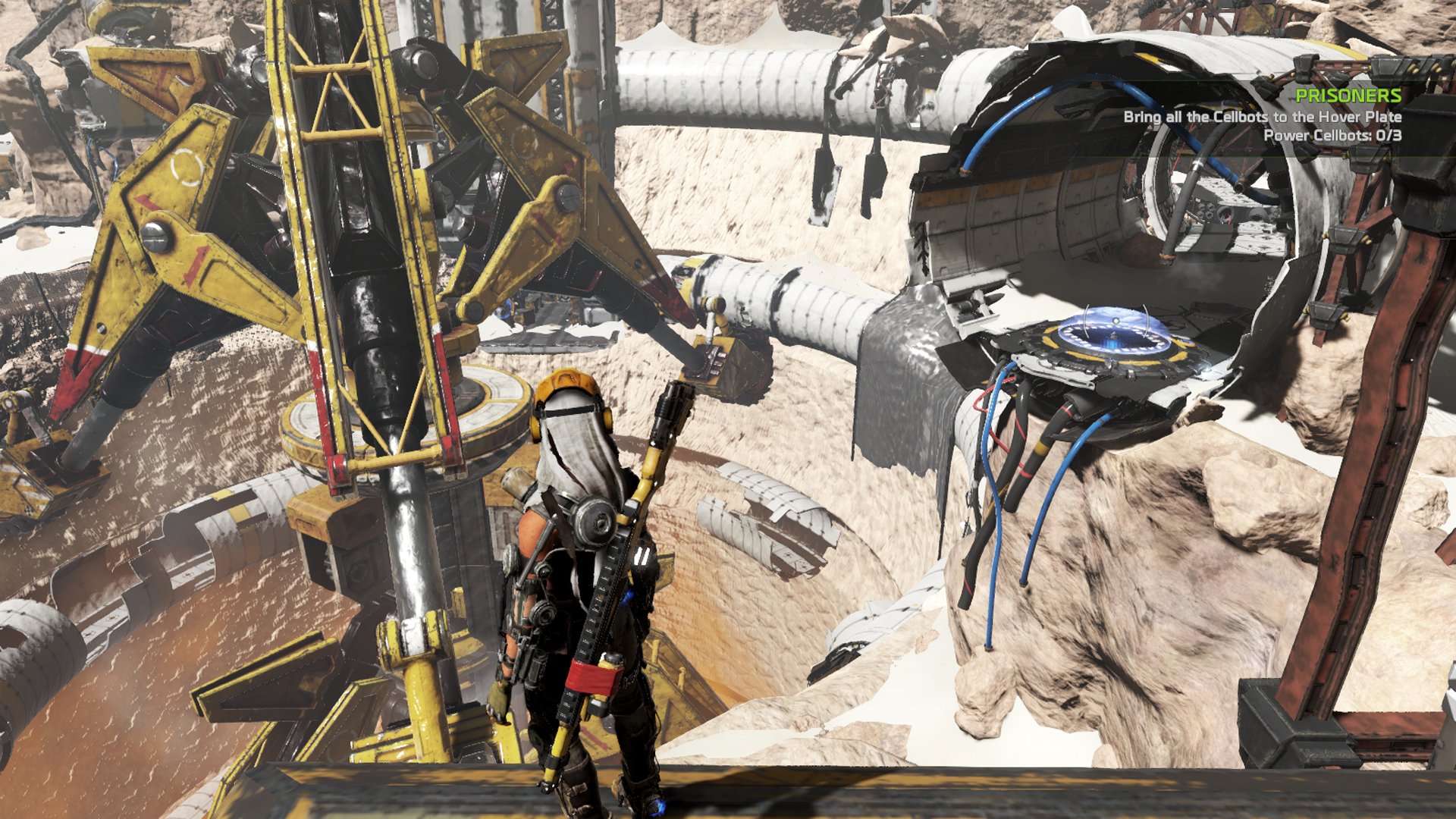
15. ReCore (XBO)

15-10-2016_10-55-34_pm

At the start of the year I might have expected I’d soon play a 2016 game with 3D platformer collect-a-thon roots, but never would I have thought I’d find it inside that Xbox-exclusive Keiji Inafune/Armature game announced at last year’s E3. It turns out that ReCore is more of a platformer at heart than any retail 3D action game released this decade, and its airborne control mechanics feel wonderful. It also packs a massive world that encourages exploration and plenty of colour-coded shooting boss battles that aren’t afraid to get difficult, with customisable robots thrown in for good measure. Some confusingly restrictive systems and a lack of environmental variety may weigh it down as it plods through its latter stages, but ReCore is still one of the year’s most pleasant surprises for me.

Continue reading

Best of 2015: Top 15 Games

12271372_10154545164654848_1304419480_o

I just couldn’t do it.

There was just no way that this year, with the incredible quality – and indeed quantity – of videogame releases throughout 2015, I could possibly restrict this annual list of mine to a mere top ten. So I cut one of my earlier lists down to a top five – particular as I am about these sorts of things – and expanded this baby.

Not only is this the 2015 list that took me the longest to write, it’s also the one that took me the longest to order. I’ve gone through dozens of rearrangements of this one – especially in the top four – and though I’m happy with how it reflects the past year, what is on this page to some extent only indicates how I feel about things right now – ask me again in a week and it may have shuffled around.

The platform on which I played each game on this list appears in parentheses. A game only qualifies for my list if I either a) finished its “main story”, or b) played at least five hours of it – whichever came first. I restrict myself this way to ensure I’ve given a game a fair go, though the rule does disqualify a number of games in which I dabbled, such as Kirby & The Rainbow Paintbrush, Rise of the Tomb Raider, Code Name S.T.E.A.M, Just Cause 3 and Mario & Luigi: Paper Jam, all of which probably would have made the list had they not come out at really awkward times for me personally. Additionally, remasters and remakes don’t count this year, because, well, you’ll have to see.

Without further ado, let’s reminisce about the embarrassment of riches to which gamers were treated this year:

.
-◊-◊-◊-◊-
VR BEST OF 2015 DISCLAIMER
This list represents my opinion only. I am not asserting any kind of superiority or self-importance by presenting it as I have. My opinion is not fact. If you actually agree with me 100%, that’s weird. Cool, but definitely weird. Respectful disagreement is most welcome.
-◊-◊-◊-◊-

.

15. Batman: Arkham Knight (PS4)

The fact that I finished the main story of Batman: Arkham Knight is the greatest compliment I can pay the game. The weekend that I lost to the caped crusader initially involved other plans, and those plans promptly dissolved once I began to lose myself in Rocksteady’s incredibly good-looking open world vision of Gotham City, not to mention its intensely personal story of a mentally deteriorating Bruce Wayne. I even liked the Bat-tank stuff – for a few hours at least. After a while the game’s over-reliance on the tank sections did wear me down enough to keep Arkham Knight out of my top ten, but I couldn’t leave it off the list altogether, because despite its flaws the final chapter of Rocksteady’s Arkham trilogy is a quality package.

Continue reading

The Best & Worst of Pokémon: Generation VI

Games
Pokémon X
Pokémon Y

Platform
3DS

Region
Kalos

New Pokemon
72
.

+7. Sweet divergence

The mantra of the development team behind Pokémon X and Y was simple: Bring back lapsed Pokémon players from different generations by capitalising on the headline that the Gen VI pair would be the first Pokémon games to be rendered in full polygonal 3D. To maximise this, an intimidating number of new Pokémon was not necessary – instead the developers decided to give special attention to older generation Pokémon wherever possible, while introducing fresh ‘mons at a nice steady rate. And they started to put this design decision into action very early on in the story. On the first long grass route in the game, you can catch an astonishing six different Pokémon, both old and new, and by the time you hit the first Gym, that number has almost tripled. While this may seem unremarkable to some, it means that Gen VI achieves the exact opposite of the problematic situation I outlined in my Gen IV post – odds are your team will be different from those of your friends in the early game. Ergo, early multiplayer encounters are exciting. And that is a titanic plus in my book.

Continue reading