Posts Tagged ‘pc’

Best of 2024: Top 15 Games

Look, I know I tripped over myself to emphasise repeatedly just how good 2023 was as a videogame release year, and I stand by that; it really was an all-timer. However, while that year had a real “something for everyone” vibe going on amongst its treasure trove of big-budget heavy-hitters with huge review scores, 2024 was arguably just as good if viewed through a narrower genre lens. If you’re a fan of RPGs – especially if you partake in the Japanese variety – the sheer onslaught of quality that hurtled past you this year was every bit as crazy as in 2023; maybe even more so. The more mainstream western genres did show up by the end, thanks largely to a resurgent Microsoft/Ubisoft double act (which was nonetheless blunted by the late delays of Avowed and Assassin’s Creed Shadows respectively) and a very important EA release, but the weebs of the world will likely remember this one for a long, long time.

I must also give a shout-out to the general cadence of the releases this year: I wasn’t truly overwhelmed by the volume of releases on my personal hype list at any point throughout the year, but from mid-January to yesterday, I was always playing something good.

Of the fifteen games that make the 2024 list, only a third were developed by Western studios, and only one of those is American. That latter stat may be an all-time low for this website, but not simply due to the Japanese gaming heartland’s banner year: China and Korea also took larger chunks out of my playtime pie chart than ever before, and I certainly wasn’t alone in that experience. We’ve also got two “reimaginings” on the list – otherwise known as re-releases too ambitious for last week’s countdown – and one of the longest honourable mentions sections ever.

What we don’t have, unfortunately, is Dragon’s Dogma II, Dragon Age: The Veilguard, Dragon Ball Sparking! Zero (a few dragons going about this year), Another Crab’s Treasure, Visions of Mana, Warhammer: Space Marine II, Indiana Jones and the Great Circle, Lorelai and the Laser Eyes, Tekken 8, Call of Duty: Black Ops 6, UFO 50, Super Monkey Ball: Banana Rumble, Star Wars Outlaws, Marvel Rivals, Banishers: Ghosts of New Eden, The Plucky Squire, Metal Slug Tactics, GranBlue Fantasy: Relink, 1000xRESIST, or Mario & Luigi: Brothership. All of these games were either on my wishlist, briefly owned, or even started by me throughout the year, but fell victim to the relentless passage of time, soft reviews, and/or the always-rolling videogame release calendar, preventing me from reaching the five-hour playtime threshold I use to determine eligible games. There’s also no Palworld or Hades II, because we’re still miles away from a year with a dry enough schedule to convince me to break my personal rule against games with some form of “early access” tag.

-◊-◊-◊-◊-

VR BEST OF 2024 DISCLAIMER

This list represents my opinion only. I am not asserting any kind of superiority or self-importance by presenting it as I have. My opinion is not fact. Nobody ever agrees with me 100%. Respectful disagreement is most welcome.

-◊-◊-◊-◊-

15. Another Code: Recollection (NS)
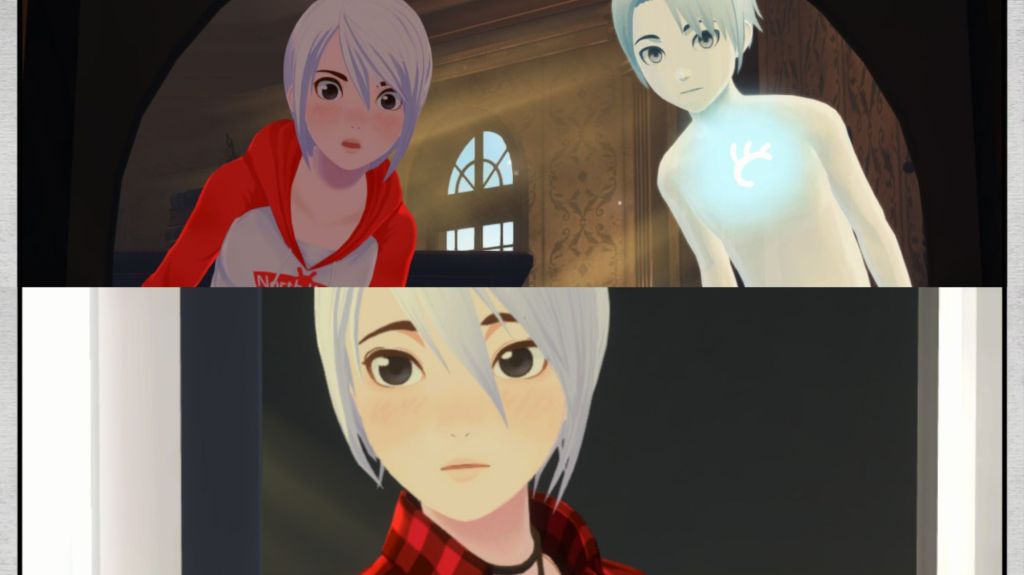
Released at precisely the wrong time for a whole community of Nintendo fans reeling from the news there’d be no Switch successor till 2025, Another Code: Recollection was largely dismissed when it squeaked out at the very beginning of 2024. You could argue a slow-paced double-bill adventure game throwback was hardly going to set the charts on fire anyway, but I think it was still rather unlucky, because the striking comic-panel art direction that drives the ground-up reimagining of 2005’s Another Code: Two Memories handily reinvigorates a DS cult classic two decades on, leaving many obtuse quirks behind to ensure the game’s devotion to both atmospheric puzzle-solving and unsettling mystery help it stand out from its fellow Switch exclusives.

The move from snappy stylus controls and once-unprecedented kitchen sink gimmickry to proper third-person 3D exploration and fully-voiced cutscenes means puzzles have been changed and/or completely removed, the time between brain-teasers is noticeably longer, physical layouts have been shaken up, and some of the creepier touches have been sanded down. But the more lively, believable environments in the 2024 release help tie together the game’s overall story in an arguably superior fashion, delivering twists with a pulpy watercolour flair and sticking the landing under a clearly modest budget. As the credits indicate, this is very much a “based on” angle from developer Arc System Works, taking inspiration rather than instruction from the original.

And those drastic changes don’t just serve the first game: the previously Japan/Europe-only Wii release Another Code R not only makes its worldwide debut here, but the story continues unbroken from the Two Memories save file and uses all the same UI elements, producing a near-seamless end result. The second reimagining in the package sacrifices puzzle density for plot even more than its predecessor, but with a cast so large that it feels like Game of Thrones in comparison and some truly heady Black Mirror-esque sci-fi ideas along for the ride, it’s justified in doing so. The fabulously-titled Recollection may be of modest means, but I have never seen anything in the vast realm of videogame revisitations use an approach quite like this, and it deserves a nod at the top of this list.

14. Helldivers II (PS5)

An entire book could be written on the life and times of Helldivers II – and I wouldn’t be shocked if that does actually happen one day – but the occasionally scandalous mismanagement of the game’s trailblazing Steam-on-day-one release strategy, not to mention the odd parasocial relationship built afterwards between players and developers of the game, is not enough to negate the crazy amount of fun I had spreading managed democracy among the fictional planets of Helldivers II in the early part of the year.

Among the legitimately countless tales of failed online multiplayer titles across all of 2024, the fact that one of the only real success stories came from a comparatively small team that made a brutal top-down twin-stick shooter on the PS Vita back in the day just warms my cynical heart. The fact it launched at a significantly lower price point than, I dunno, random example, Concord – with much fewer opportunities for microtransactions to boot – is hilarious. Helldivers II feels magnificent to control, looks far better than its relatively low resolution settings would suggest, and only kicks you down in a way that you quite literally asked for when you knocked that difficulty up a notch.

CLICK HERE TO KEEP READING
The Seven Stages of Videogame Re-Releases

It’s been a topic at the forefront of gaming for at least three console generations: the videogame industry is now old enough to look back and draw from its past, and in an age where some games of yore are ridiculously difficult to experience with anything approaching legality, re-releases distinct from their original source in all manner of ways are as commonplace as they are guaranteed to attract online discontent. In many cases, they also represent a near-guaranteed source of revenue for publishers keen on mining nostalgia, so whether you love them, hate them, or pay them no mind until one of your favourites arrives in the spotlight, they aren’t going anywhere.

What I find most interesting about the modern re-release is that the quality and even validity of a given project oftentimes seems to hinge on what labels people are willing to attach to it. As with most things in life, enjoyment is regularly determined by expectation, and the wrong label can instantly diminish the hard work of thankless development teams, sow confusion over lengthy production cycles, or encourage needlessly circular pricing debates. So I feel like it’s worthwhile to break down and categorise those very labels as I see them defined today.

Because seven is a poetic number that looks great in post headers, that is how I have attempted to divide them – even if I have to stretch a bit to do so. It’s all just one person’s take after a couple of decades following the videogame industry – and I can definitely see people disagreeing on the order of the categories – but I’ve tried to articulate with examples as best I can.

Port

Your basic “Take Game A from Platform B and get it to run on Platform C” situation. Nothing more, nothing less. This is regularly seen when a period of platform exclusivity breaks and a title shows up on a competing one within the same generation. Because timed exclusivity within the console space is a rarity nowadays, the platform that is usually either early or late to the party is the PC, but you see more variety of circumstance the lower down you go on the production budget scale. For every big-budget early access title on the Steam/Epic Games storefront, every surprising eleventh-hour Yakuza/Square RPG arrival, there’s a “Nindie” debuting on Switch first, a small ID@Xbox game flying the Game Pass flag straight out of the gate, a former Apple Arcade exclusive that manages to find an unlikely second life somewhere else. When these games inevitably cross over to find new homes – grabbing a handy second wave of buzz in the process – they invariably do so without significant gameplay changes or extra content that hasn’t already been added to their initial versions.

The overwhelming majority of PC ports do offer more flexible graphical options due to the open nature of the PC environment (usually related to resolution, frame rate caps/unlocks, and previously unavailable visual effect toggles), just as a huge amount of Switch ports require technical downgrades by very imaginative and talented people in order to run at all (The folks at Bluepoint, Nixxes, and Panic Button come to mind). But if that’s all she wrote, you’re looking at a bread-and-butter port. There are many who hold the untouched port as the most ideal form of game preservation, and many more who don’t see the point of a fresh release of an older game if the developers don’t update anything, but the simple fact remains that basic ports allow more people to play more videogames and they’re an unavoidable part of the landscape.

IT’S A PORT IF: it shows up on a different platform from the original release, and barely anything has changed beyond what the new platform inherently offers to its games.

Enhanced Port

A game qualifies as an enhanced port in my mind if there has been little to no discernible graphical work done under a game’s hood since its original release, thereby qualifying it as a straight port if not for one or two clear and way-too-significant gameplay changes that have been implemented. Weirdly enough, this opens the door for re-releases to occur on the same platform as their source material, a practice for which the Kingdom Hearts franchise used to be infamous and something the Pokemon main series did with immense success right up until 2020, when it switched to a DLC Expansion strategy instead. The concept of an enhanced port definitely represents a curious semantic pocket of the industry, because while you can theoretically port a game to the platform it’s already on, without any noteworthy enhancements such an endeavour would be literally pointless.

Of course, most of the qualifiers for this category actually do cross over to new platforms, and as you might expect if you’ve invested in any of their recent consoles, Nintendo features heavily among them. The notoriously port-happy Big N greenlit an almost exhaustive catalogue of exports from the tragic Wii U to the hit-making Switch over its long life to give the a stranded titles a chance at sales, each packing little more than a resolution bump in the visuals department but almost always carrying a smattering of bullet points to set the new version apart.

For example, Hyrule Warriors Definitive Edition packs new character skins and integrates content from multiple previous versions of the game, New Super Mario Bros U Deluxe and DK Country Tropical Freeze add new characters and abilities, Super Mario 3D World + Bowser’s Fury adds, well, Bowser’s Fury, and Mario Kart 8 Deluxe fundamentally changes the flow of gameplay with more granular kart stats, tweaked balancing and an extra item slot per player (in addition to new characters). Older instances include the Gamecube release of Sonic Adventure 2 with an entire multiplayer mode in tow, the transformed controls and gameplay balance of Resident Evil 4‘s Wii edition and the enabling of the mythical “Stop n’ Swap” functionality in the Xbox 360 version of Banjo-Kazooie.

IT’S AN ENHANCED PORT IF: it basically looks / sounds the same, but substantial gameplay content has been added or even changed.

Continue reading

2020: Year of Halo – Part 4: A Lesson in Fight-Finishing

The dream is dead. Early on while I was writing this, Microsoft made the disappointing but very understandable announcement that 2020 would not be ending with Halo Infinite, due to “multiple factors that have contributed to development challenges, including the ongoing COVID-related impacts affecting us all this year.” Instead, we can now look forward to its release in 2021, hopefully as a better game made by healthier people. In the meantime, a true classic has graced the PC market for the first time in its history. And after another few months of clashing co-op schedules and progress delays, I finally feel like I understand why it has earned that reputation. I finally, as they say, finished the fight.

Once upon a time, I was a teenager, and I was lucky enough to own some videogame consoles. They were all produced by Nintendo. There were a heap of amazing games on those consoles. This was all fine and dandy for a good long while. But then in 2009, roughly two years into the stratospheric success of the Wii, Nintendo stopped making the kinds of games I wanted to play. So, soon after starting my first job, I began looking elsewhere for them. I ended up with an Xbox 360, although Halo wasn’t high on my list of reasons why. The days of playing the first game on the original Xbox at other people’s houses were long gone. Halo 2 had been a non-event for me. I just wanted the Banjo-Kazooie games, Tales of Vesperia, and Borderlands.

But I’ve never been the kind of person to let entire corners of a console’s library go unacknowledged, and once I had a taste of HD gaming I wanted more. So I began to explore more 360 titles. I joined the Call of Duty train. I checked out Viva Pinata and Crackdown. I had my videogame preconceptions shaken by Braid. I gave Gears of War a spin. And even though almost nothing about it felt recognisable to me, I eventually found my way to Halo 3.

I did try the campaign – my first-ever taste of one in the Halo series – but without the context of the prior games I lost interest a couple of missions in. I moved on to multiplayer, which did hold my attention thanks to some extremely flashy controllable vehicles. Though it took a while to grow accustomed to the deluge of combat options that were brand-new to me, and I got bodied in several online matches, my relationship with the game improved drastically when I found a group of friends at uni who were keen to play. Thanks to the wonders of Xbox 360 System Link, I hosted my first LAN party with Halo 3 as the centrepiece. Then, my second. And so on and so forth. It took time, but Halo 3 became my default, my ground zero, the yardstick to which I would unconsciously compare every other game in the series.

A decade later, playing Halo 3 on PC feels like coming home.

Continue reading

2020: Year of Halo – Part 3: It Was All A Blur

It… might actually happen. We’re now over halfway through the year, and somehow also over halfway through the Master Chief Collection‘s chronological rollout of PC-optimised Halo games. As the rest of the gaming industry attempts to navigate the pitfalls of 2020’s justified uncertainty, Microsoft continues to drop its tantalising sci-fi FPS breadcrumb trail. And so at long last, sixteen years after the fact, I have finally finished the Halo 2 campaign.

But for goodness’ sake, dear reader, let’s not undersell this; sixteen years after the fact, I have finally played Halo 2.

If 2002 was an exciting year marked by the seemingly limitless possibility of a new console generation – where even Nintendo fanboys could marvel at the possibilities of a company like Microsoft joining the console war – 2004 was defined by entrenched teenage loyalties for yours truly. I won’t hesitate to admit that I have no memories of any hype around Halo 2‘s initial release – When I wasn’t dealing with high school drama I was too busy immersing myself in what would become three of my favourite games of all time: Tales of Symphonia, Pokemon Leaf Green and Paper Mario: The Thousand Year Door. My brother also got a PS2 that year, with two controllers and the original Star Wars Battlefront to boot. I had more than enough to chew on, and my friends at the time weren’t exactly Halo superfans.

And so years later, when I found myself in the Microsoft ecosystem thanks to my very own Xbox 360, the reverence I discovered for the second Halo game came as a bit of a shock. But I still didn’t dive in, because Halo 3 was already out and, well, we’ll get to that. Long story short, in 2020 I still knew much less about Halo 2 than I thought I did, and most of my experience playing the game felt wonderfully fresh as a result.

That is, when it worked.

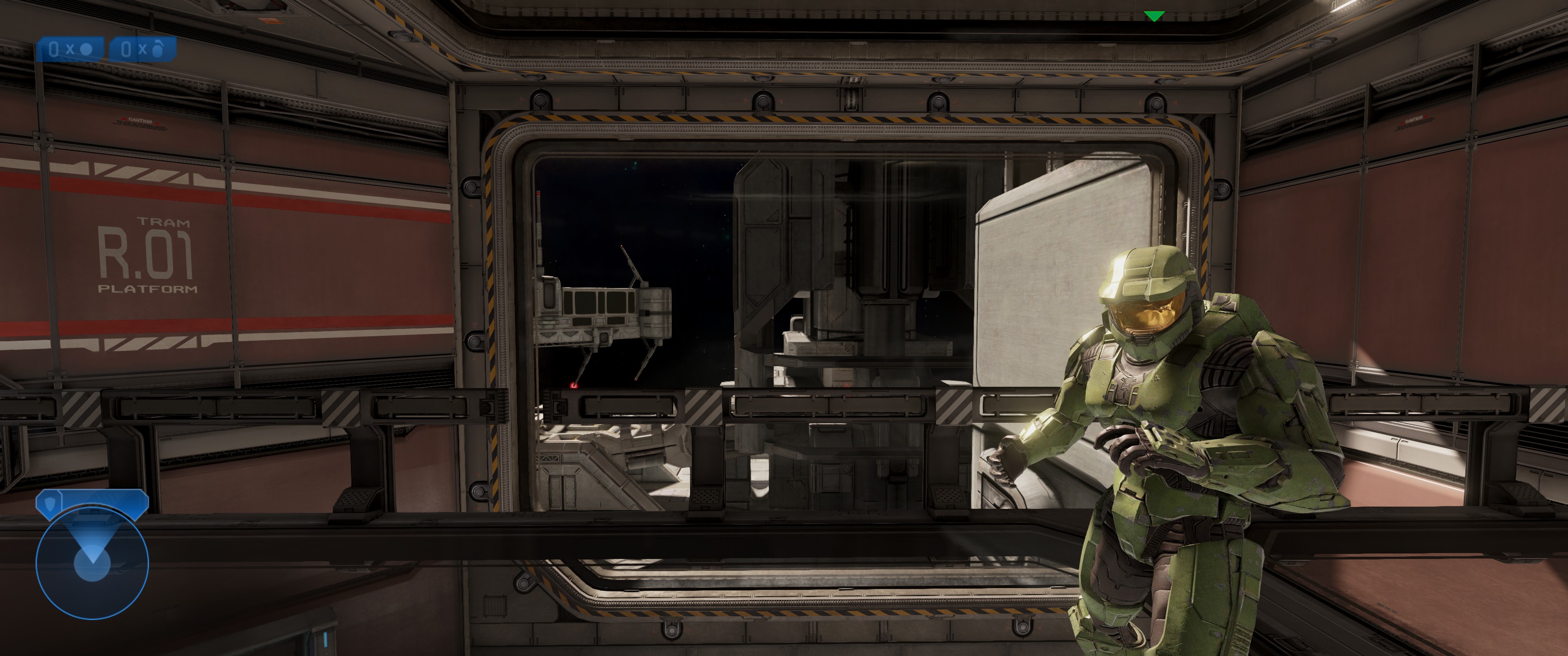
Yes, this post arrives perhaps a month or two later than I wanted because for far too long I could not get a co-op game running with my Combat Evolved partner. No matter how many fixes we googled, what settings and configurations we changed, those first few weeks after Halo 2 launched in early May were beyond frustrating. We could play competitive multiplayer, but not campaign. When life (and other videogame releases) got in the way, we benched the idea until one day in late July, when our schedules aligned and at long last, I was able to take one of my favourite screenshots of the year so far:

I don’t know how much of this was due to my heat-of-the-moment decision to buy Halo: The Master Chief Collection on Steam after uninstalling the repeatedly disappointing Game Pass version, and how much was just months of game patches bearing fruit. All I know is I’ve never been happier to see the face of another Master Chief. Anyway, onto the game itself!

Continue reading

2020: Year of Halo – Part 2: Co-op Evolved

They did it. The world is going crazy, but the mad lads at 343 Industries got another Halo campaign out on the PC in 2020. We are one step closer to achieving the Year of Halo.

The original Halo: Combat Evolved is – surprise surprise – hugely nostalgic for me. I had a friend who got the game Day 1 alongside four controllers at the 2002 launch of the original Xbox. I wouldn’t have admitted it at the time, but I was definitely jealous. As a Nintendo kid by trade I was already well used to console launches boosted by games in well-known franchises, so the Xbox came in with a definite disadvantage; but Bungie’s Halo was just so ridiculously polished that playing it made you quickly forget its status as a series debut. Halo didn’t originate twin-stick FPS controls, but it refined them and brought them into the mainstream; the jank of Goldeneye and Perfect Dark would never be convincingly disguised again. The splitscreen multiplayer experience on Blood Gulch is now legendary. I don’t think it’s that controversial to call Halo: Combat Evolved one of history’s greatest console launch titles.

But despite three or four attempts over the decades, I have never surpassed the second level of the first Halo campaign. The notoriously minimap-free level design has tripped me up on more than one half-hearted occasion over the years. That finally changed early last month, when I lined up a Halo-loving mate for another tilt at the campaign that started it all – now with yet another new coat of paint and a handy suite of fresh features on the mighty PC. Thanks to all manner of spicy technical difficulties, it would eventually take us almost two months to get it finished. But before we began, it was time to play some Halo multiplayer again at last.

Continue reading

2020: Year of Halo – Part 1: A Bit of a Reach

Late in 2019 Microsoft did something rather devious – After a considerable period of drawn-out hype, the storied partnership between 343 Industries, Splash Damage and Ruffian Games bore its first meaningful piece of fruit for PC gamers; Halo: The Master Chief Collection took its first steps onto the wild plains of the personal computer. This was devious, of course, because it came roughly a year before the purported due date of the next Xbox console, and Microsoft has made a real point of saying that Halo Infinite will launch on the same day. What’s more, while only Halo: Reach is out on PC now, the remaining four-and-a-half Halo games are slated for staggered release over the course of 2020. Rarely has a pre-release run of hype dominoes been so tantalisingly lined up.

Ladies and gentlemen, we have ourselves a year of Halo.

Now I have only finished one Halo campaign in my life – ODST – and only because it was a mostly irrelevant sub-story. I’ve been playing Halo games for a long time, but the lore and plot hasn’t ever really had a chance to grab me. One of the reasons I was so readily able to rank Halo 5 so high in 2015, after all, was my complete disinterest in its campaign. To me, Halo has always been about the presentation and the multiplayer.

But with such a ready-made setup, I will likely never have a better chance to get into the main story of gaming’s most famous contribution to the sci-fi canon. The motivation just wouldn’t be there otherwise. So, Halo: Reach, here we go; it’s time at last for me to finish your campaign.
Continue reading

The Seven Stages of Videogame Remakes

It’s been a topic at the forefront of gaming for the entirety of the last generation and a significant part of the one before. The videogame industry these days is old enough to look back and draw from its past, and in an age where some games of yore are ridiculously difficult to experience with anything approaching legality, re-releases and remakes are as commonplace as they are guaranteed to attract online discontent. In many cases, they also represent a near-guaranteed source of revenue for publishers keen on mining nostalgia, so whether you love them, hate them, or pay them no mind until one of your favourites arrives in the spotlight, they aren’t going anywhere.

I’m not here to defend the practice of re-releasing games in various stages, however. Some of that may happen accidentally as I write, but the topic has been covered to death, including on this very blog years ago. KingK also made a pretty good YouTube video on the subject earlier this year that is worth a watch. No, more interesting to me at this very moment is this idea that the quality and validity of some of these re-releases oftentimes seems to hinge on what labels people are willing to attach to each one. As with most things in life, enjoyment is regularly determined by expectation. So I feel like it’s worthwhile to break down and categorise those labels as I see them defined. Because seven is a poetic number that looks great in post headers, that is how I will attempt to divide them. This is all based on my feelings on the topic – and I can definitely see people disagreeing on the order of the categories – but I’ll try to articulate with examples as best I can.
..

Port

Your basic “Take Game A from Platform B and get it to run on Platform C” situation. Nothing more, nothing less. This is regularly seen when a period of platform exclusivity breaks and a title shows up on a competing platform within the same generation, whether that period was motivated by a publishing deal or the game in question was simply developed with one target platform in mind and the ensuing gremlins from the porting process take time to smooth over. Because timed exclusivity within the console space is a rarity nowadays, the platform that is usually either early or late to the party is the PC, but you see more variety of circumstance the lower down you go on the production budget scale. For every big-budget early access title on the Steam/Epic Games storefront, every surprising eleventh-hour Yakuza/Square RPG arrival, there’s a “Nindie” debuting on Switch first, a small ID@Xbox game flying the Microsoft flag straight out of the gate. When these games inevitably cross over to find new homes – grabbing a handy second wave of buzz in the process – they invariably do so without significant gameplay changes or extra content that hasn’t already been added to their initial versions.

The overwhelming majority of PC ports do offer more flexible graphical options due to the open nature of the PC environment (usually related to resolution, frame rate caps/unlocks, and previously unavailable visual effect toggles), just as a huge amount of Switch ports require technical downgrades by very imaginative and talented people in order to run at all (The folks at Bluepoint and Panic Button come to mind). But if that’s all she wrote, you’re looking at a bread-and-butter port between platforms. There are many who hold the untouched port as the most ideal form of game preservation, and many more who don’t see the point of a fresh release of an older game if the developers don’t update anything, but the simple fact remains that basic ports allow more people to play more videogames and they’re an unavoidable part of the landscape.
.

Enhanced Port

These next two categories are where things get muddiest for me, but I’m fairly sure I’ve got my head around them. A game qualifies as an enhanced port in my mind if there has been little to no discernible graphical work done under a game’s hood since it’s original release, thereby qualifying it as a straight port if not for one or two clear and significant gameplay changes that have been implemented. Weirdly enough, this opens the door for re-releases to occur on the same platform as their source material, a practice for which the Kingdom Hearts franchise used to be infamous and something the Pokemon main series continues to do to this day. This is definitely a curious semantic pocket of the industry, because while you can theoretically port a game to the platform it’s already on, without any noteworthy enhancements such an endeavour would be literally pointless.

Of course, most of the qualifiers for this category actually do cross over to new platforms, and as you might expect if you’ve invested in any of their recent consoles, Nintendo features heavily among them. Of late the notoriously port-happy current crop of Big N executives have greenlit a veritable catalogue of exports from the tragic Wii U to the hit-making Switch, packing little more than a resolution bump in the visuals department but almost always carrying a smattering of bullet points to set the new version apart. Hyrule Warriors packs new character skins and integrates content from multiple previous versions of the game, New Super Mario Bros U Deluxe and DK Country Tropical Freeze add new characters and abilities, and Mario Kart 8 Deluxe fundamentally changes the flow of gameplay with more granular kart stats and an extra item slot per player (in addition to new characters). Older examples of this include the Gamecube release of Sonic Adventure 2 with an entire multiplayer mode in tow, the transformed controls and gameplay balance of Resident Evil 4‘s Wii edition and the enabling of the mythical “Stop n’ Swap” functionality in the Xbox 360 version of Banjo-Kazooie.

Continue reading

The Games of Not-2018

2018 felt a little different to me in terms of the way I used my free time on videogames. For whatever reason – be it a less intense schedule of new releases that interested me, weariness of the same old drop-everything-to-play-the-new-thing habits, finally acquiring a decent gaming PC, or a combination of all three – I was somehow more OK with the idea of putting time into older games this year. So I feel like it wouldn’t be a full representation of my 2018 in videogames if I didn’t jot down some quick thoughts on them. I also figured I’d include remasters or re-releases on this page too, just to take some heat off the main list.

I’ve listed the games roughly in the order I played them this year. I’ve also listed either the most prominent initial release version of each game or, where relevant, the version I owned or played back in the day instead. Then on the line underneath I’ve noted the version I played in 2018. Stop looking at me like that, I have to catalogue these things properly.

.

Pokemon Crystal Version

GBC Release: 2001
3DS Virtual Console Release: 2018
How much I played: Start to finish including Kanto, 25+ hrs

I was super-vulnerable to this release when it hit the 3DS eShop in late Jan. There wasn’t much else to play and I was about to head off on a coastal family holiday. The rest I wrote down in its own separate post which you can read here.

.

Final Fantasy XIII

PS3 Release: 2010
Steam Release: 2014
How much I played: The first ten chapters and some messing around in Chapter 11 makes 30+ hrs

Not gonna even try to hide it – seeing this game run in forced 4K on some YouTube video last year was a huge percentage of the reason the dominoes fell and I finally invested in a gaming laptop. After a discussion with a friend about whether FF XIII really did look better than XV in parts or whether that was just our memory of it, I had to jump back in after a decade and it turns out that, despite a truly, ridiculously awful port job, the game’s astonishing art direction sings in higher resolutions. I did play more than half of the game again, hoping to dive into a proper thousands-of-words retrospective, but the gaming calendar moves fast. Near the end of the year Microsoft gave the XIII trilogy a huge Xbox One X-supported backwards compatibility push, so who knows, maybe Square has more plans for a re-release or something. Either way, I will write that post one day. I will.


Continue reading

Best of 2017: Top 15 Games

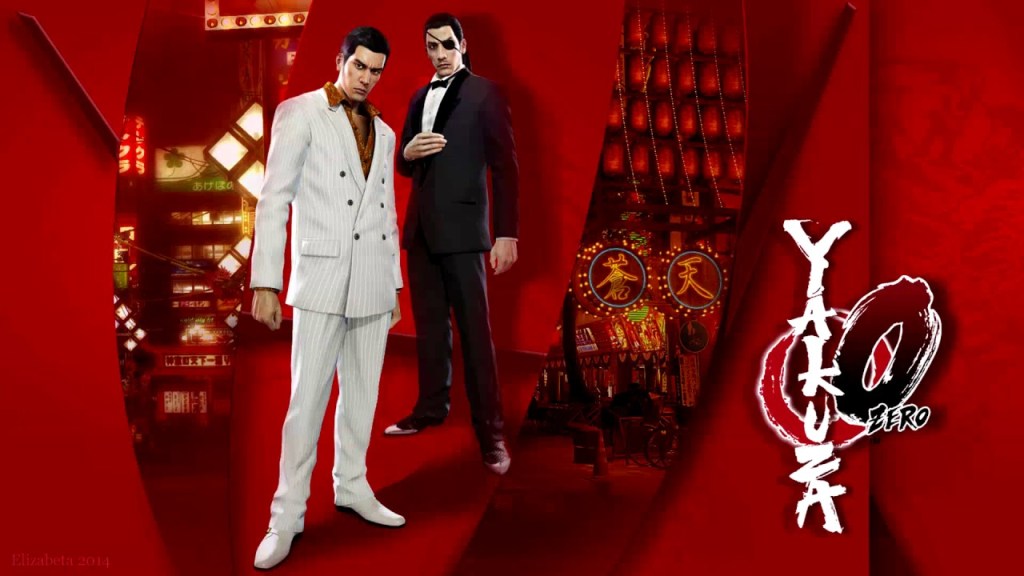
Here we are. Time to count down my favourite videogames from a truly phenomenonal year for the medium (The best in ten years?). There are some games on this list that I would wholeheartedly recommend to anyone even remotely interested, but the real measure of 2017 is the games that don’t make the list because I just didn’t have time to get into them. And no, I don’t just mean games other people liked but didn’t really grab me. I’m talking Horizon Zero Dawn, Cuphead, Yakuza Zero, Steamworld Dig 2, Night in the Woods, Tales of Berseria, Golf Story, Gang Beasts. Games that in any other year I would have been all over. Games I’ve already seen on many other top ten lists across the internet.

Part of this can probably be attributed to my conscious decision not to ignore good games on the 3DS as long as they were coming out. I clocked nearly 200 hours of combined 2017 playtime on my 3DS according to its activity log – mostly on trains and buses – and if it weren’t for the Nintendo Switch overshadowing it on every big site and YouTube channel I would have been shocked that I wasn’t seeing some of these 3DS games on more people’s lists. Of course, the Switch was still a thing, so there are more Switch games on this page than on any other console. The rest of the numbers are made up by some delightfully surprising indie and triple-A games gripping enough to help me temporarily forget about all the other games I could be playing. What an insane year.

A game qualifies for the list if I play it for over five hours or finish it. You’ll see the platform on which I played each game in parentheses next to its title.

.
-◊-◊-◊-◊-

VR BEST OF 2017 DISCLAIMER

This list represents my opinion only. I am not asserting any kind of superiority or self-importance by presenting it as I have. My opinion is not fact. If you actually agree with me 100%, that’s strange. Intriguing, but strange. Respectful disagreement is most welcome.

-◊-◊-◊-◊-

.

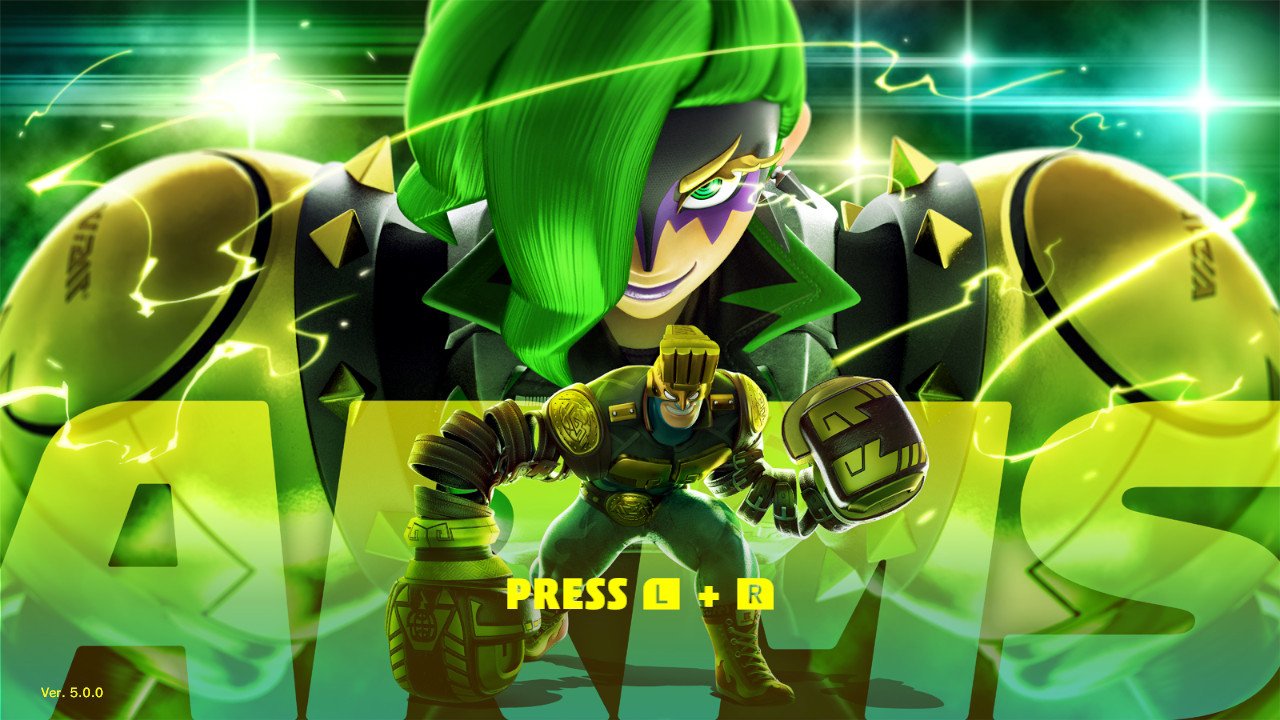
15. ARMS (NS)

Major new IPs from Nintendo are rarer than a PC without Playerunknown’s Battlegrounds installed, so it’s a big deal when one comes along. Following in the spiritual footsteps of 2015’s Splatoon, ARMS is an attempt by Nintendo to refresh what players can expect from a fighting game, in much the same way that Splatoon injected new life into the shooter genre. Taking stylistic cues from Blizzard’s Overwatch in the character design department and infusing these designs with Nintendo wackiness, ARMS is a charming game with deceptive mechanical depth and phenomenonal 1v1 duel multiplayer. Though the rest of its modes are inherently less deep and the game’s single player mode is basic at best, ARMS is my pick for most improved game of the year post-launch, with extra incentives, modes and characters now part of the package. And let’s not forget that theme song, which slots right in alongside Nintendo’s catchiest first-party tunes. ARMS should not be overlooked by anyone buying a Switch.

Continue reading

Best of 2016: Top 15 Games

15354137_10155796102034848_920506471_o

Now for the home stretch.

2016 was ultimately a much better year for videogames than it might currently feel like it was. No really, I mean it. Some of the latter-year triple-A releases may have failed to hit the mark with large enough audiences, and the pacing of the videogame release schedule in general was super weird (What on earth happened to the trend set over the last couple of years that June/July/August can be a smart period to release games? Why was Ubisoft the only company releasing anything big in the first three months of the year?). Yet when you look at a list of all the titles that hit over this bizarre 12-month period, there’s a hell of a lot of quality there. The indie and JRPG scenes in particular had phenomenonal 2016s, multiple games with years upon years of hype delivered on at least some of it, and there were plenty of surprising hits that came seemingly out of nowhere. Welcome to this countdown of my favourite 15 videogames of 2016.

The letters in parentheses after each title indicates where I played that game.

.
-◊-◊-◊-◊-
VR BEST OF 2016 DISCLAIMER
This list represents my opinion only. I am not asserting any kind of superiority or self-importance by presenting it as I have. My opinion is not fact. If you actually agree with me 100%, that’s strange. Fun, but strange. Respectful disagreement is very welcome.
-◊-◊-◊-◊-

.

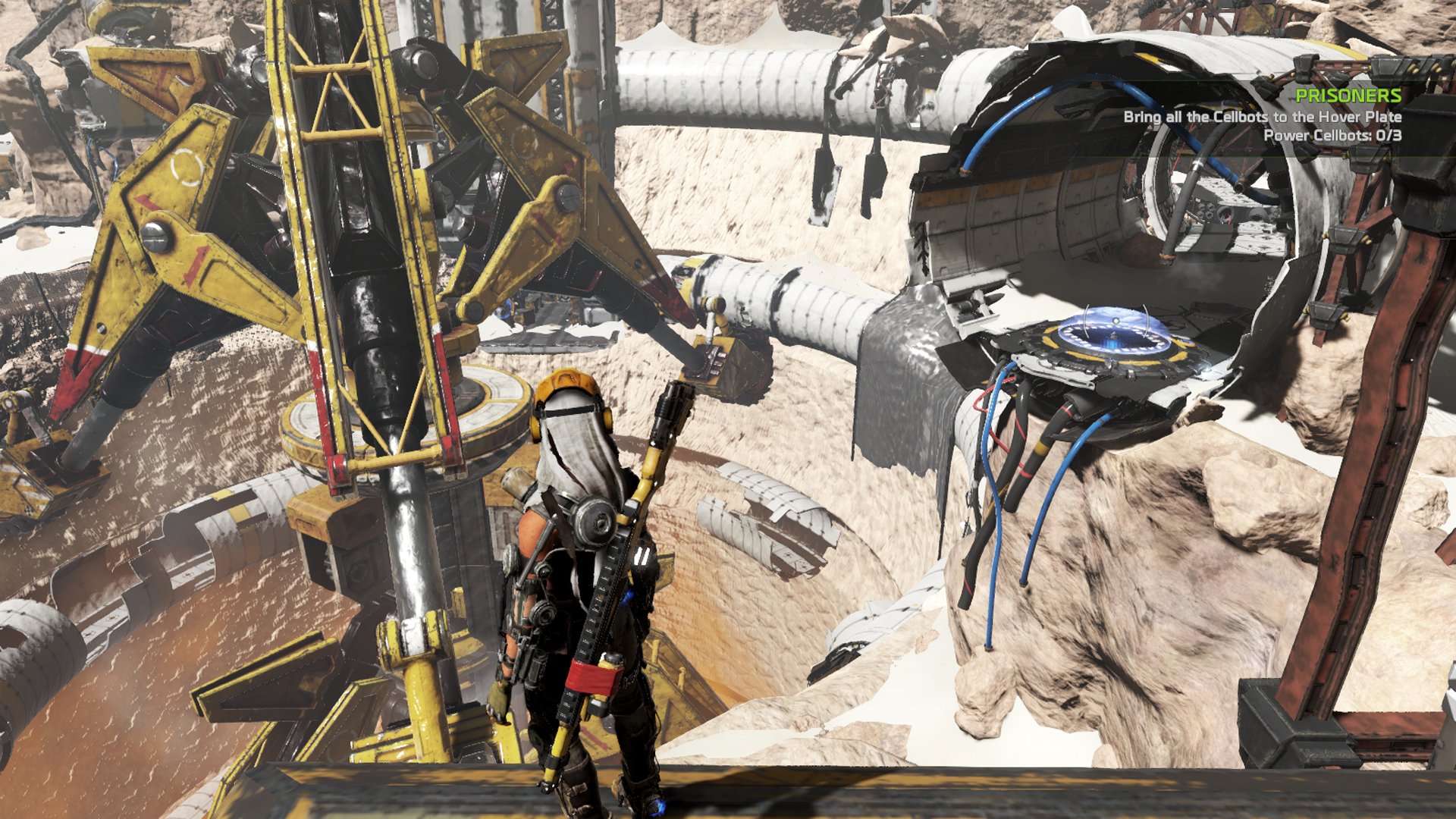
15. ReCore (XBO)

15-10-2016_10-55-34_pm

At the start of the year I might have expected I’d soon play a 2016 game with 3D platformer collect-a-thon roots, but never would I have thought I’d find it inside that Xbox-exclusive Keiji Inafune/Armature game announced at last year’s E3. It turns out that ReCore is more of a platformer at heart than any retail 3D action game released this decade, and its airborne control mechanics feel wonderful. It also packs a massive world that encourages exploration and plenty of colour-coded shooting boss battles that aren’t afraid to get difficult, with customisable robots thrown in for good measure. Some confusingly restrictive systems and a lack of environmental variety may weigh it down as it plods through its latter stages, but ReCore is still one of the year’s most pleasant surprises for me.

Continue reading